
The Future of VR Technology
Exploring Innovations, Integration, and Impact in Virtual Reality
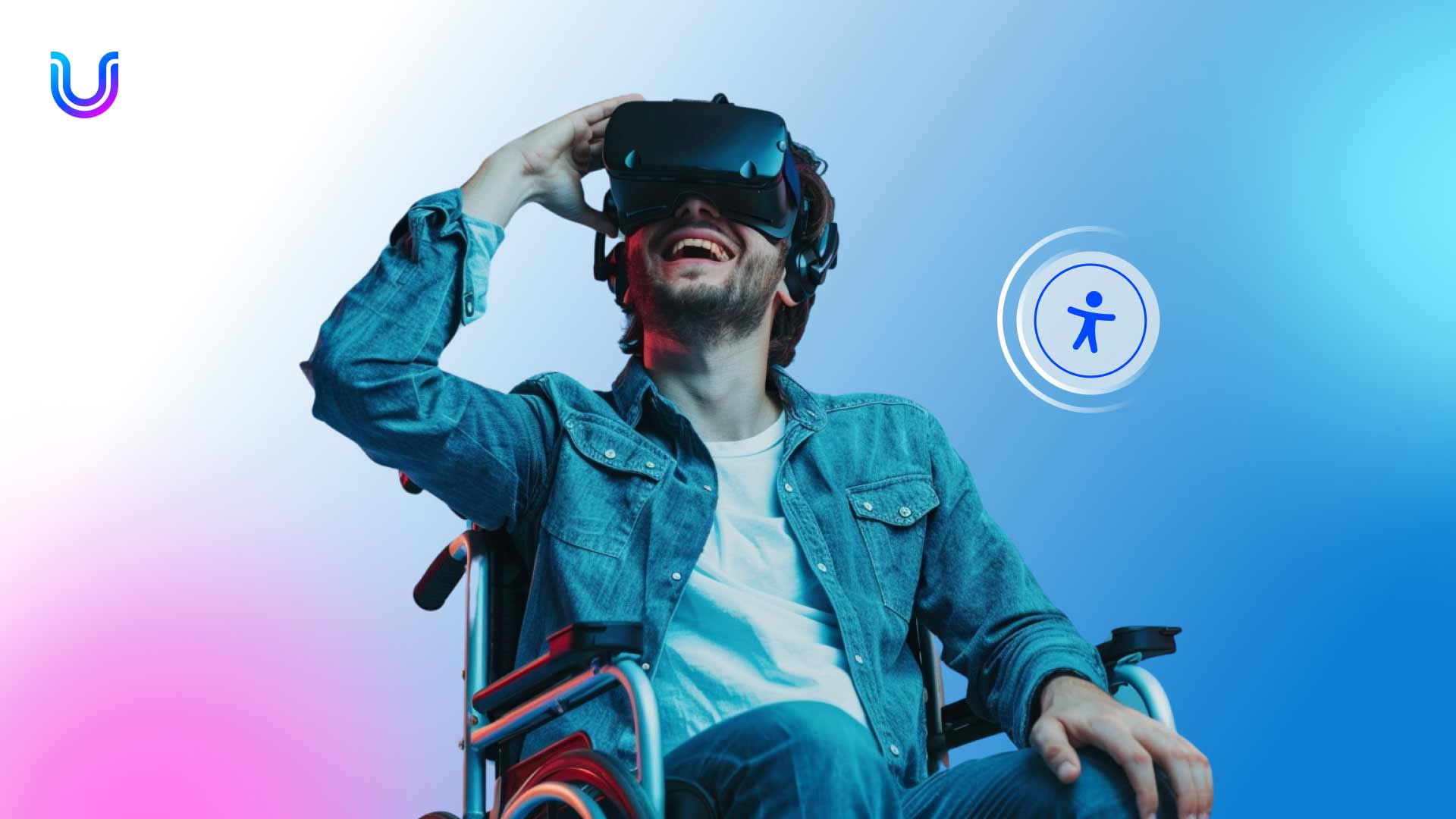
Highlights
- Immersive & Interactive Experiences: VR transforms education, training, and entertainment by fostering active engagement.
- Technological Convergence: Enhanced hardware, software ecosystems, and AI integration drive next-generation VR experiences.
- Widespread Industry Adoption: Sectors from healthcare to retail and business are integrating VR to improve efficiency and innovation.
Introduction
Virtual Reality (VR) technology stands at the forefront of digital transformation as it continues to evolve rapidly. The integration of sophisticated hardware, immersive software ecosystems, and AI-driven tools is setting the stage for a revolutionary shift in how we interact with digital environments. As we look toward 2025 and beyond, VR is poised to impact various sectors, reshaping education, healthcare, entertainment, business, and more. In this comprehensive analysis, we will explore the advancements and trends that are set to drive the VR landscape, outline its growing industry applications, discuss key technological challenges and breakthroughs, and envision the future intermingling of VR with augmented reality (AR) and mixed reality (MR).
Advancements in VR Hardware
Improved Headsets and Ergonomics
One of the most visible trends in VR is the continual evolution of headsets. The next generation of VR headsets is expected to be markedly lighter, more comfortable, and less tethered. These devices will boast enhanced display resolutions, better tracking capabilities, and improved computational power due to innovations in processing chips. The focus on user comfort is crucial as extended use of VR devices becomes routine in both professional and consumer applications. Innovations are not just limited to the aesthetics but extend to the ergonomic design that minimizes VR fatigue and provides a more natural, immersive experience.
Integration of Advanced Sensors & Haptic Feedback
Another significant leap in hardware is the evolution of sensory feedback. Advanced haptic devices, such as gloves, body suits, and even treadmills, are being developed to simulate real-world tactile sensations. This technology not only heightens the realism of VR experiences but also plays a critical role in training simulations in industries like aviation, automotive, and healthcare. Users gain a more nuanced understanding of their virtual surroundings, which effectively bridges the gap between the physical and digital worlds.
Emergence of Full-Body Motion Tracking
Innovations in motion tracking technology are enabling more dynamic and interactive VR environments. Full-body motion tracking allows for an immersive experience that captures subtle human movements, making simulations and interactive experiences more realistic. This technology is especially useful in fields such as sports training, physical therapy, and security where precise body movements are critical.
| Technology Aspect | Key Features | Sector Applications |
|---|---|---|
| Headset Design | Lightweight, Untethered, High-Resolution Displays | Gaming, Education, Training |
| Haptic Feedback | Gloves, Body Suits, Treadmills | Healthcare, Simulation, Retail |
| Motion Tracking | Full-Body Tracking, Advanced Sensors | Sports, Physical Therapy, Security |
Software Ecosystems and AI Integration
Expanding Developer Access and Platforms
As hardware becomes increasingly advanced, the software that powers VR experiences is also undergoing rapid development. Major technology companies are enhancing their VR software ecosystems, enabling developers to create a wide range of applications. Platforms such as VR collaboration tools, enterprise management solutions, and social VR environments are receiving significant investment. These platforms are paving the way for innovations that facilitate remote work, interactive learning, and virtual social engagements.
Role of Artificial Intelligence
AI integration is a game changer in VR technology. By incorporating machine learning algorithms, VR systems can offer adaptive experiences tailored to the individual user. For example, AI can predict and mitigate cybersickness by adjusting the virtual environment dynamically, resulting in a smoother and more comfortable VR session. Beyond this, AI is leveraged for content personalization, immersive storytelling, and even real-time language translation within virtual social platforms. The convergence of AI with VR not only enhances user experience but also opens up new avenues for interactive simulations and training programs.
Convergence of VR, AR, and MR
The future is moving away from the clear distinctions traditionally drawn between virtual, augmented, and mixed reality. Technological convergence is giving rise to devices that can seamlessly transition between VR and AR experiences. With the integration of pass-through cameras and advanced spatial computing, upcoming devices may serve as multifunctional tools that capture the best elements of each reality spectrum. This blend is expected to enable more versatile applications, particularly in enterprise settings where a combination of immersive training, virtual collaboration, and augmented data visualization is desirable.
Industry Applications of VR Technology
Education and Immersive Learning
Interactive Learning Environments
VR is steadily transforming the educational landscape by introducing interactive and engaging learning environments that go beyond traditional classroom settings. Virtual field trips, interactive historical reenactments, and hands-on science experiments within immersive simulations enhance learning retention and boost student engagement significantly. Research shows that immersive learning experiences can improve content retention by up to 75% and increase learner confidence dramatically. These breakthroughs are particularly valuable in higher education and vocational training programs.
Collaborative Learning Platforms
Social VR platforms facilitate collaborative learning by connecting students and educators across the globe within virtual classrooms. This model not only supports remote education but also promotes teamwork and project-based learning where students can work together in real time. As VR continues to be integrated into educational infrastructures, the potential for personalized and immersive learning experiences becomes ever more promising.
Healthcare and Medical Training
Simulated Medical Environments
In the healthcare sector, VR is altering the paradigm of medical training and patient treatment. Advanced VR simulations are being used to train surgeons and healthcare professionals by providing a risk-free environment to practice complex procedures. These simulations enable practitioners to hone their skills, reducing errors and improving patient outcomes. Moreover, VR-based therapies are emerging as effective treatments for mental health issues like PTSD and phobias by immersing patients in controlled and therapeutic virtual environments.
Therapeutic Applications
VR technology is also being harnessed for therapeutic purposes. In treatments designed for anxiety, phobias, and post-traumatic stress, controlled exposure within immersive environments helps patients confront and overcome their fears in a safe setting. These methods have shown promising results, leading to improved therapy outcomes and a growing interest in digital mental health solutions.
Business and Enterprise Solutions
Virtual Offices and Collaborative Workspaces
The business sector is leveraging VR to create virtual offices where geographically distributed teams can collaborate in real time. These platforms offer unique advantages over traditional video conferencing by providing an immersive and interactive workspace. Virtual meeting rooms, collaborative digital whiteboards, and simulated work environments foster greater engagement and creativity among team members. This development is likely to accelerate as industries seek more efficient and cost-effective means of remote collaboration.
Prototyping, Design, and Training
Industries ranging from automotive to aerospace are adopting VR for product prototyping and design. The ability to visualize and interact with a 3D model in a virtual space significantly reduces the iterative cycles in development. VR also serves as a powerful tool for staff training, reducing the need for costly physical prototypes and on-site training sessions. The cumulative benefits include improved accuracy, reduced costs, and shorter development cycles.
Retail and Consumer Engagement
Immersive Retail Experiences
Retailers are increasingly adopting VR to create immersive shopping experiences. Virtual showrooms allow customers to explore products in detail, interact with them in a simulated environment, and make informed purchasing decisions. By reducing the need for physical inventory and streamlining the buying process, VR is poised to revolutionize the retail landscape. This approach not only enhances customer engagement but also enables businesses to reduce operational costs.
Technological and Market Challenges
Overcoming Latency and Cybersickness
Despite the vast potential of VR technology, there remain significant challenges that must be addressed to ensure smooth and widespread adoption. One of the key issues involves latency, which can disrupt the immersive experience and lead to motion sickness. Advanced algorithms and AI-driven adaptive systems are being developed to predict and adjust to user movements, minimizing latency and reducing the incidence of cybersickness.
Cost and Accessibility Factors
High-quality VR devices, though improving, still represent a considerable investment for both consumers and organizations. While newer models are progressively becoming more affordable, cost remains a barrier for mass-market adoption. At the same time, technological improvements and streamlined production processes are gradually enhancing accessibility, paving the way for VR to permeate a wider range of socioeconomic groups.
Standards and Security Concerns
As VR becomes more ingrained in everyday life and professional settings, issues concerning privacy, data security, and compliance become increasingly important. Ensuring secure data transmission and safeguarding user information are critical to maintaining trust in VR systems, particularly in enterprise environments where sensitive information is commonplace. Industry leaders are focusing on building robust security frameworks to address these concerns and promote widespread trustworthy adoption.
Future Trends and Convergence
The Blending of Physical and Virtual Worlds
Looking ahead, VR is expected to play a central role in the creation of the metaverse—a digital universe where virtual experiences seamlessly blend with physical reality. This integration will leverage advancements in VR hardware, AI, and dynamic content creation, leading to hyper-realistic simulations that engage all human senses. In this environment, the boundaries between work, play, and social interaction will blur, creating new paradigms for human experience.
Market Projections and Investments
The economic impact of VR technology is projected to be substantial in the coming years. Industries such as gaming, healthcare, engineering, and retail are expected to witness aggressive investment as companies strive to capitalize on the efficiency and immersive capabilities of VR. Long-term projections suggest that market segments will not only expand in size but also diversify in function, with VR playing a pivotal role in both consumer and enterprise-grade solutions.
Emerging Ecosystems and Cross-Platform Adaptation
As the industry matures, we are likely to see a convergence of various platforms designed to provide a seamless experience across diverse VR, AR, and MR ecosystems. This cross-platform adaptation will ease content development and encourage collaborative innovations, thereby fostering an environment where digital and physical interactions become completely integrated. The future will see an increase in interoperability and system standardization, ensuring broader compatibility and user acceptance.
Conclusion
In conclusion, the future of VR technology is marked by its transformative impact across multiple domains. Advancements in hardware that offer improved comfort, haptic feedback, and full-body tracking are complemented by sophisticated software ecosystems and the critical integration of AI. These technological strides are unlocking new possibilities for immersive learning, medical training, collaborative work environments, and engaging consumer experiences.
Despite challenges such as latency, accessibility, and security, the ongoing efforts to refine and converge VR with AR and MR ensure that the technology will become more pervasive and reliable. Enhanced collaborative platforms and innovations in real-time simulation are set to redefine how individuals interact with both virtual and physical environments. With strategic investments and continued advancements, VR is poised to be a cornerstone of future digital experiences, transforming education, healthcare, business, and entertainment in ways previously deemed unimaginable.
References
- Top 5 Virtual Reality Trends of 2025 - Program-Ace
- Virtual Reality Trends of 2025: Future of VR Technology - HQSoftware
- Top VR & AR Trends for 2025: The Future of Immersive Technology - Circus360
- Future of Virtual Reality in 2025: What's Next? - Toxigon
- The Second Wave of Immersive Institutions Has Arrived - The Art Newspaper
Recommended Queries
Last updated February 26, 2025