
Navigating the Labyrinth: Why Vulnerable Populations Face Significant Hurdles in the Criminal Justice System
Unpacking the Complex Realities of Access to Justice for Marginalized Groups
Key Insights
- False: Vulnerable populations unequivocally face greater obstacles and disadvantages in participating in the criminal justice system compared to other populations.
- Systemic Barriers: A multitude of factors, including financial constraints, language barriers, disabilities, discrimination, and lack of awareness, create significant hurdles for marginalized individuals.
- Tailored Solutions Needed: Effective access to justice requires comprehensive and culturally competent strategies, including enhanced legal aid, specialized training for justice professionals, and proactive engagement with vulnerable communities.
The assertion that vulnerable populations have an easier time participating in the criminal justice system compared to other populations is unequivocally false. In reality, these groups encounter a complex web of systemic barriers, discrimination, and inadequate support that significantly impedes their ability to navigate legal processes effectively. Far from having an "easier time," marginalized individuals often face profound challenges, leading to disproportionate rates of involvement and less equitable outcomes within the justice system.
Defining Vulnerability in the Justice Context
Understanding who constitutes a "vulnerable population" is crucial to appreciating the difficulties they face. Vulnerability in the context of the criminal justice system refers to groups of individuals who are at increased risk of discrimination, hardship, violence, or social marginalization due to specific characteristics or circumstances. These characteristics can make them particularly susceptible to justice-system involvement and impede their ability to assert their rights or receive fair treatment.
Diverse Groups Facing Unique Challenges
Vulnerable populations are not a monolithic group; they encompass a wide range of individuals with diverse needs and challenges. These include, but are not limited to:
Individuals with Disabilities
This group includes people with physical disabilities, intellectual and developmental disabilities (IDD), and mental health issues. They often face misunderstandings, dismissal, or unfair judgment from court staff and law enforcement. Communication barriers are significant, as routine police protocols may not accommodate those with limited or no English proficiency or those with cognitive impairments. Individuals with "covert disabilities" are particularly at risk of being misunderstood, impacting critical decisions from custody to sentencing. The lack of knowledge and experience among justice professionals in interacting effectively with individuals with IDD exacerbates this issue, leading to overrepresentation in the criminal justice system.
Women and Victims of Gender-Based Violence
Women, especially victims of domestic and gender-based violence, often face unique barriers, including discomfort with the formal legal system, fear of further victimization, and inadequate support. Language and translation barriers, along with microaggressions from court staff, can prevent survivors from seeking justice effectively. Family violence, once viewed as a "private matter," has historically limited police and court involvement, further marginalizing victims.
Ethnic Minorities and Indigenous Communities
These groups frequently experience racial discrimination and public prejudice throughout the justice system. Language barriers, lack of legal awareness, and distrust in justice institutions are common impediments. For example, in Nepal, marginalized castes, religions, and Indigenous communities often pay a higher price within the criminal justice system.
Racial disparities are stark across various aspects of the justice system. Data shows that people of color, immigrants, and those experiencing poverty are disproportionately criminalized. This can manifest in everything from police stops to incarceration rates.
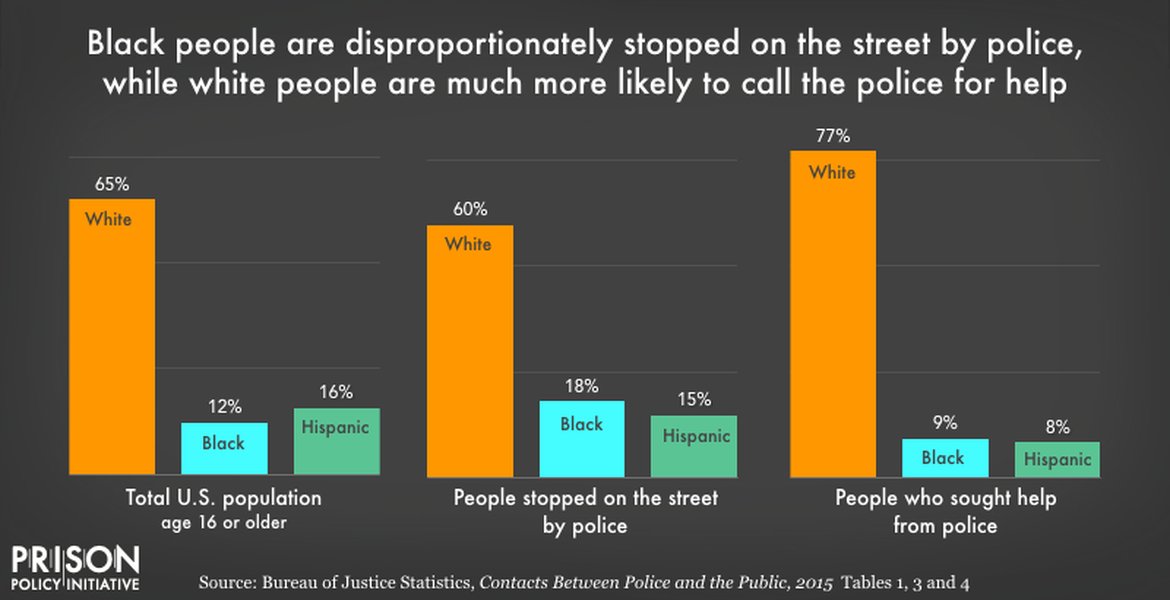
Figure 1: This image illustrates the racial disparities in police stops and calls, highlighting how certain racial groups are disproportionately affected.
Low-Income Individuals and Those Experiencing Poverty
Financial constraints are a major barrier to justice. The cost of legal services, court fees, and bail can be prohibitive, effectively denying access to legal representation and fair proceedings. Insufficient funding for legal aid services means that many low-income individuals and vulnerable groups receive inadequate support, or are turned away entirely.
Children and Youth
Children are identified as among the most vulnerable and exploited members of society, susceptible to abuse, neglect, exploitation, and trafficking. Youth involved in both child welfare and juvenile justice systems are a particularly vulnerable population, often unrecognized due to challenges in information sharing and cross-system collaboration. Children of incarcerated parents are also significantly more likely to enter the criminal justice system themselves.
Older Adults
The proportion of older adults in the criminal justice system has increased sharply, leading to specific healthcare concerns and challenges in navigating the system, which may not be equipped to handle their unique needs.
LGBTI Persons
Lesbian, gay, bisexual, transgender, and intersex (LGBTI) individuals can face specific challenges, including discrimination and historical mistreatment by police. Policies and practices often lack the specific provisions needed to address their unique needs, particularly within confinement settings.
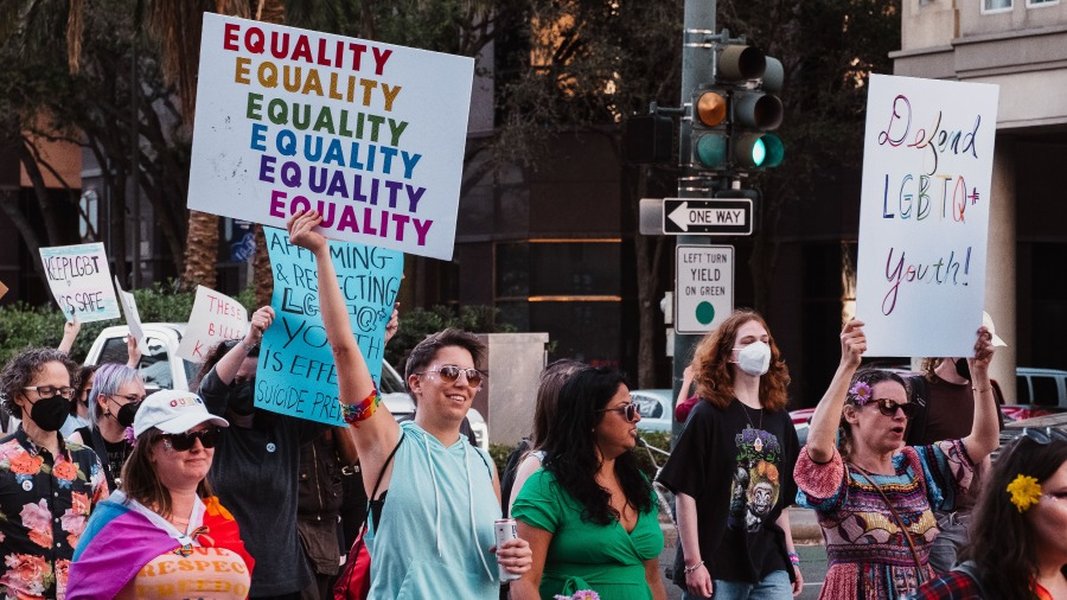
Figure 2: This image depicts the systemic issues that push LGBTQ+ individuals into higher rates of incarceration, highlighting the intersection of criminalization and discrimination.
Immigrants and Foreigners
Fear of deportation, language barriers, and lack of understanding of the legal system can prevent immigrants from seeking justice or fully participating in legal proceedings.
Major Barriers to Accessing Justice
The difficulties faced by vulnerable populations are multifaceted, extending beyond simple financial limitations. These barriers create a "justice gap" that is often tangled in bureaucracy, poverty, and systemic inequity.
Systemic and Institutional Hurdles
Financial and Economic Barriers
The most commonly cited barrier is the cost of legal services. Legal aid services are often underfunded, leading to capacity issues where community legal centers turn away thousands of people annually. This forces individuals to face courts alone, turning minor issues into complex legal problems.
Informational and Communicational Barriers
Many vulnerable individuals do not understand the legal issues they face or the options available to them. Literacy and language barriers are significant, and police and court professionals often lack the skills, training, or resources to adequately support those with communication difficulties. Officers may use police or legal jargon, making it difficult for vulnerable individuals to comprehend warnings or procedures.
Discrimination and Bias
Prejudice and discrimination are pervasive. Vulnerable groups have historically experienced disproportionate police mistreatment and abuse. Individuals with disabilities, for instance, may be misunderstood or unfairly judged, impacting their legal outcomes. There is a "failure of leadership and direction" across the criminal justice system that has resulted in "personal, systemic and routine discrimination" against vulnerable people from arrest to release.
Figure 3: This image broadly represents the justice system's interaction with vulnerable populations, hinting at the challenges faced.
Lack of Awareness and Training Among Professionals
Judges, lawyers, and court staff often lack sufficient awareness of the specific needs of vulnerable groups. This knowledge gap can lead to ineffective interactions and a failure to provide necessary accommodations. For example, less than a third of vulnerable people receive support from an appropriate adult during police interviews.
Logistical and Technological Barriers
Poor access to technology and lack of proximity to courts or legal offices can be significant obstacles, especially in rural areas or for those with mobility issues.
Fear and Distrust
Vulnerable populations, especially those with past negative experiences, may legitimately be wary of interacting with law enforcement. This distrust can prevent them from reporting crimes or seeking legal assistance.
Impact of Barriers on Participation and Outcomes
The cumulative effect of these barriers is a justice system that is far from equitable for vulnerable populations. This results in several critical impacts:
Disproportionate Involvement
Vulnerable individuals, particularly those with mental health problems, learning disabilities, or from marginalized racial and ethnic groups, are overrepresented in every part of the criminal justice system, from arrest to incarceration.
Lack of Meaningful Participation
Even when involved, vulnerable individuals may struggle to understand proceedings, articulate their experiences, or effectively participate in their own defense. This is particularly true for those with cognitive impairments or language barriers, who may not fully grasp warnings or legal jargon.
Inadequate Support and Services
Despite legal mandates for health care provision for incarcerated populations, continuity of care upon release is often insufficient. Family-centered services for incarcerated parents are also crucial but often lacking. Moreover, diversion programs that could steer vulnerable individuals away from the criminal justice system are not universally implemented or adequately funded.
Increased Risk of Harm
Without proper accommodation and understanding, vulnerable individuals are at a serious risk of harm within the justice system, including mistreatment, abuse, and unintended negative health or criminal justice consequences.
Illustrating Challenges with a Radar Chart
To further visualize the multifaceted challenges vulnerable populations face, the following radar chart provides an illustrative overview of various barriers impacting their access to justice. This chart is based on an opinionated analysis of the severity of each barrier.
As illustrated, vulnerable populations experience significantly higher levels of challenge across all identified barriers compared to the general population. This disparity underscores the urgent need for targeted interventions and reforms within the justice system.
Toward a More Equitable Justice System: Solutions and Recommendations
Addressing the challenges faced by vulnerable populations requires a comprehensive approach that targets systemic issues and promotes proactive engagement.
Key Strategies for Improvement
| Barrier Category | Specific Barriers Identified | Recommended Solutions and Best Practices |
|---|---|---|
| Financial & Economic | Prohibitive legal fees, insufficient legal aid funding, court costs. | Increase funding for legal aid services; implement affordable or free legal services (e.g., Microjustice initiatives); establish "pro bono" programs for low-income individuals. |
| Informational & Communicational | Language barriers, low literacy, complex legal jargon, lack of awareness of rights/processes. | Provide professional interpretation and translation services; use simplified language in legal documents and during interactions; offer legal literacy programs; conduct "ground rules hearings" for vulnerable participants. |
| Discrimination & Bias | Racial discrimination, public prejudice, gendered microaggressions, fear of deportation. | Implement anti-discrimination training for all justice professionals; foster cultural competency within the legal system; establish clear policies against targeting vulnerable groups; promote diverse representation among legal professionals. |
| Disability Access | Lack of accommodations, misunderstanding of disabilities (visible and hidden), lack of training for professionals. | Mandate specialized training for law enforcement and court staff on interacting with individuals with various disabilities (IDD, mental health, physical); ensure physical accessibility in courtrooms and facilities; provide appropriate adults/intermediaries during interviews and proceedings. |
| Systemic & Institutional | Failure of leadership, fragmented state operations, inadequate diversion programs, lack of cross-agency collaboration. | Promote a unified understanding of vulnerability across justice and health systems; establish local multi-agency forums for strategic planning; develop alternatives to enforcement and incarceration; improve information-sharing between child welfare and juvenile justice systems. |
| Distrust & Engagement | Historical mistreatment, fear of consequences (e.g., deportation, further victimization). | Proactively engage with vulnerable populations and their advocates to build trusting relationships; promote trauma-informed and victim-centered approaches; ensure accountability and transparency of justice institutions. |
The Role of Education and Training
A critical component of bridging the justice gap is enhancing the knowledge and skills of justice professionals. This includes training officers to recognize potential vulnerabilities and be aware of behavioral differences within and among different vulnerable groups. For example, many states now require training for officers on interacting with people experiencing mental illness or substance abuse issues. Furthermore, agencies should develop relationships with mental-health practitioners and social-services providers to promote a more holistic approach to public safety.
Innovative Court Programs and Community Partnerships
Innovative court efforts and programs can make a significant difference for vulnerable populations. This involves working with partners outside law enforcement—including social-services providers, health practitioners, and courts—to identify and address challenges, create alternatives to police interaction, and reduce involvement in the criminal justice system. Programs like the Nurse-Family Partnership, which connects vulnerable first-time parents with maternal and child health nurses, exemplify a proactive, community-based approach to prevention and support.
The Department of Justice also focuses on protecting vulnerable communities by increasing investigations and litigation concerning child exploitation, human trafficking, and non-compliant sex offenders, while also improving programs to prevent victimization and provide services.
Understanding Vulnerability in Correctional Practices
The challenges for vulnerable populations extend into correctional settings. Ensuring the safety and well-being of incarcerated individuals at risk for sexual victimization, for instance, requires safe housing without losing access to programming, mental and medical health services, and group activities. The Prison Rape Elimination Act (PREA) emphasizes that isolation should only be used as a last resort, exploring all other alternatives.
The following video provides insights into enhancing correctional practices to protect vulnerable people, underscoring the ongoing efforts and challenges in this area:
Video: FY24 Enhancing Correctional Practices to Protect Vulnerable People Funding Opportunity. This video from the Bureau of Justice provides an overview of initiatives aimed at improving the protection of vulnerable individuals within correctional facilities.
This video highlights the continuous need for better strategies and resources to ensure the safety and rehabilitation of vulnerable individuals within the criminal justice system, emphasizing that true justice encompasses fair treatment and adequate support at all stages, from arrest to release.
Frequently Asked Questions
Why are vulnerable populations disproportionately affected by the criminal justice system?
What are some specific types of vulnerable populations in the justice system?
How can the justice system better support vulnerable individuals?
Conclusion
The premise that vulnerable populations have an easier time navigating the criminal justice system is entirely false. On the contrary, these groups encounter substantial and interconnected barriers that make their participation exceptionally difficult and often lead to unjust outcomes. From financial hardship and language barriers to pervasive discrimination and insufficient institutional support, the challenges are profound. A truly equitable justice system must recognize these vulnerabilities and actively work to dismantle the barriers that prevent meaningful access to justice for all. This requires a commitment to comprehensive reforms, enhanced training for professionals, increased resources for legal aid, and a sustained effort to build trust and provide tailored support for every individual, regardless of their background or circumstances.
Recommended Further Reading
- Impact of socioeconomic status on access to justice
- Effective strategies for legal aid in marginalized communities
- Addressing communication barriers for disabled individuals in court
- The role of community partnerships in criminal justice reform