
The Debate on WaistSlip Visibility
Exploring Perspectives on Seduction and Fashion
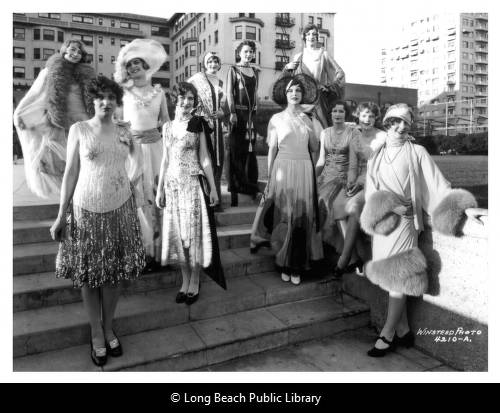
Key Highlights
- Cultural and Historical Perspectives: Varying interpretations based on fashion eras and cultural norms.
- Fashion Intent versus Wardrobe Malfunction: The visibility can be both an intentional teasing element and an unintended error.
- Dual Meanings in Modern Styling: Current trends sometimes embrace visibility as a stylized, alluring detail.
Introduction
The question of whether the visibility of a waist slip peeking out from a women's skirt is considered seductive or simply a fashion mishap has been a subject of considerable debate. This discussion is enriched by varying opinions drawn from historical context, cultural norms, and evolving fashion trends. In some circles, a subtle glimpse of a waist slip is deemed seductive and a deliberate tease, whereas in others it is viewed merely as a breakdown in traditional wardrobe etiquette. This comprehensive discussion examines both sides of the argument, and provides an in-depth analysis of the cultural, historical, and fashion-oriented perspectives on this phenomenon.
The Seductive Tease Perspective
Historical and Cultural Significance
Historically, undergarments like waist slips have played a significant role in shaping perceptions of femininity. During certain periods—particularly in fashion eras such as the 1920s and 1930s—a visible waist slip was often considered a bold statement. Designers would sometimes allow or even encourage a slight peeking of lace or delicate fabrics from under a skirt to suggest a hidden allure. In these contexts, the deliberate revelation of a usually hidden garment was thought to hint at the wearer’s sensuality and elegance.
Undergarments as a Form of Lingerie
In various fashion circles, slips have been regarded not merely as undergarments but also as elements of lingerie. The act of a waist slip peeking out subtly implies something more than just a smoothing layer; it can serve as an aesthetically seductive statement. By revealing a fragment of lace or sophisticated trim, the look maintains an aura of mystery—teasing what lies beneath without revealing too much. This enigmatic hint can be seen as a deliberate and artful maneuver intended to evoke playful flirtation and sensuality.
Modern Fashion Trends and Intentional Styling
In recent years, modern fashion has seen a resurgence in controlled exposure and layered styling. Designers have experimented with allowing undergarments to become visible, turning an element of traditional modesty into an emblem of contemporary style. Here, the appearance of a waist slip is often curated and positioned to add depth to an outfit. When styled correctly, the visible slip is not the result of a mistake but a conscious decision aimed at drawing attention to the intricacies of texture and design.
Cinematic Influence and Pop Culture
Another contributing factor to the perception of waist slip visibility as seductive is its portrayal in cinema and television. Iconic film scenes and television costumes have often employed the aesthetic of a revealed slip to underscore a character’s confident and alluring personality. Iconic images have romanticized this subtle exposure, enhancing its status as a symbol of understated seduction. This cultural reinforcement has helped solidify the notion that a tastefully exposed waist slip can be a form of sophisticated seduction.
The Practicality and Fashion Faux Pas Perspective
Practical Functions of Waist Slips
On the other side of the debate is the argument rooted in practicality and traditional fashion aesthetics. Waist slips were originally designed for functionality. Their primary purposes included smoothing out the silhouette, preventing static cling, and ensuring that the outer garments maintained their structured look by hiding the undergarments underneath. Given these practical uses, the visibility of a waist slip is sometimes considered an oversight—a misstep in a well-planned outfit.
Wardrobe Malfunction versus Intentional Styling
Some critics argue that if a waist slip is visible, it is often more indicative of a wardrobe malfunction rather than a deliberate fashion statement. In many formal and everyday dress contexts, maintaining a smooth and uninterrupted line is considered paramount. The unexpected appearance of a slip can disrupt the intended visual aesthetics by exposing an element that was meant to remain hidden, thereby detracting from the overall polish of the look. This perspective emphasizes that the visible slip can be perceived as an unintended slip-up rather than a carefully curated accessory.
Cultural Norms and Conservative Fashion Standards
In many cultures, particularly those with conservative dress codes, the principles of modesty are highly valued. In such contexts, the exposure of undergarments such as waist slips is not embraced as a form of flirtation but is instead regarded as inappropriate or as a sign of inattentiveness in dressing. For these critics, the elegance of an outfit is achieved by fully concealing the undergarments, ensuring that the focus remains solely on the outer layers. A visible waist slip, therefore, is seen less as a component of seductive styling and more as a deviation from accepted norms.
Integrating Both Perspectives
A Dual Nature in Fashion
The visible waist slip stands at the intersection between historical tradition and modern innovation. In many cases, the same element can be seen as serving a dual purpose. While historically it might have been associated with an alluring tease, in contemporary times the same look can manifest as either a bold fashion choice or an inadvertent style slip-up. What is intriguing is the evolution of this perception over time—shifting focus from a mere undergarment to a potential accessory that can be highlighted by design.
Context is Everything
Whether a waist slip peeking out is deemed seductive or simply a style error largely depends on the context. Several contextual factors affect this perception:
| Factor | Interpretation | Examples |
|---|---|---|
| Cultural Setting | In liberal or avant-garde cultures, visible undergarments may be celebrated as artistic or sensual statements. | Fashion-forward cities, creative industries |
| Historical Era | During times when undergarments were designed with intricate details, peeking visuals enhanced allure. | 1920s-1930s, certain retro fashion revivals |
| Intent of the Wearer | If the exposure is intentional, it can play up a look; if accidental, it's often seen as sloppy. | Styled editorial shoots versus daily wear mishaps |
| Design and Styling | The design of both the outer garment and the waist slip influences whether the look is seductive or flawed. | Designer slip dresses versus standard functional slips |
These factors demonstrate that there is no absolute answer; instead, the interpretation is largely subjective. In a dynamic and ever-evolving fashion landscape, what was once considered a provocative tease may now be embraced as an adventurous element of design, while in other instances it might be critiqued as a simple error in styling.
Analysis of Contemporary Viewpoints
Intention and Awareness
One of the pivotal points in the debate is the role of intention. When a designer deliberately allows a waist slip to be visible, the context frames the exposure as a confident, flirtatious gesture that enhances the outfit's allure. This intentional styling is often supported by mainstream fashion magazines and runway shows where controlled exposure is celebrated. Here, the visible slip is part of the overall design narrative and contributes to the wearer's sense of empowerment and aesthetic appeal.
The Psychology of Partial Revelation
Psychologically, the allure of what is partially revealed can evoke a response of curiosity and desire. The human mind tends to be intrigued by subtleties—the hint of something concealed often makes an impression more compelling than full exposure. This is why many find that a small element, such as a tasteful peeking of lace from a waist slip, holds a strong sensual charge. The element of mystery—knowing that there is more hidden than meets the eye—can evoke deeper interest and engagement.
Fashion Evolution and Consumer Expectations
As society’s views on modesty and sexual expression have evolved, so too has the approach to designing and wearing undergarments. Modern consumers are increasingly accepting of fashion statements that blur the lines between functional clothing and accessories. This acceptance is partly driven by a desire for individuality and bold entrepreneurship in fashion, where even traditional items like slips are reimagined as part of a distinct personal style. In some circles, a visible waist slip may very well be the finishing touch to an outfit that exudes both confidence and subtle seduction.
Balancing Contrasting Views
A Matter of Perspective
The divergent viewpoints on waist slip visibility illustrate how fashion is inherently subjective and deeply influenced by external factors. The notion of seductive allure versus fashion mishap is not a dichotomy but a continuum. On one end of the spectrum, visibility is celebrated as a deliberate act of seduction that challenges norms and adds depth to personal style; on the other, it is criticized for undermining the intended aesthetics of a well-considered ensemble.
Integrating Context into Fashion Critique
Fashion critics often recommend considering the entirety of the ensemble rather than isolating one component. The impact of a visible waist slip must be evaluated alongside the overall design, the wearer's intent, and the cultural or situational context in which the outfit is worn. For instance, what might be lauded on a designer runway in a metropolitan fashion hub might be frowned upon in everyday conservative settings. This balanced perspective allows for an appreciation of the nuanced ways in which clothing elements interact to produce a final statement.
Concluding the Spectrum Without Finality
A Dynamic Interpretation
To address the original query—"Was the visibility of a waist slip peeking out from a woman's skirt considered seductive-tease?"—one must acknowledge the validity of both perspectives. The answer cannot be encapsulated by a simple "yes" or "no" because it operates within a spectrum of interpretation influenced by historical norms, cultural context, and individual intention. In scenarios where the exposure of a waist slip is deliberate and artistically integrated, it is indeed regarded as a seductive tease. Conversely, when the visibility appears accidental or inattentively styled, it is more likely to be dismissed as a fashion misstep.
Ultimately, the conversation surrounding the visible waist slip serves as a microcosm of broader trends in fashion. It highlights the ongoing evolution of style and the interplay between tradition and innovation. Whether viewed as a subtle flirtation or a mere accident, the visible waist slip invites us to reflect on the power of nuanced details in shaping impressions and the subjective nature of aesthetic appeal.
References
- Lace Peeking Out - Eroensemble
- Lace Peeking: A Closer Look - Claire Dream
- Silky Seduction: Is lace sexy? - HubPages
- Half-Slip Fashion: A Trend Analysis - The New York Times
- 3 Beautiful Reasons to Wear a Slip - Modern Retro Woman
Recommended Related Queries
 eroensemble.wordpress.com
 etiquipedia.blogspot.com
 clairedream.wordpress.com
Last updated March 12, 2025