
Specimen of Important Information Board for Garment Warehouse
A comprehensive guide for safety, operations, and quality control
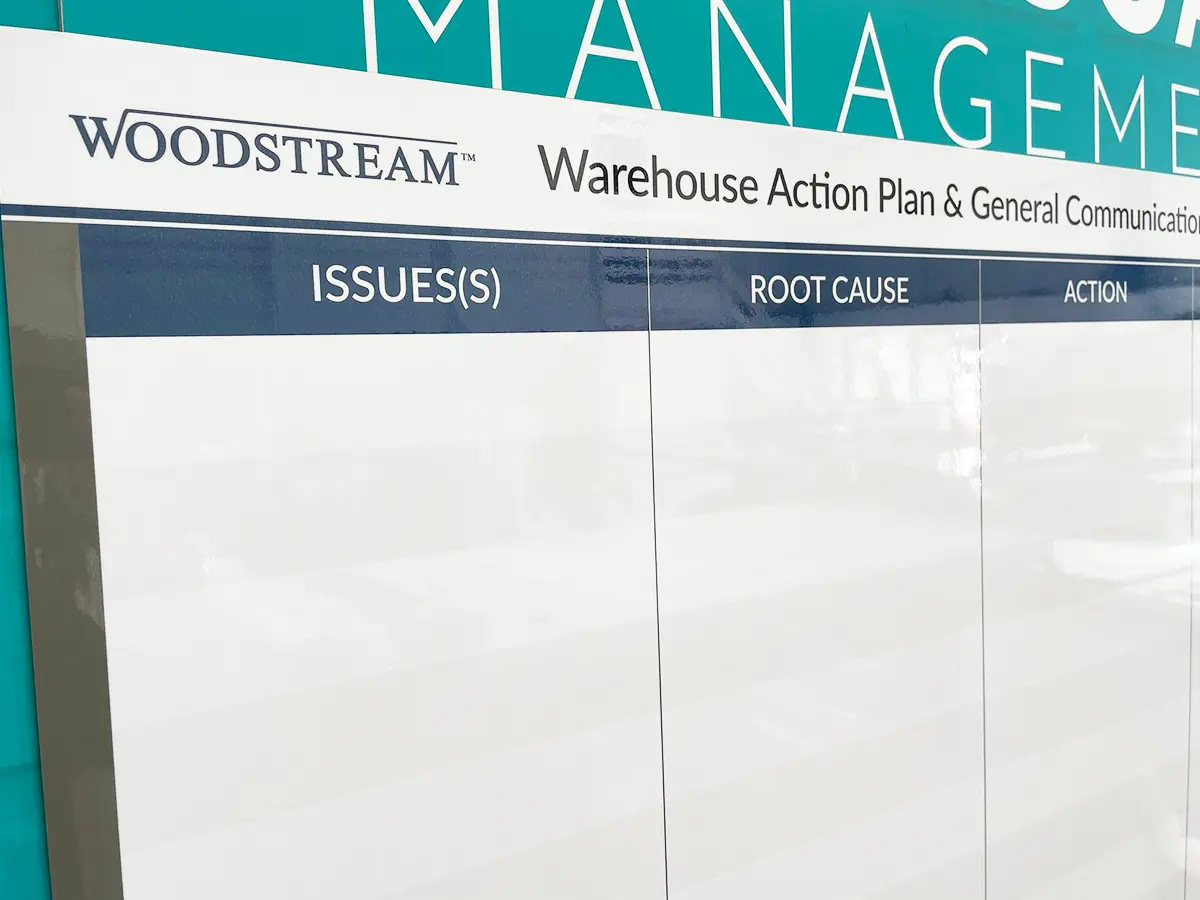
Highlights
- Safety & Emergency: Clear guidelines for emergency exits, fire safety, and first aid.
- Operational Efficiency: Detailed inventory management, production schedules, and equipment handling instructions.
- Regulatory Compliance & Quality: Information on OSHA, quality control metrics, and the 5S methodology.
Introduction
In the highly dynamic environment of garment warehouses, maintaining an organized, safe, and efficient workspace is essential. An important information board serves as the central hub of communication, offering quick access to operational guidelines, safety protocols, inventory data, and performance metrics. This detailed specimen presents a structured layout specifically designed for garment warehouses. It incorporates essential areas such as safety instructions, operational procedures, inventory and quality control, employee information, and regulatory compliance. The board is tailored not only to meet day-to-day operational needs but also to ensure that the warehouse complies with industry standards and regulations.
Core Sections of the Information Board
1. Safety and Emergency Procedures
The foundation of any successful warehouse is a stringent safety protocol. In a garment warehouse, the safety section of the board should provide a detailed outline of emergency procedures and essential safety equipment. This includes:
Emergency Exits and Evacuation
Clearly mark all emergency exits with illuminated signs. A floor plan should be displayed that shows all the traversal paths with designated assembly points. Detailed instructions on evacuation procedures, including guidance on the optimal paths to take during emergencies, are essential for ensuring quick and safe evacuations.
Fire Safety and First Aid
Highlight the locations of fire extinguishers, fire alarms, and other fire-fighting equipment. Include regular inspection dates to ensure equipment is up-to-date. The board should also indicate the location of the first aid kit and provide contact information for the on-site first aider.
Personal Protective Equipment (PPE)
List the obligatory PPE for each section of the warehouse, such as safety shoes, high-visibility vests, gloves, and helmets. Ensure that the board includes instructions on where to locate PPE stations, guidelines on proper use, and maintenance protocols to ensure the gear remains in excellent condition.
2. Operational Guidelines
The operational guidelines section is crucial for streamlining day-to-day workflow. In a garment warehouse, the board should clearly define procedures for receiving, handling, processing, and shipping materials.
Warehouse Layout and Navigation
A detailed map outlining the warehouse layout, including storage areas, packing stations, dispatch zones, and dock doors is crucial. Clear signage for aisles, rows, and sections enhances navigation and helps in quick material handling.
Inventory Management
This section should provide instructions for real-time inventory tracking. Incorporate guidelines to record incoming and outgoing stock, and use barcode or scanning systems for accuracy. Keeping track of fabric, accessories, and finished garments is essential to avoid production delays and ensure proper reordering.
Production Targets and Scheduling
Including daily, weekly, or monthly production targets helps employees stay aligned with set goals. This section might display the current production status, upcoming deadlines, and highlight any changes to shift patterns or operational procedures.
3. Quality Assurance and 5S Methodology
Efficiency and quality go hand in hand in a garment warehouse. A dedicated section for quality assurance is vital as it keeps a check on the defect rates, compliance percentages, and overall production quality.
Quality Control Metrics
Display key performance indicators (KPIs) such as defect rates, inspection schedules, and quality improvement targets. This feedback loop not only maintains high quality but also pinpoints areas requiring attention.
5S Methodology
Integrate the 5S system to foster a clean and orderly workspace. Each of the five steps of the methodology—Sort, Set in order, Shine, Standardize, and Sustain—should be actively demonstrated through checklists, visual aids, and current status indicators. This practice is fundamental for reducing waste and streamlining operations.
4. Equipment and Technology Integration
To support modern operational efficiency, it is important that the board incorporates relevant technological integrations and guidelines for equipment usage.
Equipment Usage and Safety Checks
Detail instructions for operating equipment like forklifts, pallet jacks, or specialized machinery used in the processing and movement of garments. Each piece of equipment should have an assigned checklist to confirm safety and operational readiness before use.
Digital Inventory and Barcode Systems
Outline procedures for using digital dashboards and barcode scanning systems for real-time inventory management. This information includes troubleshooting tips and contact details for technical support to resolve any digital or operational hiccups.
5. Employee Information and Communication
This segment focuses on fostering effective communication among employees and ensuring that all team members are informed and motivated throughout their shifts.
Contact Details and Supervisors
List the names and contact information of supervisors and key managers. This section helps employees quickly reach out for assistance, clarifications, or to report any unusual circumstances.
Training and Development
Announce schedules for mandatory training sessions, safety briefings, and skill advancement workshops. Emphasizing continuous development equips employees with the latest knowledge and skills needed to uphold industry standards.
Employee Recognition and Announcements
Motivate staff by including a dedicated area for employee recognition, acknowledging individual or team achievements. Regular updates on operational changes, safety bulletins, and other relevant notices can also be posted here. This improves the overall morale and engagement of the workforce.
6. Regulatory Compliance and Environmental Policies
Garment warehouses need to abide by not just internal efficiency metrics but also external regulatory standards. This ensures the facility remains compliant with occupational, environmental, and safety laws.
Legal and OSHA Compliance
Summarize relevant regulations from bodies like OSHA, with clearly marked guidelines that the warehouse must follow. Whether it’s regarding safe material handling, emergency responses, or equipment maintenance protocols, this information is critical.
Environmental Considerations
Outline the warehouse’s commitment to environmental sustainability. Information on recycling procedures, proper waste disposal, and energy conservation efforts should be prominently displayed to ensure that the facility adheres to green practices.
Detailed Layout Example
To help visualize how the information board might be structured, below is a sample table that outlines each section with corresponding details for ease of reference:
| Section | Details |
|---|---|
| Emergency Procedures |
|
| Operational Guidelines |
|
| 5S & Quality Control |
|
| Equipment and Technology |
|
| Employee Information |
|
| Regulatory & Environmental |
|
Implementing the Information Board
The success of an information board depends on its design, placement, and the frequency of updates. Below are key aspects that ensure its effectiveness:
Regular Updates and Maintenance
It is imperative that the information board is updated regularly to reflect any changes in operational processes, safety regulations, or production targets. Daily refreshes can be beneficial in high-traffic environments, particularly when seasonal variations or supply chain adjustments occur.
Digital Integration
Many modern warehouses integrate digital dashboards that update automatically and sync with enterprise software systems. This real-time display can reduce errors, streamline reporting processes, and provide employees with the most current data on inventory levels, production progress, and even incident reports.
Visibility and Accessibility
Position the information board in a central location easily accessible to all employees. High contrast graphics, clear fonts, and color-coded sections enhance readability and help staff quickly locate relevant information during busy periods or emergencies.
Aesthetic and Functional Design
The board should be designed with both aesthetics and functionality in mind. An uncluttered and intuitive layout that utilizes bold headings, bullet points, and diagrams can significantly improve understanding and compliance. Visual aids such as icons and color codes (for example, red for high-risk alerts, amber for caution, and green for standard operations) serve not only for easy recognition but also for reinforcing operational practices.
Additional Considerations
Beyond the major sections outlined, there are several nuances that can further enhance the function and reach of the board:
Seasonal and Special Notices
Garment warehouses often experience seasonal shifts which require adjustments in inventory, staffing, and production targets. A section dedicated to special notices can cover topics such as:
- Upcoming changes in supplier schedules or fabric arrivals.
- Adjustments for seasonal production peaks or slowdowns.
- Special instructions during audits or regulatory inspections.
Feedback and Continuous Improvement
Embedding a suggestion mechanism (for example, a physical or digital suggestion box) encourages staff to offer feedback or report issues. This user-oriented approach facilitates continuous improvement and allows the management team to address potential risks before they escalate.
Performance Reflection
Monitoring performance metrics and employee feedback can help to align operational effectiveness with long-term goals. Regularly reviewing the KPIs posted on the board will enable managers to identify trends and implement timely corrective measures.
Practical Implementation Example
Imagine a typical day in the warehouse: the board displays a clear floor plan of emergency exits at the top, followed by the day’s priorities in production and inventory management, updated in real-time via digital interplay. Team leaders hold brief daily meetings informed by the instant data available on the board. Simultaneously, a section on the board reiterates safety measures and provides immediate instructions in case of accidents, thereby creating a seamless flow of information. Such integration not only ensures that every individual is equipped with the latest directives but also significantly minimizes the scope of errors or miscommunication.
Conclusion
An important information board in a garment warehouse is pivotal for maintaining safety, operational efficiency, and continuous improvement. By strategically combining sections covering emergency protocols, inventory management, quality assurance, and employee communication, the board becomes a powerful tool to streamline complex warehouse operations. Integrating real-time digital systems and periodic updates ensures that the board remains a reliable point of reference. In essence, this specimen not only supports productive warehouse activities but also fortifies the organizational culture by fostering clear communication, adherence to best practices, and compliance with regulatory standards.
References
- Modulean 5S Information Board - CSI Products
- Visual Management for Warehouse - My Visual Management
-
Display Visual Communication - Orgatex UK
Recommended Queries for Further Exploration
Last updated February 20, 2025