
Miniature Wargaming: Rules and Gameplay Systems
An in-depth exploration of what wargamers love and loathe in their game systems
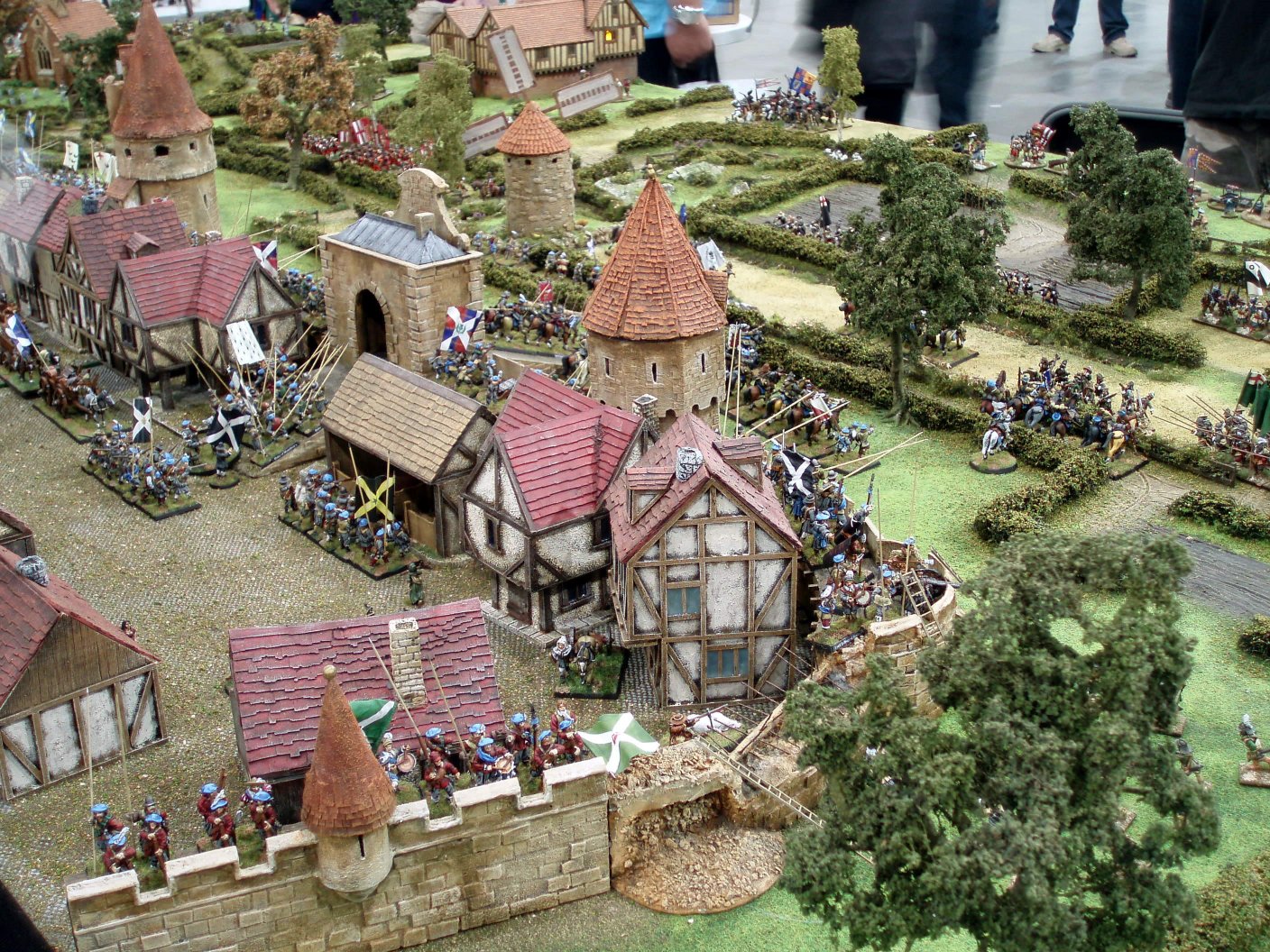
Highlights
- Simplicity with Depth: Players favor accessible yet tactically engaging systems.
- Dynamic Activation: Unique unit activation mechanics and variable turn orders stand out.
- Complexity vs. Overload: Balance between intricate strategy and overly complex rules is crucial.
Favorite Rules and Gameplay Systems
Miniature wargamers, including the passionate community surrounding games like Warhammer 40K, thrive on systems that blend accessibility with strategic depth. A significant preference exists for games that are easy for beginners to grasp yet rich enough in tactical options to sustain veteran interest. This duality in design encourages a broad portfolio of players, ranging from casual hobbyists to competitive gamers.
Skirmish and Tactical Games
One of the most beloved categories among miniature wargamers is the skirmish game. Titles like Kill Team, Infinity, Trench Crusade, and Battletech are popular due to their focus on smaller-scale, more dynamic engagements. These games typically require fewer miniatures and less elaborate painting, which appeals to players who enjoy a quicker setup while still being immersed in tactical gameplay. The fast-paced nature of skirmish games means that each decision can have a significant impact on the unfolding battle, creating an engaging and constantly evolving experience.
Key Elements of Skirmish Systems
Players appreciate rulesets that provide a balance between simulation and fun. Rather than overwhelming players with multiple dice rolls or endless modifiers, these games often feature streamlined mechanics that keep gameplay moving briskly. A central aspect of many favored systems is the focus on unit-level tactical decisions, where each miniature’s move or action can change the tide of battle. Moreover, the design of these systems encourages players to make strategic decisions on how to activate units, often employing innovative activation mechanics that break away from traditional “I go, you go” methods.
Dynamic Activation Mechanisms
Traditional turn-based systems, where one player completes all of their actions before the opponent responds, have largely given way to more dynamic approaches in modern miniature wargaming. Systems that implement alternating activations or variable turn orders are widely appreciated. In these systems, players take turns activating individual units, which creates a more interactive and immediate form of engagement. This method not only enhances the tactical depth—allowing for counter-strategies in real time—but also minimizes downtime, ensuring that all players remain involved throughout the game.
Variable Turn Orders and Initiative
Some systems introduce variability by determining turn order through random initiative rolls or other dynamic selection processes. This unpredictability adds an extra layer of tension and excitement to each match. Games like Infinity are often highlighted for their multi-activation rules that keep players alert and constantly adapting to the evolving battlefield. Such mechanics are also designed to level the playing field, as they prevent any single player from having prolonged control that could lead to unbalanced or less interactive gameplay.
Realism and Tactical Flexibility
While a hallmark of many miniature wargames remains their realistic portrayal of conflict, there is a fine balance between realism and playability. Many enthusiasts appreciate rules that imbue a sense of authenticity—such as accurate representations of battlefield chaos and realistic combat outcomes—without resorting to overcomplication. Systems are favored when they incorporate elements of realism in a way that influences strategy and decision-making.
Simplified but Convincing Mechanics
For instance, rules that allow for narrative-driven campaigns can significantly enhance immersion, offering a persistent storyline where the survival of one's troops and the progress of a campaign matter. This not only encourages strategic planning but also deepens the overall experience. Games like Flames of War are cited as examples wherein the chaotic yet realistic portrayal of warfare effectively simulates high-tension scenarios without bogging down the gameplay with excessive detail.
Least Favorite Rules and Gameplay Systems
Despite the enthusiasm for intricate and engaging systems, there are several common criticisms shared among the wargaming community. Many players have voiced their dissatisfaction with particular aspects of systems that tend to overcomplicate the gaming experience or rely excessively on random elements.
Overly Complex and Slow-Moving Systems
Complexity becomes a point of contention when game systems are bogged down by a multitude of modifiers, intricate conditions, and excessively lengthy rulebooks. While complexity can be a draw for those who enjoy deep strategic planning, it often turns new players away and can lead to long, drawn-out matches for existing hobbyists. The frustration of having to navigate convoluted rule layers and interpret extensive source material detracts from the enjoyment of the actual gameplay.
Examples of Overcomplexity
Games driven by hyper-realistic simulation may include detailed statistical models that result in slow-paced and cumbersome gameplay. For example, some iterations of Warhammer 40K have been criticized for rules that, instead of enhancing the realism of combat, lead to outcomes that seem highly unrealistic—such as units surviving attacks that should be lethal. This imbalance between simulation and enjoyable play represents a major pitfall for systems that focus too heavily on mimicking the chaos of war without adequate playability.
Alternating Unit Activations in Traditional Set-Ups
Although dynamic activation systems are generally appreciated, the traditional "I Go, You Go" mechanism has its detractors. This system, where one player completes all actions before the opponent gets a turn, can often result in one player experiencing long periods of inactivity. Such lulls in engagement may lead to a less dynamic and more predictable game, where tactical depth is sacrificed for routine, turn-based actions.
Issues with Static Turn Structures
Static turn structures can encourage what some refer to as "slugging matches," where combat devolves into a series of repetitive moves without the interactive adjustment that real-time decision-making brings. The resultant gameplay often leads to what players describe as “analysis paralysis,” where overthinking and prolonged strategic planning slow down the game's pace and reduce overall enjoyment.
Over-reliance on Randomness and Dice Mechanics
Dice are an integral part of many miniature wargames, yet an over-reliance on randomness can disrupt the balance between strategy and chance. While it is understood that randomness can add excitement and unpredictability, excessive dependence on dice rolls may undermine strategic planning. This results in outcomes that appear arbitrary, reducing the perceived skill element and causing dissatisfaction among players who prefer that tactical decisions play a decisive role in the match.
Balancing Randomness and Strategy
In systems where too many factors are left to chance, the fatigue of successive random outcomes can become a major deterrent. This is particularly noticeable in games where a low-probability event, such as an unlikely successful hit or damage mitigation, disproportionately influences the result of a conflict. Players credit more balanced systems that provide a fair mix of chance and strategy, ultimately ensuring that a well-thought-out plan can still triumph despite inherent randomness.
Comparison Table: Favorite vs. Least Favorite Aspects
| Aspect | Favorite Systems | Least Favorite Aspects |
|---|---|---|
| Activation Mechanics | Dynamic, alternating, and variable turn orders (e.g., Infinity, Kill Team) | Traditional “I Go, You Go” systems leading to inactivity (e.g., older 40K versions) |
| Complexity | Simple yet tactically deep rules that are accessible | Overly complex rules with numerous modifiers and convoluted mechanics |
| Realism | Realistic elements that enhance strategy and campaign narratives (e.g., Flames of War) | Overly realistic simulations that produce implausible outcomes |
| Use of Randomness | A balanced approach where dice add excitement without overwhelming strategy | Excessive reliance on dice and randomness that can undermine tactical skill |
| Engagement | Systems that promote continual interaction and engaging decision-making | Static and drawn-out turn structures contributing to “analysis paralysis” |
Other Noteworthy Systems and Alternatives
Beyond mainstream titles like Warhammer 40K, several alternative systems have emerged that cater to different aspects of gameplay preferences. For players who find mainstream systems either too complex or too simplistic, several alternatives offer a refreshing change.
One Page Rules (OPR) and FUBAR
Some enthusiasts have experimented with One Page Rules systems, designed to encapsulate the excitement of miniature wargaming in a condensed rule set. Games with One Page Rules focus on providing an efficient gameplay experience, reducing the barrier of entry that can come with heavily rule-laden systems. FUBAR is another example often mentioned for its simplicity; it appeals to players who enjoy strategic considerations without wading through cumbersome regulations. These systems illustrate that sometimes less is indeed more, enabling creativity while keeping the game accessible.
Campaign and Scenario-Based Systems
A notable trend among wargamers is the incorporation of campaign systems that allow players to experience an evolving narrative over multiple battles. Such systems emphasize continuity and long-term strategic planning, making each individual skirmish part of a larger, unfolding saga. These campaigns often incorporate persistent elements—such as troop survivability, injury effects, and evolving objectives—that enhance immersion and encourage a deeper engagement with the gaming community. The blend of tactical warfare and storytelling is a feature that resonates particularly well with hobbyists looking for more than a single battle outcome.
References
- Best Miniatures Skirmish Games 2025 - Polygon
- Miniature Wargame Reviews - Reddit
- Osprey Games Miniature Wargames 2025 - Beasts of War
- The Rise of Non-Warhammer Wargames - The Gamer
- Grid Based Wargaming: Rule Explorations - Grid Based Wargaming
Recommended Related Queries
 gridbasedwargaming.blogspot.com
Last updated March 8, 2025