

- Chlorophyll as a Vital Indicator: Chlorophyll a and b are crucial pigments in submerged aquatic plants, serving as key indicators of their photosynthetic activity and overall health within aquatic ecosystems.
- Temperature's Complex Role: While warming can generally stimulate aquatic plant growth and increase chlorophyll content in some species, excessive temperatures or rapid changes can also induce stress, leading to decreased chlorophyll levels and even species shifts.
- Dissolved Organic Carbon (DOC) — A Double-Edged Sword: DOC inputs can indirectly affect chlorophyll content by influencing water clarity (browning), light penetration, and nutrient availability, creating a complex interplay that can either support or hinder plant photosynthesis.
Submerged aquatic plants, vital components of freshwater and marine ecosystems, play a critical role in maintaining water quality, providing habitat, and forming the base of many aquatic food webs. Their health and productivity are intimately linked to environmental factors, among which water temperature and dissolved organic carbon (DOC) inputs are increasingly recognized as significant drivers. Understanding how these factors influence chlorophyll content—specifically chlorophyll a (Chl.a) and chlorophyll b (Chl.b)—is essential for predicting the resilience and shifts in aquatic plant communities under a changing climate.
What are Chlorophyll a and b, and Why Do They Matter?
Chlorophyll, the pigment that gives plants their green color, is fundamental to photosynthesis, the process by which plants convert light energy into chemical energy. In aquatic environments, chlorophyll a is the predominant type found in algae and cyanobacteria, and its concentration often serves as a proxy for phytoplankton biomass and overall lake productivity, indicating the trophic status of a waterbody (oligotrophic, mesotrophic, eutrophic, or hypereutrophic) (EPA, DataStream). Chlorophyll b, while less abundant, is mainly found in land plants, aquatic plants, and green algae, working in conjunction with chlorophyll a to capture a broader spectrum of light for photosynthesis (Fondriest Environmental).
Measuring chlorophyll a in water samples helps scientists gauge the concentration of suspended phytoplankton, a key indicator of ecosystem health (YSI). High chlorophyll a levels can signal an algal bloom, which can lead to reduced water clarity, depleted dissolved oxygen, and harm to aquatic life, impacting the overall ecological balance (Phillips Wharf Environmental Center, DataStream).
More Than Just Carbon: Light, Nutrients, and Browning
Dissolved organic carbon (DOC) refers to organic matter dissolved in water, originating from terrestrial runoff or the decomposition of aquatic organisms. Increased DOC concentrations in aquatic ecosystems, often termed "brownification," can significantly impact submerged aquatic plants by reducing light penetration into the water column (Scialert, Frontiers in Environmental Science). Since light is essential for photosynthesis, diminished light availability can directly limit chlorophyll production and overall plant growth.
DOC and Nutrient Dynamics
DOC also interacts with nutrient availability. While organic matter decomposition can release nutrients like nitrogen and phosphorus, which are crucial for phytoplankton growth and photosynthesis, high DOC levels can sometimes create conditions that inhibit plant growth, particularly when combined with nutrient loading in the water column (BioMed Central, PMC). This complex interplay means that the impact of DOC on chlorophyll content can vary widely depending on specific environmental conditions and the type of DOC present.
Indirect Effects of DOC on Chlorophyll
The "browning" of water due to increased DOC can favor certain invasive plant species, such as Elodea canadensis, which exhibit higher relative growth rates in brown water (Scialert). This suggests that changes in DOC levels can indirectly drive shifts in plant communities, subsequently affecting the overall chlorophyll dynamics of an ecosystem.
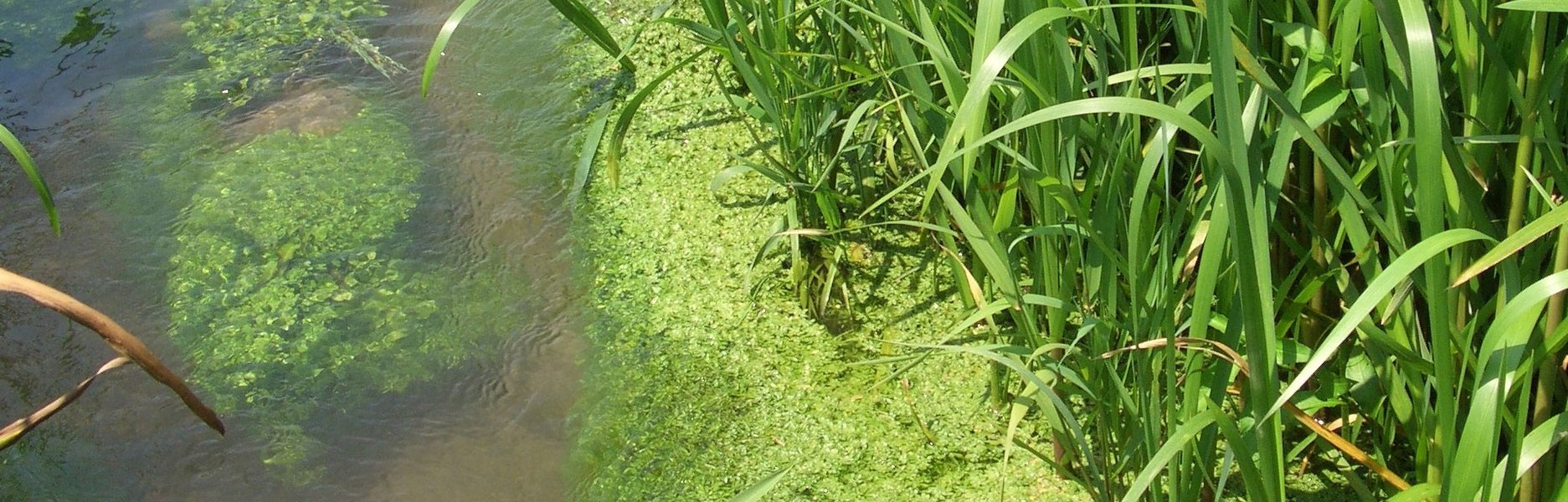
An example of algal growth in water, highlighting the visual impact of high chlorophyll concentrations.
A Complex Web of Environmental Drivers
The combined effects of warming and DOC inputs on submerged aquatic plant chlorophyll content are intricate and often synergistic. Climate change not only leads to warmer temperatures but also causes more frequent extreme weather events, such as heavy precipitation and droughts. These events can alter hydrological conditions, increasing terrestrial organic matter input and elevating DOC levels in aquatic ecosystems (Frontiers in Environmental Science).
Light Limitation and Nutrient Availability
In a warmer, DOC-rich environment, submerged plants may face a double challenge: increased metabolic demands due to higher temperatures and reduced light availability due to water browning. This can lead to a decrease in chlorophyll content as plants struggle to photosynthesize effectively. However, the decomposition of organic matter associated with DOC can also release nutrients, potentially offsetting some of the negative impacts of light limitation, creating a delicate balance.
The interaction between warming and nutrient enrichment can also significantly influence aquatic plant growth and stoichiometry, impacting nutrient cycling in aquatic ecosystems (PMC). Understanding these complex interactions is crucial for predicting future changes in freshwater ecosystems.
This mindmap illustrates the interconnectedness of warming temperatures, dissolved organic carbon (DOC) inputs, and their combined effects on chlorophyll content in submerged aquatic plants. It highlights how these environmental factors influence various aspects of plant physiology and ecosystem dynamics.
The Importance of Accurate Assessment
Accurate measurement of chlorophyll a and b is critical for assessing the health and productivity of aquatic ecosystems. Chlorophyll levels are used to classify the trophic state of water bodies and to determine biological condition (EPA). Various methods, including in-situ sensors and laboratory analysis of water samples, are employed to monitor chlorophyll concentrations (In-Situ). These measurements provide invaluable data for understanding the impact of environmental changes on aquatic plant communities.
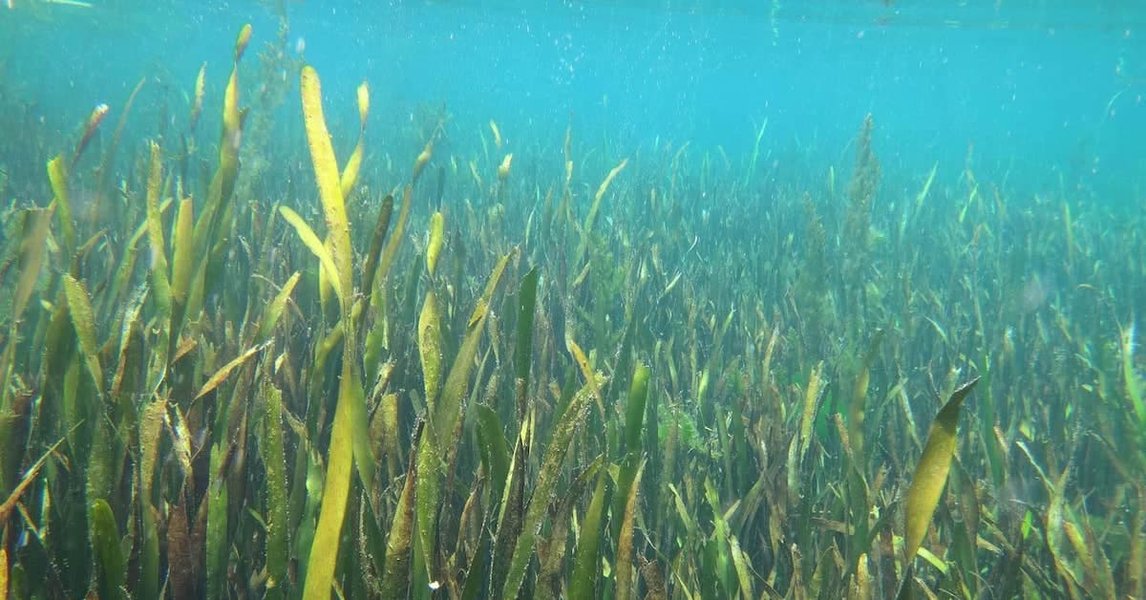
A diverse array of common submerged aquatic plants, showcasing the variety of flora found in underwater environments.
Environmental Impact Summary Table
The table below summarizes the individual and interactive effects of warming and DOC on submerged aquatic plants, particularly focusing on their chlorophyll content and broader ecological implications.
| Factor | Direct Impact on Chlorophyll | Indirect Ecological Impact | Interaction with Other Factors |
|---|---|---|---|
| Warming Temperatures (Moderate) | Generally increases chlorophyll content due to enhanced metabolic rates and photosynthetic activity. | Accelerates plant growth; supports species adapted to warmer climates. | Can synergize with nutrient enrichment to boost growth; less impact on palatability for some species. |
| Warming Temperatures (Extreme) | Decreases chlorophyll content due to heat stress and reduced photosynthetic efficiency. | Inhibits growth of sensitive species; favors invasive species; can lead to increased greenhouse gas emissions. | Exacerbates light limitation caused by DOC; can reduce plant palatability for some species. |
| Dissolved Organic Carbon (DOC) | Decreases chlorophyll content due to reduced light penetration (browning). | Alters water clarity and light availability; can influence nutrient cycling and favor certain plant communities. | Combined with warming, can intensify light stress; complex interactions with nutrient availability (release vs. inhibition). |
| Combined Warming & DOC | Complex and variable; potential for significant decrease due to compounded stress from reduced light and metabolic demand, or slight increase if nutrient release from DOC decomposition is dominant. | Significant shifts in aquatic plant community structure; potential for increased algal blooms and eutrophication; altered ecosystem services. | Synergistic effects often lead to pronounced changes; outcomes depend on the magnitude of warming, DOC concentration, and species-specific responses. |
Frequently Asked Questions
What is chlorophyll and why is it important in aquatic plants?
How does warming water affect chlorophyll content in submerged aquatic plants?
What is dissolved organic carbon (DOC) and how does it influence aquatic plants?
Do all submerged aquatic plant species respond similarly to warming and DOC?
How is chlorophyll measured in aquatic environments?
Conclusion
The chlorophyll content in submerged aquatic plants is a dynamic indicator influenced by a complex interplay of environmental factors, most notably warming temperatures and dissolved organic carbon inputs. While moderate warming can generally enhance chlorophyll production and plant growth, extreme heat and increased DOC levels (leading to water browning and altered nutrient dynamics) often pose significant challenges, potentially reducing chlorophyll content and shifting plant community compositions. Understanding these intricate relationships is paramount for predicting the future health and resilience of aquatic ecosystems in the face of ongoing climate change and anthropogenic impacts. Continued monitoring and research are essential to develop effective strategies for managing and protecting these vital underwater habitats.
Recommended Further Reading
- Explore the comprehensive impacts of eutrophication on aquatic plant communities.
- Delve into the mechanisms by which light attenuation affects underwater photosynthesis.
- Investigate the various adaptation strategies aquatic plants employ against climate change.
- Learn more about the critical role of chlorophyll in assessing and monitoring water quality.