
Wasanu Dido - The Pioneering Oromo Artist
A deep insight into the life and legacy of a cultural icon
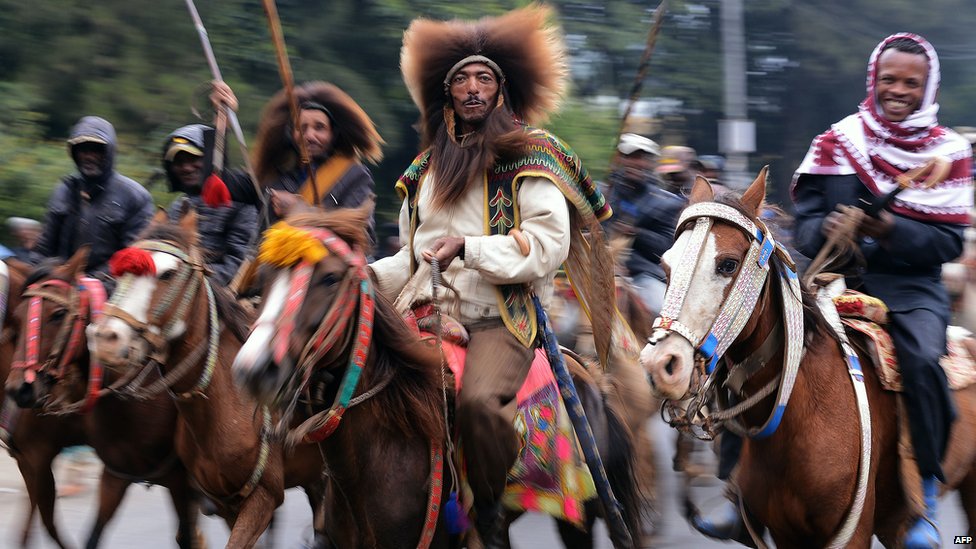
Key Highlights of Wasanu Dido's Legacy
- Legendary Pioneer: One of the first recorded Oromo performing artists whose music established a lasting cultural legacy.
- Cultural Influence: His melancholic tunes and thematic storytelling reflect historical challenges and the resilience of the Oromo people.
- Impact on Oromo Identity: His music resonates through generations, influencing both traditional and modern interpretations of Oromo identity.
Biographical Overview
Wasanu Dido is widely recognized as a legendary Oromo artist whose work has left an indelible mark on the cultural heritage of the Oromo community. Known for being among the first Oromo performing artists to have his music recorded over 50 years ago, Wasanu Dido not only pioneered recorded Oromo music but also set a foundation for subsequent generations of artists. His contributions have carved a niche for him in the rich tapestry of Oromo cultural expression.
Although detailed biographical records and exact dates may be sparse, the consensus among various sources is that Wasanu Dido emerged during a time of significant social and political upheaval. His recordings, characterized by melancholic tunes that echo historical and emotional narratives, resonated deeply with an audience that had long felt marginalized. Through his music, he communicated the struggles, hopes, and enduring spirit of the Oromo people, making him a symbol of cultural pride and resistance.
Musical Contributions and Themes
Pioneering Recordings
One of the most remarkable aspects of Wasanu Dido’s career is his status as one of the first Oromo artists to record his music. This feat was not merely a technical achievement but also a cultural milestone. His recordings served as a blueprint for the modern Oromo music industry, paving the way for future artists in an era when audio recording was scarce and precious. These early recordings have since become timeless artifacts, capturing the essence of Oromo history and sentiment.
Reflecting on Historical Themes
Wasanu Dido’s compositions are often imbued with a sense of melancholy that reflects on the historical adversities experienced by the Oromo people. Many of his songs touch upon themes such as displacement, dispossession, and the social injustices that were part of the feudal history under regimes like that of Emperor Haile Selassie. His music provided commentary on these issues at a time when such topics were rarely discussed openly in the public sphere.
For instance, through motifs found in traditional lyrics and modern interpretations, his work not only mourned the loss of historical identity and homeland but also celebrated the enduring spirit of resilience. His song “Maasaan Gamaa,” among others, even inspired later artists such as Haacaaluu Hundeessaa, who reinterpreted it to highlight ongoing societal challenges. This intergenerational dialogue underscores the timeless relevance of Wasanu Dido’s work.
Themes of Gratitude and Family
Beyond historical themes, Wasanu Dido’s work also embraced personal and communal facets of life. He often wove narratives about gratitude, familial bonds, and communal solidarity into his music. These themes provided a counterbalance to the melancholic tones, offering hope and a sense of belonging to his listeners. By merging personal sentiment with broader sociopolitical commentary, he managed to capture the multifaceted experiences of the Oromo people.
His lyrical compositions often include proverbs and traditional sayings that are part of the oral history of the Oromo culture. One notable example is the expression “Maasan Gama lafa hinbaatu, Talbaa facaafata taatti, Tokko qotee tokko hinyaatu, Walgagalaafata taatti,” which encapsulates shared values and collective identity. Although such phrases might appear fragmented to an outsider, they are laden with cultural significance and serve as mnemonic devices preserving historical wisdom.
Cultural and Social Impact
Catalyst for Oromo Music Revival
Wasanu Dido is more than just an artist; he is a cultural beacon. His work has not only enriched the Oromo musical landscape but also played a pivotal role in the promotion of the Afaan Oromoo language. In regions where cultural and linguistic identity have historically been marginalized, his music has functioned as both a source of pride and a rallying point for cultural resurgence.
Artists like Wasanu Dido laid the groundwork for a significant revival of traditional music and helped inspire a contemporary wave of musicians who continue to build on his legacy. This influence extends beyond the realm of entertainment into areas of social activism and cultural preservation, where music meets politics and identity.
A Voice of Resistance and Expression
During periods when the Oromo community faced systemic marginalization and cultural suppression, Wasanu Dido’s music provided a platform for voice and expression. His work is sometimes seen as an act of cultural resistance—an effort to preserve and promote the identity of a people through the immortality of song.
The emotional depth and historical context of his music transformed it into a medium of storytelling and memory, connecting listeners with both the struggles of their ancestors and the aspirations of future generations. In many ways, his compositions serve as a living archive of the Oromo experience.
Legacy and Continuing Relevance
Intergenerational Influence
The music of Wasanu Dido continues to inspire new generations. Contemporary artists not only cover his songs but also reference his work and integrate its stylistic elements into modern productions. By doing so, they ensure that his legacy endures and evolves, adapting to the changing musical landscape while staying true to its roots.
His influence can be seen in various modern adaptations and reinterpretations across the Oromo music scene, where traditional elements are interwoven with new sounds and digital technology. Such adaptations are vital for keeping the cultural narrative alive and ensuring that the historical and emotional dimensions of his work remain accessible to a diverse audience.
Recording Milestone and Historical Preservation
The fact that Wasanu Dido was one of the first Oromo artists to have his music recorded is of tremendous historical significance. His recordings serve as an enduring archive, preserving not only his voice and artistry but also snapshots of a pivotal cultural moment in Oromo history. Many cultural historians and musicologists view these early recordings as invaluable treasures that encapsulate the spirit of the time.
Moreover, these recordings have become instrumental in academic and cultural studies, where they are analyzed to understand the evolution of Oromo music and its impact on wider socio-cultural dynamics. They continue to play a crucial role in curricula and cultural exhibits, ensuring that future generations have tangible links to their rich musical heritage.
Detailed Overview Table
| Aspect | Details |
|---|---|
| Artist Name | Wasanu Dido |
| Cultural Background | Oromo |
| Historical Significance | Among the first Oromo artists to have his music recorded, over 50 years ago. |
| Thematic Content | Melancholic tunes, historical reflection, social injustices, and communal solidarity. |
| Influence on Modern Music | Pioneered themes and recording techniques that influenced a resurgence in Oromo music. |
| Cultural Impact | Strengthened Oromo identity, promoted the Afaan Oromoo language, and provided a voice for resistance. |
| Prominent Works | Notable songs include adaptations of “Maasaan Gamaa” and other traditional pieces. |
In-Depth Analysis of Wasanu Dido's Contributions
Musical Prowess and Recordings
The story of Wasanu Dido is one of technological and artistic pioneering. When he began recording his music, the medium of recorded sound was not as accessible, especially for underrepresented communities. Despite these challenges, his recordings broke new ground. They provided a permanent auditory impression of not just his voice, but of the traditional beats, instruments, and harmonic structures that are characteristic of Oromo music.
These recordings are preserved as historical documents that showcase the innovative methods used to capture and replay cultural music. The technological innovation underpinning these early recording endeavors recalls a time of significant limitation in terms of access and distribution, yet the quality and enduring appeal of his music stand testament to the timeless nature of his artistic vision.
Cultural Storytelling and Social Commentary
Wasanu Dido’s music cannot be confined to the realm of entertainment alone; it serves as a comprehensive narrative of the Oromo experience. His songs often act as a form of storytelling that preserves historical memories, challenges social injustices, and documents the struggles of his people. Through metaphor and lyricism, his compositions articulate a range of emotions from grief to hope.
The use of allegory and traditional proverb in his lyrics reinforces the idea that music is an oral history—a repository for collective memory. The layered meanings in his songs invite listeners to reflect on past traumas while maintaining an eye toward a hopeful future. His works have thus become a subject of study in cultural preservation circles, where scholars analyze his lyrical themes and musical arrangements as key components of Oromo heritage.
Influence on Contemporary Cultural Practices
The cultural impact of Wasanu Dido’s legacy extends into contemporary Oromo society. In addition to influencing other musicians directly, his artistic contributions have encouraged a wider cultural renaissance. This revival of interest in Oromo music has led to festivals, academic discussions, and community events celebrating the language and traditions that his work embodies.
Many contemporary events and artistic gatherings now feature reinterpretations of Wasanu Dido’s songs, ensuring that his legacy lives on. His influence is seen not only in the preservation of traditional sounds but also in the creative fusion of these sounds with modern music styles. This blend of old and new has generated renewed interest in cultural identity, reaffirming the importance of heritage in the face of modernization.
Preservation and Scholarly Interest
Archival Significance
The archival recordings of Wasanu Dido are considered treasure troves for researchers and cultural historians. They offer a rare glimpse into the musical techniques, instrumentation, and vocal styles of an earlier era. As such, these recordings are often cited in studies exploring the evolution of African music, as well as the specific dynamics of Oromo cultural expression.
Institutions and cultural centers have taken significant interest in preserving and digitalizing these recordings, ensuring that future generations can continue to access and learn from them. The integration of these vintage recordings into modern educational databases has further solidified Wasanu Dido’s position as a keystone in the cultural and historical narrative of the Oromo people.
Interviews and Testimonies
Over the years, numerous artists, historians, and community elders have spoken about the transformative impact of Wasanu Dido’s work. Their testimonials provide a mosaic of insights, highlighting both the technical brilliance and the emotional depth of his music. These oral histories have enriched the understanding of his work, drawing direct lines between his pioneering contributions and the contemporary evolution of Oromo music.
Many of these discussions stress how his art not only entertained but also educated audiences about their own history and cultural identity. His music continues to be celebrated as a bridge between generations, informing the evolving narrative of a resilient community.
References
- Remembering Haacaaluu Hundeessaa: A Courageous Artist and Cultural Icon - Awash Post
- Gootafi Artisti Oromo Wasanuu Dido - Faanaarti
- Wasanu Damisee Shoora Waan Ofii Official Video - Clip Africa
-
Simboo by Wasenu Damise - Popnable
-
Wasanu Dido on Oromomusic - Oromomusic
Recommended Further Queries
Last updated March 17, 2025