
Wastewater Treatment Overview
Understanding the critical processes that ensure water safety and environmental protection
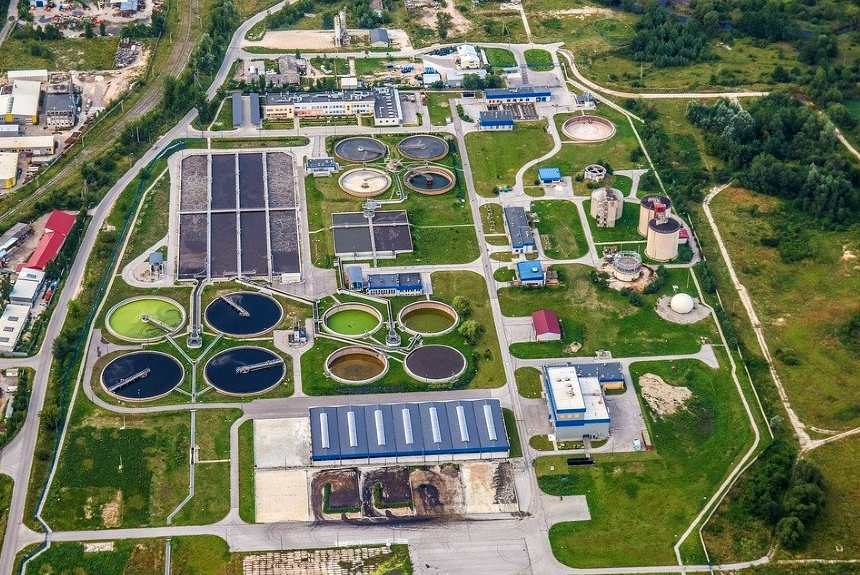
Key Highlights
- Multi-Stage Process: Wastewater treatment is generally divided into primary, secondary, and tertiary stages, each addressing specific contaminants.
- Emerging Innovations: New technologies are continuously being integrated to improve efficiency, sustainability, and resource recovery.
- Environmental and Economic Benefits: Effective treatment not only protects public health but also conserves water resources and supports economic activities.
Introduction
Wastewater treatment plays an indispensable role in modern society by removing contaminants from sewage and industrial wastewater. This ensures that the treated water is safe for discharge into the environment, recycled for reuse, or further processed for specific industrial applications. With increasing pressures on water resources and the need for stringent environmental standards, efficient wastewater treatment processes are crucial for public health, ecosystem integrity, and economic stability.
Stages of Wastewater Treatment
The process of treating wastewater is typically segmented into three primary stages—primary, secondary, and tertiary. Each stage employs specific methods and technologies designed to remove different types of pollutants and contaminants. The emerging technologies in recent years have further enhanced these conventional processes.
Primary Treatment
Purpose and Scope
The primary treatment stage focuses on the physical removal of large solids, suspended particles, and settleable organic and inorganic materials from the wastewater. It is the first step in the treatment process and is essential for reducing the overall load of pollutants that must be processed in subsequent stages. This stage typically addresses the removal of items that could damage equipment or interfere with biological processes later on.
Technologies and Processes
Primary treatment employs several mechanical and physical processes, including:
- Screening: Coarse screens or bar racks are used to remove large debris such as rags, plastic, and other bulky materials.
- Grit Removal: This process separates sand, gravel, and other inorganic particles that can contribute to wear on machinery.
- Sedimentation: In sedimentation tanks or clarifiers, wastewater is held static so that heavy particles settle at the bottom, forming a sludge that can later be removed. Floating oils and greases are skimmed off the surface.
- Rotating Belt Filters and Lamella Separators: These are sometimes employed to further enhance the removal of suspended solids and improve efficiency during the primary phase.
Although primary treatment alone typically removes about 50-70% of the suspended solids, it primarily sets the stage for the more advanced processes that follow.
Secondary Treatment
Purpose and Biological Processes
Secondary treatment is key to eliminating most of the dissolved and suspended organic contaminants that remain after primary treatment. This stage leverages biological processes to break down pollutants and convert them into less harmful compounds. The core concept is to use microorganisms to digest the organic matter, reducing the biochemical oxygen demand (BOD) and total suspended solids (TSS) in the wastewater.
Core Technologies and Methods
Common methodologies in secondary treatment include:
- Activated Sludge Process: In this widely used technique, wastewater is mixed with a microbial suspension in aeration tanks. Here, microorganisms metabolize organic materials, converting them into carbon dioxide, water, and microbial biomass (or sludge) that subsequently settles out.
- Trickling Filters and Bio-Towers: These systems pass wastewater over a bed of rocks or specialized media that have biofilms of microorganisms attached. The biofilm processes the organic matter as water flows over it.
- Oxidation Ponds and Aeration Tanks: These are used for extended aeration, providing a controlled environment for microbial activity that enhances the breakdown of organic matter.
The secondary treatment method is highly effective, often reducing organic pollutants by approximately 85%. This process not only cleans the water but also forms the basis for further advanced treatment in the tertiary stage.
Tertiary Treatment
Purpose and Advanced Purification
Tertiary treatment, the final stage of wastewater processing, is intended to further polish the effluent by removing residual contaminants, including pathogens, nutrients, and micropollutants. In many cases, this stage is essential for meeting stringent regulatory discharge standards or for applications where high-quality reclaimed water is necessary.
Techniques and Technologies
Tertiary treatment involves a number of advanced techniques, often customized based on the desired quality of the output water:
- Filtration: This method utilizes sand filters, membrane filtration, and other media to physically remove any remaining suspended and particulate matter.
- Disinfection: Chemical disinfectants (such as chlorine and ozone) or physical methods (such as ultraviolet light) are applied to eliminate pathogenic microorganisms. This ensures the water meets safety standards for reuse or discharge.
- Nutrient Removal: Advanced processes like denitrification and phosphorus removal are employed to reduce nitrogen and phosphorus levels which, if left unchecked, can contribute to harmful algal blooms and eutrophication in receiving bodies of water.
- Additional Chemical and Physical Treatments: Depending on local regulations and water reuse requirements, additional methods such as adsorption on activated carbon or advanced oxidation processes (AOPs) may be used to tackle micropollutants and residual contaminants.
Through these technologies, tertiary treatment ensures that the effluent is of sufficient quality to protect both the environment and human health.
Emerging Technologies in Wastewater Treatment
The field of wastewater treatment continues to innovate with emerging technologies that seek to enhance both efficiency and sustainability. These advancements reflect a broader trend towards resource recovery and energy efficiency, as treatment plants aim to become net producers of renewable energy and valuable by-products.
Membrane Bioreactors (MBRs)
Integration of Biological and Physical Processes
Membrane bioreactors represent a significant development in secondary treatment. By integrating conventional activated sludge processes with membrane filtration, MBRs can produce high-quality effluent in a more compact space. The membranes provide an effective barrier that retains biomass, ensuring that even small suspended particles or dissolved contaminants remain within the reactor.
Anaerobic Membrane Bioreactors (AnMBRs)
Simultaneous Treatment and Energy Recovery
AnMBRs extend the principle of MBRs by operating under anaerobic conditions. In this configuration, microorganisms break down organic matter without the need for aeration, which significantly reduces energy consumption. Additionally, the anaerobic process produces biogas, a renewable energy source, that can be captured and used to offset operational costs.
Constructed Wetlands
Ecological and Energy-Efficient Treatment
Constructed wetlands utilize natural processes in an engineered setting to treat wastewater. Vegetated areas and soil serve as filtration mediums, where microbial communities associated with the plants degrade organic matter and nutrients. This method is praised for its low energy requirements and the ability to integrate aesthetically with surrounding landscapes, providing both environmental and community benefits.
Advanced Oxidation Processes (AOPs)
Targeting Recalcitrant Contaminants
AOPs involve the generation of highly reactive species (such as hydroxyl radicals) through chemical or photochemical means. These processes are capable of breaking down otherwise persistent organic pollutants and micropollutants that conventional methods may miss. This technology is particularly useful in tertiary treatment stages where achieving ultra-high water quality is required.
Digitalization and Process Optimization
Smart Treatment Facilities
With the advent of real-time monitoring, automation, and data analytics, digital technologies are driving significant improvements in wastewater treatment. Smart sensors and control systems can adjust conditions dynamically to optimize treatment processes, reduce chemical usage, and lower energy consumption. This digital integration leads to more resilient operations, capable of adapting to changes in influent quality or operational demands.
Comprehensive Comparison of Treatment Stages
A detailed comparison can help illustrate the differences and the purpose of each treatment stage. The following table summarizes the main aspects of each stage:
| Stage | Purpose | Key Processes | Typical Outcomes |
|---|---|---|---|
| Primary Treatment | Remove large solids, grit, and floatable materials | Screening, grit removal, sedimentation, flotation methods | 50-70% reduction in suspended solids |
| Secondary Treatment | Biologically degrade dissolved and suspended organic matter | Activated sludge, trickling filters, oxidation ponds, aeration tanks | Approximately 85% reduction in organic contaminants; significant BOD and TSS reduction |
| Tertiary Treatment | Polish effluent by removing pathogens, nutrients, and micropollutants | Filtration, disinfection, nutrient removal, advanced oxidation | Effluent meeting stringent discharge/reuse standards |
This table outlines a simplified yet comprehensive view of each stage in wastewater treatment processes, helping to appreciate the systematic approach used to ensure the safety and quality of treated water.
Resource Recovery and Environmental Benefits
Beyond the primary goal of water purification, modern wastewater treatment processes have evolved to recover valuable resources and minimize environmental impact. One of the notable benefits is the production of biosolids from the treatment process. These biosolids, if properly treated, can be repurposed as fertilizer for agricultural applications or even incinerated to generate energy. Additionally, anaerobic treatment stages contribute to energy recovery through the production of biogas, a renewable source that can be harnessed to offset the energy requirements of the treatment facility.
The circular economy approach in wastewater treatment not only reduces waste but also transforms potential pollutants into beneficial products. This greatly contributes to reducing the overall environmental footprint of urban and industrial water management systems and supports sustainable development.
Economic Implications
Effective wastewater treatment systems have profound economic implications. By producing water that meets the stringent standards necessary for reuse, municipalities and industries can reduce their reliance on freshwater resources, leading to significant cost savings, particularly in regions where water scarcity is a pressing issue. Furthermore, energy recovery techniques and resource reuse contribute to lower operational costs. The integration of digital monitoring and automation further enhances economic efficiency by minimizing energy consumption and optimizing chemical usage.
Public investments in advanced wastewater treatment facilities also stimulate economic activity by creating jobs, supporting technological innovation, and fostering sustainable urban growth. Overall, the economic benefits extend well beyond operational savings, contributing to broader societal gains.
Challenges and Future Directions
Despite many advancements, wastewater treatment continues to face challenges, including the presence of emerging contaminants, fluctuating influent quality, and the need to balance cost-effectiveness with environmental protection. Research and development remain critical to address these challenges through innovative technologies, improved process designs, and better integration of renewable energy sources within the treatment infrastructure.
Future directions in the field include enhanced nutrient recovery systems, further advancements in membrane and oxidation technologies, and broader adoption of digital technologies to enable smart process monitoring and control. Continued investment and research in this area are essential for adapting wastewater treatment plants to meet the evolving needs of modern society and environmental regulations.
Conclusion and Final Thoughts
Effective wastewater treatment is not just a technical necessity—it is a cornerstone of public health, environmental protection, and sustainable economic development. The multi-stage process—from primary screening and sedimentation to secondary biological treatment and advanced tertiary purification—ensures that contaminants are systematically removed from wastewater, thereby safeguarding water quality for both human consumption and ecosystem health.
Emerging technologies such as membrane bioreactors, anaerobic treatment systems, constructed wetlands, and advanced oxidation processes offer promising enhancements to conventional treatment technologies. These innovations not only improve the efficiency and effectiveness of wastewater treatment but also contribute to resource recovery, energy efficiency, and the broader goal of environmental sustainability.
As urban populations grow and water scarcity becomes an increasing global challenge, the role of advanced wastewater treatment will only become more critical. Investments in research, infrastructure, and digital technologies will help overcome current challenges and drive the future of water treatment. Ultimately, a robust wastewater treatment framework is essential for protecting public health, conserving precious water resources, and supporting a resilient and sustainable economy.
References
The information in this article has been built upon data and insights from authoritative sources in the field of wastewater treatment. For further reading and detailed technical insights, please visit the following pages:
- Steps in Wastewater Treatment: A Comprehensive Guide to Purification - waterandwastewater.com
- Wastewater Treatment Overview - Encyclopaedia Britannica
- Primary, Secondary, and Tertiary Wastewater Treatment - 1tomplumber.com
- Tertiary Wastewater Treatment Processes - ssiaeration.com
- Wastewater and Sewage Treatment - LibreTexts
Recommended Queries
Last updated February 20, 2025