
Unveiling the Ethical Heart of Nursing: How Watson's Caring Theory Champions Patient Well-being, Autonomy, and Justice
Explore the profound connections between Jean Watson's influential Theory of Human Caring and the cornerstone ethical principles guiding compassionate healthcare.
Jean Watson's Theory of Human Caring, also known as Caring Science, has profoundly influenced nursing practice worldwide since its development in the 1970s. This theory posits that caring is the essence of nursing, an interpersonal process that is transpersonal, meaning it involves a mutual healing and connection between the caregiver and the care recipient. It emphasizes a holistic approach, considering the mind, body, and spirit, and guides nurses to create healing environments and foster trusting relationships. This framework inherently aligns with fundamental ethical principles crucial in healthcare: Beneficence (doing good), Autonomy (respecting self-determination), and Justice (fairness).
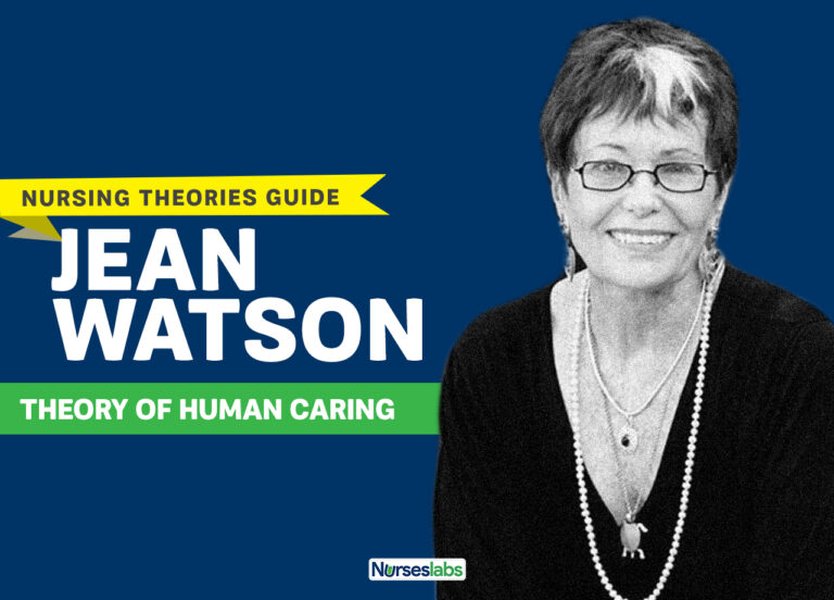
Dr. Jean Watson, founder of the Theory of Human Caring.
Key Ethical Alignments: Highlights
Essential Insights into Watson's Ethical Framework
- Prioritizing Patient Good: Watson's theory inherently promotes Beneficence by focusing on holistic well-being, encompassing physical, emotional, spiritual, and social health, and by guiding nurses to actively promote healing and prevent harm.
- Championing Self-Determination: The theory strongly supports Autonomy by emphasizing respect for individual values, choices, and the patient's active participation in their care decisions within a trusting, transpersonal relationship.
- Advocating for Equitable Care: Through its emphasis on universal compassion and dignity for all, Watson's theory indirectly yet significantly underpins Justice, advocating for fair and equitable care regardless of individual differences.
Beneficence: The Core of Compassionate Care
Actively Promoting Patient Well-being and Holistic Needs
The ethical principle of Beneficence – the obligation to act for the benefit of others, prevent harm, and promote good – is a cornerstone of Watson's Theory of Human Caring. The theory champions this principle by placing the patient's holistic well-being at the forefront of nursing practice.
Holistic Approach to Healing
Watson's framework moves beyond mere physical treatment, advocating for care that addresses the interconnectedness of mind, body, and spirit. This involves:
- Promoting Overall Health: Encouraging practices that enhance and maintain health, prevent illness, support the sick, and restore well-being.
- Addressing Multifaceted Needs: Focusing on mental, physical, spiritual, and social aspects to ensure comprehensive care. This includes creating a healing environment that nurtures all dimensions of the patient.
- Intentional Caring Consciousness: Assisting with basic human needs with an intentional caring consciousness, recognizing that even fundamental care activities are opportunities for transpersonal connection and healing.
The Role of Caritas Processes
The 10 Caritas Processes, evolved from Watson's original Carative Factors, provide a guide for enacting beneficent care. For example, "practicing loving-kindness and equanimity," "being authentically present," and "creating a healing environment at all levels" directly contribute to the patient's good. These processes encourage nurses to approach individuals with compassion, sensitivity, and a commitment to their overall welfare, thereby fostering productive, meaningful care that supports regeneration and growth.

Visual representation of the 10 Caritas Processes central to Watson's Theory of Human Caring.
Autonomy: Respecting Individual Values and Choices
Fostering Self-Determination in the Caring Relationship
Autonomy, the right of individuals to make their own decisions about their lives and healthcare, is deeply respected within Watson's Theory of Human Caring. The theory promotes a partnership where the patient's unique perspective, values, and choices are paramount.
While you mentioned Gastmans (2019) in relation to autonomy, the provided reference materials from the search results do not offer a direct, verifiable citation for this specific work explicitly linking it to Watson's theory and autonomy. However, the principle of autonomy is unequivocally and strongly supported by the core tenets of Watson's theory itself, as elaborated by numerous scholars and foundational texts on Caring Science.
Honoring Individuality
Watson's theory emphasizes:
- Understanding the Patient's Frame of Reference: Nurses are encouraged to engage in genuine teaching-learning experiences that attempt to understand and stay within the patient's unique perspective.
- Respecting Values and Beliefs: The caring relationship is built on honoring the patient as a whole person with distinct values, beliefs, and the right to self-determination.
- Active Participation: Patients are seen as active participants in their care, with their choices and individuality respected. The theory advocates for an individualized approach, allowing patients to be co-creators of their healing journey.
Building Trusting Relationships
Key Caritas Processes, such as "developing and sustaining a helping-trusting, authentic caring relationship" and "being present to, and supportive of, the expression of positive and negative feelings," create an environment where patients feel safe to express their needs and preferences. This fosters a transpersonal connection that empowers individuals and enhances their sense of control over their health and healing.
Justice: Advocating for Fair and Equitable Care
The Call for Universal Compassion and Dignity
While Watson's theory may not explicitly focus on "justice" in the same way it does beneficence or autonomy, its core principles indirectly yet powerfully support this ethical tenet. Justice in healthcare relates to fairness, equity, and the impartial distribution of care and resources.
Compassionate Care for All
Watson's theory promotes justice through:
- Universal Application of Caring: The emphasis on loving-kindness, compassion, dignity, love, attention, and authentic presence is intended for all individuals, regardless of their background, social status, or condition.
- Cultural Compatibility: The theory is described as culturally compatible and has been effectively applied in diverse settings and populations, suggesting an inherent commitment to equitable care that respects cultural differences.
- Inclusivity and Equity: By advocating for care that honors the humanity of every person, the theory implicitly calls for practices that reduce health disparities and promote inclusion, ensuring that all individuals receive dignified and respectful treatment.
The foundational idea that caring begins with self-compassion and then extends to others suggests a universal ethic of care that promotes fairness and aims to create supportive, protective environments for everyone. This aligns with the broader goals of social justice in healthcare by fostering environments where every individual's dignity is upheld.
Visualizing Watson's Theory: Ethical Dimensions
A Comparative Look at Key Tenets
The following radar chart offers a visual representation of the perceived emphasis of Jean Watson's Theory of Human Caring across several key ethical and conceptual dimensions. This is an interpretative illustration based on the core principles of the theory, highlighting its strong focus on holistic care, compassion, and beneficence, with significant support for autonomy and an inherent, if indirect, alignment with justice.
This chart helps to contextualize the profound humanistic orientation of Watson's theory, emphasizing its strengths in fostering a deeply ethical and person-centered approach to nursing care.
The 10 Caritas Processes and Ethical Practice
A Framework for Action
Jean Watson's 10 Caritas Processes serve as a guide for nurses to operationalize the Theory of Human Caring. These processes are not just abstract concepts but actionable ways of being and interacting that inherently embody ethical principles. The table below outlines these processes and links them to their ethical relevance.
| Caritas Process | Description & Ethical Link |
|---|---|
| 1. Practice of Loving-Kindness and Equanimity with Self and Others | Cultivating compassion, gentleness, and emotional balance. Supports Beneficence (promoting well-being) and Justice (equitable, kind regard for all). |
| 2. Being Authentically Present: Enabling Faith, Hope, and Belief System of Self and Other | Deep listening and genuine presence, honoring the patient's spiritual and belief systems. Supports Autonomy (respecting individual beliefs) and Beneficence (fostering hope). |
| 3. Cultivation of One's Own Spiritual Practices and Transpersonal Self, Going Beyond Ego-Self | Encourages self-awareness and spiritual growth in the nurse, enhancing capacity for deep connection. Supports holistic care, linked to Beneficence. |
| 4. Developing and Sustaining a Helping-Trusting, Authentic Caring Relationship | Building rapport and trust as the foundation for healing. Critical for Autonomy (empowering patient voice) and Beneficence (creating a safe space). |
| 5. Being Present to, and Supportive of, the Expression of Positive and Negative Feelings | Validating all emotions without judgment. Essential for Autonomy (respecting patient experience) and Beneficence (emotional support). |
| 6. Creative Use of Self and All Ways of Knowing as Part of the Caring Process; Engage in Artistry of Caring-Healing Practices | Utilizing intuition, aesthetics, and creativity in care. Enhances holistic approach, supporting Beneficence. |
| 7. Engaging in Genuine Teaching-Learning Experience Within the Context of a Caring Relationship – Staying Within Other’s Frame of Reference | Co-creating understanding and plans, respecting the patient's perspective. Directly supports Autonomy (informed choice, patient-centeredness). |
| 8. Creating Healing Environment at All Levels (Physical and Non-physical), Subtle Environment of Energy and Consciousness Whereby Wholeness, Beauty, Comfort, Dignity, and Peace are Potentiated | Shaping surroundings to promote healing and comfort. Directly enacts Beneficence. |
| 9. Assisting with Basic Needs, with an Intentional Caring Consciousness, Administering ‘Human Care Essentials,’ Which Potentiate Alignment of Mind-Body-Spirit, Wholeness, and Unity of Being in All Aspects of Care | Performing essential tasks with mindful presence and respect. Underpins Beneficence (meeting fundamental needs with dignity). |
| 10. Opening and Attending to Spiritual-Mysterious and Existential Dimensions of One’s Own Life-Death; Soul Care for Self and the One-Being-Cared-For | Acknowledging profound life questions and spiritual needs. Supports holistic care, Autonomy (respecting spiritual journeys), and Beneficence (comfort in existential distress). |
These Caritas Processes illustrate how Watson's theory translates into tangible nursing actions that uphold the highest ethical standards in patient care.
Mapping the Connections: Watson's Theory and Ethics
A Mindmap Overview
This mindmap illustrates the interconnectedness of Jean Watson's Theory of Human Caring, its core concepts, and its strong alignment with fundamental ethical principles in healthcare. It shows how foundational elements of the theory naturally lead to practices that embody beneficence, autonomy, and justice.
(Mutual healing & connection)"] id1b["10 Caritas Processes
(Guides to caring practice)"] id1c["Holistic Approach
(Mind, Body, Spirit, Social)"] id1d["Caring Science
(Philosophical-ethical framework)"] id1e["Healing Environments
(Physical & non-physical)"] id2["Ethical Alignments"] id2a["Beneficence
(Promoting Good & Well-being)"] id2a1["Prioritizing holistic patient needs"] id2a2["Active promotion of health & healing"] id2a3["Compassionate and sensitive care"] id2b["Autonomy
(Respecting Self-Determination)"] id2b1["Valuing patient's individuality & choices"] id2b2["Encouraging patient participation in care"] id2b3["Honoring patient's frame of reference"] id2b4["Developing helping-trusting relationships"] id2c["Justice
(Promoting Fairness & Equity)"] id2c1["Universal compassionate care for all"] id2c2["Cultural sensitivity and inclusivity"] id2c3["Dignified and respectful treatment for every individual"] id3["Foundational Elements"] id3a["Humanistic-Altruistic Values"] id3b["Authentic Presence & Connection"] id3c["Self-Awareness & Self-Care for Nurses"]
This visualization emphasizes how the theory's humanistic values and focus on the transpersonal caring relationship inherently foster an ethical nursing practice.
Dr. Jean Watson on the Theory of Human Caring
Insights from the Founder
To further understand the depth and application of this influential nursing theory, hearing from Dr. Jean Watson herself can provide invaluable insights. The following video features Dr. Watson introducing the Theory of Human Caring, explaining its core tenets and its significance in modern healthcare. It offers a foundational perspective on how compassionate care can transform the patient experience and promote healing.
In this introduction, Dr. Watson elaborates on how true caring can help patients feel seen, heard, and valued, which is essential for healing and overall well-being. This aligns directly with the ethical principles discussed, particularly beneficence (promoting well-being) and autonomy (valuing the individual).
Frequently Asked Questions (FAQ)
What is Jean Watson's Theory of Human Caring?
Jean Watson's Theory of Human Caring, also known as Caring Science, is a nursing theory developed in the 1970s. It emphasizes that caring is the central essence of nursing. The theory focuses on the transpersonal caring relationship between the nurse and the patient, where both are involved in a process of mutual healing. It promotes a holistic approach to care, considering the patient's mind, body, and spirit, and is guided by the 10 Caritas Processes (formerly Carative Factors).
How does Watson's theory promote beneficence?
Watson's theory strongly supports beneficence (acting for the patient's good) by prioritizing the patient's holistic well-being. It guides nurses to promote health, prevent illness, care for the sick, and restore health through compassionate, sensitive care. The 10 Caritas Processes, such as creating a healing environment and assisting with basic needs with intentional caring consciousness, are direct applications of beneficence, aiming to enhance and maintain the patient's health, humanity, and overall well-being.
How does Watson's theory respect patient autonomy?
Watson's theory aligns with autonomy by emphasizing respect for the individual's values, beliefs, and self-determination. It encourages nurses to understand the patient's unique frame of reference and to engage in genuine teaching-learning experiences that allow the patient to be an active participant in their care. Caritas Processes like developing helping-trusting relationships and supporting the expression of feelings foster an environment where patients feel empowered to make choices about their care, thus honoring their individuality and autonomy.
In what way does Watson's theory relate to justice?
While not its primary explicit focus, Watson's theory indirectly supports justice by emphasizing compassionate care for all individuals. Its principles of providing care based on values such as compassion, dignity, and authentic presence are intended to be universally applied, irrespective of a patient's background. The theory's cultural compatibility and application across diverse populations promote an equitable approach to care, aligning with the ethical principle of justice by fostering fairness and equal access to dignified treatment.
What are the Caritas Processes?
The 10 Caritas Processes are an evolution of Watson's original 10 Carative Factors. They serve as a guide for nursing practice grounded in human caring. These processes include practices such as cultivating loving-kindness and equanimity, being authentically present, developing helping-trusting relationships, promoting the expression of feelings, creating healing environments, and attending to spiritual dimensions. They provide a framework for nurses to engage in compassionate, holistic, and ethically sound care.
Recommended Further Exploration
Deepen Your Understanding
- How are Watson's 10 Caritas Processes applied in clinical nursing settings?
- What is the role of transpersonal caring relationships in patient outcomes according to Watson's theory?
- Compare and contrast Watson's Theory of Human Caring with other major nursing theories.
- What are the challenges and benefits of implementing Caring Science in modern healthcare systems?
References
Sources for Further Reading
Last updated May 18, 2025