
Unlock Your Inner Strength: Proven Pathways to Lasting Self-Confidence
Discover actionable strategies to transform self-doubt into unwavering self-belief and navigate life with greater assurance.
Building self-confidence is a transformative journey that empowers you to face challenges, embrace opportunities, and live a more fulfilling life. It's not about achieving an overnight transformation but rather about consistently applying practical strategies that nurture a strong sense of self-worth and capability. By integrating mindful practices, actionable goals, and supportive habits, you can cultivate a resilient and authentic sense of confidence.
Key Highlights for Building Confidence
- Mindset Mastery: Cultivating positive self-talk and actively challenging negative thought patterns is fundamental to reshaping your self-perception and building a strong inner foundation.
- Action & Achievement: Setting realistic goals, stepping out of your comfort zone, and learning from experiences (both successes and setbacks) demonstrate your capabilities and build tangible self-assurance.
- Holistic Well-being: Prioritizing physical health (exercise, diet, sleep) and nurturing supportive relationships significantly impacts your emotional state and overall confidence levels.
Transforming Your Inner World: The Power of Mindset
Your internal dialogue and self-perception are the cornerstones of self-confidence. Shifting your mindset from self-criticism to self-encouragement can profoundly impact how you feel about yourself and your abilities.

Embracing a new perspective can open doors to greater self-assurance.
Cultivate Positive Self-Talk and Challenge Negative Thoughts
The way you speak to yourself matters immensely. Negative self-talk can be a significant barrier to confidence. It's crucial to become aware of these critical internal voices and actively work to replace them with more encouraging and realistic affirmations.
Identify and Reframe
Start by noticing when negative thoughts arise. Instead of accepting "I can't do this," try reframing it to "I'll give it my best shot" or "This is challenging, but I can learn from it." Writing down negative beliefs and then countering them with evidence of your strengths and past successes can be a powerful exercise.
Practice Self-Compassion
Treat yourself with the same kindness and understanding you would offer a friend facing similar challenges. Self-compassion involves acknowledging your imperfections and struggles without harsh judgment. This builds a resilient inner core, making it easier to bounce back from setbacks.
Reshape Your Self-Image
Your mental picture of yourself significantly influences your confidence. If your self-image is predominantly negative, work on identifying the reasons behind these perceptions. Deliberately focus on your positive qualities, achievements, and compliments you've received. Keep a list of these positive attributes visible as a daily reminder of your worth.
Laying the Foundation: Lifestyle and Well-being
A healthy body and mind are intrinsically linked to how confident you feel. Prioritizing self-care through positive lifestyle choices can have a remarkable impact on your self-esteem and overall energy levels.
Nourish Your Body and Mind
Embrace Regular Physical Activity
Exercise is a potent confidence booster. It not only improves physical health and body image but also releases endorphins that elevate mood and reduce stress. Aim for consistent physical activity, whether it's a brisk walk, a gym session, yoga, or dancing. Feeling stronger and healthier physically translates directly to feeling more capable mentally.
Prioritize a Healthy Diet and Quality Sleep
What you eat and how well you sleep significantly affect your energy levels, mood, and cognitive function. A balanced, nutrient-dense diet provides the fuel your brain and body need to perform optimally. Similarly, adequate sleep (typically 7-9 hours for adults) is crucial for emotional regulation and mental clarity. When you feel well-rested and nourished, you're better equipped to handle challenges with confidence.
The Impact of Grooming and Attire
Taking care of your personal appearance can provide an immediate boost to your self-perception. When you groom yourself and dress in a way that makes you feel good and presentable, it positively influences how you feel about yourself and how others perceive you. This isn't about vanity, but about self-respect and presenting your best self to the world.

Developing skills and acknowledging your strengths builds a solid foundation for confidence.
Action Breeds Confidence: Goals, Growth, and Resilience
Confidence isn't just a state of mind; it's also built through action and experience. Setting goals, stepping outside your comfort zone, and learning from your journey are vital components of developing lasting self-assurance.
Set and Achieve Meaningful Goals
Achieving goals, no matter how small, provides a powerful sense of accomplishment and competence. Break down larger ambitions into smaller, manageable steps. Each milestone reached reinforces your belief in your ability to succeed and builds momentum for future endeavors. Remember to celebrate your progress along the way.
Embrace New Challenges and Expand Your Comfort Zone
Growth rarely happens within the confines of what's familiar. Purposefully stepping into new or uncomfortable situations, even in small increments, can significantly boost your confidence. Trying new things, whether it's learning a new skill, taking on a challenging project, or engaging in new social interactions, shows you that you are capable of adapting and growing.
Learn from Setbacks and Failures
Fear of failure can be a major inhibitor of confidence. It's important to reframe failure not as a definitive endpoint, but as a valuable learning opportunity. When things don't go as planned, reflect on what happened, extract the lessons, and consider what you can do differently next time. This resilient mindset reduces anxiety around challenges and fosters a belief in your ability to overcome adversity.
The radar chart above illustrates how different strategies contribute to overall self-confidence. "Your Current Approach" provides a hypothetical baseline, while "Impact Potential of Strategies" shows how actively engaging in these areas can significantly enhance your self-assurance. Focusing on areas like Positive Self-Talk, Goal Mastery, and Resilience can lead to substantial growth in confidence.
The Role of Body Language and Presence
How you carry yourself physically can have a surprisingly strong impact on how you feel internally and how others perceive your confidence levels. Adopting confident body language can actually make you feel more self-assured.
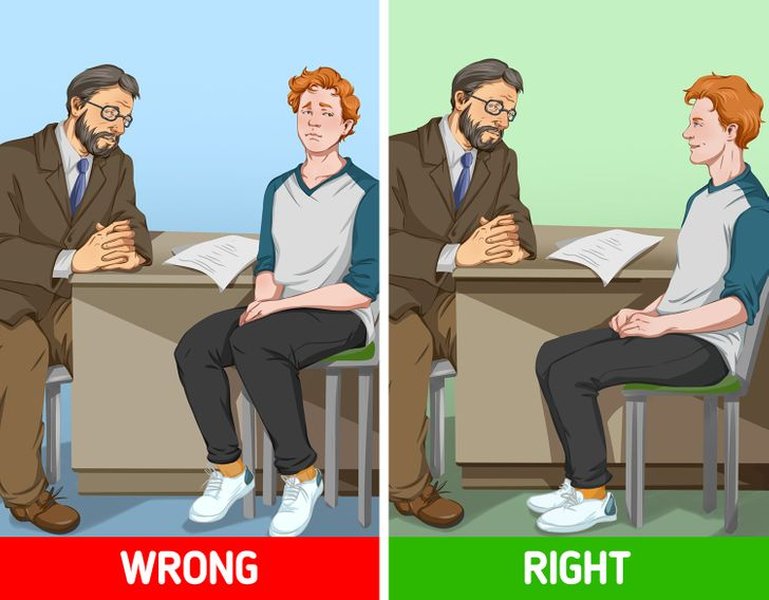
Confident posture can influence both your internal feelings and external perceptions.
Practice Confident Posture and Demeanor
Simple adjustments to your posture can make a difference. Stand tall with your shoulders back and feet planted firmly. Maintain appropriate eye contact during conversations, as this conveys engagement and self-assuredness. Even adopting "power poses" for a few minutes—like standing with hands on hips—can lead to a temporary increase in feelings of confidence and a decrease in stress hormones.
Mindfulness and Being Present
Practicing mindfulness and meditation can help you become more aware of your thoughts and emotions without judgment. This self-awareness allows you to respond to situations more calmly and confidently, rather than reacting impulsively with doubt or fear. Being present in the moment can also reduce anxiety associated with future uncertainties or past regrets.

Mindfulness practices can cultivate a sense of calm confidence from within.
Building Your Support System and Values
The people you surround yourself with and the values you live by also play a crucial role in shaping your self-confidence. Positive social interactions and aligning your actions with your core beliefs can be deeply affirming.
Cultivate Positive Relationships
Surround yourself with supportive, encouraging individuals who believe in you and value your abilities. Positive feedback and validation from trusted friends, family, or mentors can reinforce your self-belief. Conversely, limit exposure to overly critical or negative people who may undermine your confidence.
Focus on Your Values and Help Others
Understanding your core values and making decisions that align with them can significantly boost self-respect and, consequently, self-confidence. When your actions are congruent with what you believe is important, you feel more authentic and purposeful. Furthermore, helping others and contributing to your community can enhance your self-image by reminding you of your capacity to make a positive impact.
Consider Professional Support
If low self-confidence is persistent or significantly impacting your life, consider seeking support from a therapist or counselor. Professionals can help you address underlying issues, such as negative core beliefs or past experiences, and provide you with tailored strategies and tools to build genuine, lasting self-esteem.
Visualizing the Path to Confidence: A Mindmap
The journey to greater self-confidence is multifaceted, involving interconnected strategies that reinforce each other. This mindmap provides a visual overview of the key areas to focus on for building a stronger sense of self.
This mindmap illustrates how different pillars—Mindset Transformation, Lifestyle Foundations, Action & Growth, Support & Connection, and Embodied Confidence—all contribute to the central goal of unlocking your confidence. Each branch represents a key area with actionable sub-points, highlighting the holistic approach needed for sustainable self-assurance.
Actionable Techniques for Boosting Confidence
Understanding various techniques, their focus, and expected outcomes can help you tailor your approach to building self-confidence. The table below summarizes some effective strategies:
| Technique | Primary Focus | Expected Outcome | Example Activity |
|---|---|---|---|
| Positive Affirmations | Internal Dialogue | Reduced self-criticism, improved self-perception | Daily recital of "I am capable and deserving." |
| Goal Setting & Achievement | Competence & Accomplishment | Increased sense of capability, motivation | Breaking a large project into small, daily tasks and tracking completion. |
| Regular Physical Exercise | Physical Well-being & Mood | Enhanced body image, reduced stress, higher energy | Engaging in 30 minutes of moderate exercise 3-5 times a week. |
| Stepping Out of Comfort Zone | Resilience & Adaptability | Expanded capabilities, reduced fear of the unknown | Volunteering to give a presentation or trying a new social activity. |
| Practicing Self-Compassion | Emotional Regulation & Self-Acceptance | Kinder self-treatment, reduced impact of failures, greater emotional resilience | Acknowledging a mistake with understanding rather than harsh self-criticism. |
| Cultivating Support Systems | Social Connection & Validation | Reduced isolation, encouragement, positive feedback | Scheduling regular time with uplifting friends or mentors. |
| Mindfulness Meditation | Self-Awareness & Emotional Balance | Reduced anxiety, improved focus, greater calm | Practicing 10 minutes of daily guided meditation. |
This table provides a snapshot of diverse methods you can employ. Integrating a mix of these techniques into your daily life can create a powerful synergistic effect, leading to more substantial and lasting improvements in self-confidence.
Insights on Behavioral Changes for Confidence
Understanding how specific behaviors can influence confidence is key. The following video offers practical advice on actionable steps you can take to cultivate a more confident demeanor and mindset through behavioral adjustments.
This video, "Six behaviors to increase your confidence" by Emily Jaenson, delves into how changing behaviors, rather than just attitudes, can be a powerful catalyst for building self-confidence. It emphasizes that research supports starting with behavioral shifts to effect changes in how we feel and perceive ourselves. Adopting these behaviors can create a positive feedback loop, reinforcing confident feelings and actions over time.
Frequently Asked Questions (FAQ)
How long does it generally take to see improvements in self-confidence?
The time it takes to build self-confidence varies greatly from person to person. It depends on individual circumstances, the consistency of effort, and the specific strategies employed. Some people may notice small improvements within a few weeks of consistent practice, such as feeling more positive or slightly more comfortable in challenging situations. Significant, lasting changes typically require ongoing effort over several months or even longer. The key is patience, persistence, and celebrating small victories along the way.
Can "faking it till you make it" genuinely help build confidence?
Yes, "acting as if" or "faking it till you make it" can be a surprisingly effective strategy for some. When you consciously adopt confident behaviors (like standing tall, making eye contact, speaking clearly), it can influence your internal state and how others perceive you. Positive reactions from others can reinforce these behaviors, and successfully navigating situations while "acting" confident can lead to genuine feelings of competence and self-assurance over time. It's not about being inauthentic, but rather about practicing the behaviors associated with confidence until they become more natural.
What if my low self-confidence stems from past trauma or deep-seated issues?
If low self-confidence is linked to past trauma, deep-seated negative beliefs, or significant mental health challenges, self-help strategies alone may not be sufficient. In such cases, seeking professional help from a therapist, counselor, or psychologist is highly recommended. A mental health professional can help you understand the root causes of your low self-esteem and provide specialized therapeutic approaches (like CBT, EMDR, or psychodynamic therapy) to address these underlying issues in a safe and supportive environment. This professional guidance can be crucial for building a strong and healthy foundation for self-confidence.
Is there a difference between self-confidence and arrogance?
Yes, there is a significant difference. Self-confidence is a healthy belief in your own abilities, worth, and judgment, typically rooted in experience and self-awareness. It allows individuals to approach challenges with a positive outlook and resilience. Arrogance, on the other hand, often involves an exaggerated sense of self-importance, a tendency to look down on others, and a lack of empathy. Arrogance can be a mask for underlying insecurities, whereas genuine self-confidence is usually accompanied by humility and respect for others.
Recommended Further Exploration
- How can I effectively challenge and overcome negative self-talk?
- What are specific exercises for stepping out of my comfort zone to build confidence?
- How does physical fitness and nutrition directly impact self-esteem?
- What role do supportive relationships play in long-term confidence building?
References
Last updated May 20, 2025