
Unlock Your Evening Calm: Science-Backed Ways to Melt Away Work Stress
Discover effective strategies to transition from a hectic workday to a peaceful evening, boosting well-being and preventing burnout.
Essential Insights for Post-Work Relaxation
- Move Your Body, Calm Your Mind: Engaging in physical activity, even a short walk, releases endorphins and reduces stress hormones, offering immediate relief.
- Master Mindfulness & Breathing: Simple techniques like deep breathing or meditation activate the body's relaxation response, helping you detach from work worries.
- Establish Boundaries & Rituals: Creating a clear separation between work and personal life through routines and disconnecting from technology is crucial for mental recovery.
Transitioning from Work Mode to Relaxation Mode
The end of the workday doesn't always mean the end of work-related stress. Lingering thoughts about deadlines, emails, or challenging interactions can follow you home, impacting your personal time, relationships, and overall well-being. Learning how to effectively de-stress and psychologically detach from work is not a luxury, but a necessity for maintaining mental health, preventing burnout, and ensuring you're recharged for the next day. This involves actively engaging in practices that shift your focus, calm your nervous system, and restore your energy.
The Power of Physical Activity
Exercise is consistently highlighted as one of the most effective ways to combat stress. It works on multiple levels, providing both physical and mental benefits.
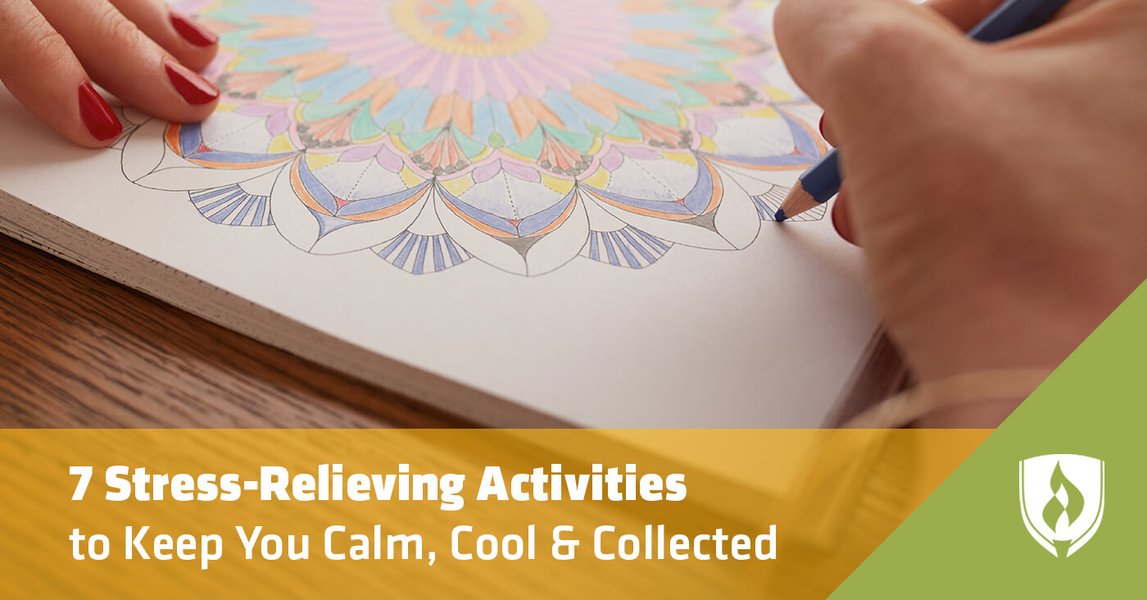
Engaging in enjoyable physical activities is a key strategy for stress relief.
Release Endorphins and Reduce Cortisol
When you engage in physical activity, your body releases endorphins – natural mood lifters often referred to as "feel-good" hormones. These chemicals interact with receptors in your brain to reduce your perception of pain and trigger positive feelings. Simultaneously, exercise helps lower levels of the body's stress hormones, such as adrenaline and cortisol.
Accessible Options for Everyone
- Walking: Even a brisk 10-30 minute walk, especially outdoors, can significantly clear your head, improve your mood, and help you process the day's events. Combining movement with nature enhances the calming effect.
- Yoga and Stretching: Gentle yoga sequences or simple stretches focus on body awareness, breath control, and flexibility, helping to release physical tension stored in muscles (like shoulders and neck) and calm the mind. Evening yoga can specifically prepare you for rest.
- Structured Workouts: Activities like jogging, swimming, cycling, dancing, or hitting the gym provide a more vigorous release, effectively burning off stress and boosting energy levels.
- Playful Movement: Engaging in team sports or other fun physical hobbies shifts your focus entirely away from work stressors.
Harnessing Mindfulness and Relaxation Techniques
Actively calming your mind is as important as relaxing your body. Mindfulness and specific relaxation techniques help counteract the "fight-or-flight" response triggered by stress, bringing your system back into balance.
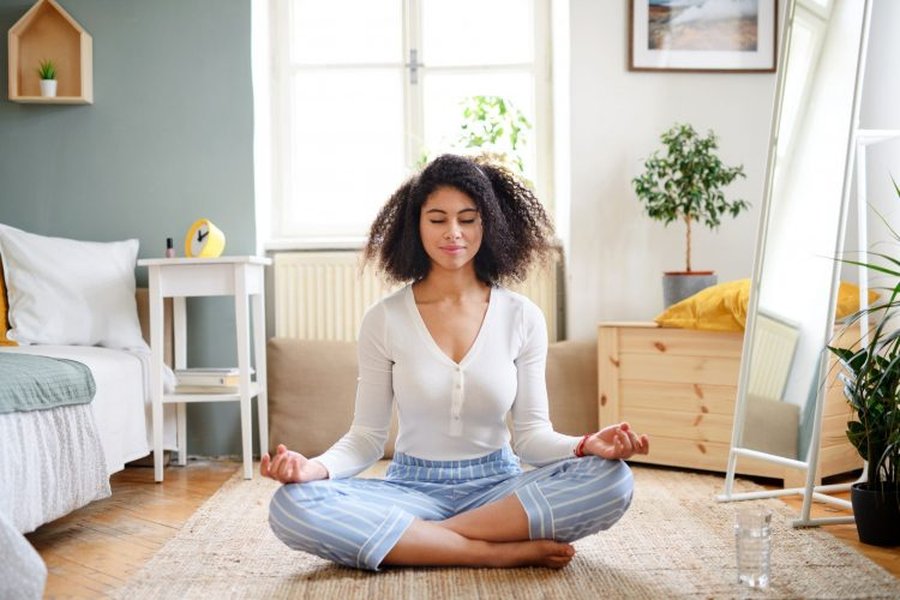
Mindfulness practices help ground you in the present moment, away from work worries.
Controlled Breathing for Instant Calm
Deep, mindful breathing is a powerful tool accessible anytime, anywhere. It directly influences your parasympathetic nervous system, promoting relaxation.
The 4-7-8 Technique
A widely recommended method involves:
- Inhaling quietly through your nose for a count of 4.
- Holding your breath for a count of 7.
- Exhaling completely through your mouth, making a 'whoosh' sound, for a count of 8.
- Repeat this cycle 3-4 times.
Focusing on the breath anchors you in the present moment, interrupting anxious thought patterns.
Meditation and Guided Relaxation
Dedicate 5-10 minutes to mindfulness meditation. This can involve focusing on your breath, bodily sensations, or using guided meditation apps or recordings. Meditation helps you observe your thoughts without judgment, reducing their power over your emotional state.
Progressive Muscle Relaxation (PMR)
This technique involves systematically tensing and then releasing different muscle groups throughout your body. Start with your toes and work your way up. Tensing muscles for about 5 seconds then releasing helps you become more aware of physical tension and consciously let it go.
Visualizing De-Stressing Strategies
The mindmap below illustrates the interconnectedness of various post-work de-stressing strategies, categorizing them for a clearer overview. It shows how physical, mental, sensory, social, and routine-based approaches all contribute to effective relaxation and recovery from work stress.
(e.g., 4-7-8)"] id2b["Meditation
(Guided or Silent)"] id2c["Journaling
(Processing thoughts)"] id2d["Reading for Pleasure"] id2e["Progressive Muscle
Relaxation"] id3["Sensory Soothing"] id3a["Listening to
Calming Music/Sounds"] id3b["Aromatherapy
(Lavender, Chamomile)"] id3c["Warm Bath/Shower"] id3d["Spending Time
in Nature"] id3e["Enjoying Art/Coloring"] id4["Social & Connection"] id4a["Talking with
Friends/Family"] id4b["Spending Time
with Pets"] id4c["Engaging in
Group Hobbies"] id4d["Sharing Experiences
(Non-work related)"] id5["Routine & Boundaries"] id5a["Establishing an
Evening Ritual"] id5b["Tech Detox
(Disconnecting from work)"] id5c["Changing Clothes"] id5d["Clearing Workspace"] id5e["Consistent Sleep
Schedule"]
This visualization helps conceptualize how different activities target various aspects of stress, allowing you to choose a combination that best suits your needs and preferences for unwinding after work.
Creating Boundaries and Engaging Rituals
Establishing a clear separation between your work life and personal life is fundamental to de-stressing. This involves both mental shifts and physical actions.
Psychological Detachment
Actively disengaging your thoughts from work is crucial. This doesn't mean ignoring responsibilities, but rather consciously shifting your mental energy away from job-related concerns during your off-hours.
Post-Work Rituals
- Symbolic Actions: Simple acts like changing out of work clothes, tidying your physical or digital workspace before leaving, or taking a specific route home can signal to your brain that the workday is over.
- Mindful Transition: Take a few minutes immediately after work (even before leaving the office or logging off) for deep breathing or a brief meditation to consciously transition.
- Tech Boundaries: Turn off work email notifications and resist the urge to check messages after hours. Consider implementing a "tech detox" period in the evening where you avoid screens altogether for an hour or two.
Self-Care and Enjoyable Activities
Incorporating activities you genuinely enjoy into your evening routine is vital for recharging and boosting your mood.

Creating a cozy evening routine signals relaxation time.
Sensory Relaxation
- Warm Bath or Shower: The warmth helps relax tense muscles and calm the nervous system. Enhance the experience with soothing scents like lavender or chamomile using bath bombs, oils, or moisturizing body wash.
- Aromatherapy: Using essential oil diffusers, candles, or incense with calming scents (like lavender, bergamot, or sandalwood) can slow nervous system activity and promote relaxation.
- Listening to Music/Sounds: Create a playlist of calming music, nature sounds, or podcasts that help you unwind and shift your focus.
Engaging Hobbies and Interests
- Creative Outlets: Activities like drawing, painting, coloring, playing a musical instrument, or cooking/baking can be meditative and fulfilling.
- Reading: Escaping into a good book offers a complete mental shift away from work concerns.
- Journaling: Writing down your thoughts, feelings, or things you're grateful for can help process emotions, gain perspective, and release negativity.
- Spending Time in Nature: Even brief exposure to natural environments, like a park or garden, can lower stress levels.
Comparing De-Stressing Techniques
Different de-stressing methods offer varying benefits and suit different needs and preferences. The radar chart below provides a comparative overview of common techniques based on factors like their potential for stress reduction, accessibility, mood enhancement, long-term benefits, and immediacy of effect. The scores are illustrative, representing general tendencies rather than precise measurements.
As the chart illustrates, activities like Exercise and Meditation often score highly on stress reduction potential and long-term benefits, while methods like taking a Bath or simple Mindfulness exercises score well on accessibility. Social connection provides significant mood boosts. Choosing a mix of activities based on these dimensions can create a robust de-stressing routine.
Leveraging Social Connections
Humans are social creatures, and connecting with others is a natural stress buffer. Sharing your experiences (without excessively dwelling on work problems) or simply enjoying time with loved ones can significantly improve your mood.
Meaningful Interactions
- Talk it Out: Chatting with friends, family, or a partner about your day (focusing on feelings rather than just rehashing events) can provide perspective and emotional release.
- Shared Activities: Engage in enjoyable activities together, shifting the focus away from work entirely.
- Pet Companionship: Interacting with pets has been shown to lower stress hormones and boost feelings of happiness and love.
Building a Sustainable Evening Routine
Consistency is key. Establishing a regular evening routine helps signal to your body and mind that it's time to wind down, promoting relaxation and better sleep – which is crucial for stress recovery.
Key Elements of a Wind-Down Routine
- Set a Start Time: Designate a specific time each evening to begin your wind-down process.
- Dim the Lights: Lowering ambient light levels helps stimulate melatonin production, preparing your body for sleep.
- Incorporate Calming Activities: Include some of the relaxation techniques mentioned earlier (reading, gentle stretching, listening to music) into your routine.
- Prepare for Tomorrow: Briefly organizing for the next day (e.g., packing lunch, laying out clothes) can reduce morning stress and allow for a more relaxed evening.
- Prioritize Sleep: Ensure you get adequate, quality sleep, as this is when your body and mind recover most effectively.
Guided Meditation for Post-Work Stress Relief
Sometimes, a guided practice can be the easiest way to transition from a stressful workday into a calmer state of mind. Guided meditations specifically designed for after work can help you consciously let go of the day's pressures and shift your focus inward.
The video below offers a short, guided meditation aimed at helping you de-stress and make the transition from work to personal time more effectively. Taking just five minutes for such a practice can make a significant difference in your evening relaxation.
Following along with a guided meditation removes the guesswork and allows you to simply follow instructions, making it an accessible option even when you feel mentally fatigued after a long day.
Summary Table of De-Stressing Techniques
This table provides a quick overview of some effective post-work de-stressing techniques, highlighting their primary benefits and providing simple examples.
| Technique | Primary Benefit | Examples / How-To | Typical Time Commitment |
|---|---|---|---|
| Physical Activity | Endorphin release, reduced cortisol, mental clarity | 15-30 min walk, short yoga session, gym workout | 15-60 minutes |
| Mindful Breathing | Activates relaxation response, immediate calm | 4-7-8 breathing, diaphragmatic breathing | 2-10 minutes |
| Meditation | Reduces anxiety, improves focus, emotional regulation | Guided meditation app, focusing on breath | 5-20 minutes |
| Warm Bath/Shower | Muscle relaxation, nervous system calming | Add Epsom salts or essential oils (lavender) | 15-30 minutes |
| Journaling | Emotional processing, perspective gain | Write about your day, gratitude list | 10-15 minutes |
| Listening to Music | Mood shift, relaxation | Create a calming playlist, listen to nature sounds | Ongoing / 15+ minutes |
| Social Connection | Emotional support, reduces isolation | Call a friend, chat with family, play with a pet | 10-60+ minutes |
| Tech Detox | Reduces stimulation, sets boundaries | Turn off work notifications, avoid screens before bed | 1-2 hours (or more) |
Frequently Asked Questions (FAQ)
How long should I spend de-stressing after work?
There's no fixed duration, as effectiveness varies per person and activity. Even 5-10 minutes of focused relaxation (like deep breathing or meditation) can make a difference. For activities like exercise or hobbies, 20-60 minutes might be more beneficial. The key is consistency and finding what fits realistically into your schedule.
What if I only have 5 minutes to de-stress?
Five minutes is enough for impactful micro-relaxation! Try a few cycles of 4-7-8 breathing, a very short guided meditation, stepping outside for fresh air, doing a quick stretch, or listening to one calming song mindfully. These brief moments can help reset your nervous system.
Is it better to be physically active or relax quietly?
Both approaches are effective, and the best choice often depends on the type of stress you're experiencing and your personal preference. Physical activity is great for releasing pent-up energy and frustration. Quiet relaxation techniques are excellent for calming racing thoughts and anxiety. Many people benefit from a combination – perhaps a walk followed by some quiet reading or meditation.
Can de-stressing after work improve my sleep?
Absolutely. Stress and anxiety are major culprits behind sleep difficulties. By actively de-stressing in the evening, you lower cortisol levels, calm your mind, and relax your body, making it easier to fall asleep and stay asleep. Establishing a consistent, relaxing evening routine is a core component of good sleep hygiene.
What if none of these methods seem to work for me?
It can take time and experimentation to find what works best for you. Be patient and try different combinations. If you consistently struggle with high stress levels that interfere with your daily life, despite trying self-help strategies, it may be beneficial to consult with a healthcare professional or a mental health therapist. They can help identify underlying issues and suggest more personalized coping strategies.
References
- How to unwind after work: 13 tips to relax and de-stress - Calm Blog
- Stress relievers: Tips to tame stress - Mayo Clinic
- How to Recover from Work Stress, According to Science - Harvard Business Review
- 14 Tips to Manage Work Stress and Avoid Burnout - Healthline
- Relaxation techniques: Try these steps to lower stress - Mayo Clinic
- How to Relax After Work – Jergens Skincare - mykaoshop.com
- How to De-Stress After Work: 10 Tips - Talkspace
Recommended
Last updated April 26, 2025