
Unlock Your Inner Champion: Transformative Ways to Boost Self-Esteem
Discover evidence-based strategies that can help you build lasting confidence and transform how you see yourself
Essential Self-Esteem Building Blocks
- Self-compassion is the foundation - Research shows treating yourself with kindness is more effective than harsh self-criticism
- Environment shapes confidence - The people around you significantly impact how you view yourself
- Small victories create momentum - Building self-esteem happens through consistent, achievable actions, not overnight transformations
Self-esteem—the overall opinion we have about ourselves—influences virtually every aspect of our lives. From our relationships and career choices to our mental health and daily happiness, healthy self-esteem serves as the foundation for a fulfilling life. The good news? Self-esteem is not fixed; it can be developed and strengthened throughout life.
The Psychology of Self-Esteem Enhancement
Building self-esteem requires addressing both our internal thought patterns and external behaviors. The most effective approach combines cognitive strategies (changing how we think) with behavioral techniques (changing what we do). This comprehensive method creates lasting change by targeting the root causes of low self-esteem while developing new, healthier patterns.
1. Transform Your Inner Dialogue
One of the most powerful ways to improve self-esteem is by changing your internal conversation. The voice inside your head significantly impacts how you feel about yourself.
Practice Self-Compassion
Self-compassion involves treating yourself with the same kindness and understanding you would offer a good friend. Research by Dr. Kristin Neff shows that self-compassion is strongly linked to psychological well-being and resilience. When you make a mistake, rather than harsh self-criticism, try responding with: "This is a moment of difficulty. Many people struggle with this. How can I be kind to myself right now?"
Challenge Negative Thought Patterns
Low self-esteem often stems from distorted thinking patterns that become habitual over time. Learn to identify and challenge these patterns:
- All-or-nothing thinking ("If I'm not perfect, I'm a failure")
- Overgeneralization ("I always mess things up")
- Mental filtering (focusing only on negatives)
- Discounting positives ("That doesn't count because...")
- Jumping to conclusions (mind reading or fortune telling)
Develop Realistic Affirmations
Rather than generic positive statements, create personalized, believable affirmations based on your genuine strengths. For example, instead of "I am amazing at everything," try "I am becoming more confident in my problem-solving abilities."
2. Create a Foundation of Achievement
Taking action and experiencing success—even in small ways—is crucial for building genuine self-esteem.
Set Progressive Goals
Start with small, achievable goals that provide quick wins, then gradually increase the challenge. Each success strengthens your belief in your capabilities. Focus on process goals (what you'll do) rather than outcome goals (what you'll achieve).
Develop New Skills
Learning new abilities creates a sense of competence that naturally boosts self-esteem. Choose activities that interest you but also stretch your capabilities slightly. The sweet spot is challenging enough to be engaging but not so difficult that it leads to constant frustration.
Self-Esteem Components Visualization
The following radar chart illustrates the key components that contribute to healthy self-esteem. Each area represents a dimension you can develop to strengthen your overall self-image. The higher the score, the stronger that component is in supporting your self-esteem.
3. Cultivate a Supportive Environment
The people and environments we surround ourselves with significantly impact our self-perception.
Nurture Positive Relationships
Research consistently shows that supportive relationships are crucial for healthy self-esteem. Identify relationships that make you feel valued and appreciated, and invest more time in them. Conversely, limit exposure to people who consistently criticize or belittle you.
Set Healthy Boundaries
Learning to say "no" when necessary and establishing clear boundaries is essential for self-respect. It communicates to yourself and others that your needs matter. Start with small boundary-setting exercises and gradually work up to more challenging situations.
Seek Supportive Communities
Find groups centered around shared interests or goals where you can connect with like-minded individuals. Whether it's a hobby club, support group, or volunteer organization, belonging to a community provides validation and acceptance.
Self-Esteem Building Strategies
| Strategy Category | Specific Techniques | Benefits | Implementation Tips |
|---|---|---|---|
| Cognitive Strategies |
- Challenge negative thoughts - Practice self-compassion - Develop realistic affirmations - Maintain a success journal |
- Reduces harmful self-criticism - Creates healthier thought patterns - Builds resilience to setbacks - Enhances emotional regulation |
- Start with small thought challenges - Use a designated journal for tracking - Practice daily for 5-10 minutes - Be consistent with positive self-talk |
| Behavioral Strategies |
- Set and achieve small goals - Learn new skills - Practice assertiveness - Engage in regular physical activity |
- Builds evidence of capability - Develops competence - Improves social confidence - Enhances mood and energy |
- Create SMART goals (Specific, Measurable) - Schedule regular skill-building time - Start with low-risk assertiveness situations - Find enjoyable physical activities |
| Social Strategies |
- Cultivate supportive relationships - Set healthy boundaries - Join supportive communities - Volunteer and help others |
- Provides external validation - Reinforces self-worth - Creates sense of belonging - Develops perspective and gratitude |
- Audit current relationships - Practice saying "no" when needed - Start with online communities if easier - Schedule regular volunteer activities |
| Physical Wellness |
- Prioritize regular sleep - Maintain balanced nutrition - Practice mindfulness - Engage in regular exercise |
- Improves mood regulation - Enhances energy levels - Reduces anxiety - Boosts body image |
- Establish a consistent sleep schedule - Focus on nutritious foods, not restriction - Try guided meditation apps - Start with walking if new to exercise |
4. Prioritize Physical Wellbeing
The mind-body connection is powerful. Taking care of your physical health directly impacts your mental state and self-perception.
Regular Exercise
Physical activity releases endorphins that improve mood and reduce anxiety. Exercise also improves body image regardless of physical changes, helping you feel stronger and more capable. Start with activities you enjoy, even if it's just a short daily walk.
Sufficient Sleep
Sleep deprivation negatively affects mood regulation and cognitive function, making it harder to maintain positive self-perception. Prioritize 7-9 hours of quality sleep by establishing a regular sleep schedule and creating a relaxing bedtime routine.
Mindfulness Practices
Mindfulness helps break the cycle of rumination that often accompanies low self-esteem. Regular meditation, even just 5-10 minutes daily, can help you develop awareness of negative thought patterns without getting caught up in them.
Self-Esteem Development Framework
This mindmap illustrates the interconnected elements that contribute to building healthy self-esteem. By addressing these areas holistically, you can create a strong foundation for lasting self-worth.
5. Engage in Meaningful Contribution
Finding ways to contribute to others and to causes larger than yourself creates a sense of purpose and value.
Volunteer Your Time
Helping others shifts focus away from internal self-criticism and provides perspective. Research shows that volunteering improves mood, decreases stress, and enhances self-esteem. Choose causes that align with your values and interests.
Share Your Strengths
Look for opportunities to use your natural talents and acquired skills to benefit others. This reinforces your sense of competence and contribution. Whether it's helping a colleague learn a new skill or using your creativity for a community project, sharing your strengths validates your worth.
6. Consider Professional Support
Sometimes, developing self-esteem benefits from professional guidance, especially if low self-worth is deeply entrenched or connected to past trauma.
Therapy Options
Several therapeutic approaches effectively address self-esteem issues, including:
- Cognitive-Behavioral Therapy (CBT): Helps identify and change negative thought patterns
- Acceptance and Commitment Therapy (ACT): Focuses on accepting difficult thoughts while committing to behavior change
- Compassion-Focused Therapy: Specifically targets self-criticism and shame
Support Groups
Connecting with others facing similar challenges provides validation and practical strategies. Many communities offer in-person or online support groups focused on self-esteem, confidence building, or related issues like anxiety or depression.
Inspiring Self-Esteem Resources
This video by Psychologist Dr. Maika Steinborn explains the psychological foundations of self-esteem and provides practical strategies for improvement:
This comprehensive explanation covers how self-esteem develops throughout life and specific techniques to enhance it. Dr. Steinborn's approach combines psychological research with practical implementation strategies that anyone can apply.
Building Confidence Through Imagery
Visual reminders of confidence and success can help reinforce positive self-perception. These images represent the journey toward improved self-esteem:
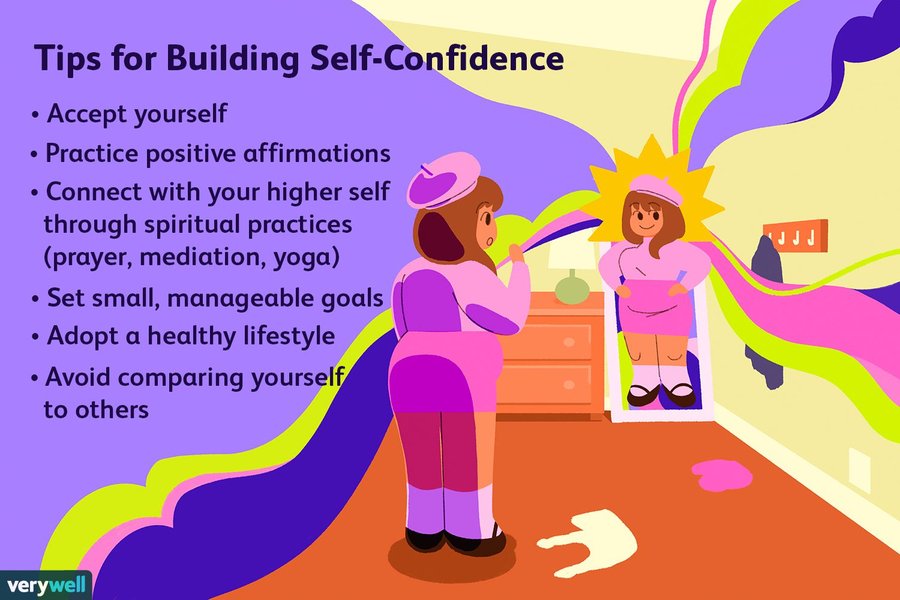


Confidence manifests physically through posture, expression, and body language. Research shows that adopting confident postures (like those shown in the images) can actually influence how you feel about yourself, creating a positive feedback loop between your physical presence and internal self-perception.
Frequently Asked Questions About Improving Self-Esteem
References
- Tips to improve your self-esteem - Mind.org.uk
- How to Boost Your Self-Confidence - VeryWellMind
- Raise low self-esteem - NHS
- 10 Ways to Boost Your Self-Esteem - Psychology Today
-
Self-esteem: Take steps to feel better about yourself - Mayo Clinic
- 5 ways to build lasting self-esteem - TED Ideas
- How to Boost Self-Esteem: 12 Simple Exercises & CBT Tools - Positive Psychology
Recommended
Last updated April 9, 2025