
Ways to Reduce Stress
Comprehensive Strategies for a Calmer, Healthier Life
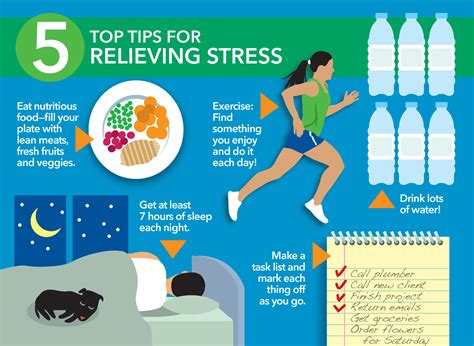
Key Takeaways
- Incorporate Regular Physical Activity: Engaging in exercises like walking, yoga, or dancing can significantly lower stress levels by releasing endorphins.
- Maintain a Balanced Diet: Consuming nutritious foods helps stabilize mood and energy, aiding in stress management.
- Practice Mindfulness and Relaxation Techniques: Techniques such as deep breathing, meditation, and progressive muscle relaxation effectively reduce anxiety and promote mental well-being.
Effective Strategies to Reduce Stress
1. Physical Activity
Engaging in regular physical activity is one of the most effective ways to manage and reduce stress. Exercise not only improves physical health but also releases endorphins, which are natural mood lifters. Incorporating activities such as walking, jogging, yoga, or dancing into your daily routine can help alleviate stress. Aim for at least 30 minutes of moderate exercise most days of the week to experience significant benefits.
2. Healthy Nutrition
A balanced diet plays a crucial role in stabilizing mood and energy levels. Consuming a variety of fruits, vegetables, whole grains, and lean proteins provides the necessary nutrients your body needs to function optimally. Omega-3 fatty acids found in fish like salmon and tuna are particularly beneficial in combating stress. It's also important to limit intake of caffeine, sugar, and processed foods, as these can exacerbate feelings of anxiety and stress.
3. Mindfulness and Relaxation Techniques
Mindfulness practices, including meditation and deep breathing exercises, help you stay present and reduce anxiety. Techniques such as diaphragmatic breathing, progressive muscle relaxation, and guided imagery can calm the mind and body. Apps like Headspace or Calm can be useful tools to get started with these practices. Regular mindfulness practice not only reduces immediate stress but also enhances overall mental resilience.
4. Adequate Sleep
Prioritizing sleep is essential for stress management. Aim for 7-9 hours of quality sleep each night to allow your body and mind to recover. Establishing a consistent bedtime routine, limiting screen time before bed, and creating a restful sleep environment can improve sleep quality. Poor sleep can increase stress levels, creating a vicious cycle that negatively impacts overall well-being.
5. Social Connections
Maintaining strong social connections provides emotional support and reduces feelings of isolation. Spending time with friends, family, or loved ones allows you to share your concerns and receive support. Building a supportive network enhances resilience to stress and contributes to a sense of belonging and security.
6. Time Management
Effective time management can prevent feelings of being overwhelmed. Organize your tasks by creating realistic to-do lists, setting achievable goals, and prioritizing important activities. Breaking larger tasks into smaller, manageable steps makes them less daunting. Learning to delegate responsibilities and saying "no" to additional commitments can help maintain a balanced schedule.
7. Engaging in Hobbies
Dedicating time to hobbies and creative outlets provides a mental escape and promotes relaxation. Activities such as reading, painting, gardening, or playing a musical instrument offer a sense of accomplishment and joy. Engaging in hobbies can distract you from stressors and enhance overall life satisfaction.
8. Relaxation Techniques
Incorporating relaxation techniques into your daily routine can significantly reduce stress levels. Practices like deep breathing, progressive muscle relaxation, and guided meditation activate the body's relaxation response, counteracting the effects of stress. Regular practice helps in managing acute stress and maintaining long-term mental health.
9. Limit Screen Time
Reducing exposure to screens, especially before bedtime, can improve sleep quality and decrease stress. Excessive use of phones, computers, and televisions can lead to increased anxiety and disrupt sleep patterns. Setting boundaries on screen time and taking regular breaks can help mitigate these effects.
10. Set Boundaries
Learning to set boundaries in both professional and personal life is essential for stress management. Saying "no" to additional responsibilities or commitments that may overwhelm you helps maintain balance. Clear boundaries prevent burnout and ensure that you have the time and energy to focus on what truly matters.
11. Humor and Laughter
Laughter is a natural stress reliever. It triggers the release of endorphins, which improve mood and reduce stress hormones. Watching a funny movie, spending time with humorous friends, or engaging in activities that make you laugh can effectively lower stress levels and enhance overall well-being.
12. Spend Time in Nature
Being outdoors in natural settings has a calming effect and reduces stress. Activities like walking in the park, hiking in the forest, or spending time near water bodies can rejuvenate the mind and body. Nature provides a peaceful environment that promotes relaxation and mental clarity.
Comparative Overview of Stress-Reduction Techniques
| Technique | Benefits | Recommended Duration |
|---|---|---|
| Physical Activity | Releases endorphins, improves mood, enhances physical health | 30 minutes most days |
| Mindfulness Meditation | Reduces anxiety, promotes mental clarity, enhances emotional regulation | 10-20 minutes daily |
| Deep Breathing Exercises | Calms the nervous system, reduces heart rate, alleviates immediate stress | 5-10 minutes as needed |
| Healthy Diet | Stabilizes mood, provides essential nutrients, boosts energy levels | Consistently daily |
| Social Interaction | Provides emotional support, reduces feelings of isolation, enhances resilience | Regularly throughout the week |
| Hobbies and Creative Outlets | Offers mental escape, promotes relaxation, fosters a sense of accomplishment | Varies based on personal preference |
Additional Strategies for Comprehensive Stress Management
13. Volunteer or Help Others
Helping others through volunteering can provide a sense of purpose and reduce stress. Acts of kindness and contributing to your community create positive connections and enhance your mood.
14. Practice Gratitude
Keeping a gratitude journal or taking time each day to reflect on positive aspects of your life can shift your mindset and reduce stress. Focusing on what you are thankful for fosters a positive outlook and enhances emotional resilience.
15. Stay Hydrated
Dehydration can increase stress levels and impair cognitive function. Ensure you drink plenty of water throughout the day to maintain optimal physiological and mental performance.
16. Limit Caffeine and Sugar Intake
Excessive consumption of caffeine and sugar can lead to increased anxiety and irritability. Moderating your intake of these substances can help stabilize your mood and reduce stress.
17. Create a Comfortable Workspace
Organizing your work environment to be comfortable and free of clutter can enhance productivity and reduce stress. A well-designed workspace promotes focus and minimizes distractions.
18. Seek Professional Help
If stress becomes overwhelming, seeking the assistance of a mental health professional can provide additional tools and support. Therapists, counselors, and stress management programs offer personalized strategies to address and manage stress effectively.
Conclusion
Managing and reducing stress is essential for maintaining both physical and mental health. By incorporating a combination of physical activity, healthy nutrition, mindfulness practices, adequate sleep, social connections, effective time management, and engaging in enjoyable activities, you can create a robust framework for stress reduction. Additionally, exploring relaxation techniques, setting boundaries, fostering humor, and spending time in nature further enhance your ability to cope with stress. Remember that it's important to find the strategies that work best for you and to seek professional help when needed. Implementing these comprehensive strategies will not only help you manage stress effectively but also improve your overall quality of life.
References
Last updated January 18, 2025