
Unveiling the Gentle Giants: Which Weak Oxidizing Agents Brave the Open Air?
Discover chemical agents that offer mild oxidizing power without succumbing to atmospheric reactivity, perfect for controlled reactions.
Understanding the nature of oxidizing agents is crucial in various chemical applications, from laboratory synthesis to industrial processes. An oxidizing agent, or oxidant, is a substance that accepts electrons in a redox (reduction-oxidation) reaction, thereby causing another substance to be oxidized (lose electrons). The strength of an oxidizing agent dictates how vigorously it performs this role. For many applications, particularly in organic chemistry, a weak oxidizing agent is preferred to achieve selective transformations without over-oxidizing the substrate or causing unwanted side reactions. Furthermore, if such an agent is also stable in air, it offers significant advantages in terms of handling, storage, and safety.
Key Insights: Weak Oxidizing Agents & Air Stability
- Weak oxidizing agents possess a modest ability to accept electrons, leading to gentler and more selective oxidation reactions compared to strong oxidizers.
- Air stability means the compound does not readily react with atmospheric components like oxygen or moisture, nor does it decompose significantly under normal ambient conditions.
- Several compounds, such as pyridinium chlorochromate (PCC), dilute hydrogen peroxide (\(H_2O_2\)), and silver ions (Ag\(^+\)), are recognized as weak oxidizing agents with good air stability, making them valuable in specific chemical syntheses.
Defining the Dual Desirables: Weak Oxidation and Air Stability
What Makes an Oxidizing Agent "Weak"?
A weak oxidizing agent is characterized by its relatively low standard reduction potential. This means it has a less pronounced tendency to gain electrons compared to strong oxidizing agents like fluorine (\(F_2\)) or potassium permanganate (\(KMnO_4\)). Their milder nature allows for more controlled and selective oxidations. For example, they might be used to oxidize a primary alcohol to an aldehyde without further oxidizing it to a carboxylic acid, a common challenge with stronger oxidants. The "weakness" is relative and can also depend on reaction conditions such as pH, temperature, and the nature of the substrate.
The Significance of Air Stability
Air stability is a critical practical characteristic. An air-stable oxidizing agent does not significantly degrade, decompose, or react with components of the air (like oxygen, \(O_2\), or moisture, \(H_2O\)) under normal storage and handling conditions. This stability simplifies storage requirements, enhances safety by reducing risks of spontaneous reactions, and ensures the reagent's potency over time. Stronger oxidizing agents are often highly reactive and can be sensitive to air, moisture, or even light, requiring special handling and storage precautions.
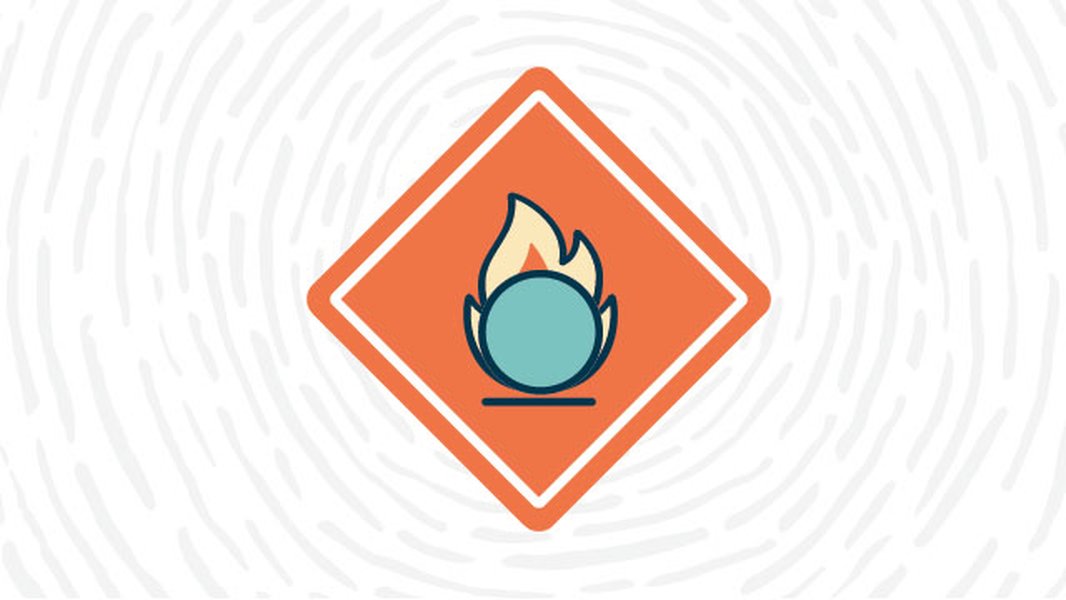
Safety symbol indicating an oxidizing substance.
Notable Examples of Weak, Air-Stable Oxidizing Agents
Several chemical compounds fit the description of being both weak oxidizing agents and stable in air. Their utility spans various applications, particularly in organic synthesis where precise control over oxidation is paramount.
Pyridinium Chlorochromate (PCC)
PCC is a well-known mild oxidizing agent frequently used in organic chemistry. It is particularly valued for its ability to oxidize primary alcohols to aldehydes and secondary alcohols to ketones without causing over-oxidation, especially to carboxylic acids in the case of primary alcohols. PCC is a solid that is relatively stable in air, making it convenient to handle and store compared to some other chromium-based oxidants.
Silver Ion (Ag\(^+\))
The silver ion, often in the form of silver nitrate (\(AgNO_3\)) or silver oxide (\(Ag_2O\)), acts as a very mild oxidizing agent. It's commonly employed in reactions like the Tollens' test to oxidize aldehydes to carboxylic acids, while the silver ion itself is reduced to metallic silver. Silver compounds are generally stable in air, though some can be light-sensitive.
Copper(II) Ion (Cu\(^{2+}\))
Similar to silver ions, copper(II) ions (e.g., from copper(II) sulfate, \(CuSO_4\)) are considered very mild oxidizing agents. They are used in specific applications, such as in Fehling's or Benedict's tests for detecting reducing sugars (which typically contain aldehyde groups). Copper(II) salts are generally stable solids in air.
Dilute Hydrogen Peroxide (\(H_2O_2\))
While concentrated hydrogen peroxide can be a strong oxidizer, dilute solutions (e.g., 3%) act as relatively weak oxidizing agents. \(H_2O_2\) is used as a disinfectant and bleaching agent. It is reasonably stable when stored properly (e.g., in dark bottles, with stabilizers) but can decompose over time, especially in the presence of light or catalysts. Its decomposition products are water and oxygen, making it environmentally friendly.
Dichromate Ion (Cr\(_2\)O\(_7\)\(^{2-}\))
The dichromate ion (e.g., from potassium dichromate, \(K_2Cr_2O_7\)) is a stronger oxidizing agent than those previously mentioned but is considered less potent than permanganate (\(MnO_4^-\)). In certain conditions or when used carefully, it can achieve milder oxidations. Solid dichromate salts are quite stable in air and are used as primary standards in analytical chemistry. However, chromium(VI) compounds are toxic and carcinogenic, so their use is increasingly restricted.
Tetrapropylammonium Perruthenate (TPAP)
TPAP, also known as the Ley-Griffith reagent, is a soluble, non-volatile, and air-stable mild oxidant. It is used for the selective oxidation of primary alcohols to aldehydes and secondary alcohols to ketones, often with N-methylmorpholine N-oxide (NMO) as a co-oxidant. Its stability and mildness make it a valuable reagent in complex organic syntheses.
Dess-Martin Periodinane (DMP)
DMP is another mild and selective oxidizing agent used for converting primary alcohols to aldehydes and secondary alcohols to ketones. It offers advantages like neutral reaction conditions and easy workup. DMP is reasonably air-stable, although it should be stored under inert gas for long-term preservation of its activity.
Oxygen (\(O_2\))
Atmospheric oxygen itself can be considered a weak oxidizing agent under ambient conditions. While it supports combustion and many oxidation processes, its direct reactivity with many organic compounds at room temperature is slow without catalysts or initiators (like UV light). It is, by definition, perfectly stable in air.
Potassium Nitrate (\(KNO_3\))
Potassium nitrate is a crystalline salt that is stable in air. It acts as a relatively weak oxidizing agent, particularly at elevated temperatures, and is a common component in pyrotechnic mixtures like gunpowder. At room temperature, without a reducing agent and ignition source, it is quite inert.
Persulfates
Ammonium persulfate (\((NH_4)_2S_2O_8\)) and potassium persulfate (\(K_2S_2O_8\)) are solid oxidizing agents that are relatively stable when dry and stored properly. They are considered moderately strong but can be used under controlled conditions for specific oxidations. They are often used as polymerization initiators.
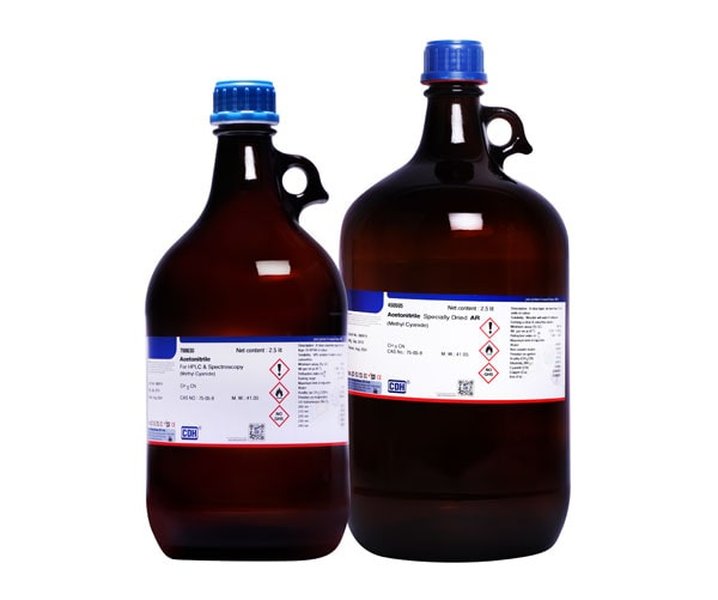
Various chemical reagents, some of which may be mild oxidizers, stored in appropriate containers.
Visualizing Comparative Strengths and Properties
To better understand the characteristics of various weak oxidizing agents, a radar chart can illustrate their relative properties. The following chart provides a qualitative comparison of selected agents based on criteria such as oxidizing strength (where a higher score means weaker/milder), air stability, selectivity in reactions, ease of handling, and general cost-effectiveness. Note that these are general assessments and can vary based on specific reaction conditions and purity.
This chart helps to visualize that while ambient oxygen (\(O_2\)) is perfectly air-stable and cost-effective, its selectivity and oxidizing strength at room temperature are very low without activation. Agents like PCC offer good selectivity and mild strength but may be more costly and require more careful handling. Dilute hydrogen peroxide offers a good balance of mild oxidizing power, ease of handling, and cost-effectiveness.
Mapping the Landscape of Mild Oxidizers
The following mindmap provides a conceptual overview of weak, air-stable oxidizing agents, branching out into their key characteristics and common examples. This visualization helps to organize the information and highlight the relationships between different aspects of these important chemical reagents.
Oxidizing Agents"] id1["Key Characteristics"] id1a["Mild Oxidizing Power
(Low Standard Reduction Potential)"] id1b["Air Stability
(Resistant to O₂, H₂O, decomposition)"] id1c["Selective Reactivity
(Controlled oxidation)"] id1d["Enhanced Safety
(Easier handling and storage)"] id2["Common Examples"] id2a["Pyridinium Chlorochromate (PCC)"] id2b["Silver Ion (Ag⁺)
e.g., AgNO₃"] id2c["Copper(II) Ion (Cu²⁺)
e.g., CuSO₄"] id2d["Dilute Hydrogen Peroxide (H₂O₂)"] id2e["Dichromate Ion (Cr₂O₇²⁻)
(Relatively mild in context)"] id2f["Tetrapropylammonium Perruthenate (TPAP)"] id2g["Dess-Martin Periodinane (DMP)"] id2h["Ambient Oxygen (O₂)"] id2i["Potassium Nitrate (KNO₃)"] id2j["Persulfates
(e.g., K₂S₂O₈)"] id3["General Applications"] id3a["Organic Synthesis
(e.g., alcohol to aldehyde/ketone)"] id3b["Analytical Chemistry
(e.g., titrations, tests)"] id3c["Disinfection & Bleaching
(e.g., H₂O₂)"] id3d["Pyrotechnics
(e.g., KNO₃)"]
This mindmap illustrates that the selection of a weak, air-stable oxidizing agent is often driven by the specific requirements of a chemical transformation, balancing oxidizing power with the need for stability, selectivity, and safety.
Understanding Oxidizing Agents in Organic Chemistry
Oxidizing agents play a pivotal role in organic chemistry, facilitating a wide array of transformations. The choice between a mild or strong oxidizing agent is critical for achieving the desired product. The following video provides a general overview of common oxidizing agents encountered in organic chemistry, which can help contextualize the importance of weak, stable options.
This video titled "organic chemistry review - common oxidizing agents" discusses various oxidizing agents used in organic reactions, including how to identify oxidations and the role of agents in alcohol oxidation. Understanding these concepts is key to appreciating why weak and air-stable oxidizers are particularly valuable for specific synthetic goals, such as the partial oxidation of alcohols without further unwanted reactions.
Comparative Overview: Selected Weak Oxidizing Agents
The table below summarizes some of the discussed weak oxidizing agents, highlighting their typical form, relative air stability, and common applications. This provides a quick reference for comparing these reagents.
| Agent | Chemical Formula | Typical Form | Relative Air Stability | Common Applications |
|---|---|---|---|---|
| Pyridinium Chlorochromate | \(C_5H_5NH[CrO_3Cl]\) | Orange-yellow solid | Good | Oxidation of primary alcohols to aldehydes, secondary alcohols to ketones. |
| Silver Ion | Ag\(^+\) | Typically as \(AgNO_3\) (solid) or \(Ag_2O\) (solid) | Very Good (salts are stable) | Tollens' reagent (aldehyde test), mild oxidations. |
| Copper(II) Ion | Cu\(^{2+}\) | Typically as \(CuSO_4\) (solid) | Very Good (salts are stable) | Fehling's/Benedict's test (reducing sugars), mild oxidations. |
| Hydrogen Peroxide (dilute) | \(H_2O_2\) | Aqueous solution (e.g., 3-6%) | Moderate (decomposes slowly; light sensitive) | Disinfectant, bleaching, mild green oxidant. |
| Potassium Nitrate | \(KNO_3\) | White crystalline solid | Very Good | Pyrotechnics, food preservative, fertilizer, mild oxidant at high temperatures. |
| Tetrapropylammonium Perruthenate | \((nPr)_4N[RuO_4]\) | Green solid | Very Good | Selective oxidation of alcohols to aldehydes/ketones. |
| Oxygen (Ambient) | \(O_2\) | Gas | Perfect (component of air) | Supports combustion, very slow oxidation of many materials unless catalyzed. |
This comparison underscores that "weak" and "air-stable" are relative terms, and the best choice of an oxidizing agent depends heavily on the specific reaction conditions and desired outcome.
Frequently Asked Questions (FAQ)
What is the difference between a weak and a strong oxidizing agent?
The strength of an oxidizing agent is related to its standard reduction potential (\(E^0\)). Strong oxidizing agents have high positive \(E^0\) values, meaning they have a strong tendency to accept electrons and oxidize other substances vigorously. Weak oxidizing agents have lower positive (or even negative) \(E^0\) values, indicating a lesser tendency to accept electrons and thus they oxidize substances more mildly or selectively.
Why is air stability important for an oxidizing agent?
Air stability is crucial for several reasons:
- Safety: Air-unstable agents might react with oxygen or moisture in the air, potentially leading to decomposition, gas evolution, or even fire/explosion.
- Shelf-life: Stable agents can be stored for longer periods without losing their potency.
- Handling: Air-stable compounds are generally easier and safer to handle, often not requiring specialized inert atmosphere techniques.
- Consistency: Their reactivity remains more predictable if they are not degrading due to air exposure.
Can ambient oxygen be used as a weak oxidizing agent in reactions?
Yes, ambient oxygen (\(O_2\)) can act as a weak oxidizing agent, especially in the presence of catalysts (e.g., transition metals) or initiators (e.g., light). Many "green chemistry" approaches utilize air or oxygen as the oxidant because it's abundant, inexpensive, and its byproduct is often water (if hydrogen is present in the substrate). However, without activation, its reactions can be very slow at room temperature for many substrates.
Are all "mild" oxidizing agents safe to handle?
Not necessarily. While "mild" or "weak" refers to their oxidizing power, it doesn't automatically mean they are non-toxic or completely safe. For example, some chromium(VI)-based mild oxidizers like PCC are toxic and carcinogenic. Other reagents might have specific handling precautions. Always consult the Safety Data Sheet (SDS) for any chemical before use, regardless of its perceived "mildness" as an oxidant.
Explore Further
If you found this information helpful, you might be interested in exploring these related topics:
- How do standard reduction potentials determine the strength of an oxidizing agent?
- What are some common strong oxidizing agents and their specific uses in chemistry?
- Can you explain the mechanisms of common selective oxidation reactions in organic synthesis?
- What are the safety precautions necessary when working with various classes of oxidizing agents in a laboratory setting?
References
Last updated May 13, 2025