
Beyond the Fed: Could a Shadow Banking Elite Seize Control of U.S. Currency?
Unpacking the potential pathways to private currency control if America's central bank were dismantled.
The U.S. Federal Reserve (the Fed) currently stands as the central pillar of American monetary policy, managing the nation's currency supply, regulating banks, and aiming for economic stability. But what if this institution were to be abolished? This question opens a Pandora's box of possibilities, particularly concerning who, or what, might fill the ensuing power vacuum. A significant concern revolves around the potential for a small cadre of extremely wealthy individuals to exert unprecedented control over U.S. currency.
Highlights: The Blueprint for Potential Currency Domination
- Economic Instability as an Opportunity: The abolition of the Federal Reserve could trigger significant economic volatility, including inflation or recession, creating an environment where those with substantial capital could consolidate control over financial resources and alternative assets.
- Leveraging Existing Financial and Political Clout: Ultra-wealthy individuals already wield considerable influence through ownership of major corporations, financial institutions, and extensive political lobbying. In a post-Fed scenario, this power could be directly applied to shape or control new monetary systems and regulatory frameworks.
- The Rise of Private Monetary Systems: Without a central monetary authority, there could be an opening for the development and promotion of private currencies or digital assets, potentially backed or controlled by affluent individuals, which could compete with or even supplant traditional U.S. currency.
The Federal Reserve's Current Role: A Foundation Under Threat
Before exploring the "how," it's crucial to understand what the Federal Reserve does. Established to provide the nation with a safer, more flexible, and more stable monetary and financial system, the Fed's primary duties include:
- Conducting the nation's monetary policy to promote maximum employment, stable prices, and moderate long-term interest rates.
- Supervising and regulating banking institutions to ensure the safety and soundness of the nation's banking and financial system and to protect the credit rights of consumers.
- Maintaining the stability of the financial system and containing systemic risk that may arise in financial markets.
- Providing financial services to depository institutions, the U.S. government, and foreign official institutions, including playing a major role in operating the nation's payments system.
The Fed issues Federal Reserve Notes, the paper currency used in the United States. The value of these notes, especially after the U.S. abandoned the gold standard in 1971, is based on public trust in the institution and the overall stability of the U.S. economy. Abolishing the Fed would dismantle this entire framework, leaving a void in currency issuance, regulation, and economic stabilization.
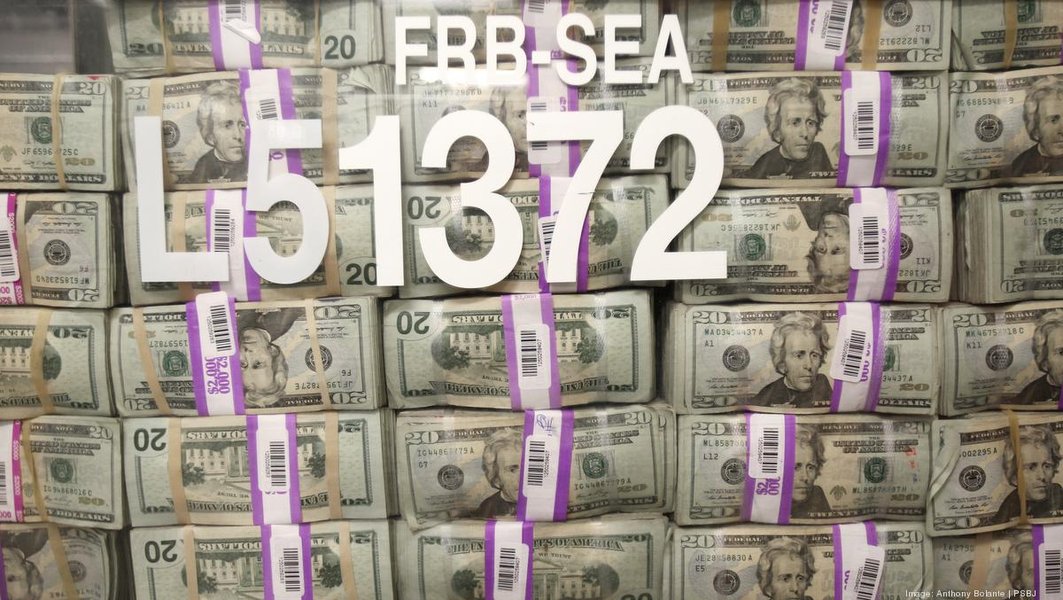
Stacks of U.S. currency inside a Federal Reserve cash facility, illustrating the Fed's role in managing physical money supply.
Pathways to Private Currency Control Post-Federal Reserve
If the Federal Reserve were abolished, several interconnected pathways could allow a few wealthy individuals or the entities they control to exert significant influence, or even direct control, over U.S. currency or its successors.
1. Dominance Through Private Financial Institutions
Filling the Monetary Policy Void
Without the Fed, essential functions like managing reserve requirements, setting benchmark interest rates, and conducting open market operations would need a new home. Private banks and financial conglomerates, many of which are heavily influenced or owned by wealthy individuals, could step in or be designated to perform these roles. Those with substantial stakes in these dominant institutions could directly influence monetary policy decisions, potentially prioritizing private profit or specific economic agendas over broader public welfare. This could involve controlling credit availability and the overall circulation of money within the economy.
2. Exploiting Political and Regulatory Influence
Shaping the New Monetary Landscape
The ultra-wealthy already exert considerable influence on government policy through campaign contributions, lobbying efforts, and funding think tanks. In the absence of the Federal Reserve, a period of intense legislative and regulatory activity would likely ensue to define a new monetary system. Wealthy individuals and their proxies could leverage their political capital to advocate for:
- Deregulation that favors their financial interests.
- The establishment of privatized monetary systems.
- Policies that grant them significant control over any new currency issuance or management bodies (e.g., a restructured Treasury role heavily influenced by private advisors).

Conceptual illustration of a printing press producing currency, symbolizing the power of money creation.
3. Capitalizing on Economic Instability
Leveraging Crises for Consolidation
The abolition of a central bank like the Fed could trigger severe economic instability, including hyperinflation, deep recessions, or significant currency devaluation. Wealthy individuals, often possessing diversified global assets and substantial liquid capital, are better positioned to weather such storms. They could:
- Acquire distressed assets at low prices, further concentrating wealth.
- Offer "stabilizing" financial solutions or alternative stores of value (like privately managed digital currencies or commodity-backed assets) that they control.
- Exploit currency volatility for profit, thereby influencing market behavior and effective currency values.
4. Introduction and Control of Alternative Currencies
Bypassing Traditional Structures
In a vacuum left by the Fed, or if confidence in government-managed currency plummets, alternative currencies could gain traction. Wealthy individuals or consortia could:
- Fund, develop, and promote private digital currencies or cryptocurrencies, potentially becoming major issuers or validators within these new systems.
- Advocate for a return to asset-backed currencies (e.g., gold standard), where control over the underlying asset translates to control over the currency's supply and value. They could amass significant holdings of such assets.
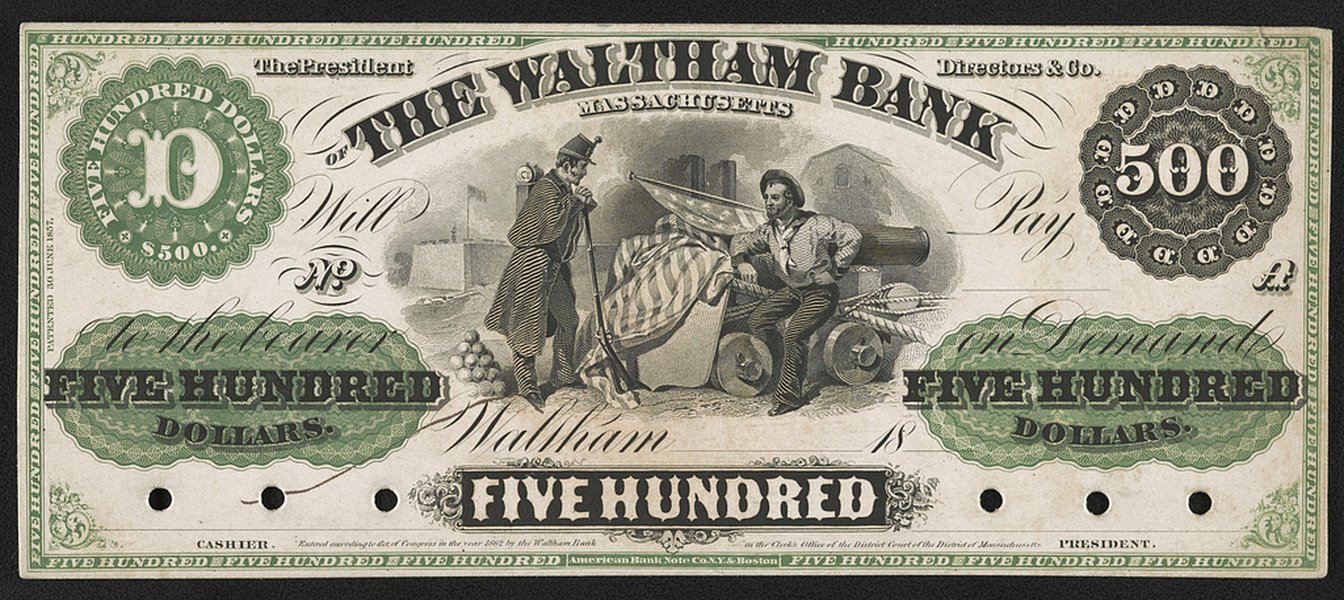
A historical example of a private bank note, illustrating an era when currency issuance was less centralized.
5. Direct Treasury Takeover or Influence
Government Functions Under Private Sway
One alternative to the Fed could be to shift all monetary functions directly to the U.S. Treasury Department. While ostensibly a public body, the Treasury is not immune to external influence. Wealthy individuals could exert control through:
- Securing key advisory or decision-making positions for themselves or their allies.
- Heavy lobbying to shape Treasury policies regarding currency issuance, debt management, and interest rates.
Visualizing Potential Control: Levers of Influence
The ability of wealthy individuals to control currency in a post-Fed America would depend on their success in leveraging various interconnected factors. The radar chart below illustrates hypothetical relative strengths of these factors. A higher score indicates a greater potential for that factor to contribute to private currency control.
This chart suggests that political and lobbying power, combined with dominance over financial institutions, could be the most potent levers for wealthy individuals. Exploitation of instability and direct influence over government policy also rank highly as potential avenues for control.
Mapping the Pathways to Currency Control
The following mindmap illustrates the complex web of factors and potential outcomes if the Federal Reserve were abolished, leading towards scenarios where wealthy individuals could exert significant control over U.S. currency.
(Inflation, Recession, Volatility)"] id1c1["Wealthy Individuals Exploit Crisis"] id1c1a["Asset Consolidation"] id1c1b["Offering Private 'Solutions'"] id2["Mechanisms for Wealthy Individuals to Gain Control"] id2a["Dominance of Private Financial Institutions"] id2a1["Control over Lending & Credit"] id2a2["Setting Interest Rates"] id2a3["Influence on Money Supply"] id2b["Political & Lobbying Power"] id2b1["Shaping New Monetary Laws"] id2b2["Regulatory Capture"] id2b3["Influence on Treasury/Successor Body"] id2c["Promotion of Private/Alternative Currencies"] id2c1["Digital Currencies (e.g., CBDCs controlled privately, Stablecoins)"] id2c2["Commodity-Backed Currencies (e.g., Gold Standard)"] id2c3["Gaining Widespread Adoption"] id2d["Direct Control via Ownership/Stakes"] id2d1["Controlling Key Infrastructure"] id2d2["Hoarding or Manipulating Reserves"] id3["Potential Outcomes"] id3a["Increased Wealth Concentration"] id3b["Reduced Democratic Oversight"] id3c["Currency Policies Favoring Elite Interests"] id3d["Systemic Risk from Unregulated Private Control"]
This mindmap highlights how the initial act of abolishing the Fed (the root) could branch out into various conditions (power vacuum, instability) that create openings for wealthy individuals to leverage existing strengths (financial dominance, political power) and new opportunities (alternative currencies) to ultimately achieve significant influence or control over the nation's monetary system.
Mechanisms and Implications: A Summary
The table below summarizes the key mechanisms by which wealthy individuals could potentially control U.S. currency post-Fed abolition and the likely implications of such scenarios.
| Mechanism for Control | Description | Potential Impact |
|---|---|---|
| Private Banking Sector Dominance | Large private banks, influenced by wealthy owners/shareholders, take over core monetary functions (e.g., interest rates, money creation). | Monetary policy driven by private profit motives, potential for credit manipulation, increased systemic risk if unregulated. |
| Political & Regulatory Capture | Wealthy individuals use lobbying and campaign finance to shape new monetary laws and regulatory bodies in their favor. | Legislation and regulations that entrench private control, reduce public oversight, and benefit elite interests. |
| Exploitation of Economic Chaos | Wealthy individuals leverage capital during post-abolition instability (inflation, recession) to consolidate assets and influence. | Further concentration of wealth, potential for "disaster capitalism" where crises are used to implement favorable policies. |
| Establishment of Private Currencies | Wealthy backers fund and promote alternative currencies (digital, commodity-backed) that gain widespread use. | Fragmentation of the monetary system, potential for currency competition benefiting controllers of dominant private currencies, loss of unified national currency. |
| Direct Influence over Treasury/Successor Body | Monetary policy is shifted to the Treasury or a new government body, which is then heavily influenced by wealthy advisors or appointees. | Public institutions operate to serve private financial interests, erosion of democratic accountability in monetary policy. |
Expert Perspectives on Financial Control
Discussions around central banking, wealth, and control often touch upon complex and sometimes controversial ideas. The following video features Catherine Austin Fitts, an investment advisor and former Assistant Secretary of Housing, discussing her perspectives on central bank digital currencies (CBDCs) and financial control. While the video's specific focus is on CBDCs, it delves into broader themes of how financial systems can be structured to exert control, which is relevant to the hypothetical scenario of a post-Federal Reserve landscape where private interests might seek to dominate currency.
In this presentation, Fitts often argues that centralized control over financial transactions, whether by governments or potentially powerful private entities, can lead to significant societal impacts. This perspective underscores the critical nature of who manages a nation's currency and the potential for abuse if that power is not carefully checked and balanced, a concern that would be magnified if the Federal Reserve's public (though independent) oversight role were eliminated and replaced by less accountable systems.
Frequently Asked Questions (FAQ)
Recommended Further Exploration
- What are the historical precedents for private currency issuance and its economic impact?
- How does wealth concentration currently influence U.S. economic policy beyond campaign finance?
- What are the arguments for and against abolishing the Federal Reserve from different economic schools of thought?
- Could blockchain technology and decentralized finance (DeFi) offer a viable alternative to central banking without private elite control?
References
Last updated May 9, 2025