
Weekly Stressors Tracker for Students
Effectively Manage Your Stress with a Comprehensive Weekly Tracker
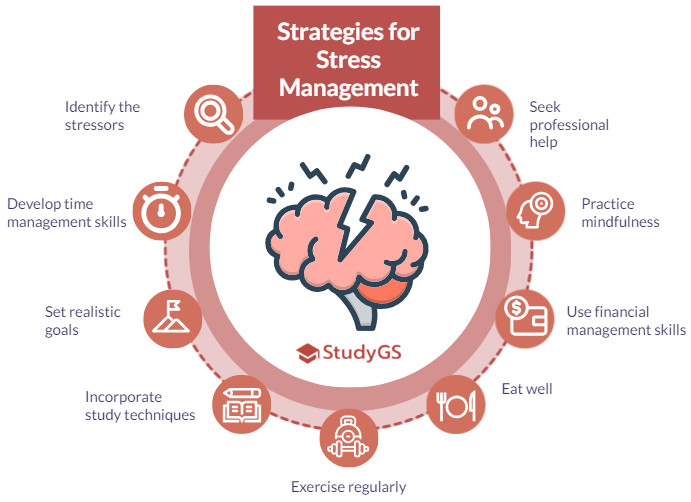
Key Takeaways
- Identify Your Stress Patterns: Understanding when and why stress occurs helps in managing it effectively.
- Document Detailed Context: Capturing circumstances, causes, and responses provides insights for better coping strategies.
- Implement Proactive Strategies: Using the tracker to develop and adjust stress management techniques improves well-being.
Introduction
In the life of a student, balancing academic responsibilities, extracurricular activities, and personal commitments can often lead to significant stress. A weekly stressors tracker is an invaluable tool that helps in identifying, understanding, and managing these stressors effectively. By systematically recording stress levels and their associated factors, students can gain insights into their stress patterns and develop targeted strategies to enhance their well-being.
Setting Up Your Weekly Stressors Tracker
Understanding the Components
A comprehensive stressors tracker typically includes the following components:
Day
Record each day of the week to monitor stress levels consistently.
Time of Day
Note the specific times when stress occurs, such as during classes, study sessions, or breaks.
Stress Level (1-5)
Rate your stress on a scale from 1 (very low) to 5 (very high) to quantify your stress experience.
Duration of Stress
Track how long each stressful period lasts, whether it's minutes or hours.
Context
Detail the specific circumstances, location, and people involved during the stress experience.
Cause
Identify the immediate events or triggers that led to the stress episode.
Response
Record your emotional and behavioral reactions to stress, which can help in recognizing patterns and developing coping mechanisms.
Creating the Tracker
You can create your stressors tracker using digital tools like spreadsheets or opt for a printable template. The key is to maintain consistency and detail in your entries.
Weekly Stressors Tracker Template
Sample Template
Below is a sample weekly stressors tracker tailored to a typical student schedule:
| Day | Stress Level (1-5) | Time of Day | Duration of Stress | Context | Cause | Response |
|---|---|---|---|---|---|---|
| Monday | 5 | 7:30 AM - 10:30 AM (Online Class) | 3 hours | Online class at home, alone | Woke up late, struggled to focus | Frustrated, anxious |
| Monday | 5 | 12:00 PM - 6:00 PM (Study/Work Period) | 6 hours | Online class at home, alone | Overwhelmed by assignments | Overwhelmed, procrastinated |
| Tuesday | 5 | 7:30 AM - 10:30 AM (Online Class) | 3 hours | Online class at home, alone | Technical issues during class | Irritated, stressed |
| Tuesday | 5 | 12:00 PM - 1:00 PM (Break/Study) | 1 hour | Online class at home, alone | Rushed to complete tasks | Anxious, hurried |
| Tuesday | 5 | 3:00 PM - 6:00 PM (Study/Work Period) | 3 hours | Online class at home, alone | Difficulty understanding material | Confused, frustrated |
| Wednesday | 3 | 3:00 PM - 4:00 PM (Specific Activity) | 1 hour | Short meeting with peers | Had to present ideas | Nervous, slightly anxious |
| Thursday | 3 | No Class | N/A | Free day, relaxed at home | No specific stressors | Relaxed, calm |
| Friday | 5 | 12:00 PM - 6:00 PM (Face-to-Face Class) | 6 hours | Face-to-face class on campus | Interacting with many people, exams | Anxious, overwhelmed |
Ensure you customize the tracker according to your specific schedule and stressors for more accurate insights.
Analyzing Your Stress Patterns
Identifying Trends
At the end of each week, review your entries to identify trends and patterns in your stress levels. Look for:
- Days or times with consistently high stress levels.
- Common causes that trigger stress.
- Recurrent responses that may need adjustment.
Reflection
Use the reflection section to summarize your findings and consider the following:
-
Highest Stress Days: Which days are the most stressful and why?
-
Lowest Stress Days: Which days tend to be less stressful, and what contributes to this?
-
Consistent Stress Triggers: Are there specific events or activities that consistently cause stress?
-
Effective Coping Strategies: What responses have been effective in managing stress, and which need improvement?
Strategies for Managing Stress
Time Management
Effective time management can significantly reduce stress. Prioritize tasks, break them into manageable steps, and allocate specific times for studying, assignments, and relaxation.
Technical Preparedness
Ensure that your devices and internet connections are reliable before classes. Technical issues can be a major source of stress, so having backups or troubleshooting methods ready can help mitigate this.
Social Support
Engage with peers, mentors, or counselors who can provide emotional support during stressful periods. Talking about your stressors can alleviate feelings of isolation and provide new perspectives.
Self-Care Practices
Incorporate relaxation techniques such as meditation, deep breathing exercises, or physical activities like yoga into your daily routine. Regular self-care can enhance your resilience to stress.
Mindfulness and Reflection
Practice mindfulness to stay present and reduce anxiety about future tasks. Reflecting on your experiences helps in understanding your stress responses and developing healthier coping mechanisms.
Implementing and Maintaining Your Tracker
Consistency is Key
Regularly update your stressors tracker to ensure accurate and useful data. Consistency in tracking allows for more reliable analysis and better identification of patterns.
Review and Adjust
Periodically review your tracker to assess the effectiveness of your stress management strategies. Adjust your approaches based on what has been working and what hasn't.
Setting Goals
Set specific, achievable goals based on your reflections. For example, aim to reduce stress levels on high-stress days by implementing targeted strategies such as taking short breaks or seeking support.
Conclusion
Managing stress is crucial for maintaining both academic performance and personal well-being. A weekly stressors tracker empowers students to take control of their stress by providing a structured way to identify, analyze, and address stressors. By maintaining consistency and applying effective strategies based on tracker insights, students can enhance their resilience and thrive in their academic journeys.
References
Last updated February 13, 2025