
Weekly Stressors Tracker
Effectively Manage Your Stress with a Structured Weekly Tracker
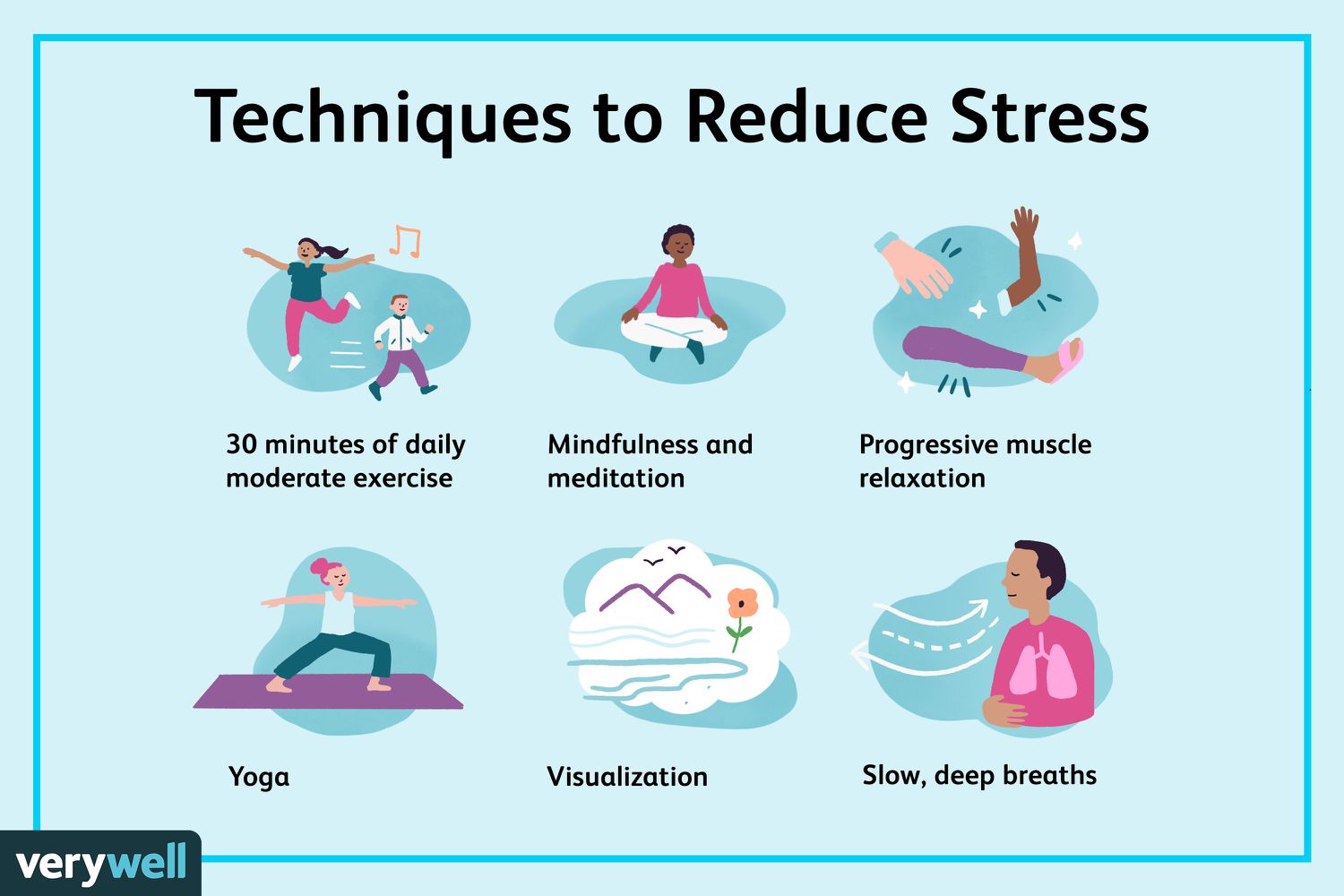
Key Takeaways
- Identify Patterns: Consistently tracking stressors helps in recognizing recurring triggers and patterns in your daily life.
- Enhance Coping Strategies: Understanding your stress responses enables the development of effective coping mechanisms tailored to your needs.
- Improve Overall Well-being: Regular reflection on stress levels and triggers contributes to better mental health and increased resilience.
Introduction to Weekly Stressors Tracking
Managing stress effectively requires a proactive approach to understanding and mitigating its sources. A Weekly Stressors Tracker is a valuable tool designed to help individuals monitor stress levels, identify triggers, and develop strategies to cope with stress more efficiently. By systematically recording stressful events and responses, you can gain insights into your stress patterns and take actionable steps towards enhancing your well-being.
Benefits of Using a Weekly Stressors Tracker
1. Identifying Stress Patterns
Consistently tracking stressors over the course of a week allows you to identify recurring themes and patterns in your stress experiences. This awareness is the first step towards effective stress management, as it highlights the specific areas in your life that may need attention or adjustment.
2. Enhancing Self-Awareness
By documenting your stress levels and responses, you become more attuned to how you react in various situations. This enhanced self-awareness can help you recognize early signs of stress and implement coping strategies before it escalates.
3. Facilitating Effective Coping Strategies
Understanding your stress triggers and responses enables you to develop personalized coping mechanisms. Whether it's adopting relaxation techniques, time management skills, or seeking social support, a stressors tracker provides the insights needed to choose the most effective strategies for your situation.
Components of an Effective Weekly Stressors Tracker
An effective Weekly Stressors Tracker should encompass several key components that collectively provide a comprehensive overview of your stress experiences. Below are the essential elements to include:
1. Stress Level
Rate your stress on a scale of 1 to 5, where:
- 1: Minimal stress
- 2: Mild stress
- 3: Moderate stress
- 4: High stress
- 5: Extreme stress
2. Duration of the Stress
Note how long the stressful episode lasted. This can range from a few minutes to several hours, depending on the situation.
3. Context/Location
Describe the specific circumstances or location where the stress occurred. Common contexts might include:
- Workplace
- Home environment
- Commute or traffic
- Social gatherings
- Public places
4. Day of the Week
Record the day when the stressor occurred. Tracking by day helps in identifying if certain days are more stressful than others.
5. Time of Day
Document the specific time when the stress occurred. This could help in pinpointing patterns related to time, such as morning stress from a hectic start or evening stress from unresolved tasks.
6. Cause/Trigger
Identify the event or trigger that immediately preceded and led to the stress. Common causes include:
- Work deadlines
- Personal conflicts
- Unexpected events
- Health-related issues
- Financial concerns
7. Response
Record your emotional and behavioral responses to the stressful event. This includes both your feelings and actions, such as:
- Feelings of anxiety, anger, sadness
- Taking a break, practicing deep breathing
- Seeking support from friends or family
- Engaging in physical activity
8. Behavioral and Emotional Reactions
Detail how you reacted both emotionally and behaviorally. Understanding these reactions can help in adjusting future responses to stressors.
Setting Up Your Weekly Stressors Tracker
Creating a structured and comprehensive Weekly Stressors Tracker ensures that you capture all necessary information. Below is a suggested layout that incorporates all essential components:
Chart Layout
| Day | Time of Day | Stress Level (1-5) | Duration of Stress | Context | Cause | Response |
|---|---|---|---|---|---|---|
| Monday | 9:00 AM | 4 | 30 minutes | Office | Meeting | Frustration, anxiety |
| Tuesday | 2:00 PM | 3 | 1 hour | Home | Family disagreement | Anger, took a walk |
Daily Entry Instructions
For each day of the week, fill in the following details:
- Day: Write the day of the week (e.g., Monday, Tuesday).
- Time of Day: Specify the time when the stress occurred.
- Stress Level: Rate your stress on a scale of 1 to 5.
- Duration of Stress: Note how long the stressful episode lasted.
- Context: Describe the circumstances or location of the stress.
- Cause: Identify the immediate trigger of the stress.
- Response: Record your emotional and behavioral reactions.
Tips for Effective Tracking
1. Be Consistent
Consistency is key to obtaining meaningful insights. Ensure that you fill out your stressors tracker daily to capture all relevant data.
2. Be Honest and Detailed
Provide honest and thorough entries. Detailed descriptions of each stressor and your responses will yield more accurate patterns and insights.
3. Set Aside Time for Reflection
At the end of each week, set aside time to review your entries. Reflecting on the data can help you identify significant patterns and areas for improvement.
4. Look for Recurring Triggers
Identify any recurring stress triggers. Understanding these can help you take proactive measures to mitigate their impact in the future.
5. Develop Coping Strategies
Based on your tracker insights, develop and implement coping strategies tailored to your specific stressors and responses.
Weekly Reflection and Analysis
Once a week, review your stressors tracker to analyze the collected data. This reflection process can help you:
- Identify Patterns: Spot trends in your stress levels and triggers throughout the week.
- Evaluate Coping Mechanisms: Assess the effectiveness of your responses to stress and make necessary adjustments.
- Set Goals: Establish specific goals to manage or reduce stress in identified areas.
Example Reflection Questions:
- Which day of the week was the most stressful for me? Why?
- What were the most common triggers of my stress?
- How effective were my coping strategies in managing stress?
- What changes can I implement to better handle similar stressors in the future?
Advanced Features for Enhanced Tracking
1. Incorporate Coping Methods
Adding a section for "Coping Methods" can help you track which strategies are most effective in managing your stress.
2. Visual Data Representation
Utilize charts or graphs to visualize stress levels over the week. Visual representation can make it easier to identify trends and patterns.
3. Digital Tools and Apps
Consider using digital tools or apps designed for stress tracking. These platforms often include features like reminders, data visualization, and analysis tools to enhance your tracking experience.
Sample Weekly Stressors Tracker Template
Printable Version
Below is a printable version of a Weekly Stressors Tracker that you can use to monitor your stress throughout the week. Feel free to modify it according to your personal needs.
| Day | Time of Day | Stress Level (1-5) | Duration of Stress | Context | Cause | Response |
|---|---|---|---|---|---|---|
| Monday | 9:00 AM | 4 | 30 minutes | Office | Meeting | Frustration, anxiety |
| Tuesday | 2:00 PM | 3 | 1 hour | Home | Family disagreement | Anger, took a walk |
| Wednesday | 5:00 PM | 5 | 15 minutes | Commute | Heavy traffic | Stress, listened to music |
| Thursday | 11:00 AM | 2 | 20 minutes | Office | Email overload | Managed schedule, prioritized tasks |
| Friday | 6:00 PM | 3 | 45 minutes | Gym | Delayed workout equipment | Rescheduled, practiced deep breathing |
Integrating Technology for Stress Tracking
Digital Tracking Tools
Embracing digital tools can streamline your stress tracking process. Various applications offer features like automated reminders, data synchronization across devices, and analytical insights to enhance your tracking experience.
Benefits of Using Apps
- Convenience: Access your tracker anywhere, anytime using your smartphone or computer.
- Automation: Utilize features like automatic time logging and reminders to ensure consistent tracking.
- Data Analysis: Leverage built-in analytics to gain deeper insights into your stress patterns and responses.
Popular Stress Tracking Apps
Consider using the following apps to enhance your stress tracking:
- Craft Stress Log Template
- Develop Good Habits Stress Management Worksheets
- Verywell Mind Journaling Benefits
- ToolsHero Stress Diary
Advanced Tracking Techniques
1. Incorporate Physical Activity Tracking
Adding elements such as physical activity can provide a more holistic view of your stress management. Tracking exercises or relaxation techniques can help correlate physical activity with stress levels.
2. Monitor Sleep Patterns
Sleep quality and duration significantly impact stress levels. By tracking your sleep alongside your stressors, you can identify how sleep affects your stress and make necessary adjustments to improve both.
3. Include Mood Tracking
Mood tracking alongside stress levels can offer deeper insights into your emotional well-being. Understanding the interplay between your mood and stress can aid in comprehensive stress management.
Conclusion
A Weekly Stressors Tracker is an indispensable tool for anyone looking to take control of their stress and improve their overall well-being. By systematically recording and analyzing stressors, you can gain valuable insights into your stress patterns, enabling you to develop effective coping strategies tailored to your unique situation. Whether you prefer a physical journal or a digital application, the key is consistency and honest reflection. Embrace this structured approach to stress management and take proactive steps towards a healthier, more balanced life.
References
 nova-live-content.s3.eu-west-2.amazonaws.com
Conclusion
Implementing a Weekly Stressors Tracker can significantly enhance your ability to manage stress effectively. By meticulously recording and reflecting on your stress experiences, you can identify key stressors, understand your responses, and develop strategies to mitigate stress impact. Whether you choose a traditional journal or leverage digital tools, the consistency and honesty in tracking are paramount to reaping the full benefits of this practice. Commit to this structured approach and take proactive steps towards achieving a healthier, more balanced life.
Last updated February 13, 2025