
WeFlex Australia Under Scrutiny: An In-Depth Look at NDIS Service Allegations
Examining claims of NDIS misuse, questionable practices, and internal culture concerns surrounding the disability fitness provider.
Key Insights & Takeaways
- No Confirmed Official Actions: While numerous anecdotal reports raise concerns, there is currently no public record of formal investigations or regulatory actions by the NDIS Commission, ATO, or Fair Work specifically against WeFlex Australia.
- Divergent Narratives: A significant gap appears between WeFlex's public image of inclusivity and user/employee reports alleging issues like NDIS fund misuse, sales pressure, and a challenging internal culture.
- Systemic NDIS Market Risks: The allegations surrounding WeFlex mirror broader systemic risks within the marketised NDIS framework, including potential for overcharging, service misalignments, and exploitation.
WeFlex Australia positions itself as a key provider of personal training and fitness support services for individuals funded through the National Disability Insurance Scheme (NDIS). Their stated mission is to make exercise inclusive and accessible for people with disabilities by connecting them with trained fitness professionals. However, user and employee reports across various online platforms have prompted questions regarding their operational practices, ethical standards, and internal environment. This response synthesizes available information to address concerns about NDIS misuse, overcharging, contractor relations, clinical rigor, and internal culture at WeFlex.
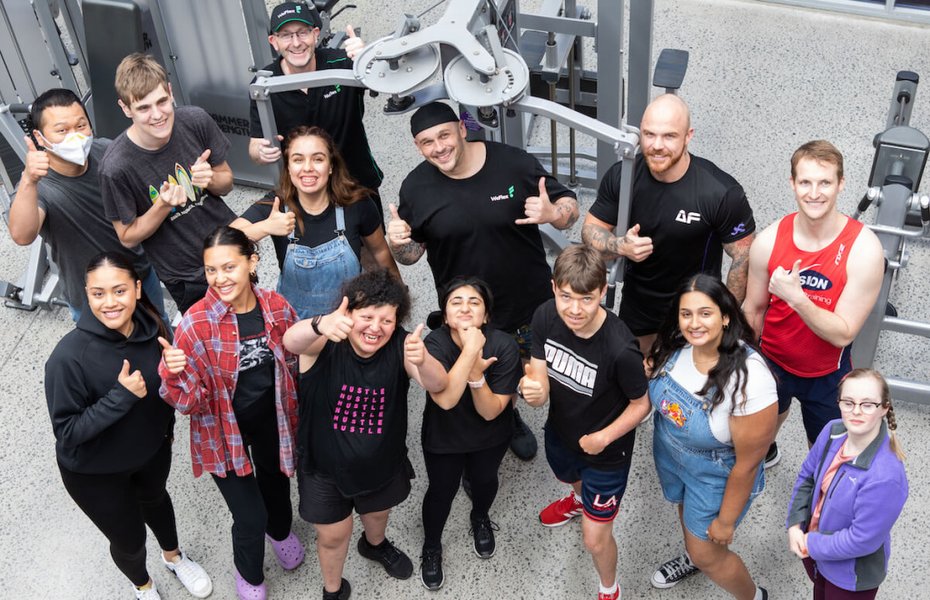
WeFlex aims to provide fitness support for NDIS participants.
1. Complaints and Official Investigations Status
Are there formal complaints or investigations by regulatory bodies?
As of May 2025, there are no publicly confirmed official investigations or enforcement actions specifically naming WeFlex Australia by key regulatory bodies such as the NDIS Quality and Safeguards Commission, the Australian Taxation Office (ATO), or Fair Work Australia. This is a crucial point: the absence of public enforcement action does not definitively mean no complaints exist, as many processes are confidential, but it indicates no major regulatory sanctions have been publicly announced against WeFlex.
However, the NDIS landscape is under heightened scrutiny. The NDIS Commission has reported a significant increase in complaints and reportable incidents generally, with a 78.2% rise in complaints in the 2023-24 financial year. The Commission and the Fraud Fusion Taskforce are actively investigating NDIS providers for issues like overcharging, billing for services not delivered, and other forms of fraud. While WeFlex is not named in public bulletins related to these crackdowns, the general environment is one of increased regulatory oversight.
Informal complaints and critical accounts are visible on platforms like Reddit, where users have shared negative experiences and, in some cases, discussed reporting WeFlex for perceived NDIS misuse or unethical practices. These anecdotal reports, while not official findings, contribute to a narrative of concern among some participants and observers.
2. Employee and Contractor Experiences
What do internal reports suggest about leadership and work environment?
Feedback from individuals identifying as current or former employees and contractors provides a mixed view of WeFlex's internal culture.
Glassdoor Reviews: A Mixed Bag
Reviews on platforms like Glassdoor present a bifurcated picture. Some reviewers praise WeFlex for a "good CEO," "supportive environment," flexible working patterns, good career progression, and a positive work-life balance. These accounts suggest that, for some, the experience has been favorable.
Conversely, other reviews highlight significant challenges. Negative feedback points to issues such as "poor communication," "chaotic workloads," "stress," and high "sales pressure." These descriptions suggest an environment that could contribute to employee burnout and dissatisfaction.
Reddit and Online Forums: Allegations of Problematic Practices
Discussions on forums like Reddit's r/NDIS paint a more critical picture. Some users, identifying as clients or workers, have made allegations of a "toxic" culture, "gaslighting" tactics, and "fake inclusion"—where the company's public emphasis on inclusivity does not match internal realities or service delivery. There are claims that contractors or trainers face exploitative work conditions, though specifics are often anecdotal.
While terms like "narcissistic leadership" have been used in broad queries about NDIS providers, there is no direct, substantiated evidence from the provided sources linking named WeFlex leadership to clinically defined narcissistic traits or systematic retaliation against whistleblowers in formal reports. However, the cumulative anecdotal evidence points towards leadership and management styles that some perceive as causing emotional strain and contributing to a high-pressure environment.

Group fitness sessions are one aspect of NDIS-supported activities.
3. NDIS Funding and Service Delivery Concerns
Are there signs of NDIS fund misuse or overcharging?
A significant area of concern revolves around how WeFlex utilizes NDIS funds, particularly Capacity Building funds, and whether services align with NDIS principles.
Capacity Building vs. Generic Personal Training
NDIS Capacity Building supports are intended to help participants build their independence and skills. WeFlex states it provides individualized, NDIS-registered services. However, a recurring concern in community discussions is whether NDIS funds are sometimes used for "generic personal training" rather than specialized, goal-oriented programs tailored to a participant's specific disability-related needs and capacity-building objectives. If services lack clinical rigour and are not distinct from standard fitness training, this could be seen as a misuse of funds intended for developmental support. WeFlex's own FAQ states that NDIS plans generally do not cover gym memberships, but the cost of *support to participate* in fitness may be eligible.
Overcharging and Billing Practices
Allegations of treating the NDIS as a "cash cow" appear in user reports. While direct evidence of systemic overcharging by WeFlex from official audits is not publicly available, WeFlex's cancellation policy has been noted as a point of interest. This policy reportedly allows them to charge 100% of the scheduled support cost if less than two business days' notice is given, with the fee claimed from the participant's NDIS plan. While cancellation policies are standard, their application and the claiming process are critical in the NDIS context to avoid perceived or actual overcharging for services not rendered or for late cancellations that might have valid reasons.
4. Public Image vs. Reported Realities
Does the marketing align with client and employee experiences?
There appears to be a notable divergence between WeFlex's public narrative and the experiences reported by some service users and personnel.
Marketing of Inclusivity and Expertise
WeFlex markets itself as a champion of inclusive fitness, dedicated to improving the lives of people with disabilities through adaptive exercise programs delivered by qualified professionals. They emphasize their NDIS registration and partnerships aimed at enhancing accessibility in fitness.
Reports of "Fake Inclusion" and Service Mismatches
Contrary to this polished image, some reports on platforms like Reddit and Glassdoor describe experiences that feel less than inclusive or genuinely supportive. Allegations of "fake inclusion" suggest that the marketing may be performative, not fully reflecting the operational culture or the actual focus of service delivery. Some participants and employees express skepticism, describing the company as potentially prioritizing profit ("cash cow" mentality) over participant-centred care. This disconnect can lead to dissatisfaction when services do not meet expectations set by marketing, or when clinical rigour in tailoring programs is perceived to be lacking.
Visualizing Perceptions: WeFlex's Profile
The following chart offers a visual representation comparing WeFlex's publicly projected image with the concerns raised in anecdotal user and employee reports across several key operational dimensions. The scores are illustrative, based on a synthesis of the available information, and aim to highlight the perceived gaps.
This chart illustrates a hypothetical gap: "WeFlex Stated Ideals/Marketing" suggests high performance in these areas, while "Concerns from User/Employee Reports" reflects the lower ratings implied by allegations of NDIS misuse, poor service quality, lack of transparency, stressful work environment, and damaged trust.
5. Sales Practices and Ethical Considerations
Is there pressure to prioritize sales over ethical client matching?
Concerns have been raised that commercial imperatives may overshadow ethical considerations in WeFlex's operations.
Sales-Driven Culture
Some employee reviews mention a "chaotic and stressful" sales workload and significant "sales pressure." This suggests a culture where meeting targets and maximizing the utilization of NDIS funds could be a primary driver. Such pressure can potentially lead to compromises in the ethical matching of clients with appropriate services or trainers, or rushing participants into services that may not fully align with their NDIS plan goals or personal preferences.
Ethical Matching Concerns
While WeFlex states it carefully matches clients with trained professionals, the reported sales pressure raises questions about whether this matching process is always driven by the participant's best interests or by business targets. If sales targets are paramount, there's a risk that services might be promoted aggressively, or that participant choice and true capacity-building needs take a backseat to securing NDIS funding.
Mapping the Concerns: WeFlex and the NDIS Ecosystem
A visual overview of interconnected issues.
The mindmap below illustrates the key areas of concern regarding WeFlex Australia and how they might interrelate within the broader NDIS context. It highlights how market pressures, internal practices, and service delivery aspects can influence participant outcomes and perceptions of the provider.
(e.g., 'cash cow' perception)"] id1b["Capacity Building vs. Generic PT"] id1c["Overcharging/Billing Practices
(e.g., cancellation policy)"] id2["Internal Culture & Operations"] id2a["Employee/Contractor Experiences
(mixed reviews, stress, burnout)"] id2b["Alleged Toxic Elements
(gaslighting, poor communication)"] id2c["Sales Pressure & Targets"] id3["Service Delivery & Ethics"] id3a["Clinical Rigour & Quality"] id3b["Ethical Matching of Clients/Services"] id3c["Marketing vs. Reality
('fake inclusion' claims)"] id4["Regulatory & Market Context"] id4a["Absence of Confirmed
Official Investigations (WeFlex specific)"] id4b["Broader NDIS Marketisation Risks
(fraud, exploitation potential)"] id4c["Increased NDIS Commission Scrutiny (General)"] id5["Participant & Public Perception"] id5a["Anecdotal Reports
(Reddit, online forums)"] id5b["Trust & Transparency Issues"]
This mindmap connects themes such as how NDIS fund utilization is reportedly influenced by sales pressures within the internal culture, leading to questions about service delivery ethics and quality. These, in turn, shape participant perception and exist within the wider context of NDIS market risks and regulatory oversight.
Provider+ Review: Successful NDIS Provider Tommy Trout- WeFlex Business Journey.
This video features Tommy Trout, reportedly associated with WeFlex, discussing the business journey. It offers a perspective on how NDIS providers, including WeFlex, present their mission and operations. Watching such content can provide insight into the company's self-portrayal, which can then be contrasted with the user and employee experiences discussed elsewhere. It highlights the narrative WeFlex aims to project regarding its role and success within the NDIS framework.
Broader NDIS Marketisation Risks
Systemic challenges in the NDIS market.
The concerns surrounding WeFlex, whether fully substantiated or anecdotal, are reflective of broader systemic risks inherent in the marketisation of the NDIS. The introduction of a competitive market for disability services aims to provide choice and control to participants but also creates opportunities for:
- Profit-driven behaviours: Providers may prioritize financial returns over participant outcomes, leading to issues like overcharging, unnecessary upselling of services, or cutting corners on service quality.
- Information asymmetry: Participants may not always have the information or capacity to discern high-quality, ethical providers from those with questionable practices.
- Thin markets and provider opportunism: In some areas or for certain specialized services, a lack of provider choice can lead to participants accepting suboptimal services.
- Regulatory challenges: Overseeing a diverse and rapidly expanding market of thousands of providers is complex, making it difficult to detect and address all instances of fraud, waste, or unethical conduct promptly. The NDIS Commission's increased activity and the Fraud Fusion Taskforce's work underscore these challenges.
- Worker exploitation: In a competitive market, pressures to reduce costs can sometimes lead to poor working conditions or exploitation of frontline staff and contractors.
These systemic risks mean that NDIS providers, including WeFlex, operate in an environment where vigilance from participants, advocates, and regulatory bodies is crucial to ensure the integrity of the scheme and the well-being of people with disabilities.
Summary of Evidence Sources
Assessing the credibility of information.
The table below summarizes the types of evidence discussed and their general credibility when evaluating concerns related to WeFlex Australia. It's important to note that much of the critical information is anecdotal and requires careful consideration.
| Source Type | Key Findings / Allegations Related to WeFlex | General Credibility Level | Notes |
|---|---|---|---|
| NDIS Official Websites & News (NDIS Commission, NDIS.gov.au) | No specific public investigations/penalties naming WeFlex. General information on NDIS fraud, complaints processes, and market oversight. | Very High | Authoritative source for regulatory context and official NDIS policies. Does not confirm allegations against specific unnanounced providers. |
| Reddit (e.g., r/NDIS) | Anecdotal reports from users (participants, workers) alleging NDIS fund misuse, "cash cow" mentality, poor internal culture, sales pressure, gaslighting, fake inclusion. | Medium | Valuable for crowd-sourced insights and participant/worker perspectives. Subjective, potentially biased, and unverified claims. Useful for identifying patterns of concern. |
| Glassdoor & Indeed Reviews | Mixed employee feedback: some positive (good leadership, work-life balance), others negative (stress, poor communication, high sales workload, chaotic environment). | Medium | Provides anonymous employee perspectives. Subjective and can be influenced by individual experiences. Consistent themes can indicate broader issues. |
| WeFlex Official Website & Marketing Materials (weflex.com.au) | Promotes inclusive, adaptive fitness, NDIS registration, clinical qualifications, positive participant outcomes. | High for Self-Representation (Low for Objective Assessment) | Represents the company's intended public image and service claims. Naturally promotional; may not reflect internal realities or all client experiences. |
| General Media & News Reports on NDIS | Context on systemic NDIS risks, fraud investigations, and market challenges (generally not naming WeFlex specifically in major investigations). | High | Provides context for understanding the operational environment and potential vulnerabilities within the NDIS sector. |
Frequently Asked Questions (FAQ)
Is WeFlex Australia currently under formal investigation by NDIS authorities?
Based on publicly available information as of May 2025, there are no confirmed, ongoing formal investigations by the NDIS Quality and Safeguards Commission, ATO, or Fair Work specifically naming WeFlex Australia. However, the NDIS Commission actively investigates providers based on complaints and intelligence, and these processes are often confidential unless public action is taken.
What are the main concerns raised by users and employees regarding WeFlex?
Concerns frequently mentioned in anecdotal reports include: perceptions of NDIS funds being misused (e.g., for "generic" personal training rather than tailored capacity building), a "cash cow" mentality, high sales pressure, a mismatch between marketed inclusivity and actual experiences ("fake inclusion"), stressful work conditions for employees/contractors, and issues with communication and transparency.
How does WeFlex describe its services and approach?
WeFlex presents itself as a provider of inclusive and adaptive fitness and support services for NDIS participants. They emphasize matching clients with qualified fitness professionals trained to support individuals with various disabilities, aiming to improve health, well-being, and community participation.
Are the types of concerns raised about WeFlex unique, or common in the NDIS market?
Many of the concerns, such as potential overcharging, questions about service quality versus cost, and pressures within a marketised system, are reflective of broader risks and challenges identified across the NDIS sector. The NDIS Commission is actively working to address such issues systemically.
Recommended Further Exploration
- How to effectively report concerns about an NDIS provider's practices to the NDIS Quality and Safeguards Commission?
- What are the common red flags for NDIS fraud and overcharging by service providers that participants should watch for?
- Understanding NDIS Capacity Building funds: What types of services are genuinely eligible and how should they be documented?
- What are the established best practices for NDIS providers in ensuring ethical service delivery, transparent communication, and genuine client well-being?
References
Last updated May 19, 2025