
Ultimate Guide to Rapid Weight Loss: From 125kg to 73kg in One Year
Transform your body safely and effectively with a comprehensive plan
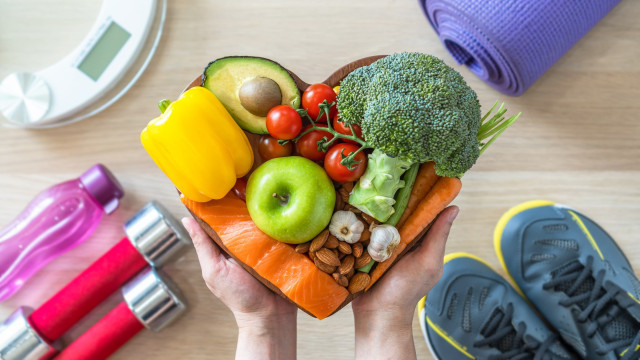
Key Takeaways
- Set Realistic Goals: Aim for a steady loss of 1-1.5 kg per week.
- Balanced Nutrition: Focus on whole foods, adequate protein, and proper hydration.
- Consistent Exercise: Incorporate both cardio and strength training into your routine.
1. Setting Realistic and Measurable Goals
Establishing a Clear Weight Loss Timeline
Embarking on a weight loss journey from 125kg to 73kg requires dedication, structured planning, and realistic expectations. Breaking down the total weight loss goal of 52kg into achievable milestones is essential for maintaining motivation and ensuring sustained progress.
- Weekly Targets: Aim to lose approximately 1-1.5 kg per week, aligning with health guidelines to prevent muscle loss and metabolic slowdown.
- Monthly Milestones: Setting smaller goals, such as 4-6 kg per month, helps in tracking progress and adjusting strategies as needed.
- Long-Term Vision: Focus on developing sustainable habits rather than seeking quick fixes that may lead to regaining weight.
2. Calculating and Creating a Caloric Deficit
Understanding Your Body’s Energy Needs
Achieving significant weight loss hinges on creating a consistent caloric deficit, where the number of calories consumed is less than those expended by the body.
- Determine Total Daily Energy Expenditure (TDEE): Utilize reliable calorie calculators to estimate your daily caloric needs based on age, gender, weight, height, and activity level.
- Set Caloric Goals: Aim for a daily deficit of 500-1,000 calories, which can facilitate a loss of approximately 0.5-1 kg per week.
- Monitor Intake: Use apps like MyFitnessPal or Lose It! to track your daily calorie intake and ensure adherence to your deficit plan.
3. Prioritizing Balanced Nutrition
Building a Sustainable and Nourishing Diet
A well-rounded diet is crucial for effective weight loss and overall health. Emphasizing nutrient-dense foods while maintaining a caloric deficit promotes fat loss while preserving muscle mass.
a. Emphasize Whole Foods
- Lean Proteins: Incorporate sources like chicken, fish, eggs, tofu, and legumes to support muscle maintenance and satiety.
- Vegetables and Fruits: Aim for at least 10 portions daily to provide essential vitamins, minerals, and fiber.
- Whole Grains: Choose brown rice, quinoa, oats, and whole wheat products over refined carbohydrates to ensure sustained energy levels.
b. Healthy Fats in Moderation
- Sources: Nuts, seeds, avocados, and olive oil contribute to hormonal balance and satiety.
- Portion Control: While healthy fats are beneficial, they are calorie-dense and should be consumed in controlled amounts.
c. Limit Processed Foods and Sugars
- Avoid sugary snacks, fried foods, and beverages high in added sugars to reduce empty calorie intake.
- Opt for natural sweeteners and unprocessed foods to maintain a healthier calorie profile.
d. Hydration
- Drink at least 2-3 liters of water daily to support metabolism, digestion, and appetite control.
- Consider beverages like herbal teas and infused water to enhance hydration without added calories.
e. Sample Meal Plan
| Meal | Example |
|---|---|
| Breakfast | 3 boiled eggs, sautéed spinach, 1 slice of whole grain toast |
| Snack | Greek yogurt with a handful of almonds |
| Lunch | Grilled chicken salad with olive oil and lemon dressing, small sweet potato |
| Snack | Sliced cucumber with hummus |
| Dinner | Baked salmon, steamed broccoli, quinoa |
4. Incorporating Effective Exercise Routines
Balancing Cardio and Strength Training
Exercise plays a pivotal role in burning calories, building muscle, and enhancing overall health. A balanced approach ensures maximum fat loss while preserving lean muscle mass.
a. Cardiovascular Workouts
- Frequency: Engage in 4-5 cardio sessions per week, each lasting between 30-60 minutes.
- Types: Include activities like running, cycling, swimming, brisk walking, or using an elliptical machine to keep routines varied and engaging.
- Intensity: Incorporate both moderate and high-intensity intervals to boost metabolic rate and calorie burn.
b. Strength Training
- Frequency: Perform 2-3 strength training sessions weekly.
- Focus: Emphasize compound movements such as squats, deadlifts, bench presses, push-ups, and rows to engage multiple muscle groups.
- Benefits: Builds and preserves muscle mass, which in turn increases Basal Metabolic Rate (BMR) and supports long-term fat loss.
c. Low-Intensity Activities
- Incorporate activities like walking, climbing stairs, or practicing yoga on rest days to maintain daily activity levels and promote active recovery.
- These activities help in burning additional calories without overtaxing the body.
d. Progression and Adaptation
- Begin with exercises suited to your current fitness level and gradually increase intensity, duration, and complexity to continue challenging your body.
- Consistency is key; sticking to your exercise regimen ensures steady progress towards your weight loss goals.
5. Monitoring and Tracking Progress
Utilizing Tools and Techniques for Effective Tracking
Regular monitoring helps in assessing the effectiveness of your weight loss strategies and making necessary adjustments.
a. Weighing and Measuring
- Weigh yourself consistently at the same time each week to track overall weight loss.
- Measure body composition through waist circumference, body fat percentage, and other metrics to ensure fat loss rather than muscle loss.
b. Journaling and Logging
- Maintain a food and exercise journal to document daily intake and physical activity.
- Use apps like MyFitnessPal or Lose It! to streamline tracking and gain insights into your habits.
c. Fitness Monitoring
- Employ fitness trackers or smartwatches to monitor steps, workouts, and calories burned.
- Analyze trends over time to identify areas of improvement and celebrate milestones.
6. Lifestyle Modifications for Sustainable Weight Loss
Adopting Healthy Habits Beyond Diet and Exercise
Long-term weight loss success is deeply intertwined with overall lifestyle choices. Implementing positive changes can enhance your weight loss journey and maintain the results achieved.
a. Quality Sleep
- Aim for 7-8 hours of quality sleep each night to regulate hunger hormones and support metabolic functions.
- Establish a consistent sleep schedule and create a restful environment to improve sleep quality.
b. Stress Management
- Chronic stress can lead to emotional eating and hinder weight loss efforts. Engage in stress-reduction activities like meditation, deep breathing exercises, or yoga.
- Adopt hobbies and practices that promote relaxation and mental well-being.
c. Mindful Eating
- Practice eating slowly and savoring each bite to enhance satiety and prevent overeating.
- Be mindful of hunger and fullness cues to make informed eating decisions.
d. Meal Planning and Preparation
- Plan meals in advance to ensure adherence to your dietary goals and prevent impulsive eating.
- Prepare meals in bulk to save time and maintain control over ingredients and portion sizes.
e. Social Support
- Share your weight loss goals with family and friends to garner support and accountability.
- Join online communities or support groups to connect with others on similar journeys for motivation and encouragement.
7. Professional Support and Guidance
Leveraging Expertise for Optimal Results
Seeking professional assistance can provide personalized strategies, accountability, and expertise, enhancing the effectiveness of your weight loss plan.
- Consult Healthcare Providers: Before initiating a weight loss program, consult with a physician to assess your health status and receive tailored recommendations.
- Registered Dietitian: A dietitian can craft a personalized meal plan that aligns with your nutritional needs and weight loss goals.
- Personal Trainer: Working with a certified trainer ensures that your exercise regimen is safe, effective, and progressively challenging.
- Therapist or Counselor: Addressing emotional or psychological barriers to weight loss with a mental health professional can support sustainable behavior changes.
8. Overcoming Challenges and Plateaus
Staying Resilient Through Weight Loss Hurdles
Plateaus and challenges are natural parts of the weight loss journey. Developing strategies to navigate these obstacles ensures continued progress and prevents discouragement.
- Adjust Caloric Intake: Re-evaluate your caloric needs as your weight decreases and adjust your intake to maintain a caloric deficit.
- Enhance Workout Intensity: Incorporate more challenging exercises or increase workout duration to boost calorie burn.
- Variety in Diet: Introduce new healthy foods and recipes to keep your diet interesting and prevent boredom.
- Stay Patient and Persistent: Understand that plateaus are temporary and continue adhering to your plan.
9. Avoiding Dangerous Shortcuts
Prioritizing Health Over Rapid Results
While the desire for quick weight loss is understandable, resorting to unsafe methods can have detrimental effects on your health and undermine long-term success.
-
Steer Clear of Fad Diets: Avoid extreme low-carb, mono, or detox diets that are unsustainable and may lead to nutrient deficiencies.
-
Limit Supplement Use: Refrain from using weight-loss pills or supplements that promise rapid results without proven efficacy.
-
Focus on Balanced Approaches: Emphasize gradual, sustainable changes over drastic measures to ensure lasting weight loss and overall well-being.
10. Conclusion
Embracing a Holistic and Sustainable Weight Loss Journey
Losing weight from 125kg to 73kg within a year is a formidable yet attainable goal. Success hinges on a multifaceted approach that combines realistic goal-setting, balanced nutrition, consistent exercise, lifestyle modifications, and professional support. By fostering sustainable habits and remaining patient and resilient, you can achieve lasting weight loss and improved health.
References
By adhering to these comprehensive guidelines and maintaining unwavering commitment, you can successfully achieve your weight loss target in a healthy and sustainable manner.
Last updated January 20, 2025