
Addressing Weight Gain and an Enlarged Stomach
Effective strategies for medication management, diet, and exercise
Highlights
- Medication Influence: Amitriptyline can increase appetite and promote weight gain.
- Lifestyle Adjustments: A balanced diet and regular exercise are crucial.
- Holistic Approaches: Managing stress, hydration, and meal frequency helps reduce bloating and visceral fat.
Understanding the Situation
You mentioned that you have always been skinny and even underweight at times, but over the past 18-24 months, you’ve experienced a significant weight gain—about 15 kilos—bringing your weight to around 77-78 kilos. Given your long-term use of amitriptyline for migraines (10-20 mg daily), it is important to recognize that this medication is known to potentially cause weight gain and changes in appetite. This weight gain might also be coupled with hormonal shifts and adjustments in metabolism that are common as one approaches 40 years old.
Medication and Weight Gain
Amitriptyline’s Impact
Amitriptyline, a tricyclic antidepressant, is known to be associated with side effects such as increased appetite, which can lead to weight gain. Many individuals taking this medication experience increased cravings—especially for carbohydrates and sweets. This can result from the way the medication interacts with histamine receptors and other pathways related to satiety, leading to a feeling of increased hunger.
It is important to have a discussion with your healthcare provider about these side effects to consider whether medication adjustments or alternative treatments might be more suitable if weight gain is a concern.
Influence on Abdominal Appearance
The enlarged stomach area could be attributed to a combination of factors. While visceral fat accumulation is the primary reason for an increase in waist circumference, you also mentioned that your stomach “feels” like it contains air. This sensation can be due to bloating, often caused by diet, slowed digestion, or increased gas production—possibly as a side effect of the medication.
Actionable Strategies To Reduce Your Stomach Size
1. Dietary Adjustments
Balanced Nutrition
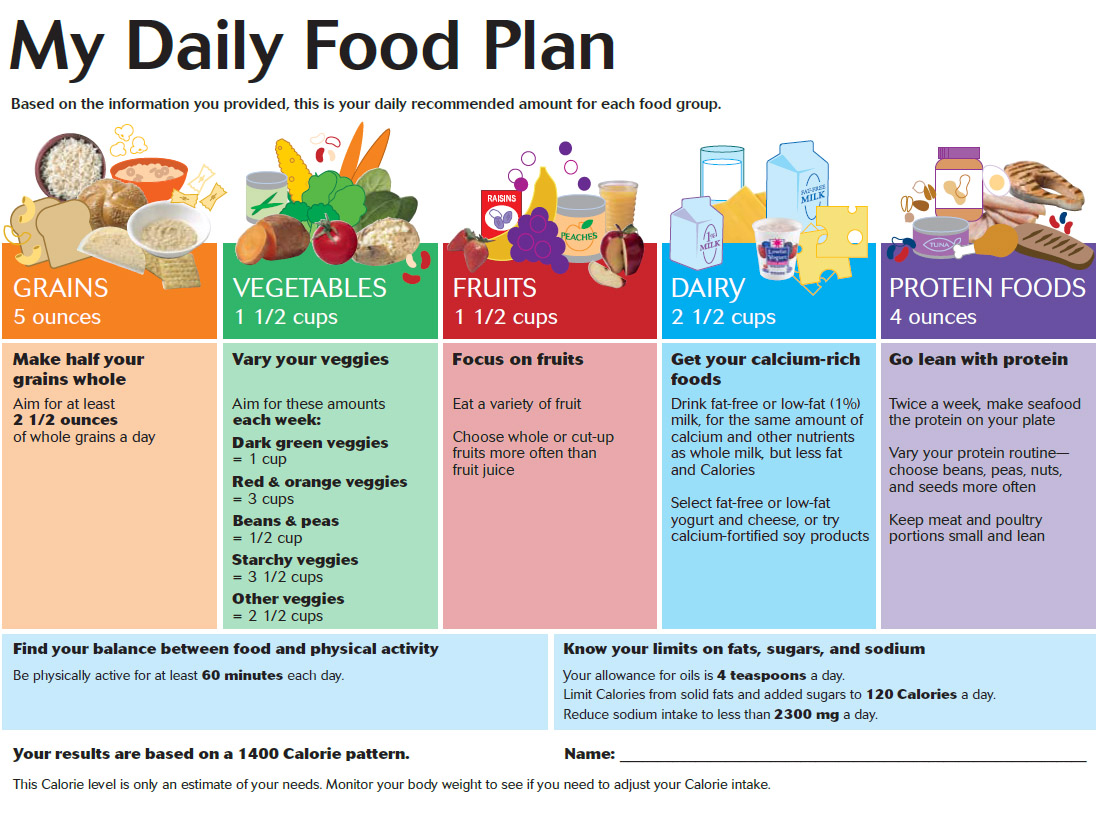
Consider shifting your diet to focus on whole, unprocessed foods. A balanced diet that includes plenty of fruits, vegetables, whole grains, and lean proteins can help moderate your calorie intake and provide the nutrients your body needs.
Avoiding processed foods, sugary snacks, and high-fat meals can reduce overall calorie intake, potentially minimizing further fat accumulation especially around your midsection.
Fiber and Meal Timing
Increasing your fiber intake is essential. Foods high in fiber, such as legumes, whole grains, and vegetables, promote a feeling of fullness and help regulate digestion. In addition, smaller and more frequent meals instead of a few large ones can "train" your stomach to feel full with less food, which might also help reduce bloating.
2. Exercise and Physical Activity
Cardiovascular and Strength Training
Regular aerobic exercise, such as brisk walking, jogging, cycling, or swimming, is very useful in burning calories and reducing visceral fat. Incorporating at least 30 to 60 minutes of cardio activity most days of the week can contribute significantly to overall weight management.
Strength training twice a week can also play an essential role in building muscle mass. Increased muscle mass helps boost your resting metabolic rate, meaning your body will burn more calories even when at rest.
Core Exercises and Posture
Including exercises that target your abdominal muscles can improve your core strength and posture, indirectly enhancing the appearance of your midsection. Though spot reduction in fat is not feasible, the combination of overall weight loss and muscle strengthening can help create a more toned look.
3. Managing Bloating and Digestive Health
Hydration and Eating Habits
Drinking plenty of water is crucial for digestion and can help reduce bloating. Eating slowly and mindfully can also prevent swallowing excess air, which may contribute to the sensation of an “airy” or bloated stomach.
Foods to Ease Bloating
Incorporate foods known to alleviate gastrointestinal discomfort. Ginger, peppermint tea, and certain probiotics can help improve digestion and reduce bloating. Additionally, identifying and avoiding foods that trigger gas—such as carbonated beverages, legumes, or certain cruciferous vegetables—might be beneficial.
4. Lifestyle and Medical Consultation
Overall Health Evaluation
Given the complex interplay of factors—from medication side effects to dietary habits and physical inactivity—a comprehensive medical evaluation is essential. Consulting with your doctor can help rule out other potential causes of weight gain or bloating, such as thyroid imbalances or other metabolic conditions.
Stress Management
Stress and poor sleep also influence weight and fat distribution. High stress levels can increase cortisol, a hormone known to contribute to fat deposition in the abdominal area. Techniques such as meditation, yoga, or simply ensuring 7-8 hours of quality sleep per night can have a substantial positive impact on your overall well-being.
Diet and Exercise Comparison Table
| Category | Focus Area | Recommendations |
|---|---|---|
| Diet | Balanced Nutrition | Whole foods, lean proteins, and fiber-rich vegetables and grains; avoid processed foods and sugary snacks. |
| Meal Timing | Portion Control | Eat smaller, frequent meals to train the stomach and maintain stable blood sugar levels. |
| Physical Activity | Aerobic Exercise | 30-60 minutes of cardio 5 times per week for burning visceral fat and overall weight loss. |
| Physical Activity | Strength Training | At least 2 sessions per week to build muscle mass and increase metabolic rate. |
| Hydration | Fluid Intake | Drink plenty of water, limit carbonated drinks; aids in digestion and reduces bloating. |
| Lifestyle | Stress and Sleep | Practice stress-reduction techniques and ensure 7-8 hours of sleep to balance cortisol levels. |
Additional Considerations
Medication Discussion
While amitriptyline is effective for migraines, its side effects related to weight gain might warrant a conversation with your healthcare provider. Explain your concerns and ask about any possible adjustments, or if alternative treatments might be considered that have a lower risk for weight gain.
Long-Term Strategies
Healthy weight loss is a gradual process. Continue to monitor how your body responds to dietary changes and exercise. Be patient, as sustainable changes typically take several months to show clear results. Keeping a food and exercise diary may also help you identify triggers—be they related to the medication, dietary choices, or other lifestyle factors—that contribute to bloating or increased abdominal fat.
Monitoring and Consultation
Regular check-ups with your healthcare provider can ensure you are on the right path and allow you to adjust your plan as needed. If you notice persistent bloating, discomfort, or unexpected changes in your weight, further evaluations or tests might be necessary to rule out digestive issues or other underlying conditions.
References
- How to Get Rid of Upper Stomach Fat - WikiHow
- Belly Fat in Women - Mayo Clinic
- Amitriptyline Side Effects - Drugs.com
- Tips for Losing Belly Fat - Cleveland Clinic
- Understanding Abdominal Fat - Medical News Today
Recommended Further Searches
Last updated March 21, 2025