
The Impact of Inadequate Welding Tools on Productivity and Quality
An In-Depth Examination of Survey Insights and Operational Implications
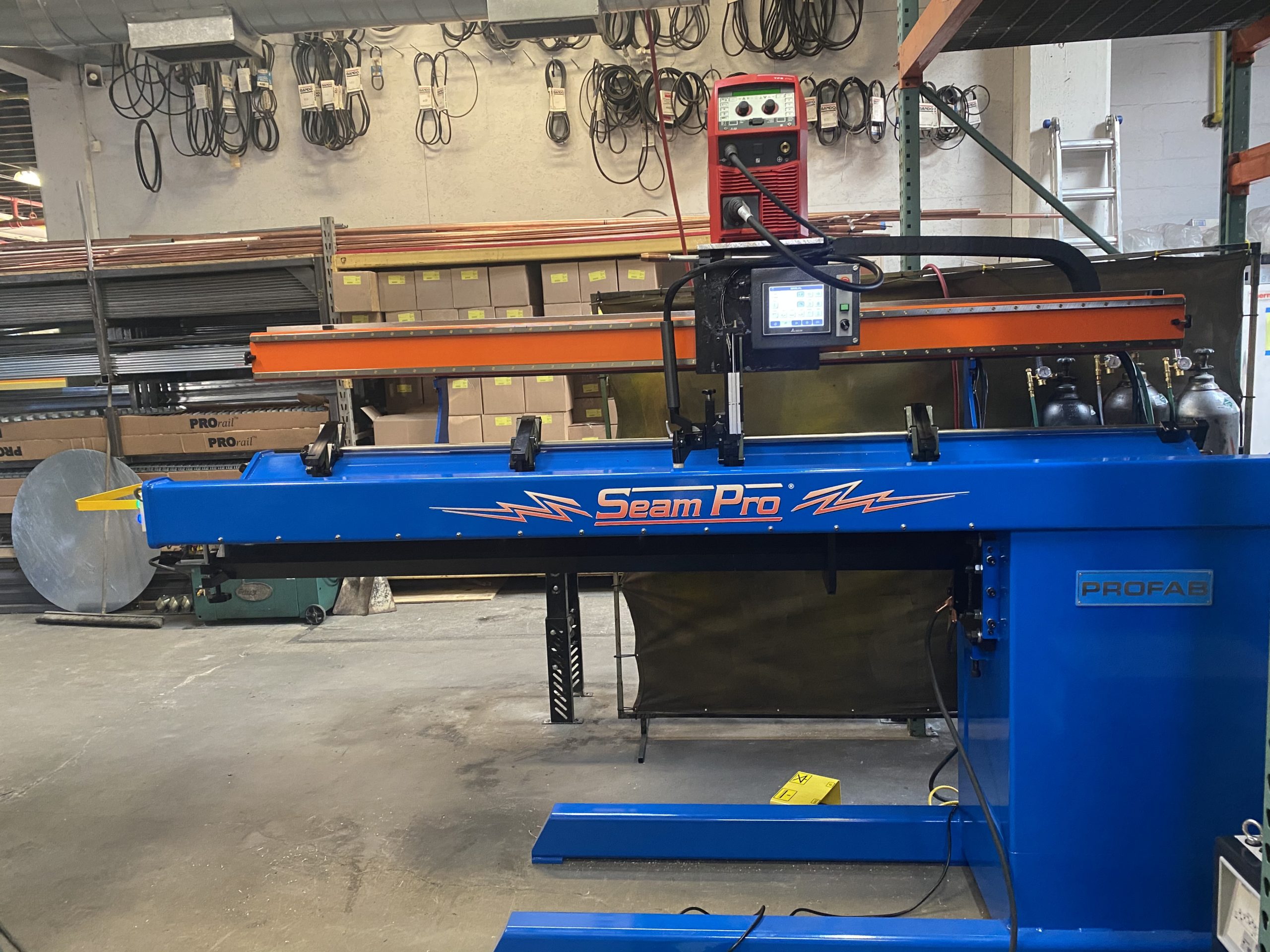
Key Takeaways
- Welding Machines and Steel Brushes: Core tools that, when inadequate, significantly undermine production efficiency and weld quality.
- Operational Delays: Insufficient equipment not only leads to production delays but also increases the risk of structural damage and rework costs.
- Critical Recommendations: A comprehensive approach involving better equipment procurement, maintenance, and targeted training is essential for improvement.
Discussion
The survey conducted to assess the impact of inadequate welding tools on both productivity and quality reveals substantial operational challenges in the welding industry. The practical research title for this study, "The Impact of Inadequate Welding Tools on Productivity and Quality," encapsulates the primary focus of the investigation, which is to examine how substandard or insufficient equipment impairs work efficiency and compromises output quality.
The survey responses were divided into several key areas:
- Question #1 focused on the primary welding tools used by professionals, where welding machines emerged as the dominant tool with 18 respondents. Grinders and ballpen hammers, while less prevalent (4 and 3 responses respectively), are also essential on account of specialized operations within the welding process.
- Question #2 examined the auxiliary but critical tools used alongside the primary equipment. Here, steel brushes with 16 respondents proved vital for surface preparation and cleanliness for optimum weld quality, closely followed by tongs, noted by 9 respondents, which are used for handling and material manipulation during welding processes.
- Question #3 shed light on the immediate operational impacts of inadequate tools, with 14 respondents reporting production delays and 11 noting incidents of low quality. This directly points to the fact that tool inadequacy adversely affects project timelines.
- Question #4 investigated long-term quality implications, where 10 respondents indicated that low-quality tools facilitate material destruction, and 15 highlighted sustained quality deterioration, manifesting as substandard welds over time.
The responses, mapped across these four questions, provide a comprehensive view of how inadequate tools lead to a cascade of operational inefficiencies. The predominant reliance on welding machines and steel brushes indicates that these items are foundational to the welding operation. However, the inadequacy of these and other secondary tools creates several layers of operational challenges, including increased production delays, compromised weld integrity, and elevated risks of material damage.
In practical terms, the discussion emphasizes a clear relationship: the better the quality and adequacy of the welding tools, the more efficient and reliable the welding process. On the contrary, the use of poor or insufficient tools invariably leads to delays and quality issues that could require repeat work and, in severe cases, jeopardize the safety and structural integrity of the final product. This necessitates an in-depth investigation into the survey data to bridge the gap between current practices and potential improvements.
Interpretation of Data
The data collected from the survey provides quantitative insights into the operational shortcomings caused by inadequate welding tools. A closer look at each survey question reveals the following:
Primary Tools (Question #1)
With 18 responses in favor of welding machines, this tool is recognized as essential for the welding process. The lower numbers for grinders (4 responses) and ballpen hammers (3 responses) suggest that although they are important for specific tasks, they are not as central as the welding machine. This distribution indicates that any deficiency in welding machines will have a pronounced negative effect on production.
Auxiliary Tools (Question #2)
Steel brushes received 16 responses, highlighting their critical role in ensuring that surfaces are properly prepped and contaminants removed for quality welds. Tongs, with 9 responses, also play a significant role in the handling of materials, supporting the primary welding activities. The disparity in numbers suggests that while both are important, steel brushes might influence quality more directly by preparing the work surface efficiently.
Immediate Operational Effects (Question #3)
The survey reveals that 14 respondents experienced production delays, which underscores that inadequate tools contribute to time inefficiencies directly affecting workflow continuity. Additionally, 11 respondents reported low quality outcomes, pointing to a tangible impact on the finished products. These figures demonstrate that production and quality suffer concurrently when tools are lacking.
Long-Term Quality Implications (Question #4)
Respondents expressed significant concern with 10 noting that inadequate tools can easily destroy materials, and 15 indicating that the quality of the output is diminished. These responses indicate that the use of poor-quality tools not only has immediate effects (delays and rework) but also longer-term consequences such as material damages and potential safety hazards.
Overall, the data indicate a direct correlation between tool inadequacy and negative production outcomes. The primary and auxiliary tool responses, when paired with the operational impacts reported in later questions, point to a multidimensional challenge where both immediate and cumulative effects jeopardize efficiency, quality, and ultimately, the economic viability of welding operations.
Data Analysis Method
To ensure a robust understanding of the survey responses, a quantitative descriptive analysis was employed. The following methods were key in analyzing the data:
Descriptive Statistics
The frequency of responses was calculated for each survey question. The simple count of responses (e.g., 18 for welding machines, 16 for steel brushes) provided immediate insights into which tools and issues were most prominent among the participants.
Comparative Analysis
A comparative analysis was conducted between the responses for primary tools versus auxiliary tools, and short-term impacts (production delays and immediate quality issues) versus long-term outcomes (material destruction and persistent low quality). By cross-tabulating these responses, the analysis was able to identify clear relationships between tool inadequacy and its effects on productivity and quality.
Cross-Tabulation
Cross-tabulation techniques were used to compare responses from different segments of the survey. This method helped to highlight the interdependencies between the inadequacies in primary tools and auxiliary tools, and how these shortcomings collectively influence operational delays and quality outcomes.
Interpretative Statistics
Beyond mere counts, the analysis involved looking at the proportional impact of each tool's inadequacy. For example, the high frequency of responses concerning welding machines and steel brushes relative to production delays and quality loss underlines their primary importance. Statistical indicators such as percentages and frequency distributions provided an empirical basis for concluding that targeted improvements in these areas would yield the most significant benefits.
The overall data analysis method demonstrates a systematic approach to understanding how each element of the welding process is hampered by inadequate equipment. This quantitative approach supports strategic recommendations aimed at enhancing productivity and ensuring quality outcomes.
Summary of Findings
The comprehensive analysis of the survey data yields the following key findings:
- The welding machine is the most critical piece of equipment, with 18 respondents identifying it as essential. Its inadequacy has a disproportionately large impact on productivity.
- Auxiliary tools such as steel brushes, which received 16 responses, and tongs, with 9 responses, are vital in ensuring the quality of welds. Their proper functioning is directly linked to operational success.
- Production delays were reported by 14 respondents, while immediate quality issues were identified by 11 respondents. These results underscore that tool inadequacy disrupts both the timeline and the final product quality.
- Long-term impacts reveal that 10 respondents experienced material destruction due to substandard tools, and 15 indicated that ongoing quality degradation was a significant problem. This provides evidence of both immediate and cumulative negative effects from inadequate tooling.
These findings collectively point to a critical operational risk: inadequate welding tools directly compromise both the speed and quality of production, thereby affecting the economic and safety parameters of welding operations.
Conclusion
In conclusion, the impact of inadequate welding tools on productivity and quality is both profound and multifaceted. The survey data clearly indicates that a deficiency in key equipment such as welding machines and steel brushes leads to significant production delays and a marked decline in product quality. Furthermore, the longer-term implications include material destruction and persistent quality issues that demand attention. Therefore, addressing these inadequacies is not simply a matter of operational efficiency—it is critical for ensuring ongoing safety, cost-effectiveness, and competitiveness in the welding industry.
The synthesis of the survey data and subsequent analysis confirms that the welding industry must prioritize the procurement and maintenance of high-quality tools, alongside implementing supportive practices such as regular maintenance schedules and specialized training programs for personnel. Such comprehensive measures will help to mitigate the negative impacts observed, leading to enhanced operational performance and higher quality outputs.
Recommendations
Based on the findings and in-depth analysis of the survey responses, the following recommendations are proposed to address the issues of inadequate welding tools:
Investment in High-Quality Equipment
Organizations should invest in state-of-the-art welding machines and auxiliary tools such as steel brushes and tongs. High-quality equipment is crucial for reducing operational downtime and ensuring efficient, high-standard work. Allocating a portion of the budget for upgrading tools can lead to long-term benefits in productivity and quality.
Regular Maintenance Protocols
Implementing strict regular maintenance schedules can significantly reduce the risk of equipment failure. Predictive maintenance that utilizes performance data and periodic inspections can help identify potential problems before they escalate. This will ensure the longevity of the machines and maintain consistent production quality.
Targeted Training Programs
Continuous training for welding professionals on the proper use of equipment is essential. Proper handling, maintenance, and operational training can prolong tool life and improve performance. Educating workers about the importance of regular inspections and prompt reporting of tool malfunctions can enhance overall operational efficiency.
Process Evaluation and Improvement
Routine evaluation of production processes should be instituted to identify further areas where tool inadequacy is affecting efficiency and output quality. Feedback from frontline operators combined with performance metrics must drive process improvements, ensuring that tool upgrades and maintenance are closely aligned with operational needs.
Research and Technology Upgrades
Encouraging research into innovative welding tools and techniques can provide new solutions that integrate digital and automation technologies. For example, investing in automated welding systems and advanced support tools that incorporate ergonomic design can help mitigate human error and further improve productivity and quality.
Supporting Data in Table Format
The following table summarizes the survey responses for each key question:
| Survey Question | Tool/Outcome | Responses |
|---|---|---|
| Question #1: Primary Welding Tools | Welding Machine | 18 |
| Grinder | 4 | |
| Ballpen Hammer | 3 | |
| Question #2: Auxiliary Tools | Steel Brush | 16 |
| Tong | 9 | |
| Question #3: Immediate Operational Impact | Delay in Production | 14 |
| Low Quality Output | 11 | |
| Question #4: Long-Term Quality Implications | Easily Destroys Materials | 10 |
| Low Quality Output | 15 |
The table clearly presents the frequency of responses to the survey, emphasizing key trends in the usage of primary and auxiliary tools, along with the consequential impacts on production timeliness and quality.
Conclusion
In summary, the analysis of the survey data regarding welding equipment highlights a stark reality: inadequate tools result in operational inefficiencies manifested as production delays and compromised product quality. The evidence indicates that critical tools such as welding machines and steel brushes play an essential role in achieving high productivity and stellar quality. Addressing the deficiencies in equipment through targeted investments, rigorous maintenance, enhanced training, and continuous process evaluations is of paramount importance. Through these measures, the welding industry can overcome current operational challenges, reduce production risks, and achieve sustainable performance improvements.
References
- How to Improve Welding Productivity - Arc Machines
- 6 Tips to Improve and Track Welding Productivity - MillerWelds
- Inadequate Tools and Equipment and Its Effect to Employees Performance - Studocu
- Five Strategies to Boost Welding Productivity - ESAB
More
Last updated February 19, 2025