
Westpac's Unite Program: A Deep Dive into a Banking Transformation Titan
Unpacking the ambitious multi-billion dollar strategy to simplify, modernize, and reshape Westpac's technological core.
Key Highlights of the Unite Program
- Strategic Overhaul: Westpac's Unite Program is a comprehensive four-year (FY2025-FY2028) business-led technology transformation, backed by an investment of approximately AU$2 billion, aimed at radically simplifying its technology and operational landscape.
- Massive System Consolidation: A central goal is to dramatically reduce Westpac's sprawling array of around 180 discrete technology systems to fewer than 60, streamlining everything from customer onboarding to core banking platforms.
- Focus on Enhanced Experiences and Efficiency: The program is meticulously designed to deliver superior customer and employee experiences, drive significant cost efficiencies, reduce operational risk, and ultimately boost shareholder returns by tackling deep-rooted legacy complexities.
The Genesis of Unite: Addressing Complexity
Westpac Banking Corporation launched its ambitious "Unite Program" in 2023 as a strategic imperative to overhaul its extensive and often fragmented technology infrastructure. This multi-year initiative stems from the challenges posed by decades of technological evolution, including legacy systems and complexities arising from past mergers and acquisitions, particularly with brands like St George, Bank of Melbourne, and BankSA. The program aims to create a more agile, efficient, and customer-centric bank fit for the future.
The core rationale is simplification: eliminating duplicated platforms, rationalizing processes, and modernizing the bank’s technological backbone. This transformation is deemed essential not only for competitive positioning in an increasingly digital financial sector but also for enhancing operational resilience and risk management.
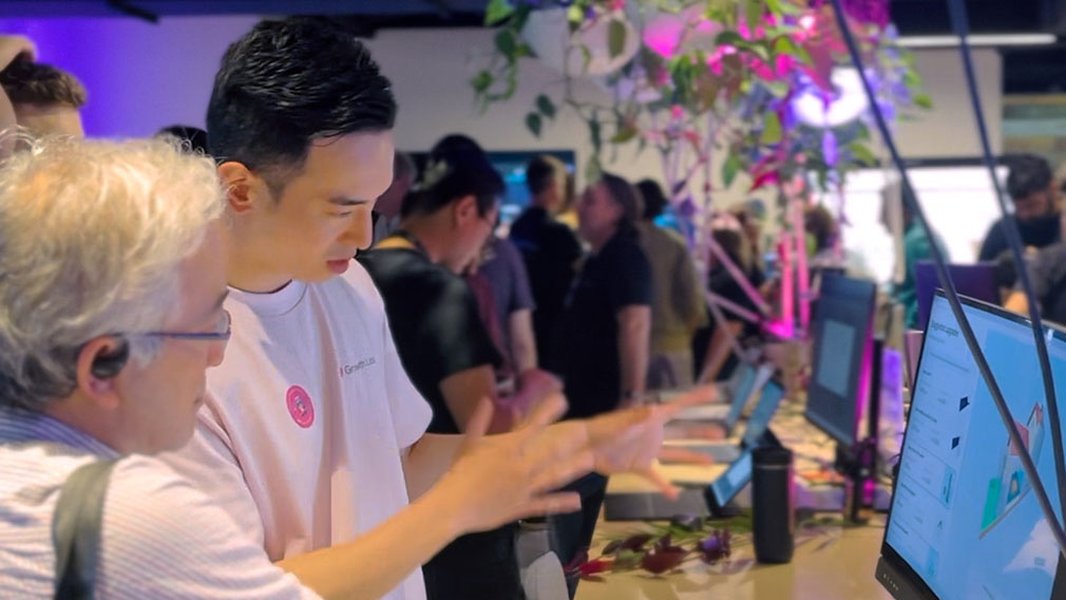
Attendees at a Westpac technology event, illustrating the bank's focus on tech evolution, a key theme of the Unite Program.
Core Objectives and Strategic Vision
The Unite Program is built upon several foundational objectives designed to transform Westpac's operational fabric:
Technology Simplification and Modernization
Drastic Reduction of Systems
A primary goal is to cut down the number of core technology platforms from approximately 180 to fewer than 60. This involves consolidating numerous customer master files (from three to one API-enabled platform), retail electronic identity verification (eIDV) processes (from 22 to one), customer onboarding systems (from 11 to one), and collections systems (from seven to one or two). The number of "banker platforms" used by staff is also slated for significant reduction.
Modernizing Infrastructure
The initiative includes migrating data and production workloads to modern cloud platforms, notably Microsoft Azure. This shift aims to enhance scalability, reliability, and enable the adoption of advanced technologies like AI. For example, the AI-powered Westpac SaferPay tool for scam prevention is an outcome of this modernization drive.
Enhancing Customer and Employee Experience
Seamless Customer Journeys
By simplifying processes and consolidating platforms, Westpac intends to make banking easier, faster, and more consistent for its customers. A significant part of this involves migrating approximately 1.8 million customers from St George, Bank of Melbourne, and BankSA onto Westpac's core application technology. This ensures a unified digital experience, particularly through Westpac's highly-rated mobile app.
Empowering Employees
Simplified systems are expected to reduce complexity for employees, making it easier to train staff across various functions and reducing the time spent on navigating multiple, often cumbersome, banker platforms. This allows employees to focus on higher-value tasks and customer service.
Driving Shareholder Value and Operational Excellence
Cost Efficiency
A major driver for Unite is long-term cost reduction. By simplifying the IT landscape, Westpac aims to lower operational and maintenance expenses, which is anticipated to improve its cost-to-income ratio relative to its peers. For instance, the mortgage simplification initiative alone is projected to yield annual savings of AU$120 million.
Improved Agility and Risk Management
A modernized and simplified technology stack will allow Westpac to respond more quickly to market changes, regulatory requirements (like Open Banking, the implementation of which was costlier due to existing system complexities), and customer needs. It also aims to embed more robust risk management practices, reducing operational risks associated with outdated or duplicated systems.
Scope and Key Initiatives
The Unite Program is a comprehensive endeavor, initially encompassing around 85 distinct initiatives, which have since been consolidated to approximately 61. As of early 2025, about 39 of these initiatives are actively in progress.
Platform Consolidation Deep Dive
This involves merging various systems for critical functions. For example, reducing 22 retail electronic ID verification processes to a single, streamlined system and consolidating three customer information master platforms into one API-enabled system accessible across Australian operations.
Customer and Brand Integration
A cornerstone is the migration of 1.8 million customers from subsidiary brands (St George, Bank of Melbourne, BankSA) to Westpac's core technology. This includes transitioning deposits, mortgages, credit and debit cards, and loan origination systems to ensure a consistent experience and operational efficiency.
Process Streamlining and Product Rationalization
Beyond system consolidation, Unite targets process simplification. An example is the reduction of mortgage products available for sale from 17 to 9, which cuts operational complexity and simplifies choices for customers.
Financial Investment and Program Timeline
Budgetary Commitment
Westpac is making a substantial financial commitment to the Unite Program. The total investment is expected to be around AU$2 billion over its duration, with some external estimates suggesting it could reach up to AU$3 billion. For the financial year 2025, Westpac has allocated approximately AU$600 million to Unite initiatives. This program is expected to account for 35% to 40% of Westpac's total annual group investment envelope. A significant portion of this expenditure will be expensed rather than capitalized, reflecting the ongoing nature of these improvements.
Phased Implementation (FY2025-FY2028)
The Unite Program is designed as a four-year journey, officially running from the financial year 2025 through 2028, although planning and initial ramp-up activities began in 2023 and 2024. This phased approach allows for careful management of risks and ensures that benefits are delivered progressively.
Visualizing the Transformation: Program Impact Areas
The following chart provides a conceptual representation of the anticipated shift in key performance areas due to the Unite Program, comparing an estimated pre-Unite baseline with the program's ambitious targets. This illustrates the scale of improvement Westpac aims to achieve across various facets of its operations.
Mapping the Program's Focus: Core Pillars of Unite
The Unite Program is a multifaceted initiative. The mindmap below illustrates its interconnected core pillars and key areas of focus, providing a visual summary of this complex transformation.
Expected Outcomes and Tangible Benefits
The Unite Program is poised to deliver a wide array of benefits:
- Significant Cost Savings: Reduction in operational and maintenance costs due to a simpler IT environment.
- Improved Customer Satisfaction: More intuitive, consistent, and reliable banking services.
- Enhanced Employee Productivity: Simpler tools and processes leading to greater efficiency and job satisfaction.
- Stronger Risk Posture: Reduced operational risk through modernized, consolidated, and more transparent systems.
- Greater Agility: Ability to adapt more quickly to market changes and innovate faster.
- Increased Shareholder Returns: Driven by cost efficiencies and improved operational effectiveness.
Challenges, Risks, and Workforce Impact
Transformations of this magnitude are not without challenges. Westpac acknowledges that the extensive changes may temporarily heighten risks, including potential for technology malfunctions, service disruptions, or regulatory non-compliance during transition phases. To mitigate this, the program is being delivered incrementally with robust governance, including a three-lines-of-defense model.
One of the significant impacts of the streamlining efforts under the Unite Program is on the workforce. Westpac has indicated that the drive for efficiency and elimination of redundancies will lead to job reductions, with reports suggesting over 1,500 roles may be affected. This underscores the transformative, and sometimes difficult, nature of such large-scale simplification programs.
A Glimpse into the Human Element of Transformation
The following video discusses workforce changes at Westpac, some of which are linked to the broader strategic goals of programs like Unite, aimed at streamlining operations and enhancing overall efficiency.
This video discusses workforce adjustments at Westpac, reflecting the broader operational streamlining that programs like Unite contribute to.
Key Consolidation Targets at a Glance
The table below summarizes some of the specific consolidation goals of the Unite Program, illustrating the scale of simplification Westpac is undertaking:
| Feature Area | Systems/Processes Before Unite | Target with Unite | Anticipated Impact |
|---|---|---|---|
| Core Technology Systems | Approximately 180 | Fewer than 60 | Drastic reduction in complexity and maintenance overhead |
| Customer Onboarding Systems | 11 | 1 | Streamlined and faster new customer experience |
| Retail Electronic ID Verification (eIDV) | 22 | 1 | Simplified, consistent, and more efficient identity checks |
| Collections Systems | 7 | 1-2 | More efficient and harmonized debt recovery processes |
| Customer Information Masters | 3 | 1 (API-enabled) | Unified, single view of customer data across Australian operations |
| Banker Platforms (Internal Staff Systems) | Multiple (significantly more than target) | Target of 3 main platforms | Easier staff training, improved usability, and efficiency |
| Mortgage Products (for new sale) | 17 | 9 | Reduced product complexity for customers and operations |
Frequently Asked Questions (FAQ)
What is the main goal of Westpac's Unite Program?
How much is Westpac investing in the Unite Program?
What is the timeline for the Unite Program?
Will the Unite Program affect Westpac customers?
Conclusion: A Transformative Journey
Westpac's Unite Program represents a monumental undertaking to reshape the bank's technological foundations and operational model. By committing significant resources and strategic focus to simplification and modernization, Westpac aims to emerge as a more agile, efficient, and customer-centric institution. While the path involves challenges, including managing large-scale change and workforce adjustments, the long-term vision is to build an "evergreen" technology platform that supports sustainable growth and resilience in the dynamic financial services landscape. The success of Unite will be pivotal in defining Westpac's competitive edge for years to come.
Recommended Further Exploration
- Explore the impact of technology simplification on customer satisfaction in banking.
- Learn about the challenges major banks face when undertaking large-scale IT transformation projects.
- Investigate how cloud migration strategies are reshaping the financial services industry.
- Discover the long-term financial benefits for banks that successfully modernize their legacy systems.