
What is a Jaw Crusher?
Introduction
A jaw crusher is a robust primary crushing machine widely used across various industries such as mining, construction, quarrying, and demolition recycling. Its primary function is to break down large rocks, ores, and other hard materials into smaller, more manageable pieces, facilitating further processing or utilization. Known for its durability and efficiency, the jaw crusher is a fundamental component in the material reduction process.
Working Principle
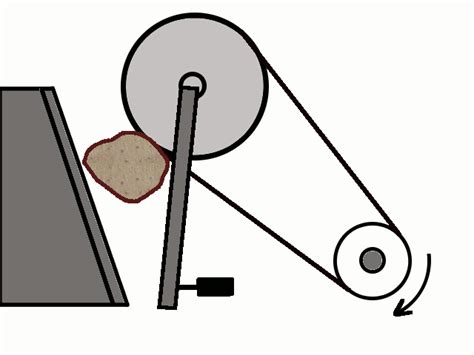
The jaw crusher operates based on the principle of compressive force. It consists of two vertical jaws: one is stationary (fixed jaw) and the other is movable (swing jaw). The movable jaw exerts force on the material by pressing it against the fixed jaw. This action is facilitated by an eccentric shaft, which causes the swing jaw to move back and forth in a controlled manner, creating a crushing action that reduces the size of the input material.
Types of Jaw Crushers
1. Blake Jaw Crusher
The Blake jaw crusher is one of the earliest types and is characterized by its two jaws: one fixed and one movable. The swing jaw moves in a horizontal plane, and the angle between the two jaws is typically between 20° to 30°. This design allows for efficient material crushing and is suitable for handling various sizes of input material.
2. Dodge Jaw Crusher
The Dodge jaw crusher features jaws that are farther apart at the top than at the bottom, forming a tapered chute. As the material moves downward, it is progressively crushed into smaller sizes until it can exit through the bottom opening. This design enhances the crushing efficiency and allows for better control over the output size.
3. PE Universal Jaw Crusher
The PE Universal jaw crusher combines the features of both Blake and Dodge jaw crushers. With the pivot slightly above the bottom end of the movable jaw, it provides two crushing strokes per revolution. This design increases the crushing efficiency and is adaptable to a wide range of materials and applications.
4. Single Toggle Jaw Crusher
Single toggle jaw crushers are more compact and have a simpler design compared to double toggle crushers. They offer higher speed and are preferred for their efficiency in reducing material. However, they may experience more wear and tear due to their design.
5. Double Toggle Jaw Crusher
Double toggle jaw crushers are known for their energy efficiency and are highly effective in crushing hard and abrasive materials. This type features two moving parts: one for the swing jaw and another for the crushing jaw, which allows for a more controlled crushing action and reduces wear on the machine.
Key Characteristics
Design and Construction
- Consists of two vertical crushing jaws: one fixed and one moving.
- The fixed jaw provides a stable frame, while the movable jaw applies force to crush the material.
- Durable construction capable of handling a wide range of materials.
Operating Mechanism
- The movable jaw moves in a fixed path, creating a compressive force against the fixed jaw.
- Material is fed into the top of the crusher and is progressively crushed as it moves downwards.
- Crushed material exits through the bottom aperture, while oversized material is retained for further crushing.
Capacity and Efficiency
Jaw crushers are capable of handling high capacities, often reaching up to 500 tons per hour, depending on the model and configuration. Their efficiency in reducing large volumes of material makes them indispensable in primary crushing applications.
Applications
Jaw crushers are versatile machines used in a multitude of industries for primary crushing tasks. Their robust design and ability to handle a variety of materials make them suitable for:
- Mining: Crushing ore for further processing or extraction.
- Construction: Breaking down construction debris and large stones for recycling or use in concrete production.
- Quarrying: Reducing the size of quarried stone for use in various applications.
- Demolition Recycling: Crushing materials from demolition sites for reuse or disposal.
- Other Industries: Suitable for crushing limestone, coal, and various other minerals.
Advantages of Jaw Crushers
High Reduction Ratio
Jaw crushers offer a high reduction ratio, capable of reducing large rocks to sizes suitable for further processing. This efficiency minimizes the number of crushing stages required, optimizing the overall crushing process.
Simple Design
The straightforward design of jaw crushers makes them easy to operate and maintain. Fewer moving parts translate to lower maintenance costs and increased reliability over time.
Robust and Durable
Constructed with heavy-duty materials, jaw crushers are built to withstand harsh operating conditions and can handle abrasive materials with minimal wear. This robustness ensures long service life and consistent performance.
Versatility
Jaw crushers are adaptable to a wide range of materials and applications. Their ability to handle different sizes and hardness levels makes them suitable for diverse industrial requirements.
Considerations for Selection
When selecting a jaw crusher for specific applications, several factors should be considered to ensure optimal performance:
- Material Characteristics: Understanding the hardness, abrasiveness, and moisture content of the material to be crushed.
- Capacity Requirements: Assessing the required throughput to choose a crusher that meets production demands.
- Size Reduction Needs: Determining the desired output size to select an appropriate crusher model and configuration.
- Operational Conditions: Considering the working environment, including space constraints and mobility requirements.
- Maintenance Support: Ensuring availability of spare parts and technical support for sustained operations.
Maintenance and Safety
Regular Inspection
Routine inspections are essential to identify wear and tear on critical components such as jaws, hinges, and bearings. Early detection of issues can prevent major breakdowns and extend the lifespan of the crusher.
Proper Lubrication
Ensuring that all moving parts are adequately lubricated reduces friction, prevents overheating, and minimizes wear. Regular lubrication schedules should be established based on manufacturer guidelines.
Safety Measures
-
Protective Guards: Installing guards around moving parts to protect operators from injury.
-
Emergency Stop: Equipping crushers with emergency stop mechanisms that can be quickly activated in case of malfunction.
-
Training: Providing comprehensive training for operators to handle the equipment safely and effectively.
-
Lockout/Tagout Procedures: Implementing procedures to ensure the crusher is properly shut down and de-energized during maintenance.
Future Trends and Developments
Advancements in jaw crusher technology continue to enhance efficiency, reduce energy consumption, and improve safety features. Trends include the integration of automation and smart monitoring systems, which allow for real-time performance tracking and predictive maintenance. Additionally, developments in material science are leading to more wear-resistant components, further extending the lifespan of jaw crushers and reducing operational costs.
Conclusion
Jaw crushers are indispensable in the field of material processing, offering a reliable and efficient means of reducing large, hard materials into smaller, usable sizes. Their robust design, versatility, and high reduction ratio make them suitable for a wide array of applications across various industries. Understanding the different types, operational principles, and maintenance requirements is crucial for selecting the right jaw crusher to meet specific industrial needs. As technology evolves, jaw crushers continue to improve, offering enhanced performance and sustainability for future industrial demands.
Further Reading and Resources
Last updated January 6, 2025