
Unpacking Brainrot: Is Your Mind Really Turning to Mush Online?
Exploring the slang term defining the digital age's impact on focus, thought, and culture.
Highlights: Understanding Brainrot
- Dual Meaning: "Brainrot" refers both to low-quality, trivial online content (memes, viral slang) and the perceived negative cognitive effects of consuming too much of it, like reduced focus or mental fatigue.
- Cultural Phenomenon: Originating in online communities and fandoms, the term surged in popularity, especially among Gen Z and Gen Alpha, and was named the Oxford Word of the Year in 2024, signaling widespread concern about digital overconsumption.
- Not a Diagnosis: While describing real concerns about focus and critical thinking, brainrot is colloquial slang, not a clinical medical condition. It's often used humorously or self-deprecatingly to describe online obsessions.
Defining the Digital Dilemma: What is Brainrot?
"Brainrot" is a pervasive internet slang term that captures a dual concern of modern digital life. Primarily, it describes internet content perceived as being exceptionally low in quality, value, or intellectual stimulation. This often includes nonsensical memes, repetitive viral challenges, absurd internet slang ("brainrot words"), and the endless stream of short-form videos common on platforms like TikTok, Instagram, and Twitter. Think of content that feels trivial, mindless, or simply bizarre – this is often labeled as brainrot.
Secondly, and perhaps more significantly, brainrot refers to the supposed negative psychological and cognitive consequences stemming from excessive exposure to this type of online material. Users might describe experiencing brainrot when they feel their ability to think clearly is compromised, their attention span has shortened, or they're experiencing mental fatigue after scrolling. It's associated with a perceived degradation of mental faculties, intelligence, or common sense attributed to being "perpetually online" and consuming vast quantities of unstimulating digital media.
The Two Sides of the Coin
Low-Value Content
This aspect focuses on the material itself – content characterized by repetition, absurdity, and a lack of depth. Examples frequently cited include specific viral memes like "Skibidi Toilet," slang terms such as "Rizz" or "Fanum Tax," and trends associated with "Ohio" memes. This content often gains traction through sheer volume and shareability rather than intrinsic merit.
Cognitive and Psychological Effects
This refers to the impact on the consumer. Users might describe feeling mentally "cluttered," having difficulty concentrating, experiencing impaired rational thinking, or developing an obsessive preoccupation with a particular online trend, fandom, or meme. It's often linked to feelings of mental fog or overload resulting from constant digital stimulation without substance. While sometimes used humorously or self-deprecatingly ("I have brainrot for this song"), it also reflects genuine anxieties about the effects of digital culture on mental well-being.
Tracing the Roots: From Fandoms to Mainstream Concern
While the term "brain rot" has historical precedents (even appearing in writings centuries ago), its modern internet slang usage began crystallizing in online communities around 2007. Initially, it was often used within fandom circles to describe an intense, almost overwhelming obsession with a particular piece of media, like a TV show, video game, or fictional character. Fans might jokingly refer to their deep immersion and constant thoughts about their interest as their brains being "rotted" by it.
The term gained broader traction in the early 2020s, particularly with the explosive growth of TikTok and the increasing prevalence of short-form, algorithmically driven content. Its usage expanded beyond specific fandoms to critique the nature of much contemporary internet content and its perceived effects on users' attention and cognitive function.
Oxford Word of the Year 2024
A significant milestone marking brainrot's cultural penetration was its selection as the Oxford University Press Word of the Year for 2024. Oxford defined it as "the supposed deterioration of a person's mental or intellectual state, especially viewed as the result of overexposure to trivial or undemanding online material." This recognition underscored the term's relevance in capturing widespread societal conversations and anxieties about the nature and impact of our increasingly digital lives.
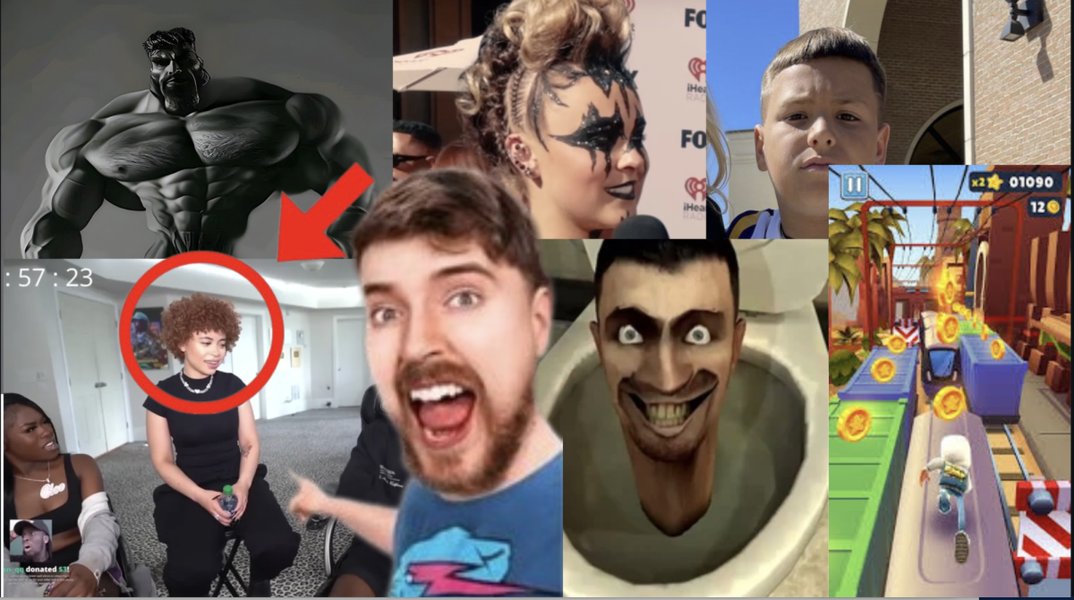
Visual representation often associated with discussions on brainrot and digital consumption.
Mapping the Concept: Understanding Brainrot's Facets
To better grasp the different dimensions of "brainrot," the following mindmap illustrates its core components, from its definition and perceived effects to specific examples and its place in internet culture.
(Memes, Slang, Trends)"] id1b["Perceived Negative Effects
(Cognitive & Psychological)"] id2["Perceived Effects"] id2a["Reduced Focus & Attention Span"] id2b["Mental Fatigue & Overload"] id2c["Impaired Critical Thinking"] id2d["Obsession & Preoccupation"] id2e["Social Isolation (potential)"] id3["Origins & Evolution"] id3a["Early Use (c. 2007, Fandoms)"] id3b["Rise with Social Media (TikTok)"] id3c["Oxford Word of the Year 2024"] id4["Cultural Context"] id4a["Internet Slang (Gen Z, Gen Alpha)"] id4b["Critique of Digital Culture"] id4c["Used Humorously & Critically"] id4d["'Perpetually Online' Syndrome"] id5["Examples"] id5a["'Skibidi Toilet' Memes"] id5b["Viral Slang ('Rizz', 'Fanum Tax')"] id5c["'Ohio' Memes"] id5d["Repetitive TikTok Trends"] id5e["Excessive Short-Form Video Consumption"]
This mindmap visually connects the core idea of brainrot to its various manifestations and implications within contemporary digital culture.
Perceived Impact on Cognitive Functions
While "brainrot" isn't a scientific term, the anxieties it represents often revolve around its perceived negative impact on various cognitive and social skills. The following chart visualizes a hypothetical assessment of how excessive consumption of "brainrot" content might affect these areas, based on the common concerns discussed online. Note that this is illustrative and based on subjective interpretations of the slang's implications, not empirical data.
This chart illustrates the common concern that prolonged engagement with low-stimulation content could hypothetically diminish abilities like critical thinking, focus, and attention span, while potentially boosting familiarity with specific types of meme culture (not explicitly shown). Again, this reflects popular perception rather than scientifically validated effects.
Cultural Resonance: Slang, Memes, and Generational Identity
Brainrot has become deeply embedded in the vernacular of younger generations, particularly Gen Z and Gen Alpha. It functions as a shared cultural reference point to discuss their experiences navigating the often overwhelming digital landscape. The term is frequently invoked in online discussions, memes, and even offline conversations to describe:
- Content Overload: The feeling of being inundated with repetitive or nonsensical trends.
- Online Obsessions: A self-aware, often humorous acknowledgment of getting overly fixated on niche internet phenomena.
- Generational Humor: Using the term ironically or self-deprecatingly to bond over shared digital experiences.
- Critique of Platforms: An implicit criticism of social media algorithms that promote low-effort, highly engaging content over substance.
Concerns have also been raised by parents and educators about the prevalence of "brainrot" language and content, worrying about its potential impact on communication skills, classroom focus, and critical thinking abilities. Some schools have reportedly even addressed specific "brainrot" phrases or slang terms deemed disruptive.
Illustrative Examples
To provide a clearer picture, here's a table outlining common types of content often associated with the term "brainrot":
| Type of Content / Phenomenon | Description | Common Platforms | Reason Associated with Brainrot |
|---|---|---|---|
| Viral Slang (e.g., "Skibidi," "Rizz," "Fanum Tax," "Gyatt") | Often nonsensical or rapidly evolving terms used excessively online. | TikTok, YouTube Shorts, Instagram Reels, Twitch | Repetitive use, often lacking clear context or deep meaning, perceived as crowding out richer vocabulary. |
| Absurdist Memes (e.g., "Skibidi Toilet," "Ohio" memes) | Memes characterized by bizarre, surreal, or low-effort humor. | TikTok, YouTube, Reddit | Lack of traditional narrative or logic, relies on repetition and shock value, seen as intellectually unstimulating. |
| Endless Short-Form Video Scrolling | Consuming hours of brief, algorithmically-fed videos with rapid context shifts. | TikTok, Instagram Reels, YouTube Shorts | Potential impact on attention span, exposure to high volume of trivial content, mental fatigue. |
| Repetitive Challenges/Trends | Viral online challenges or trends that encourage mass participation often with little variation. | TikTok, Instagram | Mindless participation, focus on imitation over creativity, fleeting nature. |
| Intense Fandom Fixations (Modern Usage) | An overwhelming preoccupation with specific media, characters, or online personalities, often expressed through constant memeing or discussion. | Reddit, Twitter, Discord, TikTok | Can dominate thoughts, potentially overshadowing other interests or real-world interactions (closer to the term's origins). |
Brainrot Explained Visually
Sometimes, hearing directly from those immersed in the culture provides the best insight. This video features teenagers discussing what "brainrot" means to them, highlighting its bizarre yet often fun aspects within their online experiences.
The video delves into examples like "Skibidi Toilet" and "Baby Gronk," exploring why such seemingly nonsensical content becomes popular and how the term "brainrot" is used to describe the experience of being caught up in these trends. It showcases the blend of critique and affectionate irony often associated with the term.
Frequently Asked Questions (FAQ)
Is brainrot a real medical condition?
No, "brainrot" is not a recognized medical or psychological diagnosis. It is an informal slang term used to describe a perceived state of mental fatigue, lack of focus, or obsession related to consuming low-quality online content. While the concerns it represents (e.g., about attention span, critical thinking) are valid areas of discussion regarding media consumption, the term itself is colloquial.
What causes brainrot?
In the context of the slang term, "brainrot" is attributed to the excessive consumption of online content deemed low-value, repetitive, overly simplistic, or nonsensical. This includes endless scrolling through short-form videos, constant exposure to viral memes and slang, and deep immersion in niche internet trends without balancing it with more intellectually stimulating activities.
Who typically uses the term brainrot?
The term is most prominently used by younger internet users, particularly Generation Z and Generation Alpha, often on platforms like TikTok, Twitter, Reddit, and Discord. However, its recognition as the Oxford Word of the Year 2024 indicates its meaning has become more widely understood across different demographics concerned with digital culture and its effects.
Can you 'recover' from brainrot?
Since "brainrot" isn't a clinical condition, "recovery" means consciously changing digital consumption habits. This often involves reducing time spent on platforms known for low-value content, diversifying online activities, engaging in offline hobbies, reading books, spending time in nature, and prioritizing critical thinking and focused tasks. It's about regaining a sense of mental clarity and focus by balancing digital intake.
Recommended
- What are specific examples of brainrot words and memes popular today?
- How does social media use impact attention span and critical thinking skills according to research?
- What criteria does Oxford use for its Word of the Year, and what came before brainrot?
- Can you provide practical tips for reducing mindless scrolling and improving digital wellbeing?
References
Last updated May 5, 2025