
Unlocking Global Trade: What Exactly is Freight Forwarding?
Your comprehensive guide to understanding the pivotal role of freight forwarders in the complex world of international shipping and logistics.
Key Highlights of Freight Forwarding
- Essential Intermediaries: Freight forwarders act as crucial links between businesses shipping goods (shippers) and various transportation services, orchestrating the entire logistics process without typically owning the transport assets.
- Comprehensive Service Suite: Beyond just arranging transport, they manage a wide array of tasks including documentation, customs clearance, cargo insurance, consolidation, warehousing, and real-time tracking.
- Navigators of Complexity: With specialized expertise, freight forwarders navigate complex international regulations, optimize routes for cost and efficiency, and help businesses overcome logistical challenges in global trade.
What Exactly is Freight Forwarding?
Freight forwarding is a fundamental service within the international trade and logistics industry. It refers to the comprehensive process of organizing and managing the shipment of goods from an origin point to a final destination, frequently across international borders. Companies or individuals that perform these services are known as freight forwarders. They are essentially the architects of transportation, ensuring that cargo moves smoothly, efficiently, and compliantly across the globe.
The Intermediary Role
Freight forwarders serve as third-party agents or intermediaries. They bridge the gap between businesses that need to ship goods (often referred to as shippers, exporters, or importers) and the various transportation services available. These services include shipping lines (for sea freight), airlines (for air freight), trucking companies (for road freight), and rail operators (for rail freight). A key characteristic is that freight forwarders typically do not own the actual ships, planes, trucks, or trains used for transportation. Instead, they leverage their extensive networks, industry knowledge, and contractual relationships with multiple carriers to arrange the most suitable transport solutions for their clients.
Beyond Transportation: A Comprehensive Service
The role of a freight forwarder extends far beyond merely booking space on a vessel or aircraft. They are logistics experts who manage the entire lifecycle of a shipment. This includes meticulous planning based on the cargo's nature, budget constraints, and required delivery speed. They handle the preparation of all necessary shipping and customs documents, navigate complex customs clearance procedures, and may also arrange for cargo insurance, warehousing, and even last-mile delivery. As of May 2025, their expertise is particularly vital in adapting to evolving trade policies, such as recent changes in US trade regulations including discussions around universal duty rates and modifications to de minimis value exemptions, which can significantly impact cross-border shipments.
Core Functions: The Engine Room of Global Trade
Freight forwarders perform a multitude of critical functions that keep global supply chains moving. Their services are designed to simplify the complexities of international shipping for their clients, ensuring goods arrive at their destination safely, on time, and in a cost-effective manner. These functions often involve sophisticated coordination and a deep understanding of global logistics networks.
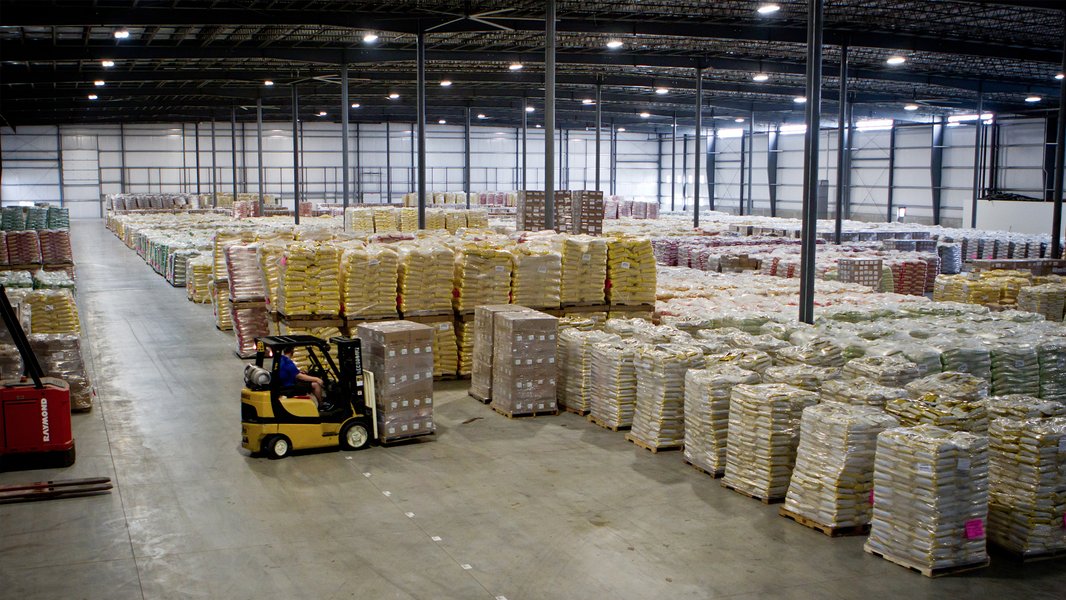
A well-organized warehouse, often part of the logistics solutions provided by freight forwarders.
Below is a table summarizing the key services typically offered by freight forwarders:
| Service Category | Description of Services |
|---|---|
| Shipment Planning and Coordination | Evaluating client needs, determining optimal routes, selecting appropriate transportation modes (air, sea, rail, road, or multimodal), and coordinating with all involved parties. |
| Documentation and Customs Clearance | Preparing and managing all required shipping documents, such as bills of lading, commercial invoices, certificates of origin, and export/import declarations. Handling customs brokerage to ensure compliance with international trade laws and regulations, including payment of duties and taxes. |
| Carrier Negotiation and Booking | Leveraging volume and relationships to negotiate favorable freight rates with carriers. Booking cargo space on vessels, aircraft, trains, or trucks. |
| Cargo Consolidation | Combining smaller shipments from multiple clients into a single, larger shipment (e.g., a full container load - FCL) to achieve economies of scale and reduce shipping costs for individual shippers with less-than-container-load (LCL) cargo. |
| Cargo Insurance | Arranging cargo insurance to protect clients against financial loss due to damage, theft, or loss of goods during transit. |
| Warehousing and Storage | Providing or arranging short-term or long-term storage solutions for goods before, during, or after transit, including services like inventory management and distribution. |
| Tracking and Reporting | Offering real-time shipment tracking and status updates, providing clients with visibility and control over their supply chain. Modern forwarders utilize digital platforms for enhanced transparency. |
| Specialized Cargo Handling | Managing shipments of specialized cargo, such as perishable goods (requiring temperature control), hazardous materials (requiring specific compliance and handling), oversized items, or high-value goods. |
| Incoterms Guidance | Advising clients on the appropriate use of Incoterms (International Commercial Terms), which define the responsibilities of buyers and sellers in international transactions regarding shipping, insurance, and risk transfer. |
| Supply Chain Management | Offering broader logistics solutions, including end-to-end supply chain visibility, optimization, and management to improve overall efficiency and reduce costs. |
The Freight Forwarding Journey: A Step-by-Step Guide
The process orchestrated by a freight forwarder is a well-defined sequence of actions designed to move goods seamlessly from seller to buyer. While specifics can vary based on the cargo, destination, and client requirements, the general workflow typically involves the following key stages:
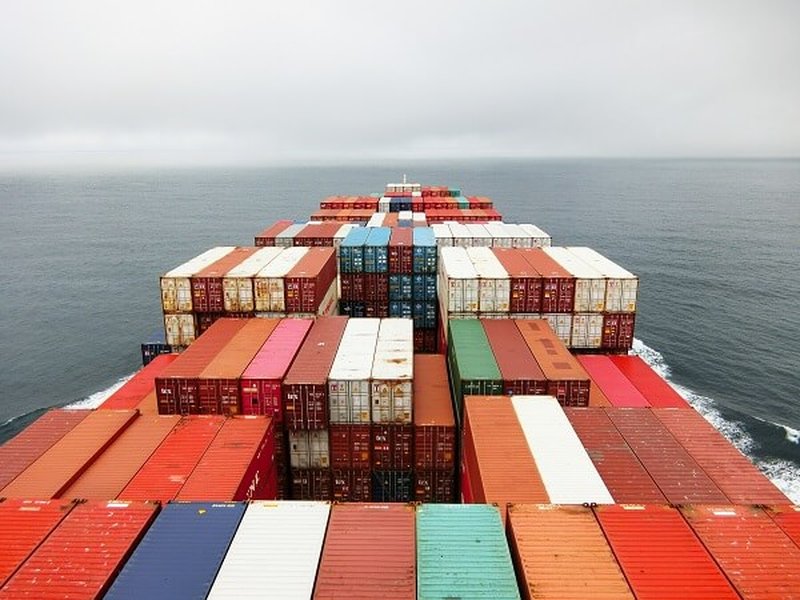
Sea freight, a common mode of transport coordinated by freight forwarders for international shipments.
- Initial Consultation and Quotation: The process begins when the shipper contacts the freight forwarder. The forwarder gathers all necessary details about the shipment: type of goods, volume/weight, origin, destination, desired transit time, and any special handling requirements. Based on this, they provide a quotation and a proposed logistics plan.
- Agreement and Booking: Once the shipper agrees to the terms and Incoterms are established (which dictate responsibilities for cost and risk), the freight forwarder books space with the chosen carrier(s) – be it an airline, shipping line, or trucking company.
- Origin Handling (Export Haulage): The forwarder arranges for the collection of goods from the shipper's premises. This stage can also include services like export packing, crating, labeling, and inspection, ensuring the cargo is ready for international transit. If it's an LCL shipment, goods may be moved to a warehouse for consolidation.
- Export Customs Clearance: The freight forwarder prepares and submits all necessary export documentation to customs authorities in the country of origin. This ensures the goods are legally permitted to leave the country.
- Transportation (Main Haul): The cargo is then transported to the port or airport and loaded onto the primary mode of transport (e.g., ship or aircraft) for the main leg of its journey to the destination country.
- Import Customs Clearance: Upon arrival at the destination country's port or airport, the freight forwarder (or their agent) manages the import customs clearance process. This involves submitting import documentation, paying applicable duties and taxes, and ensuring compliance with all import regulations. Many freight forwarders are Authorized Economic Operators (AEOs), which can expedite this process.
- Destination Handling (Import Haulage): After customs clearance, the cargo is transferred from the port/airport. This might involve de-consolidating LCL shipments at a warehouse.
- Final Delivery: The freight forwarder arranges for the final delivery of the goods to the consignee's specified address. Proof of delivery is obtained, and all final invoicing and paperwork are completed.
Understanding Incoterms
Throughout this process, International Commercial Terms (Incoterms) play a vital role. These globally recognized terms, published by the International Chamber of Commerce (ICC), define the specific responsibilities of the buyer and seller concerning the shipment of goods. They clarify who is responsible for costs (like transport, insurance, loading/unloading) and where the risk transfers from seller to buyer at various points in the shipping journey. Freight forwarders are adept at working with and advising on the correct application of Incoterms like FOB (Free On Board), CIF (Cost, Insurance, and Freight), EXW (Ex Works), and DDP (Delivered Duty Paid), among others.
Navigating the Global Logistics Landscape: Why Freight Forwarders Matter
In an increasingly interconnected global economy, the role of freight forwarders has become more critical than ever. They are not just service providers but essential partners for businesses looking to engage in international trade. Their value stems from their ability to simplify complexity, enhance efficiency, and mitigate risks.
Expertise in Complexity
International shipping is a labyrinth of regulations, documentation requirements, customs procedures, and geopolitical factors that can vary significantly from one country to another. Freight forwarders possess specialized knowledge and experience to navigate these intricacies. They stay updated on changing trade laws, tariffs, and compliance standards, ensuring that shipments adhere to all legal requirements, thereby avoiding costly delays, fines, or confiscation of goods. This expertise is particularly valuable for small and medium-sized enterprises (SMEs) that may lack dedicated in-house logistics departments.
Cost and Time Efficiency
Freight forwarders can often secure more favorable freight rates than individual shippers due to their established relationships with carriers and the large volumes of cargo they handle. They achieve this through negotiation and by consolidating shipments to leverage economies of scale. Furthermore, their expertise in route planning and mode selection helps optimize transit times and reduce overall transportation costs. By managing all aspects of the shipping process, they free up businesses to focus on their core competencies.
Adapting to Modern Challenges (as of May 2025)
The logistics industry is dynamic, constantly evolving in response to economic shifts, technological advancements, and global events. As of early 2025, freight forwarders are navigating several key trends and challenges:
- Digital Transformation: There is a growing demand for enhanced supply chain visibility and real-time data. Forwarders are increasingly adopting digital tools, AI, and IoT technologies for better tracking, reporting, and operational efficiency. However, the pace of digital adoption can still be a challenge in some segments of the industry.
- Regulatory Landscape: Ongoing changes in international trade policies, such as the discussions around a universal 10% duty rate and the potential revocation of the de minimis exemption by US Customs and Border Protection, require forwarders to be agile and well-informed to ensure client compliance.
- Market Fluctuations: The industry contends with issues like maritime oversupply, which can affect shipping rates and capacity. Economic indicators, such as the Freight Transportation Services Index (which, for instance, might show monthly fluctuations like a reported 0.4% decline in a given month), reflect these dynamic conditions.
- Sustainability Pressures: There is an increasing focus on environmental sustainability in logistics. Forwarders are exploring greener transport options and helping clients reduce their carbon footprint.
Leading freight forwarding companies, such as Kuehne + Nagel and DHL Supply Chain, continue to innovate and expand their service offerings to meet these evolving demands, reinforcing the indispensable role of freight forwarding in modern global commerce.
Modes of Movement: Choosing the Right Path
Freight forwarders utilize various modes of transportation, often in combination (multimodal transport), to move goods efficiently. The choice depends on factors like the type of cargo, urgency, cost considerations, and distance. Each mode has its own advantages and disadvantages regarding speed, capacity, cost, and environmental impact. The radar chart below provides a comparative overview of common freight transportation modes based on these key attributes. This is an illustrative comparison and actual performance can vary based on specific routes, carriers, and market conditions.
As illustrated, Air Freight excels in speed but is generally the most expensive and has lower capacity. Sea Freight is highly cost-efficient for large volumes over long distances but is slower. Rail Freight offers a good balance for bulk cargo over land, with better environmental performance than road freight. Road Freight provides high flexibility and accessibility, especially for door-to-door and last-mile deliveries, but can be less cost-effective for long distances and has a notable environmental impact.
The Ecosystem of Freight Forwarding
Freight forwarding doesn't exist in a vacuum. It's a complex ecosystem involving various players, processes, and considerations. The mindmap below visualizes the interconnected components that define the world of freight forwarding, highlighting its core aspects and relationships.
This mindmap illustrates how freight forwarding acts as a central hub, connecting various essential logistics functions, processes, modes of transport, and stakeholders to facilitate international trade effectively.
Visualizing the Process: A Deep Dive
To further understand the practical aspects and advantages of using a freight forwarder, the following video offers a comprehensive explanation. It breaks down what a freight forwarder does and highlights the benefits they bring to businesses involved in shipping goods. Watching this can provide valuable insights into their day-to-day operations and strategic importance in the global supply chain.
An explainer video detailing the role and benefits of freight forwarders.
This video typically covers the intermediary role of freight forwarders, the types of services they offer (like documentation, customs, and transport arrangement), and why businesses, especially those new to international trade, find their services indispensable. It often touches upon how forwarders can save time and money, navigate complex regulations, and provide peace of mind by managing the intricacies of shipping.
Frequently Asked Questions (FAQ)
1. Do freight forwarders own the ships, planes, or trucks used for shipping? ▼
Generally, no. Freight forwarders typically do not own the major transportation assets like ships, airplanes, or large fleets of trucks. Instead, they act as intermediaries, contracting with various carriers that own and operate these assets. Their expertise lies in selecting the best carriers and routes for their clients' needs.
2. What's the difference between a freight forwarder and a customs broker? ▼
While there can be overlap and many freight forwarders offer customs brokerage services (or have in-house brokers), they are distinct roles. A freight forwarder manages the overall logistics and transportation of goods from origin to destination. A customs broker specializes specifically in clearing goods through customs barriers for importers and exporters, ensuring all documentation is correct and duties/taxes are paid. A forwarder might hire a customs broker or provide the service as part of their package.
3. What are Incoterms and why are they important in freight forwarding? ▼
Incoterms (International Commercial Terms) are a set of pre-defined commercial terms published by the International Chamber of Commerce (ICC) relating to international commercial law. They clarify the tasks, costs, and risks associated with the transportation and delivery of goods between sellers and buyers. Freight forwarders help clients understand and apply the correct Incoterms (e.g., FOB, CIF, EXW) to ensure clarity on responsibilities and liabilities throughout the shipping process.
4. Can small businesses benefit from using a freight forwarder? ▼
Absolutely. Small businesses often benefit significantly from using freight forwarders. They may lack the internal resources, expertise, or shipping volume to manage international logistics effectively or secure competitive rates. Freight forwarders can provide SMEs with access to global markets, navigate complex regulations, offer cost savings through consolidation, and reduce the administrative burden of shipping.
5. How are freight forwarding rates determined? ▼
Freight forwarding rates are influenced by numerous factors, including: the mode of transport (air, sea, rail, road), the weight and volume of the cargo (chargeable weight), the origin and destination, the current market demand and capacity, fuel surcharges, currency exchange rates, the type of goods (e.g., hazardous, perishable), required transit time, Incoterms used, and any additional services like insurance, customs clearance, or warehousing. Forwarders provide quotes based on these variables.
Recommended Further Exploration
- How do freight forwarders assist with the complexities of customs clearance?
- What are the primary distinctions and use cases for air freight versus sea freight in global logistics?
- In what ways is technology reshaping the freight forwarding landscape as of 2025?
- What advantages does combining different transport modes (multimodal transportation) offer in freight forwarding?
References
Last updated May 8, 2025