
WHAT IS ME/CFS?
Understanding Myalgic Encephalomyelitis/Chronic Fatigue Syndrome
Key Takeaways
- Chronic Condition: ME/CFS is a long-term, debilitating illness characterized by profound fatigue and various systemic symptoms.
- Multisystem Impact: It affects neurological, immune, autonomic, and metabolic systems, leading to a wide range of symptoms.
- Management Focus: There is no cure, and treatment primarily aims to manage symptoms and improve quality of life.
Introduction
Myalgic Encephalomyelitis/Chronic Fatigue Syndrome (ME/CFS) is a severe, complex, and chronic condition that significantly impairs an individual's daily functioning and quality of life. Characterized by extreme fatigue that cannot be explained by underlying medical conditions, ME/CFS affects multiple body systems, including the neurological, immune, autonomic, and metabolic systems.
Key Features of ME/CFS
Severe Fatigue
The most prominent symptom of ME/CFS is persistent and unexplained fatigue lasting for at least six months. This fatigue is not alleviated by rest and is not a result of other medical conditions. Unlike ordinary tiredness, the fatigue experienced in ME/CFS is profound and debilitating, often preventing individuals from performing even simple daily activities.
Post-Exertional Malaise (PEM)
PEM is a hallmark symptom of ME/CFS, where physical or mental exertion leads to a significant worsening of symptoms. This exacerbation can occur hours or even days after the activity, making it difficult for patients to maintain regular schedules or engage in activities without experiencing a relapse of symptoms.
Unrefreshing Sleep
Individuals with ME/CFS often report that their sleep is not restorative. Despite adequate sleep duration, they wake up feeling as tired as before they went to bed. This unrefreshing sleep contributes to the persistent fatigue and can exacerbate other symptoms such as cognitive difficulties and mood disturbances.
Cognitive Dysfunction ("Brain Fog")
Often referred to as "brain fog," cognitive dysfunction in ME/CFS includes difficulties with memory, concentration, and information processing. Patients may find it challenging to perform tasks that require sustained mental effort, and this cognitive impairment can significantly impact their ability to work, study, or manage daily responsibilities.
Orthostatic Intolerance
Orthostatic intolerance refers to the worsening of symptoms when standing or sitting upright, often leading to dizziness, lightheadedness, or fainting. This symptom is related to dysfunctions in blood pressure or heart rate regulation and can make simple movements like standing up from a seated position particularly challenging.
Additional Symptoms
ME/CFS encompasses a variety of other symptoms that can vary in severity among individuals. These may include muscle pain, joint pain, headaches, sore throat, tender lymph nodes, gastrointestinal issues such as irritable bowel syndrome (IBS), and sensitivities to light, sound, or temperature. The presence of these symptoms contributes to the overall complexity and variability of the condition.
Causes and Triggers
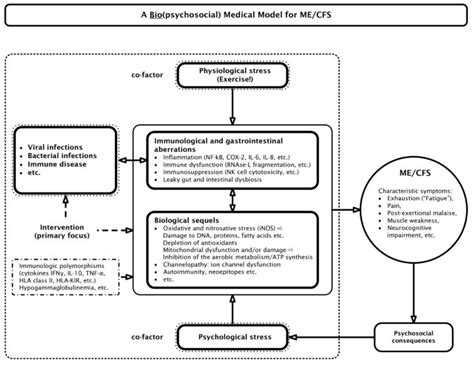
The exact cause of ME/CFS remains unknown, but research suggests that a combination of factors may contribute to its onset. Potential triggers include:
- Viral Infections: Infections such as Epstein-Barr virus or COVID-19 have been associated with the development of ME/CFS.
- Immune System Dysregulation: Abnormalities in immune function may play a role in triggering or sustaining the condition.
- Hormonal Imbalances: Disruptions in hormones that regulate various body functions can contribute to symptom manifestation.
- Physical or Emotional Trauma: Significant physical injuries or emotional stressors may precipitate the onset of ME/CFS.
It is believed that ME/CFS involves abnormalities in energy metabolism and the autonomic nervous system, leading to the wide range of symptoms experienced by patients.
Diagnosis
Diagnosing ME/CFS is challenging due to the absence of a single definitive test. The diagnostic process involves:
- Comprehensive Medical History: Detailed evaluation of the patient's symptoms, duration, and impact on daily life.
- Physical Examination: Assessing for any signs that might indicate alternative diagnoses.
- Exclusion of Other Conditions: Ruling out other medical issues that could cause similar symptoms, such as thyroid disorders, anemia, or depression.
Established diagnostic criteria, such as the Institute of Medicine (IOM) criteria or the Canadian Consensus Criteria, are often utilized to ensure accurate identification of the condition.
Treatment and Management
Currently, there is no cure for ME/CFS, and treatment approaches focus on managing symptoms and improving the quality of life for those affected. Effective management strategies include:
Pacing and Energy Management
Pacing involves balancing activity and rest to prevent triggering PEM. Patients are encouraged to recognize their energy limits and avoid overexertion, which can exacerbate symptoms and lead to relapses.
Symptom Management
Medications may be prescribed to alleviate specific symptoms such as pain, sleep disturbances, and orthostatic intolerance. For example, pain relievers can help manage muscle and joint pain, while medications like beta-blockers or fludrocortisone may be used to address orthostatic symptoms.
Cognitive Behavioral Therapy (CBT)
CBT can assist patients in coping with the psychological impact of ME/CFS. While not a cure, it helps individuals develop strategies to manage stress and improve mental well-being.
Graded Exercise Therapy (GET)
GET is a controversial treatment approach that involves gradually increasing physical activity levels. Some medical authorities do not recommend GET for all patients due to the risk of worsening symptoms in certain individuals.
Supportive Therapies
Physical therapy, occupational therapy, and counseling can provide additional support to help patients manage daily activities and improve functional capacity.
Impact on Daily Life
ME/CFS can have a profound impact on every aspect of an individual's life:
-
Physical Limitations: Severe fatigue and pain can restrict the ability to perform everyday tasks, leading to reduced mobility and independence.
-
Social Isolation: The unpredictability and severity of symptoms often result in decreased social interactions and support.
-
Economic Strain: Individuals may face financial challenges due to inability to work or the costs associated with medical care.
-
Mental Health Challenges: The chronic nature of the illness can lead to mental health issues such as depression and anxiety.
In severe cases, individuals may become bedridden or housebound, requiring significant care and support from family members and healthcare providers.
Prevalence and Demographics
ME/CFS affects an estimated 3.3 to 9 million Americans, with prevalence rates varying globally. It is more common in women, occurring 2 to 4 times more frequently than in men, and can affect individuals of all ages, races, and socioeconomic backgrounds. The economic burden of ME/CFS on the U.S. economy is substantial, estimated to cost between $18 and $51 billion annually due to lost productivity and medical expenses.
Research and Awareness
Historically, ME/CFS has been underfunded and misunderstood, leading to limited treatment options and support for patients. However, recent years have seen increased awareness and research efforts aimed at better understanding the disease and developing effective treatments. Organizations such as the Solve ME/CFS Initiative and government agencies like the National Institutes of Health (NIH) are leading efforts to advance research, improve diagnostic criteria, and enhance patient care.
Conclusion
ME/CFS is a debilitating and complex condition that poses significant challenges to those affected. With its multifaceted symptoms and impact on daily life, it requires a comprehensive and individualized approach to management. While there is currently no cure, ongoing research and increased awareness hold promise for better understanding and treating this condition in the future. Support from healthcare providers, family, friends, and patient support groups is essential in helping individuals cope with the challenges of ME/CFS.
References
Last updated January 19, 2025