
Damage Potential of the Red Flour Beetle on Wheat Storage
In-depth analysis of pest impact under hermetic and non-hermetic conditions
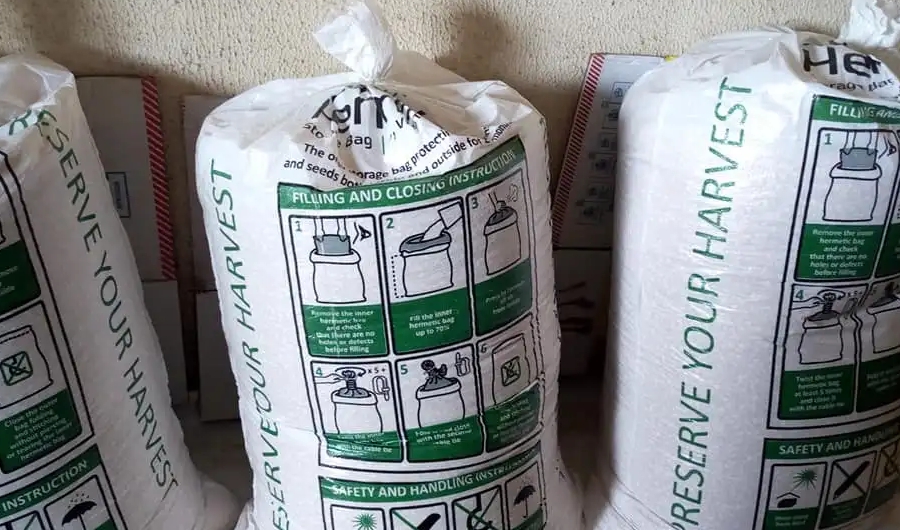
Key Takeaways
- Hermetic Storage Efficiency: Hermetic systems create an oxygen-restricted environment that leads to rapid mortality of red flour beetles, preserving wheat quality.
- Non-Hermetic Storage Vulnerability: These systems enable continuous oxygen exchange, fostering beetle proliferation and increased contamination and weight loss.
- Management and Monitoring: The effective use of hermetic storage requires proper sealing, constant monitoring, and understanding temperature and moisture dynamics for optimal protection.
Introduction
The red flour beetle, scientifically known as Tribolium castaneum, poses a considerable threat to stored wheat, both in terms of physical damage and potential contamination. The damage inflicted by these beetles is influenced significantly by the storage method employed – particularly the difference between hermetic and non-hermetic storage bags. Hermetic storage systems, characterized by their near airtight environments, have become increasingly popular due to their ability to control pest populations without the use of chemical pesticides. In contrast, non-hermetic systems, which allow for free air exchange, tend to provide conducive conditions for pest survival, leading to accelerated damage and increased contamination.
Understanding the Red Flour Beetle and Its Behavior
Biology and Pest Dynamics
The red flour beetle is a well-known pest in the storage of wheat and other grains. As a generalist feeder, it targets a wide range of stored products, including whole kernels, broken grain, and flour dust generated during processing. The beetle’s life cycle is rapid, meaning even minimal infestations can quickly multiply under favourable conditions. They feed by consuming essential parts of the grain, such as the germ and endosperm, which not only diminishes the nutritional value of the grain but also affects its physical characteristics, often resulting in unusual discoloration like a pinkish hue at high infestation levels.
Mechanisms of Damage
Direct Feeding
Red flour beetles inflict direct damage by feeding on the stored wheat. This feeding process leads to weight loss and depletion of valuable nutrients, significantly reducing the edible portion of the grain. The beetle’s consumption of the wheat kernel can also compromise the seed's germination capabilities if the wheat is intended for planting.
Contamination
Beyond the physical damage of consuming the grain, these beetles contribute to contamination. Fragments of cast skins, fecal pellets, dead bodies, and other residues accumulate, lowering the quality, edibility, and marketability of the wheat. Such contamination can also lead to the introduction of secondary pests or microbial issues, further exacerbating the deterioration of the grain.
Comparison Between Hermetic and Non-Hermetic Storage Bags
Hermetic Storage
Hermetic storage bags are designed to be airtight, creating an environment where the oxygen levels are drastically reduced. This decrease in oxygen, accompanied by a relative increase in carbon dioxide levels due to the respiration of any living organism inside, is critical to the suppression of the red flour beetle population.
Mechanisms of Insect Suppression
The restricted oxygen environment inherently halts the metabolic activities of the red flour beetle. Without sufficient oxygen, beetle metabolism slows, reproduction is inhibited, and eventual mortality increases. In some studies, complete mortality of beetles has been observed in hermetic conditions within as little as 12 days, effectively controlling the pest before significant damage can occur.
Benefits for Wheat Quality
Maintaining low oxygen and controlled moisture levels benefits the stored wheat in several key ways. Firstly, the grain remains less susceptible to mold and fungal infections, which are typically spurred by higher moisture content. Secondly, by reducing the beetle population, hermetic storage minimizes waste through feeding damage, thus preserving the overall weight and nutritional integrity of the wheat. The prevention of excessive beetle activity also curbs the spread of contaminants such as beetle cast skins and debris, ensuring a cleaner end product.
Non-Hermetic Storage
Non-hermetic storage systems, being permeable to air, lack the critical protective mechanism that hermetic systems provide. The unrestricted air flow in these bags establishes ideal conditions for red flour beetle survival, leading to continuous pest activity and reproduction.
Enhanced Beetle Activity
In non-hermetic storage, the constant presence of oxygen ensures that beetle metabolic processes remain active. Consequently, feeding is sustained, and the beetle populations can increase rapidly. This leads to accelerated damage, as large numbers of beetles will feed on the wheat, causing both direct loss of grain mass and degradation in quality.
Contamination and Quality Degradation
The continuous feeding and reproduction cycle in non-hermetic storage means that there is higher potential for contamination. Beetle fragments, excrement, and other byproducts accumulate, reducing the overall quality of the wheat. This in turn can affect both the market value and the suitability of the grain for further processing or consumption. Moreover, increased moisture produced by metabolic activity can contribute to conditions favorable for mold growth, leading to additional degradation.
Detailed Comparative Analysis
Critical Factors Affecting Storage Efficiency
Several factors determine the overall effectiveness of storage systems in mitigating the damage caused by the red flour beetle:
- Bag Integrity: A hermetic bag must maintain its airtight seal throughout the storage period. Any breach allows oxygen to permeate, which can enable the beetles to survive and reproduce despite the intended conditions.
- Initial Pest Load: The number of beetles present at the time of storage impacts how quickly hermetic conditions can be established. A very high initial infestation might lead to some degree of damage before the low-oxygen environment fully takes effect.
- Storage Duration and Ambient Temperature: Both the duration of storage and the ambient temperature influence the rate at which oxygen levels drop in hermetic systems. In warmer conditions, increased initial metabolic rates may accelerate the depletion of oxygen but also might initially boost beetle activity in non-hermetic systems.
Comparative Summary Table
| Storage Type | Damage Potential | Key Control Mechanisms |
|---|---|---|
| Hermetic | Low to none; minimal reproduction and feeding activity | Oxygen restriction, CO₂ build-up, monitoring for seal integrity |
| Non-Hermetic | High; rapid beetle proliferation and significant contamination issues | Additional pest control measures such as biopesticides and integrated pest management strategies |
Practical Implications for Grain Storage
Hermetic Storage: Best Practices and Recommendations
Adopting hermetic storage systems translates directly into enhanced protection of wheat from pest invasion by red flour beetles. For storage managers and farmers, the following practices are recommended to maximize benefits:
Sealing and Integrity
It is critical to ensure that hermetic storage bags or containers are completely sealed and remain intact for the entire duration of the storage period. Inspections should be conducted regularly to confirm that no breaches or tears have compromised the airtight barrier.
Initial Pest Load Management
Prior to storing wheat in hermetic conditions, reducing the initial population of red flour beetles through cleaning, drying, or pre-treatment methods can significantly enhance storage efficacy. Lower initial pest loads allow the low-oxygen conditions to become effective more rapidly, reducing any window of opportunity for beetle survival.
Environmental Control
Temperature and moisture control are additional key elements in a successful hermetic storage system. Maintaining lower ambient temperatures can help slow any residual metabolic activity, while rigorous moisture control helps stave off fungal growth and further deterioration of wheat quality.
Non-Hermetic Storage: Challenges and Mitigation Strategies
When hermetic storage is not feasible, non-hermetic storage systems require supplementary pest management measures to mitigate the damage potential of red flour beetles. Without the protective barrier provided by a hermetic system, pests have the opportunity to thrive.
Integrated Pest Management (IPM)
The implementation of an integrated pest management approach is vital in non-hermetic storage. This may involve a combination of chemical treatments, biopesticides such as entomopathogenic fungi, and regular monitoring for early signs of infestation. The objective is to control pest populations before they reach levels that cause significant damage.
Drying and Aeration
Ensuring that the wheat is sufficiently dried before storage can reduce moisture contents that would otherwise promote both insect survival and the growth of molds. Additionally, employing proper aeration techniques during the initial stages of storage may help in minimizing the accumulation of metabolic byproducts that are attractive to pests.
Despite these strategies, non-hermetic storage inherently presents a higher risk for damage. This has made the adoption of hermetic storage methods increasingly favored among grain producers who seek to preserve both the quantity and the quality of their stored wheat.
Additional Scientific and Field Insights
Field Studies and Quantitative Findings
Field experiments consistently support the observation that hermetic storage is significantly more effective in curbing the population growth of red flour beetles. Quantitative analyses have demonstrated that use of hermetic bags can lead to reductions in beetle populations by several orders of magnitude compared to non-hermetic storage. For instance, in controlled trials, hermetic bags not only achieved near-total mortality of the beetles within a short span but also preserved key quality attributes of stored wheat such as weight, moisture content, and germination potential.
Economic Implications
Beyond the biological and quality benefits, economic considerations play a key role in the decision-making process. The prevention of pest-induced damage implies a reduction in losses incurred due to decreased grain weight and market rejection caused by contamination. In contrast, the increased need for additional pest control interventions in non-hermetic systems raises operational costs. Moreover, enhanced grain quality translates into a higher market price and greater consumer acceptance, providing a strong financial incentive to adopt hermetic storage technologies.
Comparative Advantages and Future Trends
Increasing research and technological advancements in the field of grain storage have reinforced the advantages of hermetic storage systems. Improvements in sealing materials, monitoring devices, and integration with digital control systems have made it easier to maintain the low-oxygen conditions needed to combat pest infestations. These innovations are expected to further reduce the susceptibility of wheat to storage pests, promoting a shift away from traditional non-hermetic storage which is more vulnerable to pest proliferation.
Conclusion
A comprehensive evaluation of storage conditions for wheat clearly indicates that hermetic storage offers superior protection against the red flour beetle. By establishing an environment where oxygen is scarce and carbon dioxide levels are elevated, hermetic systems effectively disrupt the beetle's metabolic and reproductive cycles, leading to rapid mortality. In contrast, non-hermetic storage systems, with their continuous oxygen supply, permit sustained pest activity that not only reduces grain weight but also introduces multiple forms of contamination.
For grain producers and storage managers, adopting hermetic storage is a strategic decision that minimizes pest-related losses and maintains grain quality. However, effective implementation requires ensuring the integrity of the storage containers, managing the initial pest load, and maintaining appropriate storage conditions, such as temperature and moisture control. In situations where non-hermetic storage is unavoidable, integrated pest management and rigorous monitoring become essential to mitigate the higher risks involved.
References
- Red Flour Beetle - Grains Canada
- Enhancing Wheat-Flour Safety - Springer
- Types of Flour Beetles and Control Measures - Farmhouse Guide
-
Impact of Red Flour Beetle Infestations - ScienceDirect
- Comparative Study of Wheat Storage Systems - SpringerOpen
- Comparison of Hermetic and Traditional Storage - UNL Digital Commons
- Field Evaluation of Hermetic Storage - Nature
More Information
Last updated February 19, 2025