
Beyond Fillings: When is Dental Surgery the Unavoidable Path to Oral Health?
Discover the critical situations where advanced surgical intervention becomes the most effective solution for your dental well-being.
Key Insights: When Surgery is Essential
- Severe Damage or Disease: Surgery is often necessary when teeth are severely damaged, decayed, infected, or impacted beyond repair by non-surgical methods like fillings or root canals.
- Replacing Missing Teeth: Dental implants, requiring surgery, are frequently the best long-term solution for replacing missing teeth, preserving jawbone health and offering superior function compared to alternatives.
- Complex Structural Issues: Correcting significant jaw misalignments, addressing bone loss, treating advanced gum disease, or removing oral pathologies like cysts or tumors often requires surgical intervention.
Understanding Dental Surgery
Dental surgery, encompassing procedures also known as oral surgery or oral and maxillofacial surgery, is a specialized branch of dentistry focused on treating complex conditions affecting the teeth, gums, jaw, face, and surrounding structures. While routine dental care addresses many common issues, surgery becomes the optimal choice when conservative, non-invasive treatments are insufficient to resolve the problem, prevent further complications, or restore proper oral function and aesthetics. Oral surgeons perform these procedures, often in clinical settings or outpatient surgery centers, addressing issues that range from problematic teeth to intricate facial reconstructions.
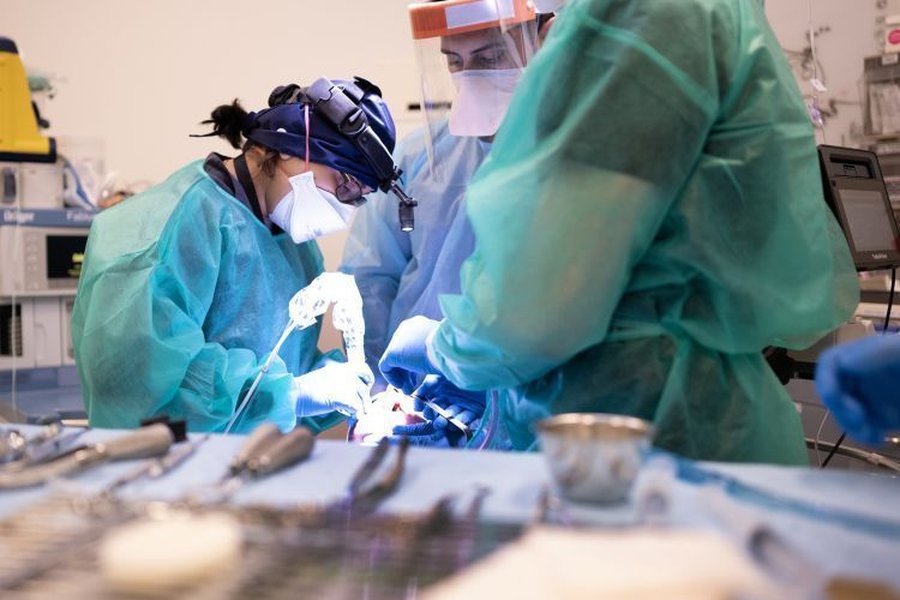
A modern oral surgery center designed for complex procedures.
Critical Scenarios Necessitating Dental Surgery
The decision to proceed with dental surgery is based on a thorough evaluation, including clinical examination and diagnostic imaging. Here are the primary situations where it is typically considered the best course of action:
1. Tooth Extraction: Beyond Simple Removal
Severely Damaged or Decayed Teeth
When a tooth is extensively damaged by trauma, deep decay, or infection, and cannot be saved through restorative procedures like fillings, crowns, or root canal therapy, surgical extraction becomes necessary. This prevents the spread of infection and removes the source of pain.
Impacted Teeth
Teeth that fail to erupt properly through the gum line are considered "impacted." Wisdom teeth (third molars) are most commonly impacted, often growing at an angle, remaining trapped in the jawbone, or crowding adjacent teeth. Surgical removal is frequently recommended to prevent pain, swelling, recurrent infections, cyst formation, and damage to neighbouring teeth.
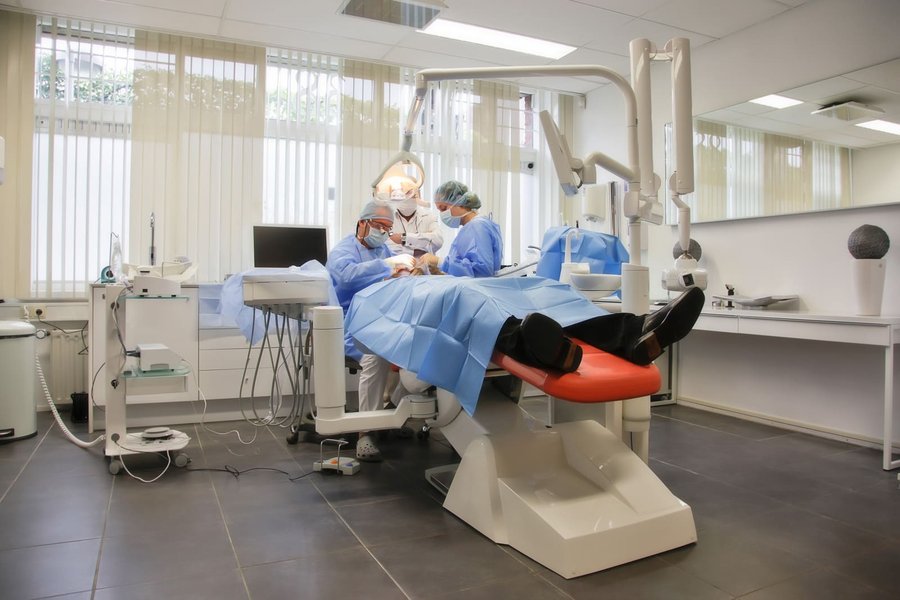
Surgical extraction is often required for impacted wisdom teeth.
2. Replacing Missing Teeth: The Implant Solution
Dental implants are widely regarded as the gold standard for replacing missing teeth. This involves a surgical procedure where a biocompatible titanium post is precisely placed into the jawbone, acting as an artificial tooth root. Once integrated with the bone (osseointegration), a custom-made crown is attached. Surgery is the best option here because implants:
- Provide a stable, long-lasting foundation for replacement teeth.
- Function and feel like natural teeth.
- Help preserve jawbone density, preventing bone loss that occurs when teeth are missing.
- Avoid impacting adjacent healthy teeth, unlike traditional bridges.
While options like dentures or bridges exist, implant surgery offers superior long-term results for patients with sufficient jawbone structure.
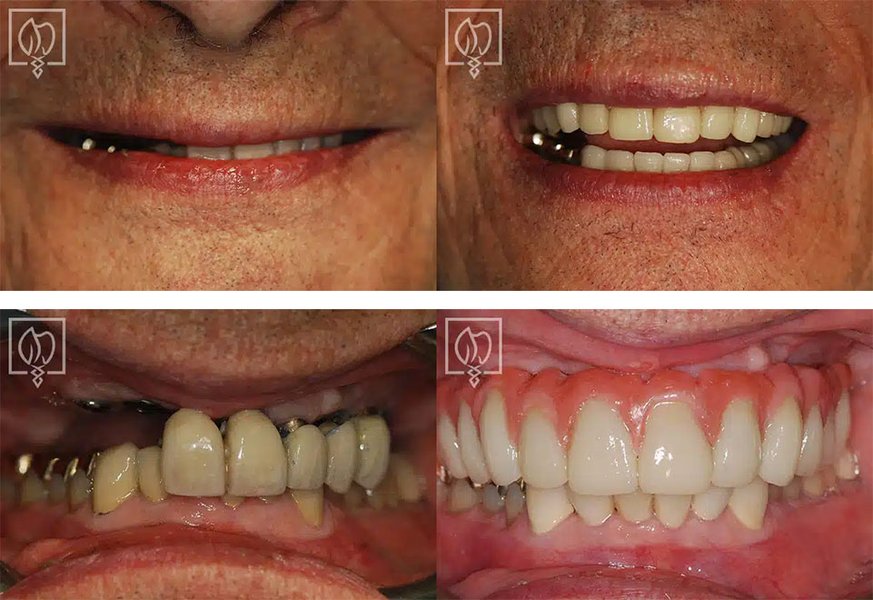
Dental implants provide a natural-looking and functional replacement for missing teeth.
3. Addressing Jaw and Bone Issues
Corrective Jaw Surgery (Orthognathic Surgery)
For individuals with significant jaw misalignments (like severe overbites, underbites, or crossbites), facial asymmetry, or related functional problems (difficulty chewing, speaking, breathing), orthognathic surgery may be the best solution. This type of surgery repositions the upper jaw, lower jaw, or both, improving function and facial harmony when orthodontic treatment alone is insufficient.
Temporomandibular Joint (TMJ) Disorders
While many TMJ issues can be managed conservatively, severe cases involving structural joint problems or chronic pain unresponsive to other therapies might require surgical intervention.
Bone Grafting (Augmentation)
Significant bone loss in the jaw, often resulting from periodontal disease, tooth extraction, or trauma, can prevent the placement of dental implants or affect facial structure. Bone grafting surgery rebuilds the necessary bone volume using the patient's own bone, donor bone, or synthetic materials. This creates a stable foundation for future restorative work, particularly implants.
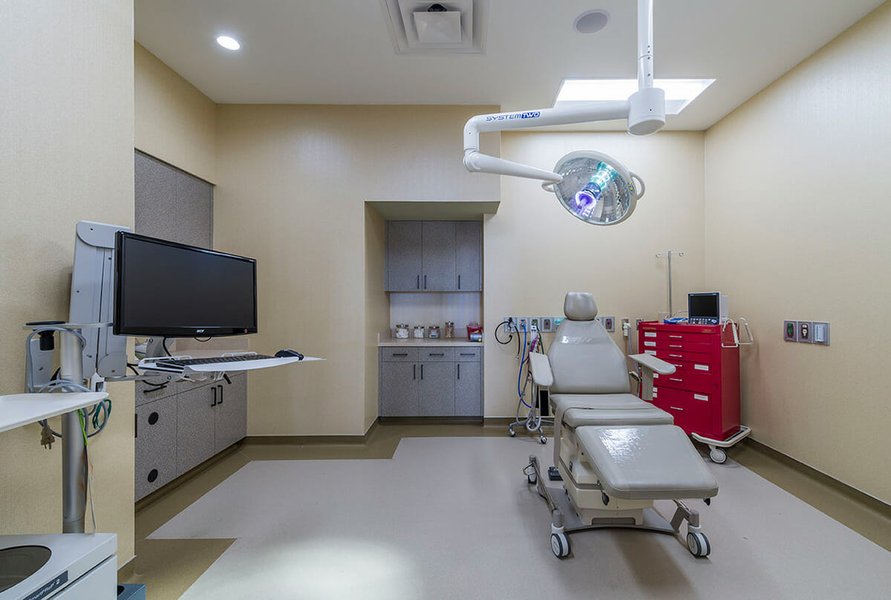
Reconstructive surgery, including bone grafting, can restore jaw structure.
4. Managing Gum and Tissue Problems
Gum Grafting
Receding gums expose tooth roots, leading to sensitivity, increased risk of decay, and an aesthetically undesirable appearance. Gum grafting surgery involves taking tissue from the palate or using donor material to cover the exposed roots, protecting them and improving gum health.
5. Treating Oral Pathology and Infections
Removal of Cysts, Tumors, and Lesions
Abnormal growths, such as cysts or tumors (both benign and malignant), in the mouth or jaw often require surgical removal. Surgery is also crucial for obtaining biopsies of suspicious lesions to diagnose conditions like oral cancer accurately and early.
Persistent Infections (Apicoectomy)
If an infection persists after root canal treatment, an apicoectomy might be necessary. This surgical procedure involves removing the tip of the tooth's root (apex) and the infected tissue surrounding it, sealing the root end to prevent recurrence.
6. Facial Trauma Repair
Oral and maxillofacial surgeons are specialists in repairing injuries to the face resulting from accidents or trauma. This includes treating fractures of the upper and lower jaws, cheekbones, eye sockets, and other facial bones, restoring both function and appearance.
7. Addressing Obstructive Sleep Apnea
In some cases of obstructive sleep apnea (OSA) that don't respond well to conservative treatments like CPAP machines or oral appliances, surgery may be an option. Procedures might involve modifying the jaw structure or soft tissues in the throat to enlarge the airway.
8. Preparation for Other Treatments
Sometimes, dental surgery is a necessary prerequisite for other dental or medical procedures. This could involve extracting compromised teeth before radiation therapy or organ transplant surgery, or performing bone or gum grafts to prepare the mouth for successful prosthetic restorations like implants or dentures.
Visualizing the Decision Factors for Dental Surgery
Deciding whether dental surgery is the best option involves weighing several factors. The radar chart below illustrates how different elements typically influence this decision. Higher scores indicate a stronger suggestion towards surgical intervention.
This chart highlights that conditions like severe jaw misalignment or impacted teeth strongly favour surgical solutions due to high severity, functional impact, and the limitations of non-surgical approaches. Conversely, less severe issues might have lower scores, suggesting conservative management could be attempted first.
Mapping the Reasons for Dental Surgery
To summarize the diverse situations calling for dental surgery, the following mindmap provides a visual overview of the primary indications:
(Extraction)"] id1b["Impacted Teeth
(e.g., Wisdom Teeth)"] id1c["Failed Root Canal
(Apicoectomy)"] id2["Missing Teeth"] id2a["Dental Implants
(Requires Surgery)"] id3["Jaw & Bone Issues"] id3a["Jaw Misalignment
(Orthognathic Surgery)"] id3b["TMJ Disorders
(Severe Cases)"] id3c["Bone Loss
(Bone Grafting)"] id4["Gum & Tissue Issues"] id4a["Gum Recession
(Gum Grafting)"] id5["Oral Pathology"] id5a["Cysts & Tumors
(Removal & Biopsy)"] id5b["Persistent Infections"] id5c["Oral Cancer Treatment"] id6["Other Indications"] id6a["Facial Trauma Repair"] id6b["Obstructive Sleep Apnea"] id6c["Preparation for
Other Treatments"]
This mindmap illustrates that dental surgery addresses a wide spectrum of issues, from single tooth problems to complex structural and pathological conditions, often when non-surgical approaches are inadequate.
Exploring Dental Implant Surgery
Dental implant surgery is one of the most common and transformative types of dental surgery. It offers a permanent solution for missing teeth. The following video provides insights into what you can expect during the dental implant process, highlighting why it's often considered the best option for tooth replacement.
As the video explains, dental implants involve placing a titanium post into the jawbone, which fuses with the bone over time. This creates a strong foundation for a replacement tooth that looks, feels, and functions like a natural one. The surgical placement is key to the long-term success and stability of the implant, making it superior to options that rest on the gums or rely on adjacent teeth.
Comparing Common Dental Surgery Procedures
Different dental problems require different surgical solutions. The table below outlines some common types of dental surgery, their primary purpose, general complexity, and typical outcomes.
| Procedure Type | Primary Purpose | General Complexity | Typical Outcome/Benefit |
|---|---|---|---|
| Surgical Tooth Extraction | Remove impacted, severely damaged, or infected teeth. | Moderate | Eliminates pain/infection source, prevents further damage. |
| Dental Implant Placement | Replace missing teeth with a permanent, bone-integrated solution. | Moderate to High | Restores function/aesthetics, preserves jawbone, long-lasting. |
| Bone Grafting | Rebuild jawbone volume for implants or structural support. | Moderate to High | Enables implant placement, restores facial contours. |
| Gum Grafting | Cover exposed tooth roots, treat gum recession. | Moderate | Reduces sensitivity, improves gum health and aesthetics. |
| Orthognathic (Jaw) Surgery | Correct severe bite/jaw alignment issues. | High | Improves chewing, speech, breathing, facial balance. |
| Apicoectomy | Treat persistent infection after root canal therapy. | Moderate | Saves the natural tooth, resolves infection. |
| Biopsy/Lesion Removal | Diagnose or treat oral pathologies (cysts, tumors). | Low to High (depending on lesion) | Diagnosis, removal of harmful tissue, prevents spread. |
This table illustrates that the complexity and goals of dental surgery vary widely, but the overarching aim is always to resolve significant oral health issues that cannot be effectively managed through less invasive means.
Factors Influencing the Decision and Modern Advances
Choosing dental surgery isn't solely based on the condition itself. Several factors are considered:
- Complexity and Severity: More complex or advanced problems often necessitate surgery.
- Patient's Overall Health: Systemic health conditions can influence surgical risks and planning.
- Urgency: Acute pain, spreading infection, or significant functional impairment may require prompt surgical intervention.
- Diagnostic Findings: X-rays, CT scans, and clinical exams provide the necessary information to determine if surgery is the best path.
- Failure of Previous Treatments: If non-surgical options have been attempted without success, surgery becomes the logical next step.
- Patient Goals and Preferences: Long-term stability (implants) vs. removable options (dentures) involves patient choice.
Communication between your general dentist and an oral surgeon is crucial for coordinated care. Furthermore, advancements are making surgery more precise and comfortable:
- Laser Dentistry: For some soft tissue procedures (like gum contouring or lesion removal), lasers offer a minimally invasive option with less bleeding, reduced need for sutures, and potentially faster healing.
- Advanced Imaging: 3D imaging (CBCT scans) allows for highly accurate planning of implant placement and jaw surgeries.
- Telemedicine: Virtual consultations and follow-ups are becoming more common in 2025, potentially streamlining parts of the surgical process.
Considering financial aspects, like dental insurance coverage (including potential benefits from some Medicare Advantage plans in 2025 for procedures like implants), is also part of the planning process, although Original Medicare typically offers limited dental coverage.
Frequently Asked Questions about Dental Surgery
+ Is dental surgery painful?
Modern dental surgery prioritizes patient comfort. Procedures are performed using local anesthesia, sedation, or general anesthesia, depending on the complexity and patient anxiety levels. While some post-operative discomfort, swelling, or bruising is expected, pain is typically manageable with prescribed or over-the-counter pain relievers and proper aftercare.
+ What is the recovery time after dental surgery?
Recovery time varies significantly depending on the type of surgery performed and individual healing factors. Simple extractions might require only a few days of recovery, while more complex procedures like jaw surgery or multiple implants can involve several weeks or months for complete healing and integration. Your oral surgeon will provide specific post-operative instructions regarding diet, hygiene, activity restrictions, and follow-up appointments.
+ Are there alternatives to dental surgery?
Yes, for many conditions, non-surgical alternatives exist. For missing teeth, options include dentures or bridges. For mild jaw issues, orthodontics or physical therapy might suffice. Gum disease can often be managed with deep cleanings. However, surgery becomes the best option when these alternatives are ineffective, cannot address the root cause (like an impacted tooth or significant bone loss), or do not offer the desired long-term stability and functional outcome.
+ What are the risks associated with dental surgery?
Like any surgical procedure, dental surgery carries potential risks, although complications are relatively uncommon when performed by a qualified specialist. Risks can include infection, bleeding, swelling, nerve injury (potentially causing temporary or permanent numbness), sinus issues (for upper jaw procedures), and anesthesia-related complications. Your surgeon will discuss the specific risks associated with your procedure during the consultation.
Recommended Further Exploration
- What are the differences between dental implants and dentures for replacing teeth?
- How is recovery managed after wisdom tooth removal surgery?
- Can corrective jaw surgery improve sleep apnea symptoms?
- What does bone grafting surgery for dental implants involve?
References
Last updated April 28, 2025