
When Leasing a Tesla Makes Sense
Comprehensive Insights for Informed Decision-Making
Key Takeaways
- Lower Financial Commitment: Leasing offers reduced upfront costs and manageable monthly payments, making it an attractive option for those seeking financial flexibility.
- Access to Latest Technology: Leasing allows drivers to upgrade to the newest Tesla models regularly, ensuring access to the latest advancements and features.
- Minimal Maintenance Concerns: Leased vehicles are typically covered under manufacturer warranties, reducing unexpected maintenance expenses.
Introduction
Leasing a Tesla is a nuanced decision that hinges on various financial and lifestyle factors. As electric vehicles (EVs) continue to gain popularity, understanding the intricacies of leasing versus buying becomes paramount for prospective Tesla owners. This comprehensive guide delves into the scenarios where leasing a Tesla is advantageous, providing expert insights to aid in making an informed choice.
Financial Considerations
Lower Upfront Costs and Monthly Payments
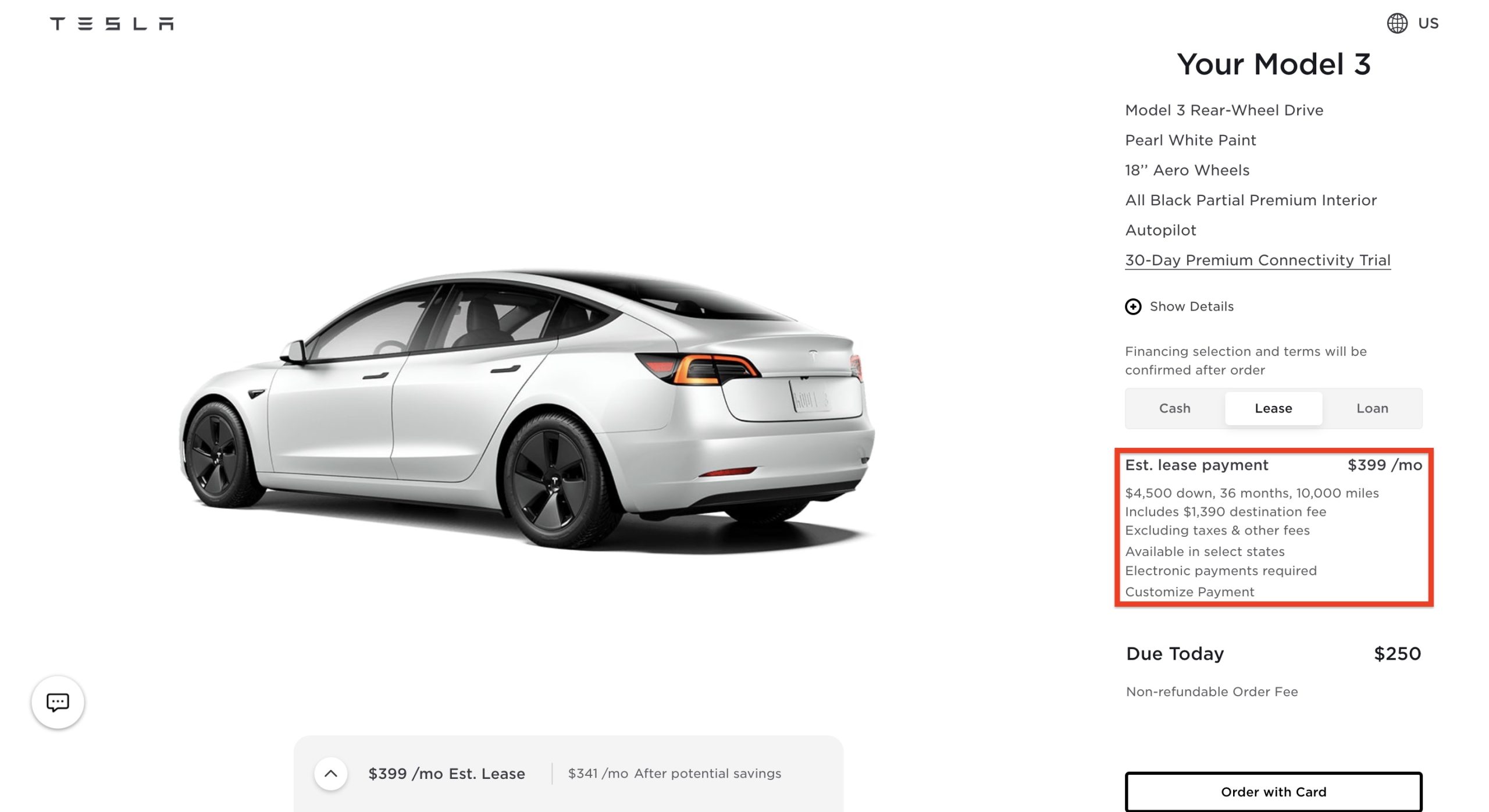
One of the most compelling reasons to lease a Tesla is the financial flexibility it offers. Leasing typically demands a smaller down payment compared to purchasing, thereby preserving your capital for other investments or expenses. Additionally, monthly lease payments are generally lower than loan repayments for financed purchases, making it easier to manage cash flow.
Building Financial Flexibility
For individuals who prefer not to tie up significant funds in vehicle ownership, leasing presents an optimal solution. By minimizing the initial financial outlay and spreading costs over the lease term, you maintain greater financial liquidity. This approach is particularly beneficial for those who prioritize investing surplus funds into other ventures or savings vehicles.
Tax Advantages for Businesses
Businesses can leverage leasing to optimize their tax strategies. Lease payments for a Tesla used in business operations may be deductible as a business expense, offering tax relief that is not available when purchasing a vehicle outright. This tax benefit can significantly enhance the overall cost-effectiveness of leasing for corporate entities.
Access to the Latest Technology
Regular Upgrades to New Models
Tesla is renowned for its rapid technological advancements and frequent updates to its vehicle lineup. Leasing allows you to upgrade to the latest Tesla models every few years, ensuring you benefit from the most recent innovations in safety, performance, and infotainment systems. This is particularly advantageous in the fast-evolving EV market, where staying current can enhance your driving experience.
Mitigating Technological Obsolescence
Electric vehicle technology is advancing at an unprecedented pace. Leasing mitigates the risk of owning a vehicle that may quickly become outdated. By transitioning to newer models at the end of each lease term, you avoid the potential depreciation in value that accompanies older technology, thereby maintaining the relevancy and efficiency of your vehicle.
Enhanced Safety and Performance Features
Each new Tesla iteration often incorporates enhanced safety features and performance improvements. Leasing ensures that you have access to these advancements without the long-term commitment of owning a model that may lack these critical updates. This commitment to safety and performance is a significant consideration for many drivers.
Minimal Maintenance and Warranty Coverage
Comprehensive Warranty Coverage
Leased Teslas are typically covered under the manufacturer’s warranty for the duration of the lease. This comprehensive coverage minimizes unexpected maintenance and repair costs, providing peace of mind to lessees. The warranty often includes coverage for major components and system functionalities, reducing the financial burden of potential repairs.
Predictable Maintenance Costs
The warranty coverage ensures that maintenance costs remain predictable and manageable throughout the lease term. Unlike ownership, where maintenance costs can escalate unpredictably, leasing offers a more stable financial environment with fewer surprises related to vehicle upkeep.
No Concern Over Resale Value
When leasing, concerns about the vehicle’s resale value are effectively transferred to the leasing company. This eliminates the stress associated with attempting to sell or trade in the vehicle at the end of its useful life. Instead, you can focus on maintaining the vehicle in good condition, adhering to mileage limits, and enjoying the benefits of a reliably maintained EV.
Flexibility and Short-Term Commitment
Short-Term Vehicle Commitment
Leasing offers the flexibility of a short-term commitment, typically ranging from 24 to 36 months. This is ideal for individuals who prefer not to be tied down to a single vehicle for an extended period. The ability to switch vehicles frequently aligns well with those who value variety and the latest automotive features.
Adaptability to Changing Needs
Life circumstances can change rapidly, and leasing allows you to adapt your vehicle to your evolving needs. Whether it’s a change in family size, commuting patterns, or personal preferences, leasing provides the adaptability to select a vehicle that best suits your current situation without the constraints of ownership.
Easy Transition to New Models
At the end of a lease term, transitioning to a new Tesla model is straightforward. This seamless process eliminates the complexities associated with selling or trading in a vehicle, allowing you to effortlessly move to the latest model with updated features and improvements.
Limited Mileage and Appropriate Driving Habits
Suitability for Low to Moderate Mileage Drivers
Leasing agreements come with mileage limits, typically ranging from 10,000 to 15,000 miles per year. For drivers whose annual mileage falls within or below these limits, leasing can be a cost-effective option. Staying within mileage restrictions helps avoid excess mileage penalties, ensuring the lease remains financially advantageous.
Ideal for Urban and Commuter Drivers
Individuals primarily driving in urban environments or using their Tesla for daily commutes often benefit from leasing due to their consistent yet moderate mileage patterns. The combination of lower payments and manageable mileage limits aligns well with the driving habits of urban and commuter drivers.
Penalty-Free Maintenance of Vehicle Condition
Leasing encourages lessees to maintain the vehicle in good condition to avoid end-of-lease penalties. For those conscious of their vehicle’s appearance and functionality, leasing promotes responsible use and maintenance, ensuring the Tesla remains in optimal condition throughout the lease term.
Tax Benefits and Incentives
Business Tax Deductions
Businesses that lease Teslas may be eligible for tax deductions on lease payments, which can be categorized as business expenses. This tax treatment can enhance the overall cost-effectiveness of leasing compared to purchasing, offering financial incentives for businesses to adopt electric vehicles.
Eligibility for Government Incentives
Depending on your location, leasing a Tesla may qualify you for various government incentives and rebates aimed at promoting electric vehicle adoption. These incentives can further reduce the cost of leasing, making it an attractive option for environmentally conscious consumers seeking financial benefits.
Potential State and Local Benefits
In addition to federal incentives, many states and local governments offer additional benefits for leasing electric vehicles. These can include reduced registration fees, access to carpool lanes, and other perks that enhance the overall ownership experience without significantly increasing costs.
Avoiding Depreciation Risks
Shift Depreciation Risk to Leasing Company
Depreciation is a major concern for vehicle owners, as it directly affects the vehicle’s resale value. When leasing a Tesla, the depreciation risk is transferred to the leasing company, not the lessee. This arrangement provides financial protection against the vehicle’s potential loss in value over time.
Predictable Financial Planning
Leasing offers more predictable financial planning since lease terms specify the residual value and monthly payments upfront. This predictability simplifies budgeting and eliminates uncertainties associated with market fluctuations and depreciation rates.
No Resale Hassles
Reselling a vehicle can be time-consuming and fraught with uncertainties regarding market demand and pricing. Leasing eliminates the need to engage in resale activities, as the vehicle is returned to the leasing company at the end of the term, streamlining the overall process.
Technological Advancements and Software Updates
Access to Cutting-Edge Features
Tesla continuously integrates cutting-edge technologies and software updates into its vehicles. Leasing ensures that you have access to these advancements without needing to purchase a new vehicle, as you can transition to the latest models that incorporate these features at the end of each lease term.
Enhanced User Experience
With each new Tesla model, users benefit from improvements in user interface, autonomous driving capabilities, battery efficiency, and more. Leasing allows you to experience an enhanced user experience consistently, keeping your Tesla aligned with the latest industry standards.
Future-Proofing Your Vehicle Choice
As automotive technology rapidly evolves, leasing provides a strategic advantage by ensuring that your vehicle remains technologically relevant. This future-proofing aspect of leasing is particularly valuable in the context of Tesla’s commitment to innovation and advancement.
Environmental and Sustainability Considerations
Commitment to Sustainability
Leasing a Tesla aligns with a commitment to sustainability and reducing your carbon footprint. Electric vehicles like Teslas produce fewer emissions compared to traditional combustion engine vehicles, contributing to environmental preservation.
Promoting Renewable Energy Usage
By leasing a Tesla, you support the advancement and adoption of renewable energy technologies. Teslas are at the forefront of integrating renewable energy solutions, and leasing facilitates greater participation in the shift towards sustainable transportation.
Encouraging Responsible Consumption
Leasing fosters responsible consumption patterns by promoting the use of electric vehicles and reducing the reliance on fossil fuels. This responsible approach not only benefits the environment but also encourages the broader adoption of sustainable practices within the automotive industry.
Comparative Analysis: Leasing vs. Buying
Cost Comparison
Leasing generally offers lower monthly payments and reduced upfront costs compared to buying. However, over multiple lease terms, leasing can become more expensive than owning a vehicle outright. Below is a comparative table highlighting key financial aspects:
| Aspect | Leasing | Buying |
|---|---|---|
| Upfront Costs | Lower down payment | Higher down payment |
| Monthly Payments | Typically lower | Higher |
| Ownership | No ownership equity | Builds equity over time |
| Maintenance | Covered under warranty | Owner responsible after warranty |
| Depreciation | Leasing company bears depreciation | Owner bears depreciation |
| Flexibility | High flexibility to upgrade | Less flexibility, ownership commitment |
Long-Term Financial Implications
While leasing offers short-term financial benefits, buying a Tesla can be more economical in the long run. Ownership allows you to eventually pay off the vehicle and eliminate monthly payments, whereas leasing perpetuates a continual cycle of payments with no asset accumulation.
Equity and Asset Building
Purchasing a Tesla enables you to build equity, which can be leveraged for future financial needs or investments. Ownership also provides the flexibility to sell the vehicle, recouping some of your investment based on the vehicle’s residual value.
Total Cost of Ownership (TCO)
When evaluating leasing versus buying, it’s essential to consider the Total Cost of Ownership (TCO), which includes all expenses associated with the vehicle throughout its lifetime. TCO factors in depreciation, maintenance, financing costs, insurance, and taxes. A detailed analysis can help determine which option aligns better with your financial goals.
Lease Agreement Terms and Conditions
Understanding Mileage Limits
Leasing contracts stipulate annual mileage limits, typically between 10,000 to 15,000 miles. Exceeding these limits incurs additional fees, which can significantly increase the overall cost of leasing. It is crucial to assess your driving habits and select a mileage plan that aligns with your usage patterns to avoid unexpected expenses.
Wear and Tear Policies
Lease agreements include clauses regarding the condition of the vehicle upon return. Excessive wear and tear can result in additional charges. Maintaining the vehicle in good condition, adhering to recommended maintenance schedules, and avoiding modifications are essential to comply with lease terms and minimize end-of-lease penalties.
Early Termination Fees
Should circumstances necessitate an early termination of the lease, there may be substantial fees involved. These penalties can negate the financial benefits of leasing. Therefore, it is important to commit to the lease term or thoroughly understand the implications before considering early termination.
Residual Value and End-of-Lease Options
The residual value represents the vehicle’s estimated worth at the end of the lease term. A higher residual value can lower monthly payments and enhance the lease’s financial attractiveness. Additionally, some lease agreements offer options to purchase the vehicle at the residual value, providing flexibility based on your long-term preferences.
Market Trends and Future Outlook
Increasing Popularity of EV Leasing
The electric vehicle market is witnessing a surge in leasing agreements, driven by the growing acceptance of EVs and the benefits leasing offers. As more consumers recognize the financial and technological advantages of leasing, the trend is expected to continue, making leasing an increasingly viable option for prospective Tesla drivers.
Advancements in Lease Terms
Automakers, including Tesla, are continually refining lease terms to better cater to consumer needs. Innovations such as flexible lease durations, customizable mileage plans, and inclusive maintenance packages are enhancing the leasing experience, making it more appealing and accessible to a broader audience.
Impact of Technological Innovations
As Tesla advances its technology, the desirability of newer models increases. This progression accentuates the benefits of leasing, as it allows consumers to keep pace with technological developments without the burden of frequent vehicle sales or trade-ins. The integration of autonomous driving features, improved battery efficiency, and enhanced infotainment systems further reinforce leasing as a favorable option.
Environmental Impact and Corporate Responsibility
Promoting Sustainable Transportation
Leasing a Tesla contributes to the broader goal of sustainable transportation. Electric vehicles produce lower emissions compared to traditional gasoline-powered cars, aiding in the reduction of greenhouse gases and promoting environmental stewardship.
Supporting Renewable Energy Initiatives
Tesla’s commitment to renewable energy extends beyond its vehicles to initiatives such as solar energy and energy storage solutions. Leasing a Tesla aligns with supporting these broader efforts, reinforcing your role in advancing renewable energy adoption and sustainability.
Corporate Social Responsibility (CSR)
For businesses, leasing Teslas can enhance corporate social responsibility profiles by demonstrating a commitment to environmental sustainability. This can positively impact brand reputation, attract environmentally conscious customers, and contribute to overall corporate sustainability goals.
Conclusion
Leasing a Tesla presents a multitude of advantages tailored to specific financial and lifestyle needs. From lower upfront costs and manageable monthly payments to the flexibility of accessing the latest technological advancements and comprehensive warranty coverage, leasing offers a compelling pathway to enjoying a Tesla without the long-term commitments of ownership. Additionally, the financial flexibility, tax benefits for businesses, and alignment with sustainability goals make leasing a strategic choice for many consumers.
However, it is imperative to carefully assess your driving habits, financial situation, and long-term vehicle needs before deciding to lease. Factors such as mileage requirements, desire for vehicle customization, and plans for long-term ownership can significantly influence the suitability of leasing versus buying. Conducting a thorough cost-benefit analysis and consulting with Tesla representatives can help ensure that your decision aligns with your personal or business objectives.
References
- Tesla Leasing | Tesla Support
- Tesla Lease vs Buy 2025 - In-depth Financial Analysis Guide
- Is It Better to Buy or Lease a Tesla? We Dive In (2024 Update)
- Lease vs Buy a Tesla - tesbros.com
- Should You Buy or Lease a Tesla? - FINN.com
- Lease a Tesla Model 3 in 2024 for as Low as $299/Month
- Tesla Leasing Explained - YouTube
- Why Leasing an Electric Car is a Better Deal
- Tesla Leasing for Fleets - Truck Lenders USA
- September's Hottest EV Finance and Lease Deals
Last updated January 28, 2025