

Key Insights into Solar Energy Locations:
- Global Abundance: The Earth receives many times more solar energy daily than humanity consumes, making it an inexhaustible and widely available resource.
- Geographic Hotspots: Arid and subtropical regions near the equator, like the Atacama Desert in Chile, boast the highest solar radiation levels due to consistent sunlight and minimal cloud cover.
- Versatile Deployment: Solar energy can be harnessed in diverse settings, from large-scale utility plants in remote areas to distributed rooftop installations in urban environments, demonstrating its adaptability.
Solar energy, derived from the sun's radiant power, represents the cleanest and most abundant renewable energy source available. Its potential to meet global energy demands is immense, far exceeding current consumption. The fundamental process involves converting sunlight into electricity or thermal energy, primarily through photovoltaic (PV) devices or concentrated solar power (CSP) systems. Understanding where this invaluable resource can be optimally found and harnessed is crucial for its continued global adoption and impact on sustainable development.
The Global Tapestry of Solar Resources
While solar panels can generate electricity almost anywhere on Earth, the efficiency and economic viability of solar energy systems are heavily influenced by geographic location and environmental conditions. The availability and intensity of solar radiation vary significantly depending on factors such as latitude, time of day, season, and weather patterns. Generally, areas with high solar irradiance and minimal obstructions are prime candidates for solar development.
Latitude and Solar Intensity
Latitude plays a pivotal role in determining solar energy potential. Regions closer to the equator typically receive more direct and intense sunlight throughout the year. The arid tropics and subtropics are particularly blessed with high annual solar irradiance, making them ideal for large-scale solar projects. This consistent exposure to sunlight minimizes variability, maximizing energy output.
Climatic Factors: Cloud Cover and Aridity
Beyond latitude, climatic conditions are critical. Areas with consistently clear, cloudless skies receive more direct normal irradiance (DNI), which is essential for concentrated solar power (CSP) technologies that require direct sunlight. Flat-plate solar thermal and photovoltaic (PV) collectors can also utilize global horizontal irradiance (GHI), which includes both diffuse and direct solar radiation. Arid regions, characterized by low humidity and minimal cloud cover, offer superior conditions for solar energy collection. For instance, the Atacama Desert in Chile, known as the driest place on Earth, stands out as a prime location due to its extreme aridity, proximity to the equator (28 degrees South), and high plateau elevation, leading to exceptionally high energy density.
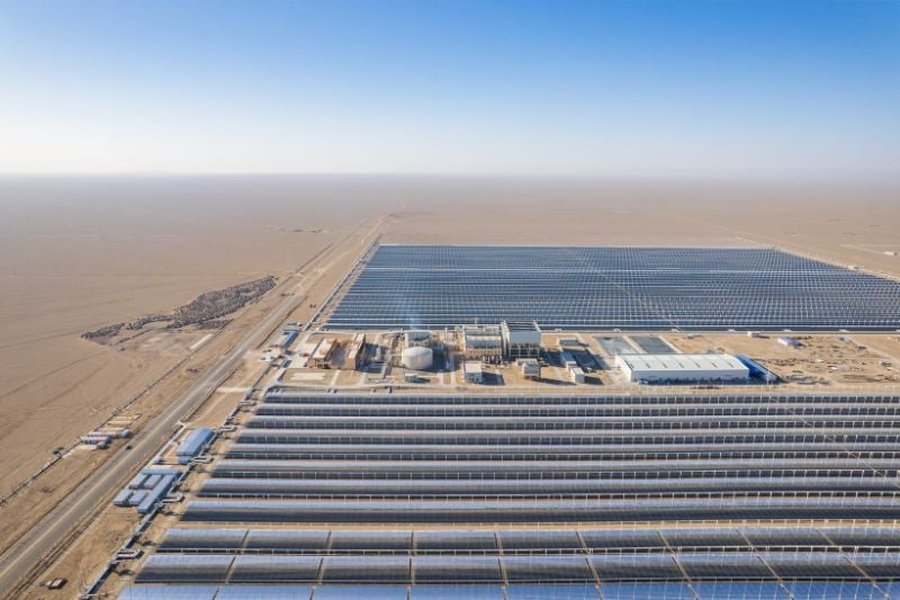
A vast solar farm harnessing the intense sunlight of a desert environment, showcasing the immense potential of arid regions for solar energy generation.
Global Leaders in Solar Energy
Several countries have emerged as global leaders in installed solar capacity, reflecting both their solar resource potential and proactive energy policies. China, the United States, Japan, India, and Germany are at the forefront of solar energy adoption. China, in particular, leads the world in solar power generation and accounts for a significant portion of global solar panel manufacturing.
Top Countries by Installed Solar Capacity (2023)
| Country | Installed Capacity (MW) | Key Factors |
|---|---|---|
| China | 609,921 | Abundant manufacturing, strong government support, diverse geographical potential. |
| United States | ~140,000 | Rich solar resources, supportive policies, rapid growth in utility-scale and rooftop installations. |
| Japan | ~85,000 | Early adoption, government incentives, focus on rooftop and smaller-scale projects. |
| India | ~70,000 | High solar insolation, ambitious renewable energy targets, large-scale project development. |
| Germany | ~65,000 | Pioneering feed-in tariffs, strong public support for renewables, extensive rooftop adoption. |
Note: Capacity figures are approximate and subject to change based on rapid deployment.
Solar Hotspots in the United States
The United States possesses some of the world's richest solar resources, with significant potential across various regions. While solar energy deployment is widespread, certain states and regions stand out due to their high solar radiation levels and supportive regulatory environments.
Southwestern US: A Solar Powerhouse
The southwestern United States, encompassing states like California, Nevada, Arizona, New Mexico, Colorado, and Utah, experiences the highest solar radiation levels in the country. This region's arid climate, abundant sunshine, and vast open spaces make it ideal for utility-scale solar farms. California leads in installed solar capacity, though Texas is rapidly catching up, demonstrating significant growth in its solar sector.
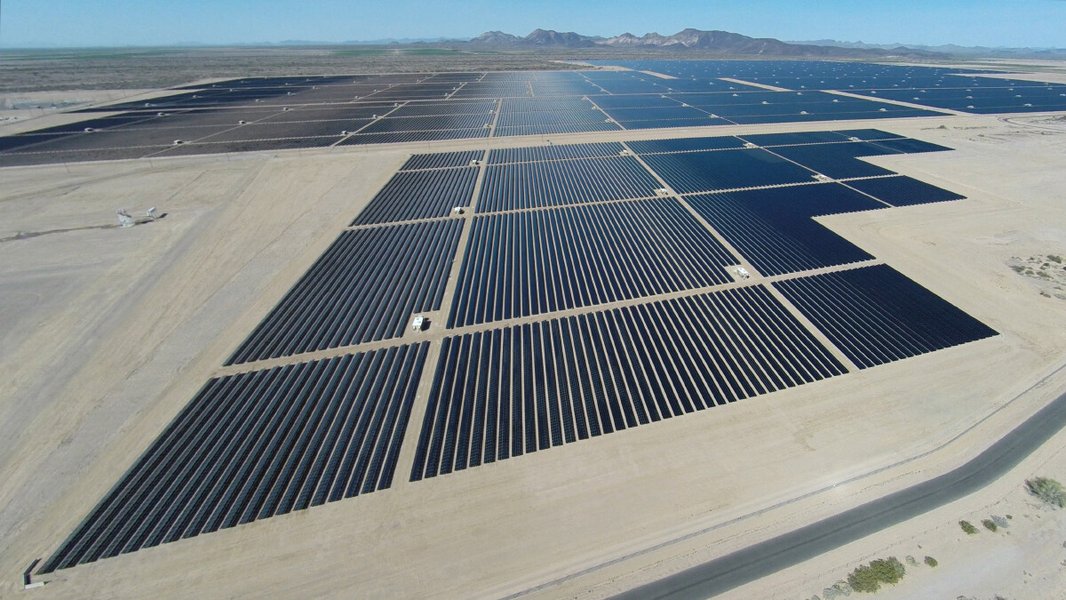
The Agua Caliente Solar Project in Arizona, an example of a massive utility-scale solar facility in the high-resource Southwestern US.
Emerging Solar Regions and Policy Influence
Beyond the Southwest, other states are also making significant strides in solar development. North Carolina and Massachusetts, for instance, have seen substantial growth driven by state policies that encourage renewable energy. The US Department of Energy's analysis indicates a vast solar photovoltaic potential of approximately 115 TW, including opportunities on buildings, agricultural land (agrivoltaics), and brownfields.
Factors Influencing Solar Siting Beyond Irradiance
While solar radiation is the primary determinant, several other factors influence the viability and location of solar energy installations, both large-scale and distributed.
Land Suitability and Environmental Considerations
For utility-scale solar farms, significant land area is required. Ideal sites are flat, free from obstructions like trees or buildings that could cast shadows, and have suitable soil quality to support mounting structures and prevent erosion. Environmental impact assessments are crucial to ensure solar development minimizes harm to ecosystems and wildlife. Innovative approaches like agrivoltaics, which co-locate solar panels with agricultural production, are gaining traction to reduce land-use competition and provide diversified revenue streams for farmers.

An agrivoltaic system, demonstrating the co-location of solar panels with crop cultivation to maximize land use efficiency.
Proximity to Grid and Infrastructure
Connecting solar installations to the existing electricity grid is a major consideration. Sites near transmission lines reduce infrastructure costs and transmission losses, making them more economically attractive. The availability of energy storage solutions, such as batteries, also influences siting, especially for off-grid applications or to manage the intermittency of solar power.
Urban and Rooftop Potential
Solar energy is not confined to vast, open landscapes. Urban areas and rooftops offer significant potential for distributed generation, where electricity is produced at or near the point of use. Factors like rooftop size, shading from adjacent buildings or trees, and roof direction (south-facing in the Northern Hemisphere) determine rooftop solar suitability. Community solar projects also enable broader participation, benefiting those whose roofs are unsuitable or who rent their homes.
The Interplay of Factors in Solar Development
The decision of where to locate solar energy projects is a complex one, involving a careful balance of natural resources, technological feasibility, economic incentives, and environmental and social considerations. Geographic information systems (GIS) and specialized mapping tools, like the Global Solar Atlas and NREL's solar resource maps, are invaluable for identifying optimal sites by integrating various data layers.
This mindmap illustrates the comprehensive set of factors that determine the most suitable locations for solar energy development. It highlights the interplay between natural resources, economic drivers, environmental concerns, technological capabilities, and regulatory frameworks, all of which must be considered for successful solar project siting.
The journey toward a sustainable energy future heavily relies on maximizing solar energy's potential. By identifying and strategically developing areas with high solar resources and favorable supporting conditions, nations can significantly increase their renewable energy contributions, reduce reliance on fossil fuels, and move closer to global decarbonization goals. The continuous advancements in solar technology, coupled with supportive policies and innovative land-use strategies, are expanding the possibilities of where and how solar energy can be effectively found and utilized.
Frequently Asked Questions (FAQ)
Where on Earth is solar energy potential highest?
Can solar panels work in cloudy or cold climates?
What is the difference between direct normal irradiance (DNI) and global horizontal irradiance (GHI)?
How do urban areas utilize solar energy despite less open space?
Conclusion
Solar energy is a truly global resource, accessible in varying degrees across the planet. Its presence is most pronounced in regions characterized by high solar radiation, such as arid tropical and subtropical zones, exemplified by the Atacama Desert and the southwestern United States. However, advancements in technology and supportive policies mean that solar power is now viable in a much broader range of locations, from major utility-scale projects in vast deserts to distributed rooftop installations in bustling cities. The strategic identification and development of these diverse solar resources, alongside continued innovation and favorable regulatory frameworks, are paramount to accelerating the global transition towards a clean, sustainable energy future.
Recommended Further Reading
- Explore the comprehensive data on global solar energy potential.
- Understand how solar and agriculture can coexist for mutual benefit.
- Investigate the role of state-level policies in boosting solar adoption.
- Delve into the advancements in energy storage for continuous solar power.