
Unraveling the Visibility: Were the Whitmer Kidnapping Plot Trials Televised?
A deep dive into the media accessibility and public exposure of one of Michigan's most high-profile domestic terrorism cases.
Key Insights into Trial Visibility
- Limited Live Televising: While not fully televised in the traditional sense of live courtroom broadcasts on major networks, specific portions or related events of the trials were accessible through live streams on platforms like YouTube and extensive news coverage.
- Extensive Media Reporting: News organizations such as Court TV, AP News, CNN, and PBS provided continuous "live updates," detailed textual reports, and post-trial analyses, ensuring substantial public awareness and detailed insights into the proceedings.
- Informant Footage Central: A significant aspect of public access came from the evidence itself, with audio and video recordings made by FBI undercover agents and informants being shown in court and subsequently disseminated through media reports, offering direct glimpses into the plot.
The Gretchen Whitmer kidnapping plot trials, a series of high-stakes proceedings concerning a conspiracy to abduct Michigan Governor Gretchen Whitmer in 2020, garnered significant national attention. A frequent query surrounding these pivotal cases is whether they were televised for public viewing. While the trials did not see full, gavel-to-gavel live broadcasts on conventional television channels, consistent with U.S. federal court practices, they were nonetheless subject to extensive media coverage, ensuring a high degree of public awareness and access to the proceedings' details.
The Nuance of "Televised": Beyond Traditional Broadcasts
The term "televised" can be interpreted in various ways, from direct live courtroom broadcasts to comprehensive news coverage that includes video clips and updates. In the context of the Whitmer kidnapping plot trials, the latter was predominantly the case. U.S. federal courts generally maintain strict rules against live television broadcasts of trial proceedings to preserve judicial integrity and protect participants. Therefore, while there was no continuous live feed from inside the federal courtrooms on national television networks, the public was far from being in the dark.
Digital Dissemination and Live Updates
Many news outlets, including those specializing in court proceedings like Court TV, provided robust coverage. This often involved "live updates" through written blogs, real-time textual reporting, and occasional streamed segments for specific portions or related events. For instance, YouTube channels broadcast live elements related to the trials, such as the commencement of trials for the final defendants. This digital accessibility allowed a broader audience to follow key developments as they unfolded, even without a traditional televised format.
This video captures a live broadcast related to the trial for the final three men accused in the Whitmer kidnapping plot, demonstrating a form of public accessibility beyond traditional televising.
The Role of Undercover Evidence
A crucial element that provided the public with an immersive look into the plot was the extensive use of evidence collected by FBI undercover agents and informants. Audio and video recordings of the conspirators' discussions, drills, and reconnaissance efforts were presented in court. These pieces of evidence, once admitted, were often featured in media reports, giving the public direct, albeit indirect, visual and auditory insights into the plot's intricacies and the defendants' alleged intentions. This allowed for a unique form of "viewing" the proceedings through the lens of critical evidence.
Trial Overview: Federal and State Proceedings
The plot to kidnap Governor Whitmer emerged between June and September 2020, driven by animosity over her COVID-19 restrictions and aspirations to ignite a civil war. The FBI announced arrests in October 2020, leading to a complex web of legal battles across federal and state courts involving numerous individuals, some affiliated with the Wolverine Watchmen militia group. The plans discussed included kidnapping Whitmer from her vacation home, potentially abandoning her on Lake Michigan, or subjecting her to a "trial as a tyrant."
Federal Court Proceedings
Six individuals—Adam Fox, Ty Garbin, Barry Croft, Kaleb Franks, Daniel Harris, and Brandon Caserta—faced federal charges for conspiring to commit kidnapping. The federal trials yielded varied outcomes:
- First Federal Trial (April 2022): Two defendants were acquitted, while a mistrial was declared for Adam Fox and Barry Croft Jr. due to a hung jury.
- Second Federal Trial (August 2022): Adam Fox and Barry Croft Jr. were retried and subsequently convicted. Fox received a 16-year sentence, and Croft Jr. was sentenced to 19 years and 7 months for conspiracy to kidnap and weapons charges. Their convictions were later upheld on appeal.
- Ty Garbin and Kaleb Franks pleaded guilty to conspiracy charges and cooperated with prosecutors, providing crucial testimony in the subsequent federal trials.
State Court Proceedings
Parallel state trials addressed various charges, including material support for terrorism and gang membership:
- Jackson County Trial (October 2022): Joseph Morrison, Pete Musico, and Paul Bellar were convicted of materially aiding a terrorist and gang membership, receiving sentences ranging from 7 to 20 years.
- Antrim County Trial (September 2023): William Null, Michael Null, and Eric Molitor were acquitted on all charges in the final trial connected to the plot. Their defense argued they ceased involvement when discussions turned violent.
- Brian Higgins and Shawn Fix also pleaded guilty to charges related to providing material support for terrorism, receiving probation and prison sentences, respectively.
Allegations of Entrapment and Political Dimensions
A recurring theme throughout the trials was the defense's argument of entrapment, highlighting the significant involvement of FBI informants and undercover agents. The defense posited that these agents instigated or encouraged the plot, rather than merely observing. This contention sparked considerable debate and played a central role in several defense strategies.
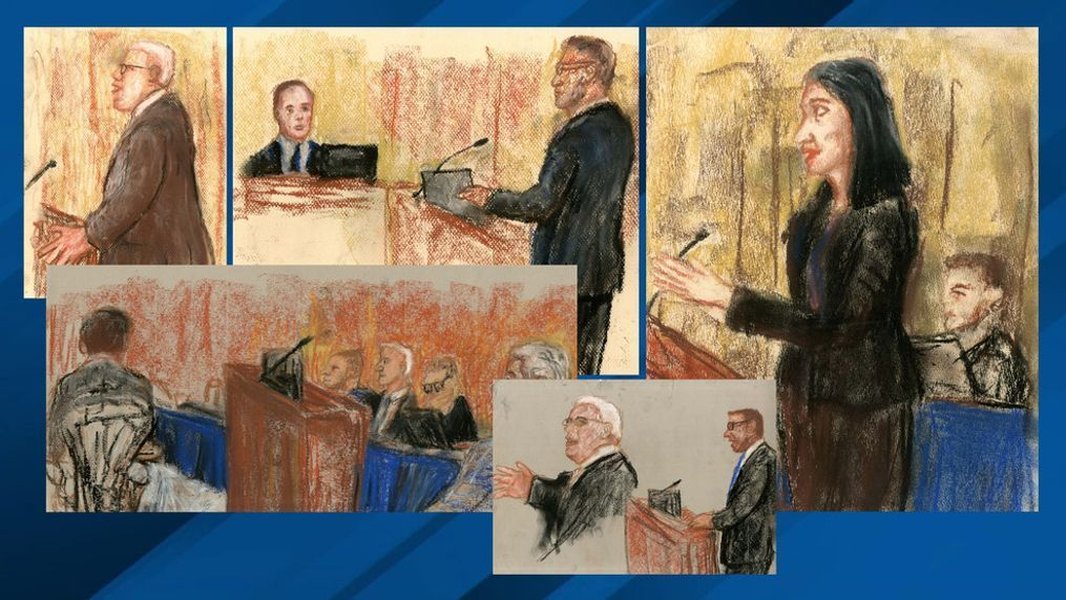
Courtroom sketches provide a visual record of key moments and individuals within the courtroom, offering a glimpse into the proceedings without direct video broadcast.
The case also gained a significant political dimension, particularly through former President Donald Trump's comments. Trump referred to the trials as a "railroad job" and indicated he would "take a look at" pardoning the men involved, a stance that drew strong condemnation from Governor Whitmer, who cited a prior promise from Trump not to pardon them. This political commentary further amplified media interest and public scrutiny of the trial outcomes.
Assessing Trial Accessibility and Visibility
To better understand the overall visibility of the Whitmer kidnapping plot trials, we can evaluate various factors that contributed to public access and awareness. The radar chart below illustrates different aspects of the trials' accessibility, based on the prevalent media coverage and public interest.
The radar chart above provides an opinionated assessment of various aspects contributing to the public visibility and accessibility of the Gretchen Whitmer kidnapping plot trials. A score of 1 indicates very limited visibility, while 5 signifies extensive visibility. As depicted, traditional live courtroom broadcasts were minimal, but extensive news coverage, particularly through live updates and the dissemination of undercover footage, ensured high public awareness. The ongoing adaptation into true crime podcasts and TV shows further extends the reach of this complex narrative.
Summary of Trial Outcomes and Key Dates
The trials spanned from 2022 to 2023, resulting in a mixed bag of convictions and acquittals across federal and state jurisdictions. The timeline below provides a concise overview of key events and their outcomes, illustrating the protracted legal battle.
| Date/Period | Event/Trial | Key Defendants/Outcome | Court Type |
|---|---|---|---|
| June-September 2020 | Plot Formation | Conspiracy to kidnap Gov. Whitmer | Pre-trial |
| October 8, 2020 | FBI Announces Arrests | Initial charges announced | Federal/State |
| April 2022 | First Federal Trial Begins | Adam Fox, Barry Croft Jr., and others | Federal |
| April 2022 | First Federal Trial Verdict | Two acquitted; mistrial for Fox and Croft Jr. | Federal |
| August 2022 | Second Federal Trial Begins | Adam Fox, Barry Croft Jr. | Federal |
| August 2022 | Second Federal Trial Verdict | Fox convicted (16 yrs), Croft Jr. convicted (19 yrs 7 mos) | Federal |
| October 2022 | Jackson County Trial | Joseph Morrison, Pete Musico, Paul Bellar convicted (terrorism/gang charges) | State |
| September 2023 | Antrim County Trial | William Null, Michael Null, Eric Molitor acquitted | State |
| December 2023 | Final Sentences Issued | Various defendants who pleaded guilty or were convicted | Federal/State |
The Enduring Narrative: Beyond the Courtroom
The impact and public narrative of the Whitmer kidnapping plot extend far beyond the confines of the courtrooms. The case has spurred significant public interest, leading to its adaptation into various true crime media formats. A true crime podcast, "Chameleon," has covered the story extensively, and television shows are in development to dramatize the plot and its aftermath. This transformation into popular media serves to amplify the narrative, reaching an even wider audience and cementing its place in public consciousness regarding domestic terrorism and political extremism.
(Text/Blogs)"] Id7["Court TV & News Network Reports"] Id8["Undercover Recordings Disseminated"] Id9["Press Conferences & Official Statements"] Id10["Key Trial Outcomes"] Id11["Federal Trials"] Id12["First Trial (April 2022)
Mistrial & Acquittals"] Id13["Second Trial (August 2022)
Fox & Croft Jr. Convicted"] Id14["Cooperating Defendants (Garbin, Franks)"] Id15["State Trials"] Id16["Jackson County (Oct 2022)
Morrison, Musico, Bellar Convicted"] Id17["Antrim County (Sept 2023)
Null Brothers, Molitor Acquitted"] Id18["Other Guilty Pleas (Higgins, Fix)"] Id19["Context & Aftermath"] Id20["Entrapment Allegations
FBI Informant Role"] Id21["Political Commentary
Trump's Pardon Considerations"] Id22["True Crime Adaptations
(Podcasts, TV Shows)"] Id22["Ongoing Public Scrutiny"]
This mindmap illustrates the multifaceted nature of the Gretchen Whitmer kidnapping plot trials, highlighting their public visibility through various media channels despite limited direct televising. It also categorizes the key outcomes of the federal and state trials and contextualizes the ongoing impact and political discourse surrounding the case.
Frequently Asked Questions (FAQ)
Was the entire trial for the Gretchen Whitmer kidnapping plot broadcast live on television?
How did the public access information about the trials if they weren't televised?
Were there any video recordings released from the courtroom?
What was the outcome of the federal trials for the alleged plotters?
Are there any true crime adaptations of the Whitmer kidnapping plot?
Conclusion
The Gretchen Whitmer kidnapping plot trials, while not subject to full, traditional live television broadcasts, were far from hidden from public view. Through a combination of extensive online live updates, detailed journalistic reporting, the public dissemination of key undercover evidence, and subsequent adaptations into true crime media, the intricacies of the plot, the legal proceedings, and the varied outcomes were made widely accessible. This multi-faceted approach to media coverage ensured that the public remained informed about one of the most significant domestic terrorism cases in recent U.S. history, reflecting a modern approach to transparency in high-profile legal matters.
Recommended Further Queries
- Explore the comprehensive details of FBI informant involvement and entrapment allegations in the Whitmer kidnapping plot trials.
- Investigate the broader political ramifications and discussions surrounding the Gretchen Whitmer kidnapping plot.
- Delve into the specific sentencing outcomes for all individuals involved in the Gretchen Whitmer kidnapping plot across federal and state courts.
- Discover more about the true crime podcasts and television shows adapting the story of the Gretchen Whitmer kidnapping plot.