
Why Do Ravens Group Together
Exploring the Social and Survival Strategies of Ravens
Key Takeaways
- Food Availability Enhances Group Foraging Efficiency
- Social Interaction Facilitates Learning and Information Sharing
- Safety and Protection Through Collective Vigilance
1. Food Acquisition and Resource Sharing
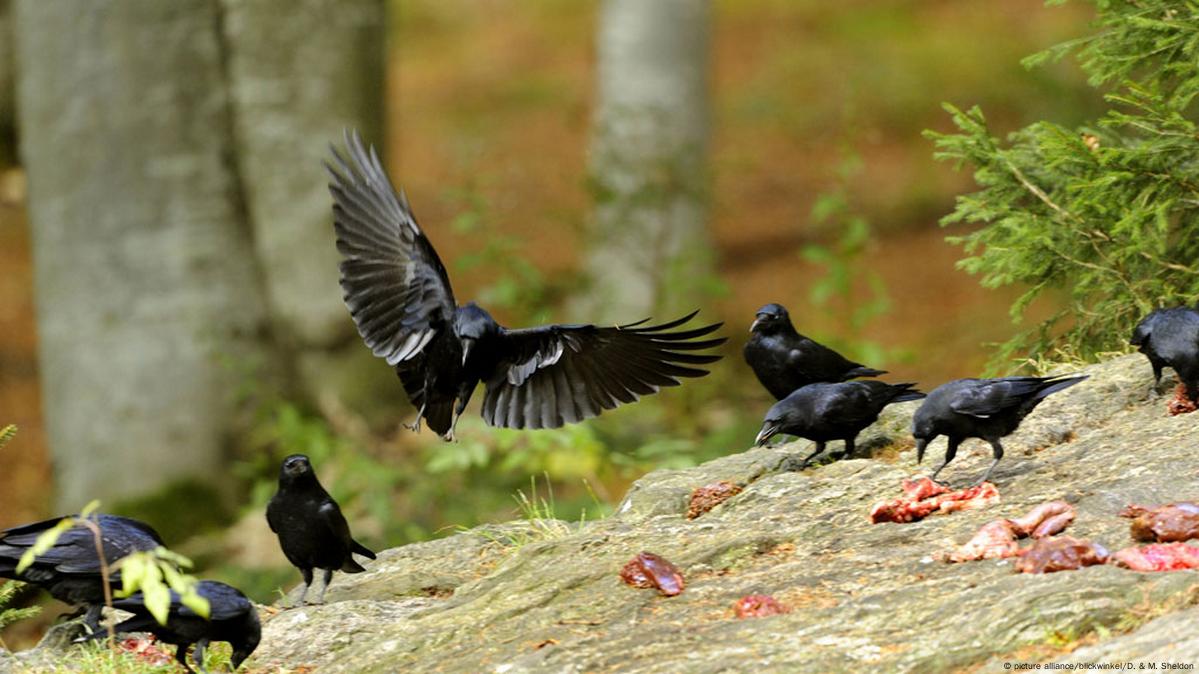
Ravens are opportunistic feeders with a versatile diet that includes carrion, insects, small mammals, grains, and even human refuse. Their intelligence enables them to locate and exploit a wide range of food sources efficiently. When food is abundant, such as at large carcasses, landfills, or agricultural fields, ravens gather in groups to maximize their foraging success.
a. Cooperative Foraging
Group foraging allows ravens to locate and exploit food resources more effectively. By working together, they can cover larger areas in search of food, increasing the chances of finding abundant sources quickly. Additionally, large groups can overwhelm territorial owners at food sites, ensuring better access to the available resources.
b. Competitive Advantage
When a food source is discovered by one raven, it may signal to others through calls or specific behaviors, attracting more individuals to the site. This collective effort can outcompete other scavengers or predators, securing more food for the group. Such strategies are particularly beneficial in environments where food can be sporadic and competition is fierce.
2. Social Interaction and Learning
Ravens possess complex social structures and high intelligence, making social interaction a critical component of their survival and development. By grouping together, ravens engage in various social behaviors that facilitate learning and the development of important skills.
a. Social Bonds and Hierarchies
Within raven groups, social hierarchies often emerge, with certain individuals asserting dominance over others. These hierarchies can influence access to food and nesting sites. Establishing and understanding these social ranks helps ravens navigate their social landscape effectively.
b. Play and Development
Young ravens, in particular, benefit from grouping by engaging in play and other social activities. These interactions are crucial for developing problem-solving abilities, cooperation, and communication skills. Playful behaviors such as aerial acrobatics and chasing each other not only strengthen social bonds but also hone the cognitive skills necessary for survival.
c. Information Sharing
Groups of ravens serve as hubs for information exchange. Ravens communicate about the locations of food sources, potential dangers, and changes in their environment. This shared knowledge enhances the group's ability to adapt to varying conditions and improves overall survival rates.
3. Protection and Safety in Numbers
Grouping together offers ravens a strategic advantage in terms of safety and protection. While ravens are adept scavengers, they are not immune to predation or threats from other larger predators. Being in a group significantly reduces individual risk and enhances collective vigilance.
a. Enhanced Vigilance
In groups, ravens can monitor their surroundings more effectively, increasing the likelihood of detecting predators early. This collective vigilance allows the group to take swift action to evade threats, ensuring greater safety for all members.
b. Shared Defense
When confronted by predators, ravens can work together to drive them away or distract them, providing protection for the entire group. This collaborative defense mechanism is particularly vital during the breeding season or when caring for young, as it safeguards the most vulnerable members of the group.
4. Breeding, Mating, and Social Hierarchy
Reproductive behaviors and social hierarchies play a significant role in why ravens group together. During the breeding season, ravens pair up, and groups form around these mating pairs.
a. Mating Opportunities
Groups provide an environment where unpaired ravens can find potential mates. Social gatherings allow individuals to display their behaviors and establish connections that can lead to pairing. This communal setting is essential for the continuation of complex social structures within raven populations.
b. Nesting and Raising Young
Once paired, ravens collaborate in building nests and raising their young. During this period, multiple pairs are often found in close proximity, forming small groups that support each other in their parenting efforts. This proximity facilitates the sharing of resources and information, enhancing the survival chances of the offspring.
c. Social Hierarchies
Within raven groups, social hierarchies determine access to resources such as food and nesting sites. Higher-ranking individuals, often males, have preferential access, which influences group dynamics and interactions. Understanding and maintaining these hierarchies is crucial for group cohesion and effective resource allocation.
5. Roosting Behavior and Winter Flocking
Seasonal changes significantly impact raven group behavior. During colder months, ravens engage in specific grouping behaviors to adapt to the challenging environment.
a. Communal Roosting
During the non-breeding season, especially in winter, ravens form large communal roosts. These roosting groups help ravens conserve energy by sharing body heat and reducing exposure to harsh weather conditions. Communal roosting also fosters a sense of community, which is vital for mental well-being.
b. Enhanced Foraging During Winter
Winter food sources are scarcer, making group foraging strategies even more critical. By traveling and foraging in groups, ravens increase their efficiency in locating and exploiting limited food resources, thereby improving their chances of survival during the colder months.
6. Cognitive Advantages and Problem-Solving
Ravens are renowned for their exceptional intelligence and problem-solving abilities. Group living provides an environment that fosters these cognitive skills, allowing ravens to thrive in various environments.
a. Collaborative Problem-Solving
Groups of ravens can tackle complex challenges more effectively than individuals. By collaborating, they can develop and implement strategies for accessing difficult food sources, navigating environmental obstacles, and avoiding predators. This collective intelligence enhances the group's overall adaptability and resilience.
b. Learning from Peers
In group settings, ravens can observe and imitate the behaviors of their peers, leading to the dissemination of innovative foraging techniques and survival strategies. This social learning accelerates the acquisition of new skills and knowledge, contributing to the group's success.
7. Summary Table of Reasons for Grouping
| Reason | Description |
|---|---|
| Food Acquisition | Groups enhance foraging efficiency and provide competitive advantages at food sources. |
| Social Interaction | Facilitates learning, play, and the development of social bonds and hierarchies. |
| Protection and Safety | Increases vigilance and enables collective defense against predators. |
| Breeding and Mating | Provides opportunities for finding mates and supporting pair-based nesting and parenting. |
| Roosting Behavior | Conserves energy and maintains community through communal roosts, especially in winter. |
| Cognitive Advantages | Enhances problem-solving and adaptability through collaborative efforts. |
Conclusion
Ravens exhibit grouping behaviors driven by a combination of ecological, social, and cognitive factors. Whether it's optimizing food acquisition, enhancing safety, facilitating social learning, or supporting reproductive activities, grouping provides ravens with numerous advantages that contribute to their survival and success. Their high intelligence and social complexity enable ravens to adapt their grouping strategies to various environmental conditions, ensuring their resilience across diverse habitats.
References
Last updated February 16, 2025