
Unpacking the Harm: Why Non-Consensual Groping is Never Acceptable
Exploring the legal, ethical, and personal reasons why touching breasts without consent constitutes a serious violation.
Highlights
- Consent is Non-Negotiable: The core reason groping is wrong is the absence of explicit, voluntary, and ongoing consent, violating bodily autonomy.
- Legally Defined as Assault: In many jurisdictions, non-consensual groping, including touching breasts, is legally classified as sexual assault, battery, or forcible touching, carrying criminal penalties.
- Causes Significant Harm: Groping inflicts emotional and psychological distress, including feelings of violation, fear, objectification, and potential long-term trauma.
What Exactly Constitutes Groping?
Defining the Act Beyond Simple Touch
Groping refers to the act of touching another person's body inappropriately and without their permission, often in a sexual manner. Specifically addressing the touching of breasts, this act falls under the definition of groping when it occurs without the explicit, voluntary consent of the person being touched. It's crucial to understand that groping is not accidental contact; it involves intentional, unwelcome touching of sensitive or intimate body parts. The term itself carries a strong negative connotation, reflecting societal condemnation of non-consensual physical violations.
The Critical Role of Consent
Why Permission is Paramount
The fundamental reason why non-consensual groping is unequivocally wrong lies in the violation of consent and bodily autonomy.
Bodily Autonomy: The Right to Choose
Every individual possesses the fundamental right to bodily autonomy – the right to control their own body and decide who can touch them, when, and how. Touching someone's breasts, or any part of their body, without their express permission directly infringes upon this right. It treats the person's body as an object accessible to others without regard for their feelings, boundaries, or intrinsic worth.
What Constitutes Valid Consent?
Consent is not the mere absence of a "no." True consent must be:
- Voluntary: Given freely, without coercion, pressure, or manipulation.
- Clear & Explicit: Communicated through affirmative words or actions indicating agreement to the specific act. Silence or passivity does not equal consent.
- Ongoing: Consent can be withdrawn at any time, and past consent does not imply future consent. Each act requires its own consent.
- Informed: The person must understand what they are consenting to.
- Sober: A person incapacitated by alcohol or drugs cannot legally give consent. Similarly, individuals below the legal age of consent cannot provide it.
Touching breasts without meeting these criteria constitutes groping and is a violation.
Legal Ramifications: Groping as a Criminal Offense
Understanding the Legal Framework
Non-consensual groping is not merely a social impropriety; it is recognized as a criminal act in many legal systems worldwide.
Classification as Sexual Assault or Battery
While legal terminology varies by jurisdiction, unwanted sexual touching like groping breasts typically falls under laws prohibiting sexual assault, sexual battery, or forcible touching. These laws recognize the act as a violation involving non-consensual sexual contact. For instance, laws in places like Texas, New York, and Virginia explicitly criminalize such acts. Even if not classified under specific sexual battery laws covering breasts in all instances, general battery laws often apply because the act is offensive and non-consensual.
Severity and Penalties
The legal system treats groping seriously. Depending on the specific circumstances, jurisdiction, and severity, convictions can lead to significant penalties, including:
- Fines
- Imprisonment (ranging from shorter terms to several years, as seen in examples like Victoria, Australia, where it can carry up to 10 years)
- Mandatory registration as a sex offender
- Restraining orders
Legal interpretations, such as a ruling by the Calcutta High Court regarding an attempt to grope breasts, have even classified such acts under headings like "aggravated sexual assault," highlighting the perceived seriousness of the offense, particularly concerning minors (under POCSO Act in India).
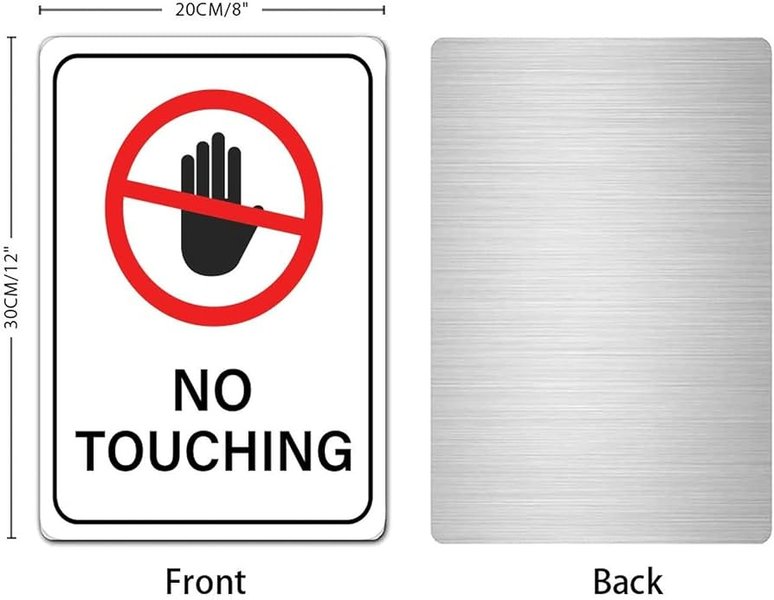
Visual reinforcement of respecting boundaries – non-consensual touching is prohibited.
The Multifaceted Harm Caused by Groping
Beyond the Physical Act
The negative impact of non-consensual groping extends far beyond the physical touch, affecting victims emotionally, psychologically, and contributing to broader societal problems.
Psychological and Emotional Impact
Victims of groping often experience a range of negative emotions and psychological effects, including:
- Violation and Vulnerability: A profound sense of having one's personal space and bodily integrity violated.
- Fear and Anxiety: Fear for personal safety, particularly in public spaces where groping might occur.
- Objectification and Dehumanization: Feeling treated as an object for someone else's gratification, rather than as a person with rights and feelings.
- Emotional Distress: Feelings of anger, humiliation, shame, confusion, or powerlessness.
- Trauma: For some, the experience can be traumatic, leading to longer-term issues like anxiety disorders or PTSD.
- Loss of Trust: Difficulty trusting others or feeling safe in social situations.
Violation of Personal Boundaries
Groping is a blatant disregard for personal boundaries. It sends a message that the victim's comfort, safety, and autonomy are unimportant. This violation can erode a person's sense of security and self-worth.
Societal Consequences
Groping is not an isolated incident but contributes to a larger culture where sexual harassment and assault are normalized or trivialized.
- Hostile Environments: It contributes to creating hostile or intimidating environments, particularly in workplaces, public transport, or social venues.
- Reinforcing Sexism and Power Imbalances: Groping disproportionately affects women and marginalized groups, reinforcing harmful power dynamics and sexist attitudes that objectify bodies. The act often stems from cultural factors and rationalizations that excuse or downplay such behavior.
- Normalization of Unwanted Contact: Using euphemisms like "groping" or "fondling" instead of "sexual assault" can minimize the severity of the act and hinder efforts to address it seriously.
- Setting Bad Examples: Public instances, like the repeated groping of statues (e.g., Juliet in Verona, Molly Malone in Dublin) causing physical damage, highlight how this behavior can become disturbingly normalized and is criticized as a sexist gesture.
Visualizing the Core Issues
Mindmap of Why Non-Consensual Groping is Harmful
This mindmap illustrates the interconnected reasons why touching breasts without consent is considered bad, stemming from the fundamental lack of consent and branching into various forms of harm and violation.
Voluntary
Ongoing Agreement"] id2["Violation"] id2a["Personal Boundaries"] id2b["Trust"] id2c["Dignity & Respect"] id3["Harm Caused"] id3a["Psychological"] id3a1["Fear & Anxiety"] id3a2["Trauma"] id3a3["Vulnerability"] id3b["Emotional"] id3b1["Objectification"] id3b2["Humiliation"] id3b3["Distress"] id3c["Societal"] id3c1["Normalization of Assault"] id3c2["Reinforces Sexism"] id3c3["Hostile Environments"] id4["Legal Status"] id4a["Criminal Offense"] id4a1["Sexual Assault"] id4a2["Sexual Battery"] id4a3["Forcible Touching"] id4b["Potential Penalties"] id4b1["Fines"] id4b2["Imprisonment"] id4b3["Sex Offender Registration"]
Severity Factors Analysis
Rating the Core Elements of Harm
This chart provides an opinionated perspective on the relative severity and importance of different factors that contribute to why non-consensual groping is considered bad. A higher score indicates greater significance or severity. The 'Lack of Consent Definition' scores highest as it is the foundational element defining the violation. 'Violation of Autonomy' and 'Psychological Harm' also score very high due to the deep personal impact. 'Legal Severity' reflects the societal judgment codified in law, and 'Societal Impact' acknowledges the broader cultural damage.
Consensual vs. Non-Consensual Touching
Understanding the Critical Difference
It is essential to distinguish between consensual touching and non-consensual groping. The presence or absence of consent fundamentally changes the nature, ethics, and legality of the act. This table highlights the key differences:
| Feature | Consensual Touching (e.g., Breasts) | Non-Consensual Groping (Breasts) |
|---|---|---|
| Consent | Present (Explicit, Enthusiastic, Ongoing, Sober, Informed) | Absent (Forced, Coerced, Incapacitated, Ignored, Assumed) |
| Legality | Legal | Illegal (Often classified as Sexual Assault/Battery/Forcible Touching) |
| Ethical Status | Acceptable, Respectful (within agreed boundaries) | Unacceptable, Disrespectful Violation |
| Emotional Impact (Recipient) | Potentially Positive (Intimacy, Affection, Pleasure) or Neutral | Negative (Fear, Violation, Distress, Humiliation, Objectification) |
| Intent / Motivation (Typical) | Mutual Affection, Intimacy, Shared Pleasure | Power, Control, Objectification, Disregard for Boundaries, Gratification at other's expense |
| Nature of Act | Shared Experience, Mutual Respect | Unilateral Action, Violation of Autonomy |
In essence, touching becomes groping precisely when consent is absent. Any touching of intimate areas like breasts requires clear permission every time to be considered acceptable and lawful.
Frequently Asked Questions (FAQ)
Clarifying Common Concerns
Is groping breasts *always* bad?
Yes, groping is inherently bad because the term itself implies *non-consensual* touching. If touching breasts occurs with explicit, enthusiastic, and ongoing consent between adults, it is not considered groping. The absence of consent is what makes the act a violation and therefore "bad" from ethical, social, and legal perspectives.
What if it's my romantic partner? Does consent still matter?
Absolutely. Consent is required regardless of the relationship status. Being in a relationship does not grant automatic or permanent permission to touch a partner's body, especially intimate areas. Each instance of physical contact requires ongoing consent. Assuming consent or ignoring boundaries, even within a relationship, constitutes a violation.
What are the typical legal consequences for groping?
Legal consequences vary significantly depending on the jurisdiction, the specific nature of the act (e.g., force used, age of victim), and the perpetrator's criminal history. However, potential penalties often include fines, probation, mandatory counseling or education programs, imprisonment (misdemeanor or felony charges), and potentially registration as a sex offender. It is treated as a serious offense under sexual assault or battery laws.
Why do some people use the term "groping" instead of "sexual assault"?
Sometimes, terms like "groping" or "fondling" are used euphemistically, which can unintentionally downplay the severity of the act. However, it's important to recognize that non-consensual sexual touching *is* a form of sexual assault. Using precise language helps acknowledge the harm caused and ensures the seriousness of the offense is not minimized. Groping falls under the legal and social umbrella of sexual assault and harassment.
Recommended
- What are the specific laws regarding sexual battery or forcible touching in my area?
- How does society's view on consent impact rates of sexual harassment?
- What resources are available for victims of groping or sexual assault?
- How can bystanders intervene safely if they witness groping?
References
Last updated April 30, 2025