
Unpacking the Violation: Why Non-Consensual Touching is Never Okay
Groping is a serious violation of personal autonomy, safety, and legal rights, carrying significant negative consequences.
Essential Insights
- Fundamental Violation: Groping women's breasts, or any unwanted sexual touching, fundamentally violates bodily autonomy and personal boundaries because it lacks explicit consent.
- Illegal Act: This act is widely recognized as illegal, classified as sexual harassment, sexual assault, or forcible touching under various laws, carrying potential criminal consequences.
- Deeply Harmful: Groping causes significant emotional and psychological harm to victims, contributing to feelings of fear, violation, and unsafety, while undermining societal norms of respect.
Unpacking the Wrongfulness of Groping
The question of whether groping women's breasts is "good" has a clear and unequivocal answer: No, it is absolutely not good. It is a harmful act rooted in a lack of respect for personal boundaries and consent. Understanding why requires exploring the concepts of consent, legality, and the impact on the individual and society.
The Core Issue: Absence of Consent
Bodily Autonomy is Non-Negotiable
At the heart of why groping is wrong lies the principle of bodily autonomy. Every individual has the fundamental right to control their own body, deciding who can touch them, when, and how. Groping, by definition, is unwanted sexual touching. When someone touches another person's intimate body parts, like breasts, without their explicit and enthusiastic permission, they are overriding that person's autonomy. It's an invasion of personal space and a profound disrespect for the individual's right to self-determination.
Consent Must Be Explicit
Consent is not the absence of a "no"; it is the presence of an enthusiastic "yes." It must be freely given, informed, and specific to the act in question. Silence, passivity, or being incapacitated (due to intoxication, sleep, or threat) does not equate to consent. Touching someone's breasts without their clear agreement is a violation, regardless of the perpetrator's intent or relationship to the victim.
Raising awareness about consent is crucial in preventing sexual harassment and assault.
A Violation of Law: Groping as a Crime
Legal Definitions and Consequences
Groping is not merely unethical; it is illegal in many jurisdictions worldwide. It falls under various legal categories:
- Sexual Assault/Battery: Many legal systems classify unwanted sexual touching, including groping, as a form of sexual assault or battery. This often constitutes a criminal offense. For example, some state laws define misdemeanor sexual battery as touching an intimate part of another person against their will for sexual arousal, gratification, or abuse.
- Forcible Touching: Some jurisdictions have specific laws against "forcible touching," which directly addresses acts like groping. New York law, for instance, classifies forcible touching as a Class A misdemeanor.
- Sexual Harassment: In workplace, educational, and sometimes public settings, groping is considered a severe form of sexual harassment. Laws like Title VII of the Civil Rights Act of 1964 in the U.S. prohibit such conduct as it creates a hostile environment and constitutes sex discrimination. The Equal Employment Opportunity Commission (EEOC) explicitly includes unwelcome physical touching of a sexual nature in its definition of sexual harassment.
The penalties for groping can range from fines to imprisonment, depending on the specific laws of the jurisdiction and the severity of the offense. The fact that it is legally prohibited underscores its seriousness and societal condemnation.
The Human Cost: Emotional and Psychological Impact
The repercussions of being groped extend far beyond the physical act itself, often leaving deep emotional and psychological scars.
Immediate and Long-Term Effects
Victims of groping frequently experience a range of negative emotions and psychological effects, including:
- Feelings of Violation and Humiliation: Being touched without consent can make a person feel objectified, degraded, and stripped of their dignity.
- Fear and Anxiety: The experience can lead to heightened fear, particularly in public spaces or situations similar to where the groping occurred. It can contribute to anxiety disorders and a general feeling of unsafety.
- Anger and Powerlessness: Victims often feel anger towards the perpetrator and frustration over the violation, sometimes coupled with a sense of powerlessness.
- Trauma: For some, groping can be a traumatic event, potentially leading to symptoms consistent with post-traumatic stress disorder (PTSD).
- Loss of Trust: Such experiences can damage a person's ability to trust others and feel secure in social interactions.
Societal Implications
Groping is not an isolated personal issue; it reflects and reinforces broader societal problems:
- Normalization of Sexual Violence: Tolerating or downplaying acts like groping contributes to a culture where sexual harassment and assault are normalized or excused.
- Reinforcing Power Imbalances: Groping is often an assertion of power and control over another person, frequently exploiting gender-based power dynamics.
- Creating Unsafe Environments: Widespread incidents of groping make public spaces, workplaces, and social settings feel unsafe, particularly for women and marginalized groups who are disproportionately targeted.
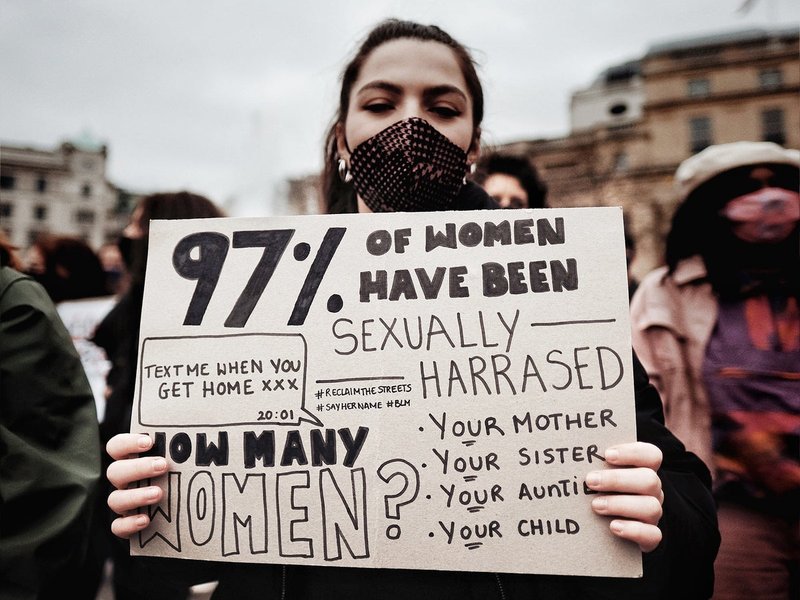
Public demonstrations highlight the widespread demand to end sexual harassment and violence.
Debunking Misconceptions and Understanding the Dynamics
It's crucial to dismantle common misconceptions surrounding groping to fully grasp why it is inherently wrong.
It's Not Flattery, It's Control
Attempts to frame groping as a "compliment," "flirtation," or a harmless act fundamentally misunderstand or deliberately ignore the core issue: consent. Groping is not about attraction or appreciation; it is frequently about asserting dominance, control, and disregard for the other person's boundaries and humanity. Perpetrators of groping are engaging in a form of sexual violence.
Consent is Clear, Not Implied
The idea that someone's attire, presence in a certain location, or lack of immediate verbal or physical resistance implies consent is a dangerous myth. Consent must be affirmative and ongoing. The responsibility lies entirely with the person initiating the touch to ensure they have explicit permission. Blaming the victim or suggesting they "invited" the behavior ignores the perpetrator's accountability for their actions.
Visualizing the Dimensions of Harm
Groping inflicts harm across multiple dimensions – legal, emotional, personal, and social. The following chart provides a visual representation of the severity of impact across these areas, based on the understanding that any non-consensual touching is significantly harmful.
This radar chart illustrates that groping ranks high across all dimensions of harm. It severely violates bodily autonomy and ethical respect, carries significant legal weight as assault or harassment, causes substantial emotional distress and risk of trauma, erodes the victim's sense of safety, and contributes to broader societal harm by normalizing violence.
Mapping the Concepts: Understanding Groping
To further clarify the interconnected issues surrounding groping, the following mindmap breaks down the core concepts and their relationships.
This mindmap shows that groping stems from a fundamental lack of consent, leading to it being classified as an illegal act (sexual assault, harassment) with severe harmful impacts (emotional, psychological). It's also an ethical violation rooted in disrespect and often driven by dynamics of power and control, contributing to broader societal issues like gender inequality.
Legal Status and Definitions Across Contexts
The legal and social condemnation of groping is consistent across various settings, although specific definitions and penalties may vary. The table below summarizes how groping is generally viewed and treated:
| Context | Typical Classification | Key Considerations | Governing Frameworks (Examples) |
|---|---|---|---|
| Workplace | Sexual Harassment | Creates hostile work environment, abuse of power dynamics, unwelcome conduct based on sex. | Title VII (USA), Fair Employment and Housing Act (FEHA - California), Company Policies, EEOC Guidelines. |
| Public Spaces (Streets, Transport, Events) | Sexual Assault, Sexual Battery, Forcible Touching, Public Order Offense | Violation of personal safety, lack of consent, intent (sexual gratification/abuse). | State Criminal Codes (e.g., Misdemeanor Sexual Battery, Forcible Touching Laws), Public Transit Regulations. |
| Educational Institutions | Sexual Harassment, Sexual Misconduct | Violation of Title IX (USA), creates hostile learning environment, breach of student codes of conduct. | Title IX, School/University Policies, State Education Laws. |
| Social/Private Settings | Sexual Assault, Sexual Battery | Lack of consent regardless of relationship, violation of bodily integrity. | State Criminal Codes. |
This table highlights that regardless of the setting, non-consensual groping is considered a serious offense, primarily focusing on the lack of consent and the violation it represents.
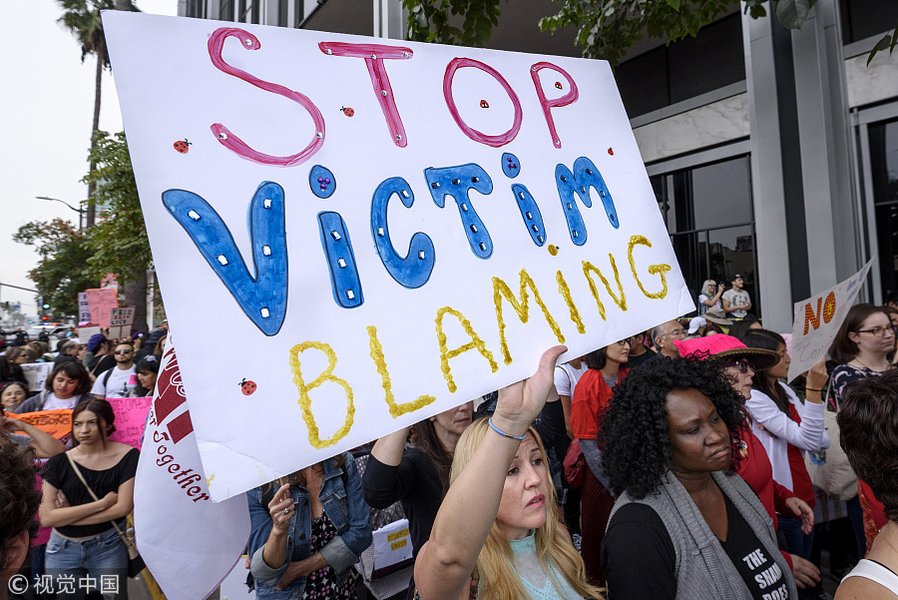
Protests against sexual harassment, like this one in Hollywood, demonstrate the collective rejection of such behavior.
Legal Action Against Groping Allegations
Incidents of alleged groping often lead to legal consequences and public scrutiny, highlighting the seriousness with which society and the legal system address these violations. The following video discusses a specific case where legal action was taken following allegations of groping, illustrating the real-world impact and response to such acts.
This news report covers a lawsuit filed against a police department over alleged groping during a traffic stop. It underscores that unwanted touching is a violation regardless of the context or the perpetrator's position, and victims have legal avenues to seek justice. Such cases bring attention to the critical issues of consent, power dynamics, and accountability.
Frequently Asked Questions (FAQ)
What if the person didn't say "no" or fight back?
Consent cannot be assumed from silence or lack of resistance. People may freeze, be afraid, or be unable to react for various reasons. The absence of a "no" does not mean "yes." Consent must be an active, enthusiastic agreement. The responsibility is on the person initiating contact to ensure they have clear consent.
Is groping still illegal if it happens quickly or seems minor?
Yes. The duration or perceived "minor" nature of the touch does not negate the fact that it is unwanted and non-consensual. Laws against sexual assault, battery, or harassment often cover any form of unwanted sexual touching, regardless of how brief it is. A single incident can constitute a violation.
What's the difference between groping and accidental touching?
Intent and context are key differentiators. Accidental touching, like bumping into someone in a crowd, lacks sexual intent or focus on intimate areas. Groping is deliberate, unwanted touching of intimate body parts, often for sexual gratification, power, or intimidation, and without consent.
What should someone do if they are groped?
If someone feels safe doing so, they can confront the person directly. Reporting the incident to authorities (police, HR department, event security) is an option. Seeking support from trusted friends, family, or professional counselors is important. Documenting the incident (time, place, details, witnesses) can be helpful if pursuing legal action. Resources like RAINN (Rape, Abuse & Incest National Network) offer support and guidance.
Recommended Next Steps
- What are the specific laws about sexual assault and groping in my area?
- How can I support a friend who has been sexually harassed or assaulted?
- What is affirmative consent and why is it important?
- Resources for survivors of sexual assault and harassment.
References
Last updated April 29, 2025