
The Breath of Life: Why Oxygen Is Your Body's Ultimate Fuel
Discover the fascinating journey of every breath you take and how it powers your very existence
Essential Insights About Human Breathing
- Gas Exchange: Breathing primarily enables the exchange of oxygen and carbon dioxide, which is essential for cellular energy production and waste removal.
- System-Wide Impact: The respiratory system interacts with every other body system, affecting everything from brain function to muscle performance.
- Beyond Oxygen: Breathing serves multiple functions beyond gas exchange, including pH regulation, voice production, and defense against pathogens.
The Primary Purpose of Breathing
Humans breathe to facilitate the vital process of gas exchange—taking in oxygen from the environment and expelling carbon dioxide from the body. This seemingly simple act is the cornerstone of human survival. Every cell in your body requires a continuous supply of oxygen to function properly, and without it, cells would quickly die, leading to tissue damage and eventually death.
Oxygen acts as the final electron acceptor in the process of cellular respiration, which is how your body converts the energy in food into a usable form called ATP (adenosine triphosphate). This molecular energy currency powers everything from your heartbeat to your ability to read this text. As cells use oxygen for energy production, they generate carbon dioxide as a waste product, which must be removed from the body through exhalation.
The Journey of a Breath
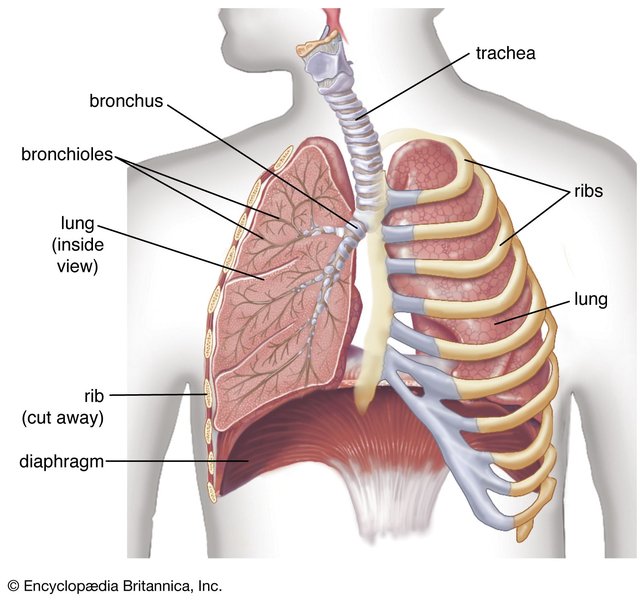
When you inhale, air travels through your respiratory system—starting at your nose or mouth, then moving through the pharynx (throat), larynx (voice box), trachea (windpipe), bronchi, and finally reaching the lungs. Inside the lungs, the air reaches tiny air sacs called alveoli, where the actual gas exchange takes place.
The alveoli are surrounded by capillaries—tiny blood vessels with very thin walls. Oxygen from the inhaled air diffuses across the alveolar and capillary walls into the bloodstream, while carbon dioxide moves in the opposite direction, from the blood into the alveoli, to be exhaled. This intricate exchange happens through passive diffusion, with gases moving from areas of higher concentration to areas of lower concentration.
The Mechanics of Breathing
Breathing involves two main processes: inhalation and exhalation. During inhalation, the diaphragm (a dome-shaped muscle beneath the lungs) contracts and moves downward, while the intercostal muscles between the ribs contract to expand the rib cage. These actions increase the volume of the chest cavity, creating negative pressure that draws air into the lungs.
During exhalation, the diaphragm relaxes and moves upward, while the intercostal muscles relax, allowing the rib cage to move inward. This decreases the volume of the chest cavity, creating positive pressure that pushes air out of the lungs.
The Critical Role of Oxygen in Energy Production
The primary reason we need oxygen is for energy production. Through a process called aerobic respiration, cells use oxygen to break down glucose (sugar) to produce ATP. This complex biochemical process takes place in the mitochondria, often called the "powerhouses" of cells.
Without oxygen, cells would need to rely on anaerobic respiration, which is far less efficient at producing energy. Anaerobic respiration produces only about 2 ATP molecules per glucose molecule, compared to approximately 30-32 ATP molecules produced through aerobic respiration. This difference highlights the critical importance of breathing and oxygen supply for maintaining energy levels throughout the body.
Oxygen Delivery System
Once oxygen enters the bloodstream, it binds to hemoglobin in red blood cells. Hemoglobin is an iron-containing protein that gives blood its red color and can carry up to four oxygen molecules. The oxygen-rich blood is then pumped by the heart throughout the body, delivering oxygen to tissues and organs. When the blood reaches the tissues, oxygen is released from hemoglobin and diffuses into cells, where it's used for energy production.
Energy Demand and Breathing Rate
The rate and depth of breathing are closely tied to the body's energy demands. During exercise or other physically demanding activities, muscles require more oxygen for energy production, leading to an increased breathing rate. Conversely, during rest, when energy demands are lower, breathing slows down. This automatic adjustment ensures that the body's oxygen supply matches its metabolic needs.
This radar chart illustrates how various physiological parameters change during different activity levels. Note how breathing rate, oxygen usage, and carbon dioxide production all increase significantly during exercise to meet the body's elevated energy demands.
Carbon Dioxide Removal: The Other Half of the Breathing Equation
While oxygen intake is crucial, the removal of carbon dioxide is equally important. Carbon dioxide is a waste product of cellular respiration that can become toxic if it accumulates in the body. When carbon dioxide combines with water in the blood, it forms carbonic acid, which can lower blood pH. If carbon dioxide levels rise too high, a condition called hypercapnia can develop, leading to symptoms such as confusion, headaches, and in severe cases, loss of consciousness.
Carbon Dioxide Transport and Blood pH Regulation
Carbon dioxide is transported in the blood in three main forms: dissolved in plasma (about 7-10%), bound to hemoglobin (about 20-30%), and as bicarbonate ions (about 60-70%). The conversion between carbon dioxide and bicarbonate plays a crucial role in regulating blood pH.
The respiratory system helps regulate blood pH by controlling how much carbon dioxide is exhaled. If blood becomes too acidic (pH decreases), the breathing rate increases to expel more carbon dioxide, which helps raise blood pH back to normal levels. Conversely, if blood becomes too alkaline (pH increases), breathing slows down to retain more carbon dioxide, lowering the pH.
The Respiratory Control Centers
The rate and depth of breathing are primarily controlled by respiratory centers in the brainstem. These centers monitor carbon dioxide levels, oxygen levels, and blood pH through chemoreceptors located in the brain and blood vessels. Based on the information received from these receptors, the respiratory centers adjust the breathing pattern to maintain optimal gas levels and blood pH.
The Respiratory System: A Complex Network
The respiratory system is a complex network of organs and tissues that work together to facilitate breathing. Understanding its components helps explain how this life-sustaining process works.
| Component | Function | Special Features |
|---|---|---|
| Nose and Nasal Cavity | Entry point for air; filters, warms, and humidifies incoming air | Contains cilia and mucus to trap particles; olfactory receptors for smell |
| Pharynx (Throat) | Passage for both air and food | Contains the tonsils, which help fight infection |
| Larynx (Voice Box) | Connects pharynx to trachea; produces sound for speech | Contains vocal cords; epiglottis prevents food from entering airways |
| Trachea (Windpipe) | Conducts air to the lungs | Reinforced with C-shaped cartilage rings to prevent collapse |
| Bronchi and Bronchioles | Conduct air to alveoli | Progressive branching increases surface area; lined with cilia |
| Alveoli | Site of gas exchange | Extremely thin walls (one cell thick); surrounded by capillaries |
| Lungs | Main respiratory organs; contain alveoli | Protected by ribcage; covered by pleural membranes |
| Diaphragm | Primary muscle of respiration | Dome-shaped; separates thoracic and abdominal cavities |
A Map of Respiratory Functions
The respiratory system performs several functions beyond gas exchange. This mind map illustrates the diverse roles breathing plays in maintaining health and proper body function.
Beyond Gas Exchange: Additional Functions of Breathing
While the primary purpose of breathing is gas exchange, the respiratory system serves several other important functions that contribute to overall health and well-being.
Defense Against Pathogens
The respiratory system acts as a first line of defense against airborne pathogens and irritants. The nose contains hair-like structures and mucus that trap dust, bacteria, and other particles. The respiratory tract is lined with cilia, tiny hair-like projections that move in coordinated waves to propel mucus and trapped particles up and out of the airways, where they can be swallowed or expectorated. This mechanism, known as the mucociliary escalator, helps keep the lungs clean and free from infection.
Conditioning Inhaled Air
The respiratory system also conditions the air we breathe. As air passes through the nasal cavity, it's warmed to body temperature and humidified to prevent the delicate tissues of the lungs from drying out. This conditioning process is crucial for maintaining the health of the respiratory tract and ensuring efficient gas exchange.
Voice Production and Communication
Breathing plays a fundamental role in speech and other forms of vocal communication. During exhalation, air flows past the vocal cords in the larynx, causing them to vibrate and produce sound. The pitch of the sound is determined by the tension in the vocal cords, which can be adjusted by various muscles. The resulting sound is then shaped by the tongue, lips, and other structures to form words and other vocalizations.
This video demonstrates the respiratory system's components and their functions, showing how they work together to facilitate breathing and support various body processes. It illustrates the path air takes through the respiratory organs and explains how the diaphragm and lungs cooperate to enable inhalation and exhalation.
Images of the Respiratory Process
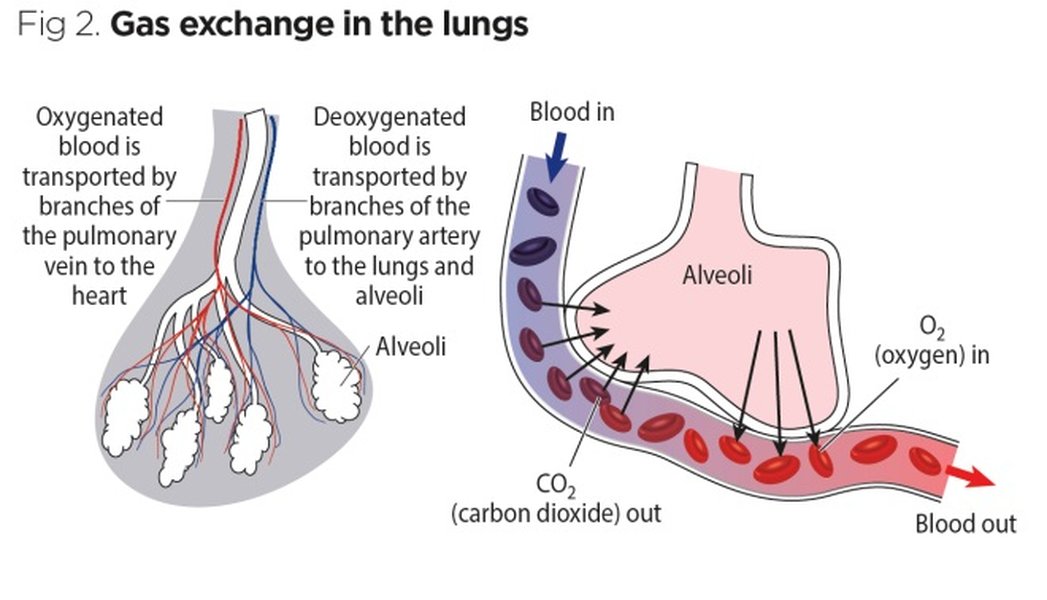
This image shows the detailed process of gas exchange in the lungs. Oxygen from the air in the alveoli diffuses across the alveolar membrane into the bloodstream, while carbon dioxide moves from the blood into the alveoli to be exhaled. This exchange occurs because of concentration gradients - oxygen concentration is higher in the alveoli than in the blood, while carbon dioxide concentration is higher in the blood than in the alveoli.
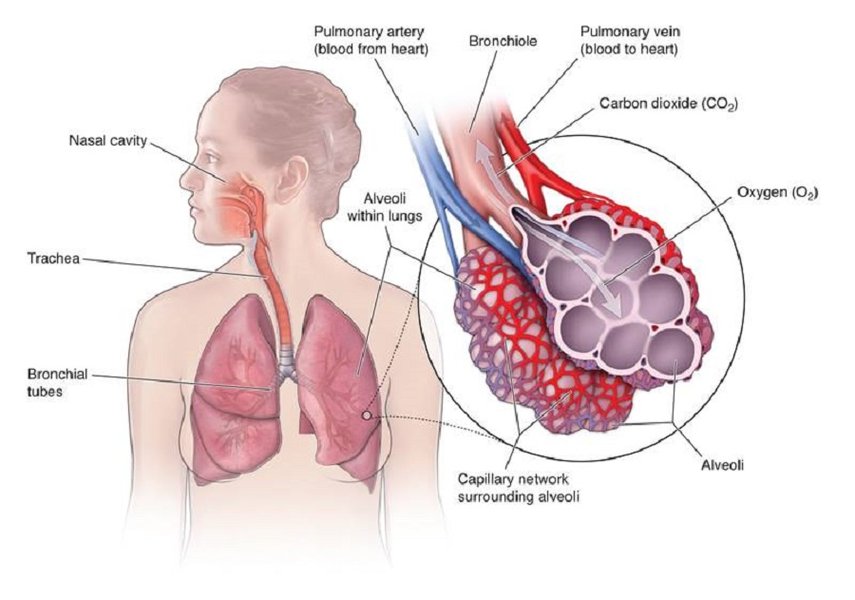
This image highlights the structure of alveoli, the tiny air sacs where gas exchange takes place. Notice the thin walls of the alveoli and the surrounding network of capillaries. This close proximity and the thinness of the membranes facilitate efficient gas exchange between the air and the bloodstream.
The Impact of Breathing on Overall Health
The way we breathe can significantly impact our overall health and well-being. Proper breathing ensures optimal oxygen delivery to tissues and efficient carbon dioxide removal, which supports energy production, immune function, cognitive performance, and emotional regulation.
Breathing and Stress Response
Breathing is closely linked to the autonomic nervous system, which controls involuntary bodily functions. Deep, slow breathing activates the parasympathetic nervous system (the "rest and digest" response), helping to reduce stress and anxiety. In contrast, rapid, shallow breathing is associated with the sympathetic nervous system (the "fight or flight" response) and can increase stress levels.
The Impact of Breathing Disorders
Breathing disorders can significantly impact quality of life and overall health. Conditions such as asthma, chronic obstructive pulmonary disease (COPD), and sleep apnea can impair breathing and reduce oxygen levels in the body, leading to fatigue, cognitive impairment, and other health issues. Proper diagnosis and management of these conditions are essential for maintaining respiratory health.
Frequently Asked Questions
References
-
Respiratory System: Organs, Facts, Anatomy & Function - Cleveland Clinic
- Human Respiratory System - Encyclopedia Britannica
- 5 Functions of Respiratory System - Visible Body
- Why do people and animals need to breathe? - The Conversation
- Why Do We Breathe - ResMed
- Why Do We Need to Breathe? - Wonderopolis
- How the Lungs Work - National Heart, Lung, and Blood Institute
Recommended Searches
Last updated April 6, 2025