
Unlocking the Enigmatic World of Dreams: Why Our Brains Paint Nightly Narratives
Delving into the profound neurological and psychological reasons behind our nightly journeys into the subconscious.

- 1.Key Insights into the Purpose of Dreaming
- 2.The Core Functions of Dreams: A Multifaceted Perspective
- 3.The Neurological Landscape of Dreaming
- 4.Measuring the Intangible: Dream Function Analysis
- 5.The Spectrum of Dream Experiences
- 6.The Continuous Quest for Understanding Dreams
- 7.Exploring the Interconnectedness of Dream Functions
- 8.Neural Correlates of Dreaming: A Summary
- 9.A Deeper Dive into Dream Science
- 10.Frequently Asked Questions About Dreams
- 11.Conclusion: The Ever-Evolving Narrative of Our Minds
- 12.Recommended Further Exploration
- 13.Referenced Search Results
Dreams are a fascinating and universal aspect of the human experience, a complex interplay of sensory, cognitive, and emotional events that unfold during sleep. While the exact purpose of dreaming continues to be a subject of intense scientific investigation, a consensus among researchers is emerging: dreams serve multiple crucial functions related to memory, emotion, and even evolutionary survival. Understanding why we dream offers profound insights into the intricate workings of our brains and their continuous effort to organize, consolidate, and make sense of our internal and external worlds.
Key Insights into the Purpose of Dreaming
- Memory Consolidation: Dreams play a pivotal role in processing and storing daily experiences, transforming short-term memories into long-term knowledge.
- Emotional Regulation: The dreaming state provides a unique environment for the brain to process intense emotions, stress, and trauma, contributing to psychological balance.
- Creativity and Problem-Solving: Dreams can unlock novel ideas and solutions by fostering fluid, unconventional thought processes, unburdened by waking logic.
The Core Functions of Dreams: A Multifaceted Perspective
The scientific understanding of dreaming has evolved significantly, moving beyond simplistic interpretations to embrace a more nuanced view that recognizes several interconnected functions. These roles highlight the brain's continuous activity during sleep, working diligently to maintain cognitive and emotional well-being.
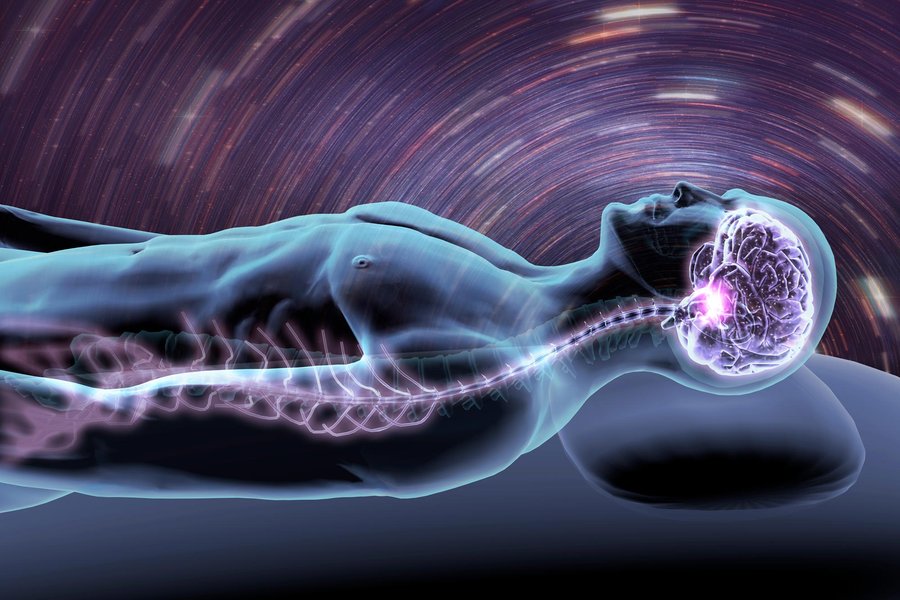
An intricate depiction of the brain and nervous system, highlighting the complex biological underpinnings of sleep and dreaming.
Memory Consolidation and Learning Enhancement
One of the most robust and widely supported theories posits that dreams are instrumental in memory consolidation. During sleep, particularly REM sleep, the brain actively sorts, strengthens, and integrates information acquired throughout the day. This process helps transfer short-term memories into long-term storage, solidifying learning and discarding irrelevant details. Research has shown that individuals who dream about new information or skills often exhibit improved performance on related tasks, underscoring the direct link between dreaming and enhanced learning. This extends to both declarative memories (facts and events) and procedural memories (skills and habits), helping to build a coherent framework of our autobiographical experiences and shape our sense of self.
Emotional Processing and Psychological Balance
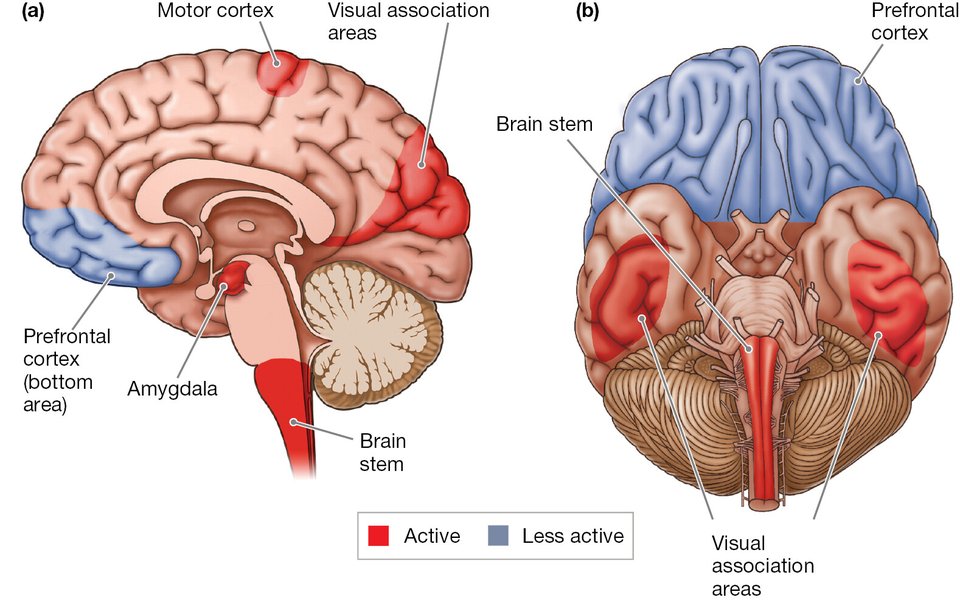
Dreams also serve as a crucial mechanism for emotional regulation. The brain utilizes the dream state as a "safe space" to revisit and reprocess intense emotions, experiences, stress, and even trauma encountered during waking hours. This nocturnal emotional work can help individuals cope with difficult situations, resolve internal conflicts, and achieve a greater sense of psychological equilibrium. Neuroimaging studies frequently reveal heightened activity in brain regions associated with emotions, such as the amygdala, during dreaming. This increased activity supports the idea that dreams are actively involved in processing daily emotional experiences, contributing to our overall mental health and resilience.
The Activation-Synthesis Hypothesis: A Foundation of Dream Theory
The activation-synthesis hypothesis, initially proposed by Allan Hobson and Robert McCarley, suggests that dreams are a byproduct of the brain's attempt to make sense of random electrical signals originating from the brainstem during REM sleep. According to this theory, the higher brain regions construct a coherent narrative from these chaotic signals, resulting in the vivid and often bizarre content of our dreams. While this theory suggests that dreams may not have inherent meaning in a Freudian sense, it remains a foundational concept in dream neuroscience, emphasizing the brain's active role in creating meaning from internal stimuli.
Threat Simulation and Evolutionary Advantage
From an evolutionary perspective, the threat simulation theory proposes that dreams evolved as a mechanism to rehearse responses to potential dangers and stressful situations within a safe, simulated environment. This "fight-or-flight" simulation could have provided an adaptive advantage, preparing individuals to better cope with real-life threats. While not universally accepted, this theory helps explain why nightmares often occur during periods of stress and how dream content can sometimes reflect ongoing concerns or anxieties, acting as a form of adaptive rehearsal.
Creativity and Problem-Solving Through Dreams
The unique neurological state of REM sleep, characterized by the deactivation of logical and critical thinking centers and the heightened activity of visual and emotional processing regions, can foster a more fluid and unconventional mode of thought. This altered state may allow for novel connections to be made, leading to creative insights and solutions to problems that were intractable during waking consciousness. Many artists, scientists, and inventors have reported gaining inspiration or finding solutions to complex issues within their dreams, underscoring the potential for dreams to act as a wellspring of creativity.
The Neurological Landscape of Dreaming
Dreaming is intricately linked to various neurochemical and neurophysiological processes, primarily occurring during REM (Rapid Eye Movement) sleep. This stage of sleep is characterized by high brain activity, similar to wakefulness, despite the body being largely paralyzed. The unique neurochemical environment during REM sleep—marked by a decrease in neurotransmitters like serotonin, norepinephrine, and histamine, coupled with elevated acetylcholine and dopamine—creates the optimal conditions for generating vivid dream imagery.
An illustration depicting the complex neural pathways involved in sleep and the processing of information.
The Role of REM Sleep
REM sleep is often considered the primary stage for vivid dreaming, though dreams can occur in other sleep stages as well. During REM, the brain’s activity patterns resemble those of a waking state, yet the body experiences muscle atonia, preventing us from acting out our dreams. This paradoxical state allows for the intensive neurological work involved in memory consolidation, emotional processing, and the generation of complex narratives.
Neurotransmitters and Dream Generation
The delicate balance of neurotransmitters plays a critical role in the dream experience. Elevated levels of acetylcholine, for instance, are associated with increased cortical excitability and the activation of visual and auditory processing areas, contributing to the sensory richness of dreams. Dopamine, often linked to reward and motivation, may contribute to the emotional salience and intensity of dream content. Conversely, reduced levels of serotonin and norepinephrine may contribute to the often less coherent and more fantastical nature of dreams by lessening the brain's inhibitory controls.
Measuring the Intangible: Dream Function Analysis
While the subjective nature of dreams makes them challenging to quantify, researchers use various metrics and observations to understand their functions. The radar chart below illustrates an opinionated analysis of the perceived importance of different dream functions, based on current scientific consensus.
This radar chart visually represents how different functions of dreaming are prioritized in scientific discourse, with memory consolidation and information processing often highlighted as particularly significant.
The Spectrum of Dream Experiences
The subjective experience of dreaming can vary wildly, from mundane reflections of daily life to fantastical adventures. These diverse experiences are a testament to the brain's incredible capacity for creating intricate narratives and engaging with complex internal stimuli.
This bar chart illustrates general characteristics observed in dream experiences, such as their typical vividness, emotional intensity, bizarreness, narrative coherence, and how often they are recalled upon waking. These characteristics can vary significantly among individuals and even within the same person across different nights.
The Continuous Quest for Understanding Dreams
Despite significant advancements in neuroscience, the precise mechanisms and definitive purposes of dreaming continue to be explored. Researchers are constantly uncovering new facets of this nightly phenomenon, revealing its profound impact on our cognitive, emotional, and psychological well-being. The study of dreams offers a unique window into the subconscious mind and the complex processes that shape our experiences and perceptions.
Exploring the Interconnectedness of Dream Functions
The various theories about why we dream are not mutually exclusive; rather, they often complement each other, painting a holistic picture of the brain's nocturnal activities. This mindmap illustrates the interconnectedness of these functions.
This mindmap visually outlines the primary theories and functions associated with dreaming, demonstrating how each aspect contributes to our overall understanding of this complex process.
Neural Correlates of Dreaming: A Summary
The following table summarizes key neural and physiological aspects observed during dreaming, particularly during REM sleep.
| Aspect | Description | Relevance to Dreaming |
|---|---|---|
| Brain Regions Active | Amygdala, Hippocampus, Visual Cortex, Prefrontal Cortex (reduced activity) | Emotional processing, memory formation, vivid imagery, decreased logical thought |
| Neurotransmitters | High Acetylcholine & Dopamine, Low Serotonin & Norepinephrine | Increased cortical excitability, emotional intensity, reduced inhibitory control |
| Physiological State | Rapid Eye Movements, Muscle Atonia, Irregular Breathing & Heart Rate | Characteristic markers of REM sleep, preventing physical enactment of dreams |
| Memory Type Processed | Declarative and Procedural Memories | Consolidation of facts, events, and skills learned during wakefulness |
A Deeper Dive into Dream Science
To further explore the fascinating world of dreams, consider watching this insightful video from Huberman Lab, which delves into the science of dreams, nightmares, and lucid dreaming:
Dr. Matt Walker discusses the intricate science behind dreams, offering valuable perspectives on their neurological underpinnings and psychological implications.
This video provides an excellent overview of current research and theories, presented by a leading expert in sleep neuroscience. It touches upon how dreams are generated, their potential functions, and even the phenomena of nightmares and lucid dreaming, offering a comprehensive look at what happens in our brains when we sleep.
Frequently Asked Questions About Dreams
Why do some people remember their dreams more than others?
Can dreams predict the future?
Are nightmares beneficial?
Do animals dream?
Conclusion: The Ever-Evolving Narrative of Our Minds
The journey into understanding why we dream is a continuous exploration of the human mind's deepest complexities. From their crucial role in memory consolidation and emotional regulation to their potential for fostering creativity and preparing us for challenges, dreams are far more than just random nightly occurrences. They represent a fundamental aspect of our cognitive and psychological health, a testament to the brain's ceaseless activity in making sense of our world. As research advances, we continue to unravel the profound narratives our brains weave each night, enriching our understanding of ourselves and the mysteries of consciousness.
Recommended Further Exploration
- How do dreams impact waking behavior and decision-making?
- What is the latest research on lucid dreaming and its applications?
- Exploring the neurochemistry of different sleep stages and dream types
- The historical and cultural interpretations of dreams across civilizations