
Wildlife and Environmental Conservation Booklet
A comprehensive guide to protecting nature and nurturing biodiversity
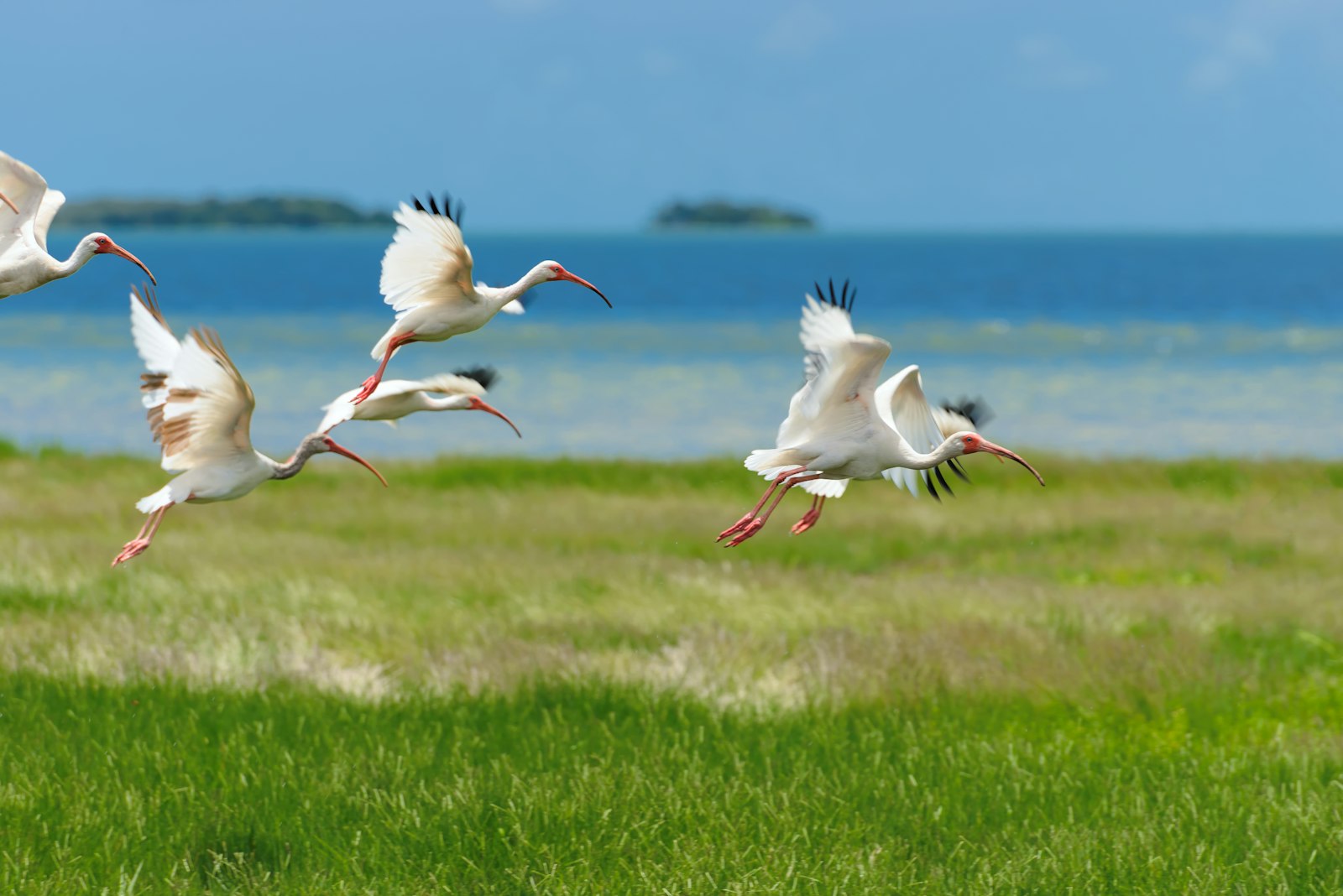
Highlights
- Integrative Overview: Covers project objectives, methodologies, and community engagement for comprehensive conservation efforts.
- Scientific and Practical Insights: Outlines research strategies, case studies, and innovative approaches such as technology-driven monitoring.
- Collaborative Framework: Emphasizes partnerships with local communities, NGOs, and government bodies to drive sustainable outcomes.
Introduction
This booklet presents a thorough exploration of wildlife and environmental conservation projects. It has been designed to serve as a vital resource for conservationists, environmental educators, policymakers, and community leaders. The purpose of this guide is to communicate a commitment toward protecting biodiversity while emphasizing sustainable management of natural resources. The concise format of this booklet makes it accessible to a broad audience and is structured to deliver insights into project planning, implementation strategies, and the measurement of conservation outcomes.
Project Overview and Rationale
Understanding the Need for Conservation
Global biodiversity is confronted with unprecedented challenges due to habitat degradation, climate change, pollution, and unsustainable resource use. Wildlife populations face the dual threat of extinction and decline, while ecosystems undergo irrevocable changes. This conservation project booklet addresses these challenges by exploring diverse initiatives that combine traditional ecological knowledge with modern scientific strategies to protect endangered species and rehabilitate natural environments.
Key Concepts
The conservation initiatives discussed herein revolve around several critical themes:
- Habitat Preservation: Securing and regenerating natural habitats to support species recovery and maintain ecological balance.
- Species Protection: Implementing measures to protect endangered species through captive breeding, habitat restoration, and anti-poaching programs.
- Community Involvement: Engaging local communities in conservation activities to ensure that interventions are culturally significant and sustainable.
- Environmental Education: Cultivating awareness among different demographic groups to shift public attitudes towards environmental stewardship.
- Technological Integration: Utilizing modern technologies like remote sensing, camera traps, and satellite imagery to monitor and study wildlife populations.
Project Objectives
Primary Goals
The central objectives of the conservation projects featured in this booklet encompass multiple layers of ecological and social priorities. The goals are defined as follows:
- Restoration of Ecosystems: To rehabilitate degraded environments through reforestation, wetland restoration, and sustainable land management practices.
- Conservation of Endangered Species: To develop and implement practical strategies for the protection of threatened species using both in situ and ex situ methods.
- Enhancement of Biodiversity: To increase species richness through efforts aimed at reconnecting fragmented habitats and establishing wildlife corridors.
- Community Empowerment: To deliver educational programs and establish participatory conservation initiatives that encourage local stewardship.
- Data-Driven Management: To apply field research and conservation biology techniques for tracking project progress and making informed management decisions.
Methodology
Step-by-Step Approaches
Successful conservation projects rely on meticulous planning and robust execution. This booklet outlines several key components of the methodological approach:
Community Engagement
Scientific research alone cannot address the multifaceted challenges of wildlife conservation. The active involvement of local communities is critical. Participatory planning sessions, public forums, and education workshops are used to gather local perspectives and mobilize community efforts toward environmental stewardship.
Field Research and Data Collection
Field research plays a significant role in understanding the status of ecosystems. Techniques include:
- Systematic species counts and biodiversity surveys to track animal populations.
- Assessment of habitat quality through soil sampling, water quality testing, and vegetation analysis.
- Utilizing technology such as \(\text{\LaTeX: camera traps, drones, and satellite imagery}\) to monitor remote or inaccessible areas.
Strategic Partnerships and Collaborations
Collaboration with governmental agencies, non-governmental organizations (NGOs), academic institutions, and local stakeholders is essential for resource sharing and technical support. These partnerships enhance project scalability and sustainability by pooling expertise and funding.
Project Implementation
Implementation includes detailed planning and execution phases:
- Planning: Outlining detailed timelines, assigning roles, and devising contingency plans based on project risk analysis.
- Execution: Deploying field teams to conduct restoration activities, monitoring progress, and adjusting strategies based on real-time data.
- Evaluation: Scheduled reviews to assess ecological impact and community feedback, facilitating adaptive management techniques.
Monitoring and Evaluation (M&E)
To ensure accountability and track the effectiveness of conservation efforts, the booklet includes a comprehensive M&E framework. Key performance indicators help quantify ecological improvements, such as the increase in local wildlife populations, restoration of vegetation cover, and improvements in water quality.
M&E Framework Table
| Indicator | Target Outcome | Measurement Method |
|---|---|---|
| Species Population | Increase by 25% | Regular counts and camera trap data |
| Habitat Quality | Enhanced vegetation and soil quality | Field surveys and ecological assessments |
| Community Participation | Engagement level rise by 30% | Workshop attendance and volunteer registrations |
| Environmental Education | Reach and awareness metrics improved | Post-event surveys and school program enrollments |
Detailed Project Areas
Wildlife Management Strategies
There are several wildlife management strategies presented within the booklet. These address population control, ethical considerations, and conflict-resolution methods:
- Species Recovery Programs: Involve captive breeding and release initiatives for endangered species as well as reintroduction programs back into restored habitats.
- Anti-Poaching Measures: Present systematic strategies to combat illegal wildlife trade, increase law enforcement presence in critical habitats, and ensure the safety of vulnerable species.
- Human-Wildlife Conflict Mitigation: Develop wildlife-friendly farming practices, construct barriers and corridors as needed, and integrate community-based approaches to foster coexistence.
Environmental Conservation Tactics
Complementing wildlife management, the environmental conservation efforts focus on sustaining natural resources and mitigating human impact:
- Sustainable Land and Water Practices: Focus on reducing pollutant emissions, minimizing chemical use in agriculture, and conserving water through innovative technologies.
- Climate Change Mitigation: Involve actions to reduce carbon footprints by promoting renewable energy sources and implementing restoration projects that serve as carbon sinks.
- Resource Management: Emphasize the importance of preserving natural reserves, expanding protected areas, and integrating conservation policies into regional planning efforts.
Educational Outreach and Community Involvement
Empowering Local Communities
Educational and community outreach efforts form a cornerstone of sustainable environmental conservation. The booklet includes detailed strategies for involving diverse audiences in the conservation process:
- Environmental Education Programs: Organize workshops, school field trips, and public seminars with the objective of enhancing awareness about local conservation challenges and global environmental issues.
- Citizen Science Initiatives: Encourage volunteers to participate in data collection and biodiversity monitoring, thereby creating a bridge between the scientific community and the public.
- Community-Based Conservation Projects: Highlight regional projects where local stakeholders take active roles in habitat restoration, wildlife monitoring, and advocacy campaigns.
- Public Awareness Campaigns: Use media, exhibitions, and social networking platforms to promote conservation messages and foster a deep sense of environmental responsibility.
Examples and Case Studies
The booklet presents several case studies from around the globe that serve as models for successful conservation projects:
- Community-based Conservation in Africa: A project that integrates traditional ecological knowledge with modern conservation practices to restore degraded lands and ensure that endangered species receive adequate protection.
- North American Wildlife Management: Focuses on well-established frameworks that balance hunting, population control, and habitats protection, resulting in sustained biodiversity across several regions.
- Technology-Driven Conservation in Asia: Utilizes satellite tracking, drones, and camera traps to monitor wildlife corridors, ensuring the early detection of poaching and habitat fragmentation.
- Environmental Education in Latin America: A network of programs that combines academic research with fieldwork, increasing public awareness and influencing policy reforms aimed at conservation.
Implementation and Future Directions
A Roadmap for Action
The final portion of the booklet provides a blueprint for the successful implementation of conservation initiatives. It outlines the following steps:
- Establish Clear Milestones: Define short-term and long-term objectives with specific, measurable outcomes that guide the ongoing progress of conservation efforts.
- Secure Funding and Resources: Identify multiple funding streams, including government grants, private sponsorships, and international partnerships, to support project activities.
- Promote Adaptive Management: Encourage regular reviews of progress through a robust monitoring and evaluation system, allowing for adjustments to changing environmental and socioeconomic conditions.
- Scale Successful Initiatives: Pilot projects that demonstrate significant impact and scalability can be expanded to broader regions to achieve a larger conservation footprint.
- Leverage Innovation: Emphasize the continued employment of innovative technologies and research methods to adapt to emerging environmental challenges.
Strategic Timeline Example
| Phase | Activities | Duration |
|---|---|---|
| Initiation | Community consultations, baseline surveys, partnership formation | 6 months |
| Implementation | Field implementation, education programs, technology integration | 1 - 2 years |
| Evaluation | Monitoring, reporting, adaptive management reviews | Ongoing with annual reviews |
| Expansion | Scaling successful pilots regionally or nationally | Post-2 years |
Innovations and Future Research Directions
The booklet concludes by encouraging further study and exploration of emerging trends in conservation. Future research directions include:
- Integration of Artificial Intelligence: Using data analytics and predictive modeling for efficient wildlife monitoring and habitat management.
- Climate Adaptation Strategies: Developing resilient ecosystems that can better withstand the impacts of climate change while supporting both human and wildlife communities.
- Holistic Landscape Approaches: Promoting land-use planning initiatives that incorporate conservation priorities, economic development, and sustainable agriculture practices.
- Cross-Border Conservation Efforts: Strengthening international cooperation to manage transboundary wildlife reserves and migrate corridors.
References
- Sample Proposal on Community-Based Conservation Programs - Funds for NGOs
- 5 Conservation Projects Focused on Long-Term Success - The Nature Conservancy
- Wildlife Conservation - National Geographic Education
-
Environmental Education Outcomes for Conservation: A Systematic Review - ScienceDirect
- Wildlife Conservation Initiatives - WWF
Recommended Queries
 assets.ctfassets.net
Last updated March 17, 2025