
Exploring the Majestic World of Wildlife Through Ethical Photography and Documentaries
A comprehensive guide to appreciating nature's beauty responsibly.
Key Insights into Wildlife Appreciation
- Ethical Wildlife Photography: Capturing the natural world requires immense patience, a deep understanding of animal behavior, and a commitment to minimizing disturbance to wildlife and their habitats.
- Premier Global Photography Destinations: From the iconic plains of the Masai Mara and Serengeti to the unique ecosystems of the Galápagos Islands and the Brazilian Pantanal, the world offers unparalleled opportunities for wildlife photographers.
- Immersive Wildlife Documentaries: High-quality documentaries, often narrated by renowned naturalists, provide an accessible and ethical way to witness the wonders of the animal kingdom from the comfort of your home.
The natural world is a boundless source of wonder and inspiration, offering incredible opportunities to observe and appreciate the diverse lives of animals. Whether through the lens of a camera or the immersive experience of a documentary, connecting with wildlife can be a deeply enriching endeavor. This guide focuses on ethical and responsible ways to engage with the animal kingdom, highlighting the best places for wildlife photography and the most compelling documentaries that showcase nature's beauty without exploitation.
The Art and Ethics of Wildlife Photography
Wildlife photography is a challenging yet highly rewarding pursuit that combines artistic vision with a deep respect for nature. It requires not only technical skill but also an understanding of animal behavior, patience, and a strong ethical compass. The goal is to capture animals in their natural habitats, behaving authentically, without causing stress or disturbance.
Core Principles of Responsible Wildlife Photography
Ethical wildlife photography prioritizes the well-being of the subjects and their environment. Here are fundamental principles to follow:
- Respect Wildlife: Always maintain a safe and respectful distance. Never approach animals too closely, chase them, or interfere with their natural behaviors (feeding, nesting, mating). Use long lenses to get close-up shots without intrusion.
- Minimize Impact: Stay on marked trails, avoid disturbing vegetation, and never leave any trash behind. Consider the cumulative impact of your presence.
- Understand Animal Behavior: Learn about the species you intend to photograph. Knowledge of their habits, routines, and signs of stress will help you anticipate moments and avoid causing harm.
- Avoid Baiting or Luring: Never use food, calls, or other artificial means to attract animals. This can disrupt their natural foraging behaviors, create dependency, or expose them to danger.
- Prioritize Animal Welfare Over the Shot: If an animal appears stressed or agitated by your presence, retreat immediately. No photograph is worth compromising an animal's well-being.
- Support Conservation: Choose tour operators and guides who demonstrate a commitment to ethical practices and conservation. Many professional wildlife photographers contribute to conservation efforts through their work.
Essential Gear for Wildlife Photography
To capture stunning wildlife images ethically, the right equipment is crucial, allowing you to photograph from a distance:
- Telephoto Lenses: Lenses with focal lengths of 300mm or more are essential for maintaining distance and capturing detail.
- Fast Aperture Lenses: These allow more light in, crucial for low-light conditions and achieving a pleasing bokeh (blurred background).
- Sturdy Tripod/Monopod: To stabilize long lenses and ensure sharp images, especially in challenging lighting.
- High-Speed Camera Body: A camera with a fast burst mode and good autofocus tracking helps capture fleeting moments.
- Weather-Sealed Gear: Protecting your equipment from dust, rain, and extreme temperatures is vital when shooting outdoors.
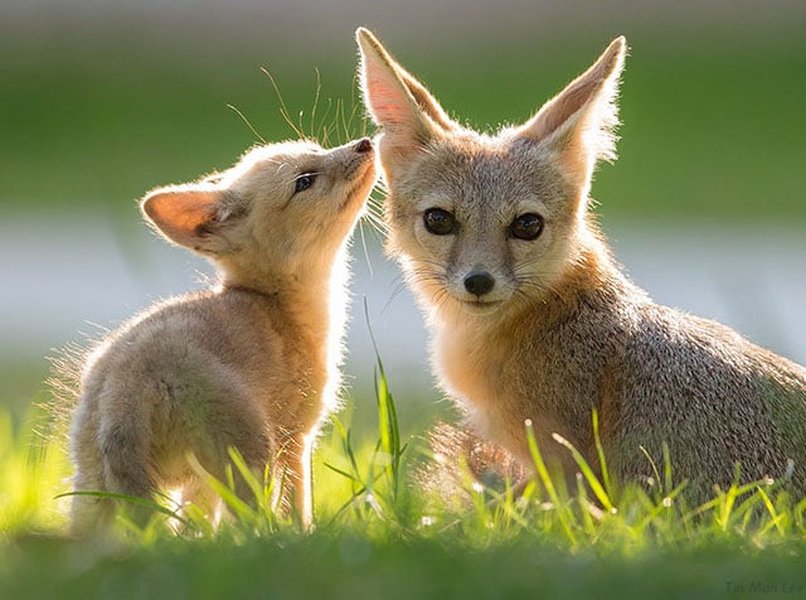
Top Destinations for Wildlife Photography
The world is replete with incredible locations offering unique wildlife encounters. These destinations are renowned for their biodiversity and opportunities to photograph animals in their natural settings:
African Safaris: The Epicenter of Large Mammals
- Masai Mara, Kenya & Serengeti, Tanzania: Famous for the Great Migration of wildebeest and zebra, these parks also offer incredible opportunities to photograph the "Big Five" (lion, leopard, elephant, rhino, buffalo) and countless other species.
- Botswana: Known for its diverse ecosystems, including the Okavango Delta, offering excellent chances to see elephants, lions, wild dogs, and a variety of birds.
- Zambia: Provides remote and authentic safari experiences, often with opportunities for walking safaris and close encounters with wildlife.
South American Wonders: Unique Biodiversity
- Galápagos Islands, Ecuador: A living laboratory of evolution, home to unique species like giant tortoises, marine iguanas, and various finches, many of which are remarkably unafraid of humans, allowing for respectful close-up photography.
- Pantanal, Brazil: The world's largest tropical wetland, it's a prime spot for jaguars, capybaras, caimans, and a spectacular array of birdlife. The dry season (July-October) is ideal for spotting animals.
- Amazon Rainforest: Spanning multiple countries, this vast rainforest is incredibly biodiverse, offering opportunities for photographing monkeys, sloths, colorful birds, and various reptiles and amphibians.
North American Treasures: Diverse Landscapes and Species
- Brooks Falls, Alaska, USA: Famous for its brown bears catching salmon during the summer months, offering a unique and dynamic photographic subject.
- Yellowstone National Park, USA: A vast ecosystem where you can find bison, elk, wolves, grizzly bears, and a stunning array of geothermal features.
- Custer State Park, South Dakota, USA: Known for its abundant wildlife, including a large bison herd, and the Wildlife Loop Road makes viewing accessible.
Polar Regions: Majestic Wildlife in Extreme Environments
- Antarctica: Home to penguins, seals, whales, and various seabirds, set against dramatic icy landscapes.
- Svalbard, Norway: A prime destination for Arctic wildlife, including polar bears, walruses, and various reindeer subspecies.

The World of Wildlife Documentaries
For those who prefer to experience the wonders of the animal kingdom from home, wildlife documentaries offer an unparalleled window into the natural world. These films combine breathtaking cinematography with expert narration to tell compelling stories about animals and their environments.
Key Attributes of Exceptional Wildlife Documentaries
- Stunning Visuals: Utilizing advanced filming techniques (e.g., remote cameras, drones, high-speed cameras) to capture incredible footage, often in 4K or 8K resolution.
- Compelling Narratives: Storytelling that engages viewers, often focusing on individual animals, family dynamics, survival challenges, or ecological relationships.
- Educational Value: Providing scientific commentary and explanations that deepen understanding of animal behavior, biology, and conservation issues.
- Ethical Filmmaking: Adhering to the same principles as ethical wildlife photography, ensuring the well-being of the animals is paramount during production.
Renowned Documentary Series and Channels
Several organizations and series are celebrated for their contributions to wildlife documentary filmmaking:
- BBC Earth (e.g., Planet Earth, Blue Planet, Dynasties): Known for their groundbreaking cinematography, global scope, and the iconic narration of Sir David Attenborough. These series often redefine what's possible in nature filmmaking.
- National Geographic: Offers a wide range of documentaries focusing on exploration, science, and the natural world, often highlighting conservation challenges.
- PBS Nature: Brings the beauty and wonder of the natural world into homes, becoming a benchmark for natural history programs in the U.S.
- Disneynature: Produces feature-length nature films that often focus on a single animal or family, offering heartwarming and visually stunning narratives.
- Free Documentary - Nature (YouTube Channel): A dedicated channel offering a vast collection of free documentaries on wildlife and nature, often featuring detailed insights into various ecosystems and species.
Here's a look at a fantastic example of a wildlife documentary, focusing on the fascinating world of wild animals:
Understanding Wildlife Photography and Documentary Impact
The impact of wildlife photography and documentaries extends beyond mere aesthetics. They play a vital role in education, conservation, and inspiring a deeper connection with nature. Here's a radar chart illustrating various aspects of their impact:
This radar chart illustrates the multifaceted impact of wildlife photography and documentaries. Both mediums excel in raising Conservation Awareness and providing significant Educational Value. Documentaries often have a broader reach for Public Engagement due to their narrative structure and accessibility, while photography, especially fine art prints, can have higher Artistic Merit. Both strive for strong Ethical Practice, although photography directly involves being in the field. Documentaries, with their research teams and prolonged filming, can sometimes contribute more directly to Scientific Contribution through data collection and behavioral insights. Overall, both are powerful tools for appreciating and protecting the natural world.
Key Considerations for Engaging with Wildlife Content
When seeking to observe or capture images of wildlife, or enjoy documentaries about them, it's important to consider various factors to ensure a fulfilling and responsible experience.
| Aspect | Wildlife Photography Considerations | Wildlife Documentary Considerations |
|---|---|---|
| Access & Experience | Requires physical travel, patience in the field, and often specialized equipment. Direct, personal encounters with wildlife. | Accessible from anywhere with internet/TV. Curated experiences with rare footage and expert narration. |
| Ethical Responsibility | Direct impact on animals and environment; high personal responsibility to maintain distance, avoid baiting, and respect habitat. | Filmmakers adhere to strict ethical guidelines; viewers support responsible media production by watching legitimate content. |
| Learning & Skill Development | Opportunity to develop photography skills, learn animal behavior firsthand, and enhance outdoor survival skills. | Passive learning through expert commentary, scientific insights, and global perspectives on ecosystems. |
| Financial Investment | Significant investment in camera gear, travel costs, and potentially guided safaris/workshops. | Subscription fees for streaming services or free access on platforms like YouTube for a vast library of content. |
| Conservation Impact | Can directly support conservation through responsible tourism and contributing images to conservation campaigns. | Raises global awareness, funds research and conservation initiatives through media companies, and inspires advocacy. |
| Emotional Connection | Deep personal connection forged through direct observation and the challenge of capturing unique moments. | Emotional connection through immersive storytelling and visually stunning narratives. |
Frequently Asked Questions
What are the best ethics for wildlife photography?
Where can I find free wildlife documentaries?
What equipment is essential for ethical wildlife photography?
What is the purpose of wildlife documentaries?
Conclusion
Appreciating the majesty of the animal kingdom is a profound and rewarding experience, whether through the dedicated practice of wildlife photography or the immersive world of documentaries. Both avenues offer unique insights into the lives of wild animals and the intricate balance of their habitats. By adhering to strong ethical principles in photography—ensuring animal welfare and minimizing environmental impact—and by engaging with high-quality, reputable documentaries, we can foster a deeper connection with nature responsibly. The vastness of the natural world provides endless opportunities for discovery and inspiration, all while reinforcing the critical importance of conservation for future generations.
Recommended Searches
- Discover workshops that combine photography skills with conservation efforts.
- Explore how nature documentaries influence global conservation initiatives.
- Learn about destinations that prioritize ethical wildlife viewing and photography.
- Investigate innovative techniques for photographing shy or dangerous wildlife from a distance.
Referenced Search Results
 pexels.com