
Wim Dewijngaert: A Figure in Computer Journalism
Discover the life, career, and contributions of the Flemish computer journalist and author.
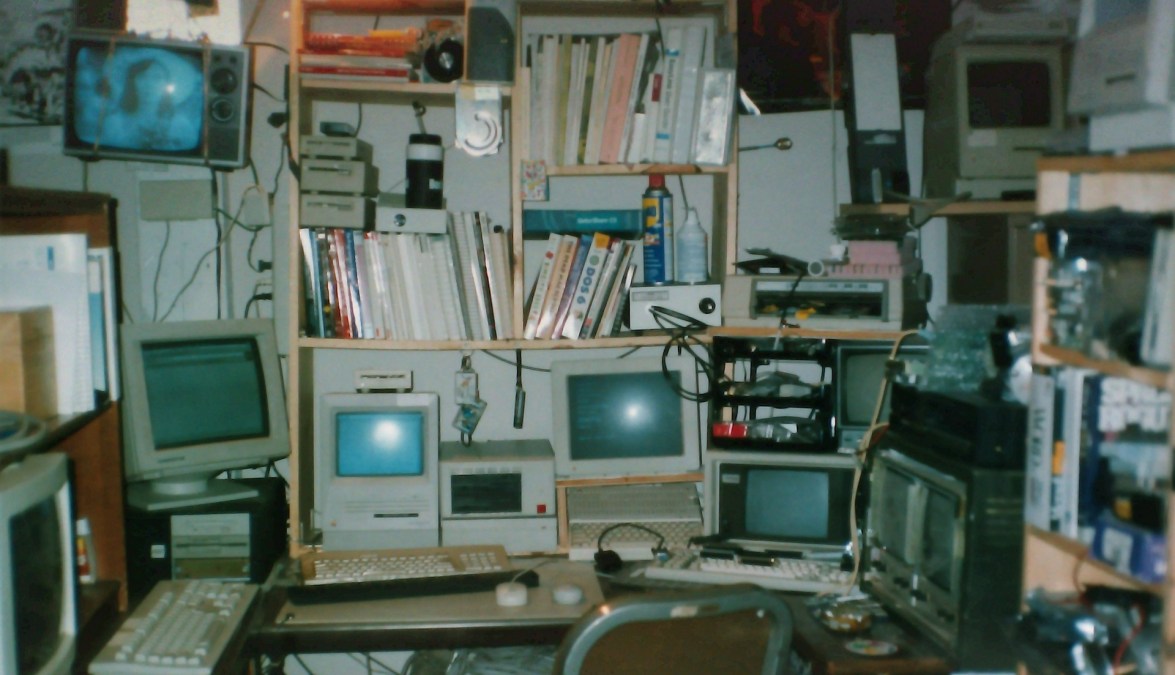
Highlights
- Early Computing Pioneer: Began coding and exploring computers from a young age, starting with Microsoft Basic and early personal computers.
- MSX Community Contribution: Acknowledged for extensive work in the MSX computer scene, including notable publications and initiatives.
- Diverse Career Roles: Renowned as a computer journalist, author, web developer, editor, and developer of interactive projects.
Introduction
Wim Dewijngaert is a Flemish computer journalist and author born on October 22, 1971, in Leuven, Belgium. Known primarily for his involvement with the MSX computer system and the broader computing community, he has played a pivotal role in shaping the narrative around early computer gaming, interactive media, and digital journalism.
Biography and Early Life
Childhood and Early Interests
Wim Dewijngaert developed an early fascination with computers. His interaction with technology began at an impressively young age, as he started using a computer built by his father. His initiation into the world of computing involved tinkering with hardware and software on platforms such as the Elektor Junior computer, which was typical for hobbyist enthusiasts during that era.
Early exposure to computing concepts, including using Microsoft Basic and programming on early personal computers like the Videopac and later the MSX systems, laid the groundwork for his lifelong passion. His curiosity led him to experiment with coding, typifying the era’s DIY approach to technology. This foundational experience greatly influenced his later contributions to computer journalism, as it provided him firsthand insights into the technical and creative aspects of computing.
Educational and Professional Background
Although detailed academic records are not the primary focus of his public persona, Wim Dewijngaert's career trajectory demonstrates a seamless blend of technical expertise and journalistic acumen. His early immersion in programming and computer systems was complemented by a professional zeal for documenting and analyzing the evolution of computer technology. As he matured, his skills as a journalist and author made him a respected voice in the digital and computer gaming sectors.
Dewijngaert’s transition from a young technology enthusiast to a senior professional in computer journalism was marked by a commitment to staying at the forefront of emerging technologies. His involvement with various media platforms allowed him to document the rapid pace of change in the computer industry.
Career in Computing and Journalism
Pioneering Contributions to the MSX Community
One of the defining aspects of Wim Dewijngaert’s career is his deep involvement within the MSX computer community. MSX was a standardized home computer architecture that enjoyed significant popularity in the 1980s, especially in Europe and Japan. Dewijngaert became known in this space for his expert commentary, in-depth analysis, and sheer enthusiasm for the platform.
With a creative moniker like "GameMaster Wim" during his early contributions to the MSX Club Magazine, he became a trusted source of information and critique regarding MSX games and applications. His work transcended typical journalism, capturing the technical, creative, and cultural dimensions of a rapidly evolving computer scene.
Perhaps one of his most notable contributions is the 840-page comprehensive work titled "Konami's MSX Legacy: The Unofficial Story." This book stands as a detailed account of Konami’s involvement with the MSX system, exploring everything from gameplay mechanics and release history to strategies and narrative synopses. It is a testament to both his passion for the field and his commitment to preserving the history of a vital segment of computer gaming. His writings have served as invaluable references for enthusiasts and historians alike.
Journalistic and Editorial Roles
Beyond the specialized area of MSX computing, Dewijngaert's career extended into more mainstream areas of digital journalism. His credits include serving as editor-in-chief and author for several interactive magazines. This role involved not only the curation of content but also the technical and artistic aspects of publishing in a medium that was evolving alongside the internet.
Among his editorial initiatives, he has been involved with film and music-related publications, underscoring his multidisciplinary approach. For instance, his work leading the interactive film magazine "Movie, de interactieve filmgids" spotlights his interest in blending technology with arts and entertainment. Similarly, his contributions to "MusicalFan.Net" demonstrate his ability to bridge the gap between computer technology and broader cultural trends.
In these roles, Dewijngaert not only provided in-depth analysis and interviews but also engaged with an active community of readers. This engagement resulted in a two-way dialogue that allowed him to tailor his content to an audience that was both technically adept and culturally attuned.
Interactive Media and Videotex Pioneering
In the late 1980s, Dewijngaert ventured into interactive digital media with the creation of a videotex database known as “Tele-Wim.” This innovative project evolved over time, first transforming into “Tele-Line” and eventually forming the foundation of the association “Tele-Line VZW.” Videotex represented one of the earliest forms of online media, and Dewijngaert’s work in this area positioned him as an early adopter of interactive and digital communication channels.
Through Tele-Line VZW, his initiatives provided a dynamic platform that blended the traditional elements of journalism with emerging digital technologies. This project underscored his ability to see the future of media, offering early insights into how interactive systems would eventually revolutionize our relationship with information.
Technical Contributions and Programming
Early Programming Efforts
Dewijngaert's introduction to programming occurred in an era when computer enthusiasts had to be resourceful and innovative. Beginning with early forms of machine programming that involved hexadecimal code inputs on rudimentary keyboards, he developed a deep technical proficiency that would serve as the backbone for his subsequent projects.
Such early experiments in coding on platforms like the MSX Sony HitBit HP75P demonstrate not only his aptitude for technology but also a common thread among early computing pioneers—exploration through hands-on experimentation. These formative experiences laid a foundation for a lifelong engagement with the intricacies of computer systems and programming languages.
Transition from Hobbyist to Professional
Over time, his hobbyist craftsmanship in programming evolved into a professional skill set. As he navigated through various technological landscapes—from early computing systems to more advanced platforms—Dewijngaert managed to harness his technical knowledge and channel it into practical applications. His blend of technical prowess with journalistic inquiry set him apart and allowed him to gain insights that few others could provide during the nascent days of computer computing.
Current Professional Roles
In recent years, Wim Dewijngaert has applied his decades of experience in computing and journalism to roles in web development and digital media. Currently, he holds influential positions in the tech industry, serving as a senior web developer in Brussels. His technical expertise is complemented by his longstanding passion for editing and producing digital content, making him an all-around figure in the modern technology scene.
His multifaceted career illustrates a seamless integration of creative journalism, technical development, and interactive media. By continually adapting to the shifting paradigms of technology, Dewijngaert not only preserves the historical aspects of early computing but actively contributes to its present and future evolution.
Detailed Overview of Contributions
Published Works and Media Involvement
Among the published works that have garnered significant attention is the book "Konami's MSX Legacy: The Unofficial Story." This work is recognized for its exhaustive documentation of Konami’s contributions and the intricate history behind MSX gaming systems. The compilation includes detailed sections on game release dates, in-depth story synopses, level maps, gameplay guides, and strategies, thus serving as a definitive guide for those interested in the legacy of Konami's role in the MSX ecosystem.
His active involvement in the production of computer magazines extends to contributions in various capacities, ranging from writing exhaustive reviews to producing interactive features that capture the zeitgeist of the technology era. His role in communities, both through publications and interactive initiatives like Tele-Wim and Tele-Line, underscores a career that is both broad and deep.
Contribution to Computer Culture and Technological Heritage
Beyond the confines of technical knowledge, Dewijngaert has played a significant role in shaping computer culture. His work not only reflects technical mastery but also a genuine appreciation for the cultural impact of computer gaming and interactive media.
Through his documentation and analysis of the MSX scene, he has helped preserve a critical chapter in computer history. Such contributions provide context for the evolution of gaming and computing, allowing newer generations to look back and appreciate the milestones that influenced modern digital entertainment and technology.
This archival and cultural aspect of his work is important, as it bridges the gap between the technical innovations of the past and the contemporary landscape. His efforts in capturing detailed histories, technical walkthroughs, and personal anecdotes enrich the collective knowledge about early computer systems.
Interactive Impact and Community Engagement
Dewijngaert’s pioneering projects, such as Tele-Wim and its evolutions, were not merely technical exercises but community-building endeavors. These interactive platforms provided early adopters, hobbyists, and professionals a forum for connecting, sharing insights, and engaging with cutting-edge technology. His willingness to both lead and share his knowledge has been a recurring theme throughout his career, fostering a sense of collaboration and learning within the tech community.
A Closer Look with a Comparative Table
| Aspect | Description |
|---|---|
| Full Name | Wim Dewijngaert |
| Birth Date | October 22, 1971 |
| Birth Place | Leuven, Belgium |
| Field | Computer Journalism, Digital Media, Web Development |
| Key Contributions | Interactive platforms (Tele-Wim, Tele-Line), significant publications in MSX computing, and extensive work as editor-in-chief on multimedia magazines. |
| Notable Publication | "Konami's MSX Legacy: The Unofficial Story" |
| Current Role | Senior Web Developer in Brussels |
| Communication Style | Journalism combined with technical expertise and interactive media innovation |
Legacy and Continued Influence
Long-Standing Impact on Technology and Culture
Wim Dewijngaert’s career serves as a compelling narrative of how individual passion and technical proficiency can influence multiple facets of a burgeoning field. His meticulous documentation of MSX-era computing and his in-depth analyses delivered through various media channels offer a historical record that is both technically informative and culturally engaging.
With a career that spans several decades, his work has evolved in step with the dynamic changes in the technology sector. Dewijngaert is an exemplar of how early expertise and a passion for both technology and storytelling can interlace to create a lasting legacy. This dual commitment has ensured that he remains a relevant and influential figure in both historical retrospectives of early computing and contemporary digital innovation discussions.
Influence on Future Generations
The comprehensive nature of his contributions, notably in preserving digital history through detailed publications and interactive media, sets a benchmark for future technology historians and enthusiasts. Aspiring computer journalists and developers find inspiration in his innovative approach to blending technical content with accessible narrative forms. Such influence extends to a broader audience, where his work serves as an indispensable resource for understanding the evolution of personal computing and interactive systems.
Moreover, his role in community-based projects emphasizes an essential aspect of technological progress—the importance of collaboration and shared knowledge. His legacy continues to motivate current and future generations to explore, document, and innovate in the realms of technology and digital media.
Conclusion
In conclusion, Wim Dewijngaert is far more than a computer journalist or an author; he is a multifaceted contributor to the landscape of digital culture. From his early adventures in programming and the pioneering days of MSX computing to his influential roles in interactive media and web development, his career encapsulates a blend of technical mastery and journalistic integrity. His contributions have enriched the history of computer gaming, aided the development of digital interactive projects, and provided an extensive reference that continues to inspire and educate enthusiasts and professionals alike.
His work is a reminder that the evolution of technology is inseparable from the individuals who document, critique, and innovate within it. As such, Wim Dewijngaert stands as a significant figure in the annals of computer journalism and digital media, demonstrating through his life’s work that passion for technology can shape both its history and its future.
References
- Wim Dewijngaert: Belgian journalist (1971-) | Biography, Facts ... - Peoplepill
- Wim Dewijngaert - Wikipedia - Dutch
- Wim Dewijngaert (Author of Konami's MSX Legacy) - Goodreads
- Konami's Msx Legacy: The Unofficial Story by Wim Dewijngaert - Alibris
- Konami's MSX Legacy: the unofficial story now available - MSX.org
Recommended Queries for Further Exploration
Last updated February 20, 2025