
Evaluating Windows Taskbar Placement
A comprehensive analysis on taskbar positioning, ADHD, productivity, and UI performance
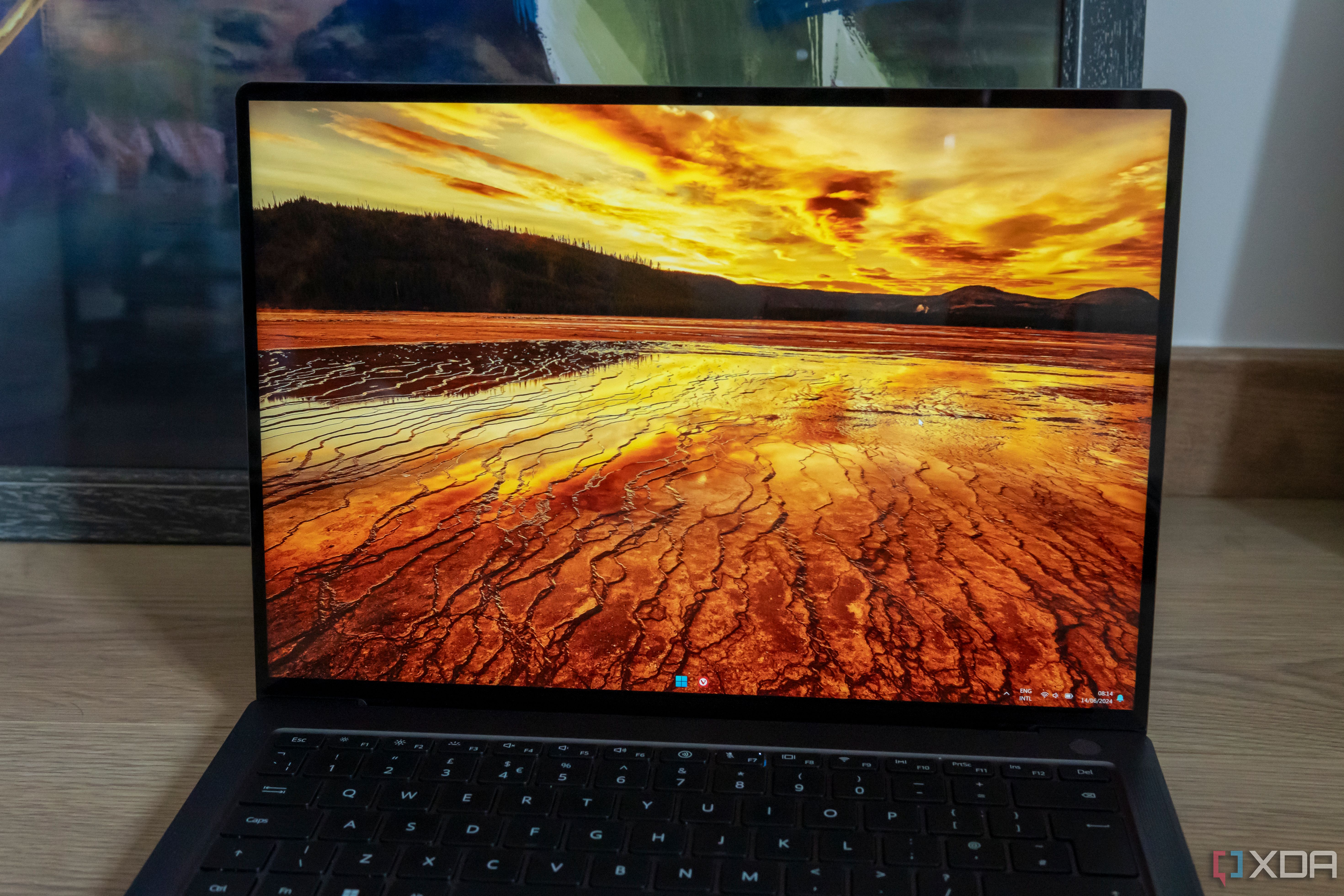
Highlights
- Enhanced Productivity: The taskbar's location may influence workflow efficiency and cognitive navigation.
- ADHD Considerations: Reducing visual distractions is key, with each placement offering different benefits for focus.
- UI Stability: Custom UI changes risk performance slowdowns; the default placement minimizes potential instability.
Structured Comparison
Taskbar at the Top
Placing the Windows taskbar at the top of the screen has its advocates, particularly for users who value a streamlined and clean visual workspace, as well as for those looking to reduce the time taken for mouse movement. Proponents argue that a top-aligned taskbar can help bring together multiple navigation elements—menu bars, window controls, and even shortcuts—thus centralizing your interface. This configuration can potentially provide cognitive benefits for individuals with ADHD, as it minimizes the clutter often found at the bottom of the screen, which in turn reduces distractions.
Pros
Visual Clarity and Reduced Distractions: With the taskbar at the top, the bottom of the screen can stay free from persistent UI elements. This clean canvas may help users with ADHD by offering a less cluttered workspace, allowing for better focus on core applications and content.
Efficient Mouse Movement: If your applications and menus are already placed near the top, having the taskbar there means that translating from one control to the next involves minimal mouse movement. This can potentially speed up workflow, reducing the amount of unnecessary hand motion.
Centralized Workflow: Bringing all navigation elements together can enhance the cognitive grouping of your controls. For some, this structure may reduce the mental overhead involved in tracking windows and applications, which is particularly beneficial for users who have challenges with executive functioning.
Cons
Adjustment Period: Expect an inevitable period of adaptation. Users who have cultivated muscle memory with a bottom-placed taskbar may experience temporary disruptions. This transient slowdown could offset any long-term productivity gains, especially if you rely heavily on habitual navigation.
Interface Clutter at the Top: The top of the screen already hosts other elements such as browser tabs, address bars, and window title bars. Adding the taskbar into this space might exacerbate clutter, potentially negating the benefits of reduced visual noise and creating a new hotspot for distractions.
Software Limitations and Stability Concerns: With Windows 11, the taskbar position is fixed at the bottom by default, and shifting it requires third-party tools or complex workarounds. These modifications may lead to system instability or UI slowdowns, as any customization that is not natively supported introduces a risk factor for performance issues.
Taskbar at the Bottom
The traditional placement of the taskbar at the bottom of the screen is familiar to most Windows users. This configuration is deeply integrated into the Windows ecosystem, ensuring that most applications and system features are built around this expectation. For users with ADHD, the bottom taskbar offers a reliable and consistent reminder of open applications, even if its constant presence might sometimes be seen as a distraction.
Pros
Familiarity and Intuitive Use: The bottom placement is a longstanding convention in Windows. This intuitive layout minimizes the mental load required to learn a new navigation style, thus preserving cognitive resources for other tasks. For ADHD users, the reliability of an established system can reduce executive dysfunction associated with adapting to new interfaces.
Consistency and System Stability: By sticking to the default setup, you avoid the need for third-party modifications. This minimizes the risk of encountering performance slowdowns or interface glitches that can be introduced with custom UI adjustments.
Direct Access to System Features: The consistent location allows for faster recognition and access to essential system controls. The taskbar can provide an ongoing visual cue of open applications, which helps some users keep track of their workflow and prevent accidental task dismissals.
Cons
Potential Visual Clutter: The placement at the bottom can sometimes obstruct content, especially if an application maximizes screen usage or if notifications overlap with the application window. For some ADHD users, this persistent presence might be distracting.
Limited Customization Flexibility: While the system stability is an advantage, it also means that there is less room to optimize the layout for personal workflow preferences. Adjustments to improve productivity through UI reorganization are constrained, which might force some users to adapt their workflow to the pre-designed structure.
Taskbar on the Side
An alternative configuration that has been explored is placing the taskbar on the side of the screen. For certain users, especially those using ultrawide monitors, a side taskbar can maximize vertical screen real estate and provide easier access to open applications without overlapping critical content.
Pros
Maximized Screen Real Estate: The side taskbar keeps the top and bottom of the display free, allowing for more modern, content-driven applications to use the full available space. This could be highly beneficial when working on projects that require extensive vertical space, such as documents and spreadsheets.
Visual Separation: For ADHD users, the side placement may help compartmentalize different screen zones, ensuring that interactive elements like menus and notifications remain separate from areas where deep focus is required.
Built-in Support: Since this is a native feature in various Windows versions, using the side taskbar does not necessitate the use of third-party tools, avoiding the pitfalls of custom UI modifications that could lead to slowdowns.
Cons
Learning Curve and Habitual Resistance: As with any deviation from a well-established setup, moving the taskbar from its traditional bottom position may require an adjustment period. This learning curve might temporarily disrupt your workflow.
Space Constraints on Smaller Screens: For users with limited screen space, a side taskbar could consume valuable horizontal space, potentially limiting the width available for applications and multitasking.
Comparative Table
| Feature | Top Taskbar | Bottom Taskbar | Side Taskbar |
|---|---|---|---|
| Visual Real Estate | Cleaner bottom; may clash with other top elements. | Traditional; sometimes obscures content. | Maximizes top and bottom spaces; may reduce width. |
| ADHD Considerations | Reduces lower distractions; centralizes controls. | Familiar reminder of open tasks; habitual. | Separates interactive zones; clear boundaries. |
| Productivity Impact | Potentially reduces mouse movement; customization may slow initial use. | Intuitive and fast for most users; can sometimes feel cluttered. | Ideal for multitasking; may require adaptation. |
| System Stability | Custom positioning risks third-party instability. | Native integration ensures stability. | Built-in feature in many cases, ensuring minimal risk. |
Direct Recommendation
Given your focus on ADHD, productivity, and the potential for custom UI slowdowns, it is important to weigh the pros and cons of each configuration carefully.
While positioning the taskbar at the top offers some compelling benefits—such as a clean workspace and reduced mouse movement due to centralized controls—it also comes with significant drawbacks. Chief among these are the disruption of well-established user habits, increased risk of interface clutter (since the top of the screen often already hosts other important elements), and the performance issues that may accompany third-party customization under Windows 11. In recent iterations of Windows, particularly Windows 11, the taskbar is fixed at the bottom due to design and stability choices, meaning that any effort to relocate it involves non-native solutions. For users managing ADHD, a disruption to familiar interface layouts can lead to increased cognitive load, negating any potential benefits of reduced distraction.
In contrast, the bottom taskbar provides a stable, familiar environment that minimizes the need for adjustments. Though it might bring occasional visual clutter, this is a trade-off for avoiding system slowdowns and learning new navigation cues. Given the need to minimize UI slowdowns and optimize productivity without compromising system stability, sticking with the traditional bottom placement is advisable.
If you are considering alternatives to balance clarity and productivity, a side taskbar might offer a good compromise. It maximizes vertical space and could isolate distractions more effectively than a top placement. However, the adaptation required, especially if you are already accustomed to the standard layout, is also an important factor.
Therefore, my direct recommendation is to maintain the taskbar at the bottom of the screen. This setting is deeply integrated, avoids potential slowdowns from unsupported UI customizations, and leverages familiar workflows that are especially important for ADHD management. If you still desire adjustment, then cautiously experiment with the side taskbar configuration, as it balances the need for expanded real estate with stability without requiring third-party modifications.
Conclusion
In summary, the decision on whether to place the Windows taskbar at the top involves multiple factors that include cognitive ease for ADHD management, overall productivity improvement, and system performance considerations due to potential custom UI slowdowns. A top taskbar setup inherently reduces visual clutter in the lower part of the display and may centralize controls for easier access. However, it disrupts traditional workflow habits, risks interface division with the clustering of top screen elements, and demands the use of third-party tools—especially on Windows 11—for which stability cannot be guaranteed.
Given these complexities, the defaults provided by Windows, specifically the taskbar at the bottom, continue to provide robustness, ease of use, and minimal performance drawbacks. For anyone particularly sensitive to changes, including those with ADHD, the consistent environment is crucial for maintaining productive flow. Nonetheless, if you are interested in optimization and have adjustments in mind, the side taskbar offers a valuable middle ground to explore while preserving system reliability.
Ultimately, keeping the taskbar at the bottom is the safest and most effective option for ensuring that your productivity is maximized without sacrificing system stability or introducing additional cognitive challenges.
References
- Should the Task Bar be at the Top or Bottom? - Reddit
- I Think Windows Taskbar is 100% Better on Top - Reddit
-
Taskbar Fixed at the Bottom - Microsoft Answers
- Customizing Windows 11 Taskbar for Improved Productivity - DEV
- Windows Taskbar Tricks - HowSet
Recommended
Last updated February 28, 2025