
Why Wine is Pricier in Restaurants
Unraveling the complexities of wine pricing outside of retail
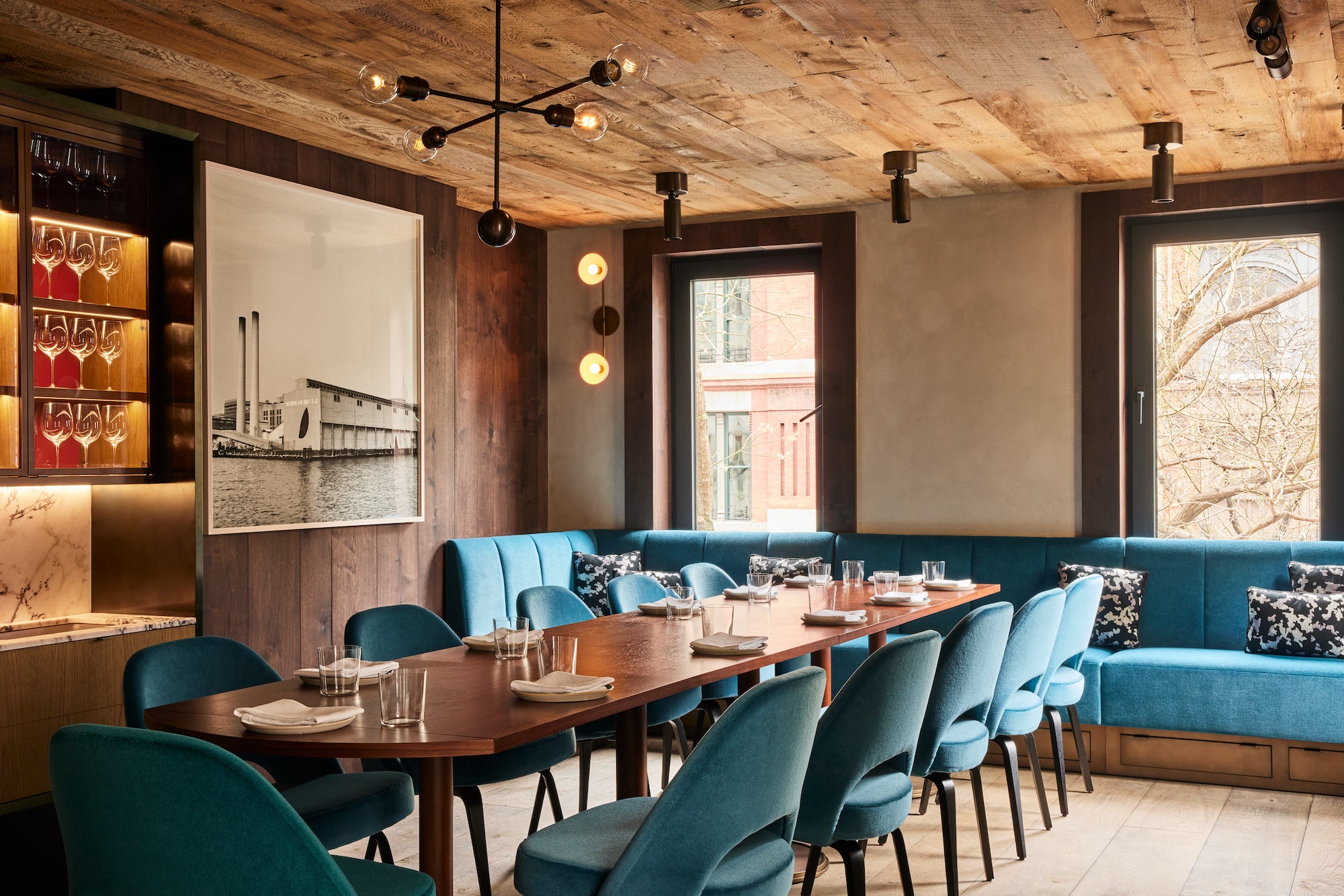
Key Highlights
- Operational Overheads: Restaurants must cover numerous expensive operational costs like staffing, rent, utilities, and décor, which factor into wine pricing.
- High Markup Strategies: Markups on wines commonly range from 200% to 400% above the wholesale rate to achieve the narrow profit margins on food and sustain the business.
- Enhanced Dining Experience: The overall dining experience, including service, atmosphere, and specialized wine expertise, justifies premium pricing to many guests.
Introduction
When dining out, many patrons are often surprised by the significantly higher price of a bottle of wine compared to purchasing the same wine at a retail wine shop. This phenomenon is not arbitrary but stems from a combination of factors that range from high operational costs, strategic pricing models, to the overall dining experience. In this comprehensive analysis, we will explore all the essential reasons why restaurants price wine at a premium, dissecting the intricate balance between cost recovery, profit margins, service quality, and market psychology.
Understanding the Cost Structure in Restaurants
To grasp why a bottle of wine costs more in a restaurant, it is important to first examine the multifaceted cost structure of running a dining establishment. Restaurants incur a wide array of expenses that are not evident to the consumer. Unlike a wine shop – which primarily focuses on the wine inventory and shelf presentation – restaurants integrate their alcoholic beverage pricing with an extensive range of operational activities. These include:
Operational Expenses
Every restaurant functions with a host of fixed and variable costs:
1. Rent and Utilities
Rent can be one of the most significant expenditures, especially in prime urban locations. Alongside rent, utilities such as electricity, water, and gas further escalate the monthly bills. The high overheads associated with maintaining a physical, often upscale venue are directly factored into the menu pricing, including that of the wine.
2. Staffing Costs
A well-run restaurant employs a variety of personnel – from servers and sommeliers to kitchen staff and managers. Each of these employees contributes to the overall dining experience but also requires wages, benefits, and training. This staff investment means that every aspect of the service, including wine presentation and pairing advice, carries an associated cost.
3. Ambience and Décor
The atmosphere of a restaurant is a key part of its appeal. Investments in interior design, lighting, music, and dining furnishings enhance the customer experience but add to the operating costs. Wine, as part of the broader culinary journey, is priced to help recuperate these recurring investments.
4. Equipment and Maintenance
Restaurants must maintain specialized equipment including refrigeration, wine storage, and glassware. Beyond initial purchasing, these items require regular upkeep and eventual replacement. All these factors contribute to the need for a significant markup on wine.
Economic Rationale Behind Wine Pricing
With the significant overheads in mind, the economic decisions made regarding pricing become clearer. Here are the main economic factors that drive up the retail price of wine in restaurants:
Markup Strategy
One of the most transparent strategies restaurants use is applying a hefty markup on wine. Generally, the markup ranges from 200% to 400% over the wholesale cost. For context, if a wine shop retails a bottle for $20, a restaurant might sell it for $60 to $80. This markup allows the restaurant to cover:
- Overhead costs not present in a retail store
- Staff service and wine expertise
- Payout margins that balance the thinner profits on food
Moreover, while the wholesale cost of purchasing the bottle may be lower in comparison to its restaurant sale price, the additional expenses necessitate a higher price to ensure that the restaurant achieves its overall profit targets. This is especially critical since food items generally have lower profit margins.
By-the-Glass Challenges
When wine is served by the glass, restaurants face a different set of challenges. Serving wine by the glass involves inherent risks such as:
- Wastage through wastage of an opened bottle
- Quality deterioration after exposure to air
- Portion control challenges
In many cases, a bottle of wine designed for five glasses may incur losses if not entirely consumed or if its quality declines in an opened state. Hence, by-the-glass pricing is strategically set higher to mitigate the risk of loss incurred from possible wastage.
The Role of Customer Experience and Perceived Value
A salient component of the increased price tag on restaurant wine is the overall dining experience. In an environment where ambiance, service, and presentation are meticulously curated, guests are not only paying for the physical beverage but also for the entire experience that surrounds it.
Enhanced Service and Expertise
In many restaurants, especially those with curated wine lists, the role of a sommelier is paramount. A sommelier’s knowledge on wine pairings, origin, and appropriate serving techniques significantly elevates the dining experience. This personalized service, coupled with the glory of tasting a carefully selected wine in an ideal setting, translates into higher perceived value. Patrons willingly absorb the cost increase as part of an all-encompassing luxury experience, where each detail matters.
Atmosphere and Ambience
Often, guests frequent restaurants not only for the food and drink but also for the atmosphere. Decor, lighting, music, and table settings contribute to a multi-sensorial experience. These elements add perceived value and justify higher prices. When you sit down for a meal, the overall experience is composite, and the wine price factors in the ambiance that cannot be replicated in a self-service retail setting. The dining space itself, with its comfortable seating, aesthetically pleasing design, and a welcoming environment, contributes indirectly to the cost of the wine.
Market Positioning and Branding
Branding and market positioning also play critical roles in wine pricing. High-end restaurants often carry a brand image that is synonymous with quality and exclusivity. The wine list in such restaurants typically includes a mix of both accessible and exclusive wines. The exclusive selections are offered at a premium price to reinforce the establishment’s upscale image. Additionally, the psychological impact of paying a higher price can also imply superior quality to many customers. This perception, in turn, creates a self-reinforcing cycle where high prices are both a symbol of excellence and a necessary part of the dining ritual.
Detailed Analysis through a Comparative Table
To further clarify the differences between wine shop pricing and restaurant pricing, consider the following comparative table that outlines the essential elements that differentiate the two.
| Feature | Wine Shop | Restaurant |
|---|---|---|
| Cost Input | Primarily wholesale purchase | Wholesale purchase plus extensive operational overhead |
| Markup Percentage | Generally lower; limited to competitive market pressures | Typically 200%-400% over wholesale cost |
| Service Costs | Minimal, mainly transactional services | Includes service, ambiance, and expert advice |
| Dine-in Experience | No physical dining experience | Curated culinary and service experience |
| Waste and Spoilage Costs | Not applicable as bottles are sold intact | Costs incurred in serving by the glass and associated spoilage risk |
| Profit Margin Strategy | Focused on volume and inventory turnover | Relies on high-margin beverage sales to offset lower food margins |
Breakdown of Restaurant Wine Markup Strategy
The concept of wine markup in restaurants is influenced by complex economic and operational factors. While a retail price might appear steep by comparison, the underlying factors truly justify the price differential.
Cost Recovery and Profit Generation
Restaurants generally operate with slim margins on food. Much of their profitability is derived from the beverage program. Through a high wine markup, restaurants generate sufficient revenue to balance the cost-intensive nature of food service. Even though the absolute profit margins on wine may appear high when looking at the markup percentage, the overall profitability is carefully calibrated against operational expenses.
Psychological Pricing and Consumer Expectations
The psychology behind pricing plays a vital role. Many consumers associate higher prices with superior quality. Within a restaurant setting, a higher-priced wine not only suggests higher quality but also aligns with the ambiance and exclusive service provided. Customers often perceive that the premium price reflects careful curation, where each bottle is selected to complement the culinary experience. This psychological interplay permits restaurants to sustain a higher price bracket without alienating their clientele.
The Impact of Wine Selection and Exclusivity
In many upscale restaurants, the wine list is a curated collection that may include both well-known and rare, exclusive varietals. Specialty wines, often imported and sourced from limited production batches, come at a higher cost. The exclusivity of these selections not only increases the wholesale price but also justifies a higher markup. Such exclusivity contributes to the restaurant’s identity and reinforces the notion of a refined dining experience.
The Interplay Between Restaurant Pricing and Market Dynamics
In addition to internal operational factors, external market dynamics play a significant role in shaping wine prices in restaurants. Businesses continuously assess local market conditions to determine optimal price points that balance consumer expectations with profitability.
Local Competition and Pricing Strategy
Geographic location and local competition markedly influence pricing. In competitive markets, restaurants might adjust their wine prices to differentiate themselves from neighboring establishments. For instance, a restaurant in a metropolitan area where dining is a premium experience may price its wines higher than one in a less competitive locale. However, irrespective of location, the fundamental need to recover higher operational costs remains constant.
Economic Fluctuations and Pricing Adjustments
Broader economic conditions, such as inflation, fluctuations in the wine market, and changes in labor costs, also impact the pricing strategy. Restaurants continually adjust their pricing models in response to these external economic forces. An increase in the cost to procure wine or any sudden rise in operational expenses will inevitably be passed on to the consumer.
Addressing Common Misconceptions
A prevalent misconception among consumers is that the sole reason for the high price of the wine is an exorbitant restaurant markup. However, while the markup percentage is indeed high compared to retail, it is critical to understand that:
The Overhead Balance
Wine pricing in restaurants is not merely a financial opportunism; it is a necessary mechanism to offset a spectrum of operational costs that have little to do with the wine itself. Every dollar charged on the wine contributes to keeping the restaurant operational—from ensuring top-notch service to maintaining the ambiance and safe storage conditions for delicate wines.
Comparative Retail Economics
Conversely, a wine shop operates with relatively lower overheads focused solely on retail and inventory management. The absence of a dining experience dynamically reduces costs; hence, the wine shop pricing reflects a more direct relationship to the wholesale purchase price and associated minimal retail operations.
Understanding the Consumer's Perspective
From a consumer’s standpoint, these pricing differences might seem steep, yet they are intertwined with the value offered by a restaurant. When dining out, one is not just paying for a bottle of wine but is investing in an experience that includes professional service, an inviting atmosphere, presentation aesthetics, and the convenience of having everything served in an elegant setting.
Service as an Added Value
Consider the role of a sommelier, whose expertise in wine selections often enriches a dining experience. This specialized service, which includes recommendations, pairing guidance, and education about the wine, augments the perceived value of the wine. Consumers are willing to pay more for a curated and personalized experience that elevates the meal.
Social and Cultural Dimensions
Dining out also carries social and cultural connotations. Sharing a meal in a setting that is perceived as refined or celebratory often leads to the acceptance of higher prices as part of an overall social ritual. In this context, wine pricing becomes an integral component of the social ambiance, where the price itself is a marker of status and quality.
A Holistic Model of Wine Pricing in Restaurants
When combining all these factors, a comprehensive model emerges that explains the difference in wine pricing between restaurants and wine shops. The following table summarizes the elements that feed into the final pricing formula:
| Component | Description | Impact on Price |
|---|---|---|
| Wholesale Acquisition | Cost incurred for purchasing the wine from producers or distributors | Base cost |
| Operational Overheads | Rent, utilities, staffing, maintenance, wine storage, and ambiance | Significant price addition to ensure business sustainability |
| Service and Expertise | Sommelier services, curated wine lists, and personalized recommendations | Adds intangible value and justifies premium pricing |
| Marketing and Positioning | Brand identity and competitive positioning in the local market | Influences perceived value and acceptance of higher prices |
| Risk Mitigation | Costs related to potential wastage, especially for wine by the glass | Requires markup to offset potential losses |
This holistic view shows that the higher price of wine in restaurants is not an arbitrary decision; rather, it is the result of multiple converging factors where each element contributes a specific cost component. The perceived luxury and exclusivity of the dining experience allow restaurants to adopt such a pricing model, leading to a final price that incorporates both tangible and intangible elements.
Economic Impact and Industry Trends
The restaurant industry operates under highly competitive and dynamic market conditions. Increasingly, establishments are relying on beverage programs as a key revenue driver, especially since food profits are often very slim. The significant markups on wine not only help in ensuring the survival of the restaurant during lean periods but also allow businesses to invest in exclusive products and high-quality service, which in turn attracts an upscale clientele.
Revenue Optimization Through Wine Sales
Wine sales provide a buffer against the slim margins typical of food items. With wine markups often surpassing 200%, restaurants manage to optimize their overall profitability despite the heavy investment in decor, staff, and operational overhead. This strategic allocation of revenue sources has become a standard practice, whereby the beverage program effectively subsidizes other less profitable aspects of the restaurant.
Adapting to Market Conditions
In response to fluctuating economic conditions, restaurants adjust their pricing models periodically. Whether it is through seasonal menu changes, dynamic pricing of beverages, or introducing exclusive wine selections, the industry continually evolves to strike a safe balance between consumer satisfaction and financial viability.
Conclusion
In summary, the seeming disparity between wine prices in restaurants versus wine shops is the product of a complex interplay between high operational costs, strategic markup decisions, and the demand for an enhanced dining experience. Every dollar charged on the wine in a restaurant setting encapsulates not just the cost of the product itself, but also the myriad expenses associated with offering a memorable dining experience—ranging from underlying infrastructure, professional staffing, ambiance, and even the risk of product wastage. Consumers are essentially paying for both the beverage and the unique experience that comes with it—a confluence that makes wine pricing in restaurants significantly steep.
As we have seen, restaurants must strategically set higher prices to manage their diverse and substantial operating costs, all while nurturing an environment that promises a high-quality, almost ceremonial dining experience. While this model may seem cost-prohibitive at first glance, it is fundamentally designed to provide a sustainable business framework that benefits both the establishment and its customers through enhanced service, ambiance, and curated wine selections.
References
- Why Is Wine So Expensive at Restaurants? Explained - Dine With Drinks
- Here's Why Cheap Wine Is So Expensive On Restaurant Menus - Tasting Table
- This Is Why Wine Costs So Much at Restaurants - Food & Wine
- Why Is Wine in Restaurants So Freaking Expensive? - MEL Magazine
- Ask Adam: Why Does My Inexpensive Wine Cost So Much at Restaurants? - VinePair
Recommended Queries
Last updated February 22, 2025