
Understanding Women Harassment
Exploring causes, impacts, and multifaceted approaches to ending harassment
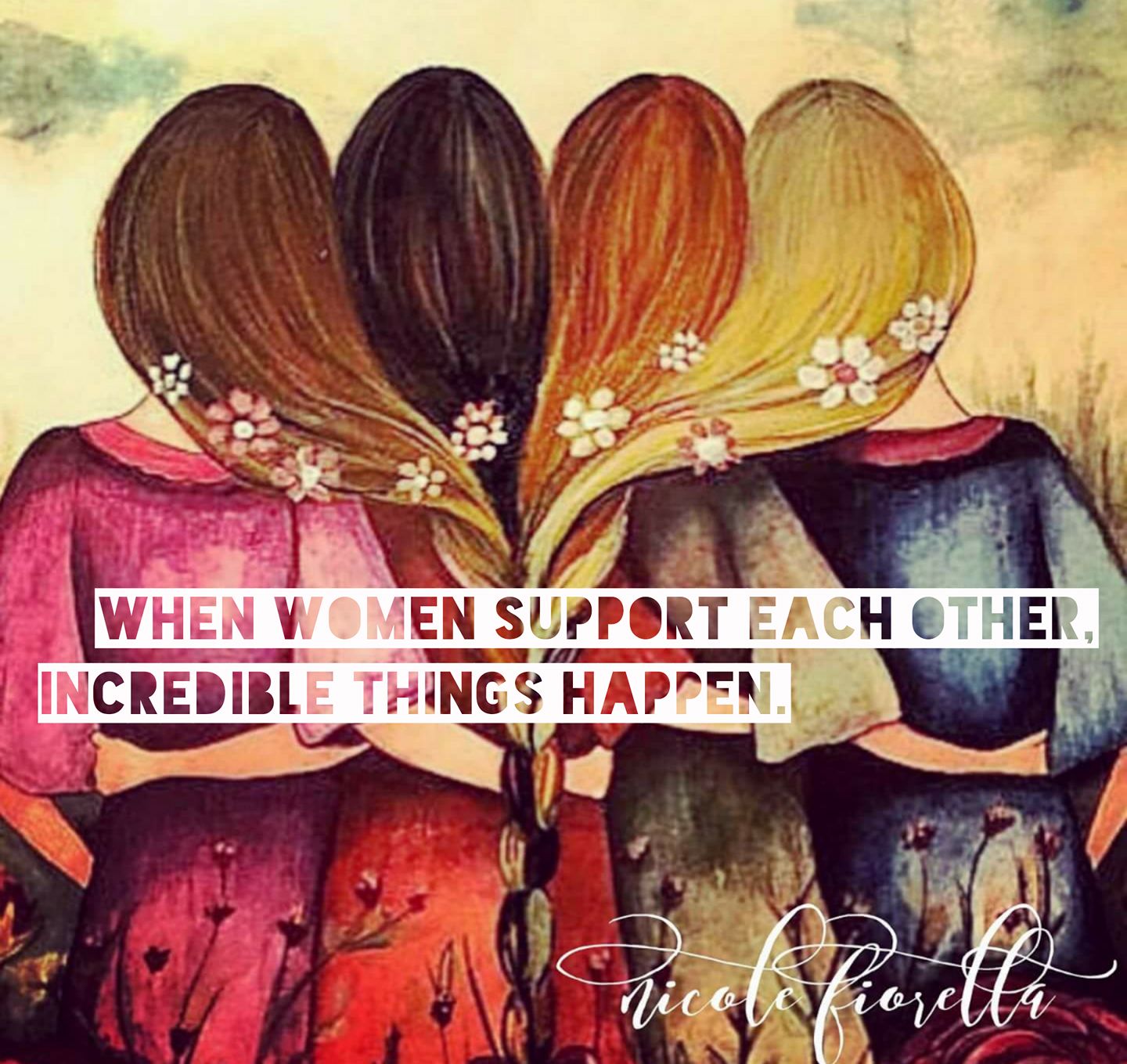
Key Highlights
- Rooted in power imbalances and cultural norms
- Wide-ranging impacts on mental, physical, and economic wellbeing
- Requires legal, educational, and supportive community responses
Introduction
Women harassment is a pervasive global issue that spans across cultures, industries, and communities. In various forms—from unwanted comments and physical intimidation to severe sexual abuse—harassment against women continues to impede their freedom, safety, and overall well-being. Not only is this harassment a violation of human rights, but it also undermines efforts toward gender equality in personal, professional, and public spheres.
Recent reports indicate that while there have been measurable efforts to address and mitigate harassment in sectors such as the workplace, the military, and digital platforms, the issue remains deeply entrenched in societal norms and power dynamics. This article provides a comprehensive exploration of women harassment: its causes, effects, and the multifaceted strategies needed to combat it.
Understanding the Nature and Causes
Defining Women Harassment
Women harassment encompasses a variety of unwanted acts ranging from verbal abuse to physical and sexual violence. Whether occurring in public spaces, workplaces, educational institutions, or even digital environments, harassment not only degrades and intimidates women but contributes to a broader culture of gender inequality.
Types of Harassment
Forms of harassment can be classified into several categories:
- Verbal Harassment: Involving derogatory remarks, sexual innuendos, and persistent unwanted advances.
- Physical Harassment: Ranging from unwanted touching to assaults, violating personal boundaries and physical safety.
- Psychological Harassment: Involving intimidation, belittlement, and creating an environment of fear and stress.
- Digital Harassment: Occurring over social media and dating apps, where harmful comments, stalking, and doxing are prevalent.
Causes and Contributing Factors
The persistence of harassment against women can be attributed to several interrelated factors:
Power Dynamics
Power imbalances form a core element of harassment dynamics. Often, societal structures establish and reinforce male dominance, particularly in institutions and workplaces. Consequently, some individuals exploit their positions of power, using harassment as a tool to assert control and dominance over women.
Cultural Norms and Societal Attitudes
Deep-seated cultural norms that perpetuate stereotypes and justify male authority can create environments where women harassment is normalized. In many societies, traditional roles and gender expectations allow harassment to flourish simply because it is overlooked or dismissed as a part of everyday interactions.
Economic Dependence and Vulnerability
Economic factors also play a significant role. Many women who are economically dependent or working in environments with limited recourse for reporting harassment may hesitate to take action. This financial vulnerability further cements cycles of abuse, leaving victims trapped in hostile conditions.
Impact on Women
Physical and Mental Health
The consequences of harassment extend far beyond immediate emotional distress. Women who experience harassment often face long-term physical and mental health challenges. The chronic stress from ongoing abuse can manifest in numerous health problems:
- Mental Health Issues: Increased risks of depression, anxiety, and post-traumatic stress disorder (PTSD) are common among victims.
- Physical Health Effects: Stress-induced conditions such as headaches, gastrointestinal issues, and sleep disorders can arise, significantly affecting day-to-day activities.
- Reproductive Health Complications: Persistent stress and the trauma of harassment may lead to reproductive health concerns, compounding the overall health burden on women.
Economic and Career Consequences
The repercussions of harassment are not limited to personal well-being; they also heavily impact women’s economic and professional lives. Many women are forced to grapple with career disruptions as harassment can lead to:
- Career Stagnation: Fear of hostile work environments may deter women from pursuing promotions or new opportunities.
- Job Changes and Economic Instability: Women may feel compelled to leave their jobs or change careers due to persistent harassment, leading to financial hardship and long-term income loss.
- Widening Gender Pay Gap: The cumulative effects of harassment-related job changes contribute to the ongoing gender pay disparity, as women find fewer opportunities for advancement.
Social and Community Impact
Harassment has deep social implications. A culture that tolerates abuse undermines community trust and perpetuates gender stereotypes. Women may experience social stigma; instead of receiving support, they can face victim-blaming, which further discourages reporting and hampers community action against harassment.
Addressing and Combating Harassment
Legal and Policy Initiatives
Legal reforms and policy implementations are critical in curbing harassment. Countries worldwide are increasingly focusing on enhancing legal frameworks to not only penalize perpetrators but also to provide robust support to victims. Key initiatives include:
- Strengthening Legislation: Governments are revising laws on sexual harassment to ensure stricter penalties and enforce accountability.
- Workplace Policies: Employers are mandated to create safe work environments by implementing clear anti-harassment policies and regular training programs.
- Support Structures: Legal aid, counseling services, and dedicated support centers are being established to assist victims through the judicial process and recovery.
Educational and Cultural Strategies
Beyond legal measures, education and cultural transformation are imperative for fostering long-term change. Raising awareness about what constitutes harassment and empowering individuals play vital roles in reshaping societal attitudes. Noteworthy strategies include:
- Public Campaigns and Awareness Programs: Mass media and grassroots campaigns help in educating the public, challenging stereotypes, and advocating for gender equality.
- School and Community Education: Integrating principles of respect and equality into educational curriculums helps shape a generation that is less tolerant of abuse.
- Workplace Training: Regular workshops and training sessions encourage staff to identify and report harassment, promoting a culture of accountability and respect.
Technological Innovations and Digital Safety
The digital era has brought about new challenges with online harassment, but it also offers innovative solutions. Technology is being leveraged to create safer digital environments:
- AI-Powered Monitoring: Artificial Intelligence is used to monitor and filter out abusive content on social media platforms and dating apps, thereby reducing the incidence of digital harassment.
- Reporting Mechanisms: Online platforms are enhancing their reporting systems to quickly address complaints and take corrective action against offenders.
- Digital Literacy Programs: Educating users on digital safety and the importance of respectful online behavior can help mitigate cyber harassment.
Global Snapshot: Harassment in Different Regions
Women harassment is not confined to any one region; it is a global challenge that manifests differently depending on cultural, economic, and legal contexts. The table below provides a comparative overview of the issue in various parts of the world:
| Region | Common Forms of Harassment | Legal/Policy Responses | Notable Challenges |
|---|---|---|---|
| North America | Sexual harassment, verbal abuse, workplace discrimination | Robust legal frameworks and corporate policies | High reporting barriers, victim-blaming |
| Europe | Sexual harassment in public and private sectors | Comprehensive anti-discrimination laws | Cultural normalization in some areas |
| Asia | Physical harassment, verbal abuse, cyber harassment | Emerging legal reforms and workplace policies | Patriarchal cultural norms, slow legal enforcement |
| Africa | Sexual and physical harassment, abuse in public spaces | Varies widely; some regions have strict measures | Lack of infrastructure for reporting, cultural taboos |
This table highlights that while legal and cultural responses are evolving, practical challenges remain, hindering the full eradication of harassment in many regions. Continued international cooperation and localized strategies are essential to address these challenges.
Case Studies and Recent Developments
High-Profile Incidents and Responses
Recent years have witnessed several high-profile cases that have underscored the urgent need for concerted intervention. For instance, incidents in the U.S. military and governmental bodies have sparked international dialogue on sexual harassment and violence. In some cases, rapid judicial responses—such as chargesheets filed within hours—demonstrate growing intolerance towards harassment. High-impact stories from regions such as Nigeria and India illustrate that even in areas where women’s empowerment is on the rise, harassment remains a critical issue.
Digital and Social Media Influences
Digital harassment has emerged as a significant challenge with the rise in the use of online platforms. From social media to dating apps, women frequently encounter harassment that can escalate quickly, forming part of a broader digital crisis. Notably, efforts led by former tech executives using artificial intelligence are now underway to monitor and moderate abusive content online. Such technological initiatives are proving instrumental in creating a safer digital environment and serve as a promising countermeasure to online abuse.
Strategies for a Safer Future
Multi-Faceted Approaches and Interventions
Addressing harassment requires holistic strategies that bridge legislative reforms, public awareness, technology, and community support. No single approach can tackle all facets of harassment; instead, a combination of diverse interventions is necessary:
- Government and Policy Reforms: Enacting strong, enforceable laws that protect women is imperative. This includes increasing penalties for offenders and providing victims with fast-track legal assistance.
- Corporate Accountability: Organizations must invest in robust training and clear reporting protocols to ensure an environment free from harassment.
- Community Engagement: Grassroots movements and community leaders can help shift cultural perceptions and encourage collective action against harassment.
- Support Services Expansion: Expanding support systems, such as hotlines, counseling, and dedicated legal services, ensures that victims have access to the necessary resources and guidance.
- Education and Capacity Building: Implementing educational programs in schools and workplaces can empower individuals with the knowledge to recognize, report, and prevent harassment.
Innovative Use of Technology
Utilizing cutting-edge technologies, including artificial intelligence, plays an instrumental role in the fight against women harassment. AI-driven tools can quickly identify and flag abusive content online, making digital platforms safer for everyone. Additionally, apps and digital reporting mechanisms are increasingly being developed to enable victims to report harassment anonymously and securely, thereby reducing the fear of retaliation.
Support Systems and Community Building
Building Networks of Assistance
At the heart of the battle against harassment lies community solidarity and support. Empowering victims through accessible support networks—ranging from counseling services to legal workshops—can aid in recovery and build resilience. Numerous non-governmental organizations (NGOs) and local support groups worldwide provide crucial services that help survivors navigate the aftermath of harassment, seek justice, and reclaim their lives.
Such community networks not only provide immediate assistance but also serve to educate the broader public about the importance of respect and equality, ultimately fostering a safer and more inclusive environment.
Actionable Steps Forward
What Can Be Done?
Ending harassment is a shared responsibility that involves every layer of society. Here are actionable measures for different stakeholders:
- Individuals: Educate yourself and others about what constitutes harassment, support victims, and participate in community dialogues aimed at shifting harmful cultural norms.
- Employers: Develop and enforce anti-harassment policies, provide training sessions, and establish confidential reporting channels that guarantee quick intervention and transparency.
- Lawmakers: Prioritize strengthening legal frameworks, ensuring that laws protect victims effectively while imposing stringent consequences on perpetrators.
- Technology Companies: Invest in AI and machine learning technologies to monitor abusive behaviors online, improve reporting systems, and partner with advocacy groups to strengthen digital safety.
- Community Leaders and NGOs: Enhance public awareness campaigns and provide comprehensive support services to victims at the local level, ensuring that efforts to combat harassment are inclusive and far-reaching.
These combined efforts pave the way for a safer and more equitable future where the dignity and rights of every woman are respected.
References
- Violence Against Women - World Health Organization
-
Handbook on Addressing Harassment - UN Women
- Strategies to Prevent Sexual Harassment at Work - EverFi
- Causes and Effects of Harassment - HR Library
- Ending Sexual Assault and Harassment in the Workplace - NSVRC
Recommended Queries for Further Exploration
Last updated March 11, 2025