
Exploring the Parable in “The Wood-Pile” by Robert Frost
A reflective journey through nature, labor, and decay in Frost's evocative poem
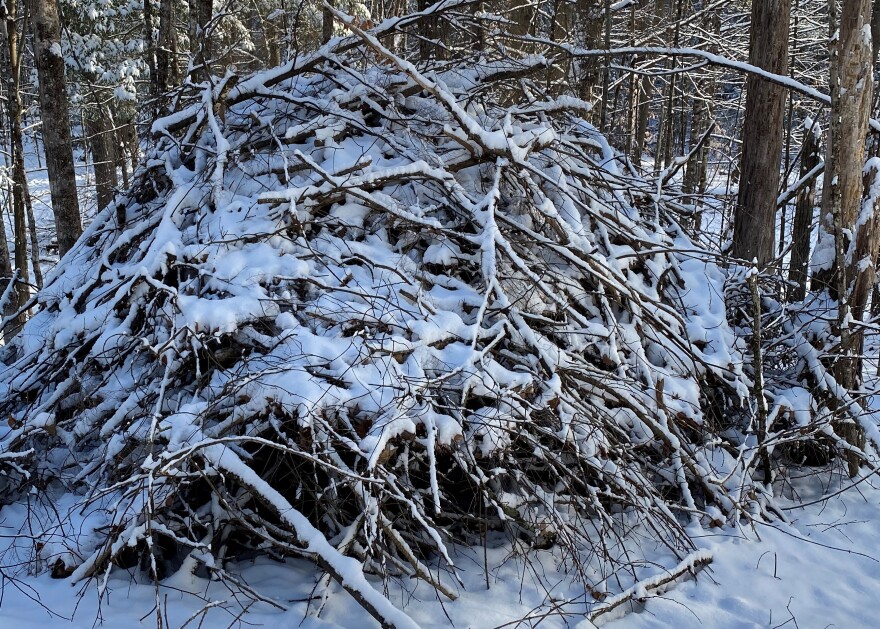
Key Insights
- Nature as a Catalyst: The woodpile, set against the backdrop of a frozen swamp, reveals nature’s role in reclaiming human effort.
- Human Labor and Legacy: Every chopped log and arranged pile speaks of human endeavor; the decay underscores the ephemeral quality of our creations.
- Interpretations and Ambiguity: The poem’s ambiguity invites multiple interpretations, acknowledging both purpose and apparent purposelessness.
Understanding the Parable
Robert Frost’s “The Wood-Pile,” though not traditionally labeled a parable, operates in a similar vein as it uses the simplicity of nature to elucidate profound themes. The poem unfolds as the speaker embarks on a solitary walk through a frozen swamp, encountering an abandoned woodpile. This encounter serves as the fulcrum for the speaker’s introspection and the poem’s multi-layered symbolism.
The Setting and the Symbolism
The Frozen Swamp and Its Mystique
The journey begins in a frozen swamp—a landscape both harsh and captivating. This environment, stark in its wintery desolation, acts as a metaphor for the indifferent forces of nature which persist regardless of human intervention. Within this frozen realm, the solitary woodpile stands as an anomaly: a product of human labor that has been forsaken. The swamp's frozen state contrasts sharply with the warm implications of the woodpile's past purpose, hinting at the decay that follows even the most purposeful of human endeavors.
The Wood-Pile as a Multifaceted Symbol
At the heart of the parable is the woodpile itself—a symbol with several layers of meaning. On one level, it represents the human capacity for creation and the outward manifestation of labor, skill, and purpose. On another, it is a symbol of decay and abandonment, echoing the inevitable dissolution of any human endeavor over time. The woodpile's neat construction, a product of purposeful work, contrasts sharply with its subsequent neglect, invoking questions about the nature of human intention versus the relentless march of time and nature.
Themes of Labor, Decay, and Abandonment
Human Labor and Its Transience
One of the central themes in “The Wood-Pile” is the transient nature of human labor. The poem invites us to reflect on the heedless passage of time that renders even our most deliberate efforts subject to decay. The woodpile, painstakingly assembled yet left to erode gradually, mirrors the human condition — where every act of creation or labor, no matter how fervent or meaningful, is ultimately transient. The imagery of decay, captured in phrases like "slow smokeless burning of decay," further accentuates this theme by suggesting that decay has its own form of gentle, perpetual existence even amidst neglect.
Abandonment and the Search for Meaning
Abandonment is a recurring motif in the poem. The sudden and unexplained neglect of the woodpile forces both the speaker and the reader to contemplate the reasons behind the forsaken human endeavor. Was the creator simply tired of the labor, or did tragedy and circumstance dictate that the task was left incomplete? This ambiguity is essential—it offers a reflection on the unpredictability of human life. The woodpile thus becomes a canvas onto which we project our own musings about legacy, regret, and the enigmatic nature of purpose.
Interpreting the Parabolic Elements
Parables Intended for Reflection
Parables are narratives endowed with layers of meaning designed to morally or philosophically instruct. Although “The Wood-Pile” is primarily recognized as a poem, its structure and thematic depth possess the qualities of a parable. The seemingly simple story of encountering a decomposing pile of wood is imbued with deeper notions of impermanence, fate, and the ephemeral nature of our accomplishments.
The poem’s parable-like dimensions lie in its open-ended invitation to introspection. The speaker’s journey through the frozen swamp mirrors an internal odyssey—a recognition of the inevitable loss that follows human effort. The woodpile, in this reading, stands as a metaphor for the remnants of what we build during our lives. Whether viewed as a testament to industriousness or a harbinger of inevitable decay, the woodpile challenges us to search for meaning within the seeming contradiction of purpose and abandonment.
Dual Perspectives on the Creator's Fate
An interesting aspect of the poem is its dual interpretation of the woodpile’s creator. On one hand, the poem hints at the possibility that the creator was a driven individual, constantly compelled to turn away from one task to embrace another. This interpretation suggests a life devoted to continual progress, yet it also implies a lack of closure or a failure to complete what was once initiated. On the other hand, the woodpile may evoke sympathy, hinting at a tragic abandonment perhaps forced by unforeseen circumstances. Both perspectives contribute to the parable’s richness by reflecting the complexities inherent in the human experience: we are often caught between the pursuit of new beginnings and the reluctance to let go of what has been abandoned.
Structural Elements and Literary Devices
Form and Verse
“The Wood-Pile” is primarily written in blank verse, a form that uses unrhymed iambic pentameter. This choice not only lends the poem a natural, conversational quality but also aligns with its thematic exploration of natural order and human labor. The unstructured stanza format contributes to the feeling of a continuous, unending journey—a metaphor for life itself, where nothing is strictly compartmentalized, and every moment bleeds into the next.
Imagery and Symbolism
Frost employs potent imagery throughout the poem. The stark, frozen landscape contrasts with the closely arranged, meticulously built woodpile, reinforcing the idea that even the most carefully curated human endeavors are subject to the inexorable forces of decay. The vivid visual of a small bird cautiously navigating the scene further adds to the layer of symbolism, representing a fragile spark of life and awareness within a vast, indifferent universe.
Use of Ambiguity
The poem’s ambiguous narrative style is key to its parabolic depth. Frost deliberately leaves room for multiple interpretations, ensuring that the woodpile becomes a symbol that resonates differently with each reader. The ambiguity regarding the woodpile’s origin and the fate of its creator heightens the poem’s reflective quality, prompting readers to confront their own preconceptions about purpose, creation, and the natural cycle of decay.
Table of Themes and Interpretations
| Theme | Description | Symbolic Element |
|---|---|---|
| Nature’s Indifference | The frozen swamp symbolizes the relentless, indifferent forces of nature that reclaim human efforts. | Frozen swamp, decaying woodpile |
| Transience of Labor | The woodpile represents the ephemeral nature of human endeavors, highlighting the inevitability of decay even in purposeful creation. | Abandoned woodpile, smokeless decay |
| Duality of Human Motivation | The ambiguity surrounding the creator’s intentions allows readers to consider whether the pursuit of continuous progress is noble or tragic. | Creator's potential motives, unfinished work |
| Search for Meaning | The unexpected encounter with the woodpile forces introspection about life’s transient achievements and the nature of legacy. | The paradox of decay and persistence |
Reflective Analysis of the Parable Elements
Interplay Between Human Effort and Natural Decay
One of the most compelling aspects of “The Wood-Pile” is its examination of how human creations are inevitably reclaimed by nature. The carefully constructed woodpile, once a testament to human labor, is slowly consumed by the elements. This process of decay does not erase the memory of human effort but rather recasts it within a broader narrative of natural cycles. Frost uses this interplay not to devalue effort, but to highlight the humility inherent in our relationship with nature—a relationship marked by both ambition and inevitable decay.
Human Legacy and the Burden of Memory
The idea of legacy looms large in the poem. The woodpile may be seen as an unfinished monument to a moment of human endeavor, waiting to be remembered or forgotten. It reflects the paradox of human existence in which every act of creation carries with it the seeds of eventual erosion. The lingering warmth from the decaying wood suggests that even in the midst of decay, remnants of our past contributions continue to influence the present environment, providing subtle but enduring effects.
Ambiguity and the Role of Perspective
Frost’s deliberate ambiguity also invites readers to project their own experiences and interpretations onto the poem. The woodpile's undefined origin or the uncertain intention behind its abandonment leaves a narrative gap that is filled differently by every reader. This subjectivity is what makes the poem rich in its parabolic qualities; it is not prescriptive in its moral or message but encourages a meditative, personal inquiry into the struggles and transient triumphs of human life.
Literary Significance and Enduring Relevance
A Timeless Reflection on Human Endeavor
“The Wood-Pile” remains a significant work due to its universal exploration of themes that resonate across time. Whether one views the poem as a meditation on decay, a reflection on lost opportunities, or a parabolic recounting of the fleeting nature of human effort, its themes continue to be relevant. In today’s fast-paced world, where transient digital legacies often supplant tangible efforts, Frost’s exploration of the ephemeral nature of human creativity and labor stands as a poignant reminder to appreciate and understand both our accomplishments and our eventual fading into oblivion.
Bridging the Gap Between Nature and Society
By setting the narrative in the stark, indifferent environment of a frozen swamp juxtaposed against the warm recollections of a human-made woodpile, Frost bridges the gap between the external forces of nature and the internal struggles of the human spirit. This synthesis of natural imagery and human emotion provides fertile ground for contemplating our roles as creators and ephemeral participants in a broader ecological cycle—one where every achievement ultimately succumbs to the passage of time.
References and Further Exploration
- The Wood-Pile - Poem Analysis
- The Wood-Pile - LitCharts
- The Wood-Pile - Poetry Foundation
- The Wood-Pile Summary - English Literature
-
The Wood-Pile - SparkNotes
Recommended Further Queries
 andrewblang.wordpress.com
 timeandreflections.wordpress.com
Last updated March 18, 2025