
Balancing Work Productivity and Personal Well-Being
Discover effective strategies for a healthier, more efficient work-life integration
Key Highlights
- Structured Scheduling and Boundaries: Create clear work routines with dedicated time for relaxation and self-care.
- Mindfulness and Physical Health: Integrate mental and physical well-being techniques to sustain long-term productivity.
- Environment and Tools Optimization: Set up a workspace that minimizes distractions and use technology to streamline tasks.
Introduction
In today's fast-paced environment, striking the right balance between work productivity and personal well-being is essential for long-term success, both professionally and personally. Many individuals struggle to maintain efficiency at work without sacrificing their health and personal relationships. However, a well-rounded strategy that integrates time management, mindfulness, and physical health can help you achieve a sustainable balance. This comprehensive guide explores the various strategies and insights to boost productivity while ensuring overall well-being.
The Importance of Balance
A balanced approach to work and personal life offers numerous benefits such as enhanced focus, reduced stress, improved physical health, and enriched personal relationships. When you are well-rested and engaged in self-care routines outside of work, your cognitive functions and decision-making abilities improve, which in turn boosts productivity. It is also essential for reducing the risk of burnout, which has become a common issue in modern work environments. Moreover, balancing these aspects helps maintain a positive work environment and increases overall job satisfaction.
Strategies for Boosting Work Productivity
Work productivity is not just about working long hours but making effective use of the time you have. Here are the key strategies:
Focused Task Management
Single-Tasking
Multitasking might seem efficient, but studies demonstrate that juggling multiple tasks often leads to decreased performance and increased mental fatigue. The concept of single-tasking involves focusing exclusively on one task at a time, which helps improve concentration and efficiency. Prioritize the most impactful tasks first, dedicating uninterrupted time blocks to complete them.
Utilizing Techniques like Pomodoro
The Pomodoro Technique, where you work in 25-minute intervals followed by 5-minute breaks, can significantly enhance focus and prevent burnout. These intervals help in breaking larger tasks into manageable sessions, ensuring that energy levels remain high throughout the day. Adopting such time management methods ensures that you are honing your focus on one subject at a time with periodic recovery periods.
Time Management and Scheduling
Time Blocking
Time blocking is a scheduling method that involves dividing your day into blocks of time dedicated to specific tasks or activities. It helps in creating a structured day where each period is reserved for critical work, meetings, or personal tasks. Allocating time in this manner reduces the tendency to procrastinate and helps maintain a clear focus on what needs to be accomplished.
Setting Clear Goals
Daily, weekly, and even monthly goals provide a roadmap to success. Establishing clear goals not only motivates you but also serves as a benchmark to measure progress. When goals are defined and time-framed, decision-making becomes more straightforward, and prioritizing tasks is easier. Clearly structured goals also aid in identifying which tasks deserve your primary attention.
Optimizing Your Workspace
Decluttering and Personalizing
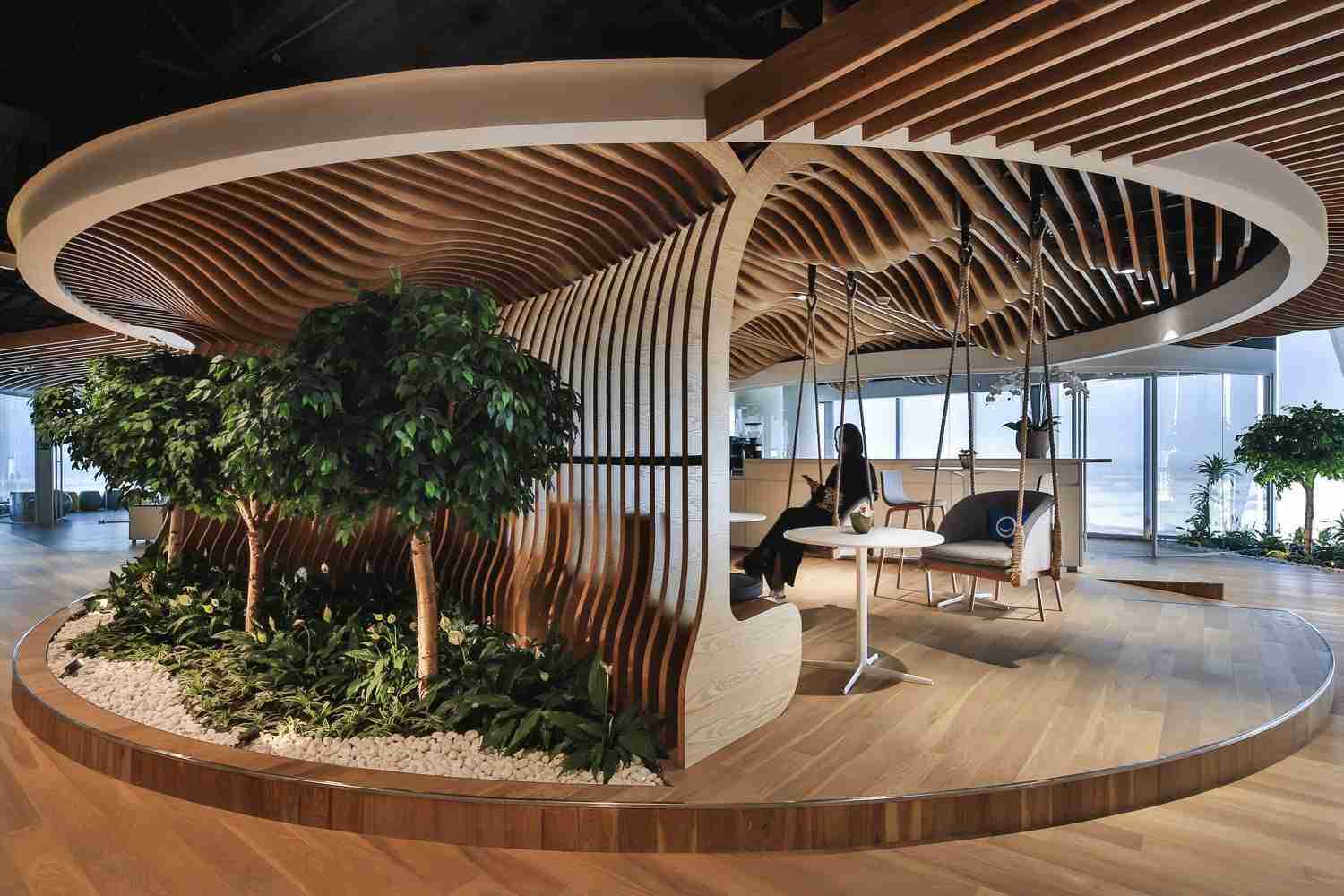
A well-organized, decluttered workspace can significantly enhance concentration and cognitive function. Adding elements like plants, inspirational decor, and ergonomic tools can create an environment that stimulates creativity and reduces stress. A tidy environment minimizes distractions and helps maintain focus on the task at hand.
Minimizing Digital Distractions
In today’s digital environment, interruptions from notifications and emails are a major productivity deterrent. Limiting digital intrusions—by working on tasks during periods when notifications are turned off, or by using tools to block distracting websites—can greatly improve concentration and overall work output.
Strategies for Enhancing Personal Well-Being
While work productivity is crucial, personal well-being forms the foundation for long-term success and happiness. Integrating practices that enhance mental and physical health is essential for maintaining a balanced life.
Physical Health Practices
Regular Exercise
Engaging in regular physical activity is one of the most effective ways to boost mood, improve energy levels, and reduce stress. Even short bursts of exercise, such as a brisk walk during lunch or quick stretching routines between tasks, can have a profound impact on your overall health. Exercise stimulates the production of endorphins, known as the "feel-good" hormones, which play a key role in enhancing mental clarity and reducing anxiety.
Balanced Nutrition and Hydration
Maintaining a balanced diet is crucial for ensuring that your body has the necessary nutrients to support work productivity and personal vitality. Incorporate a variety of fruits, vegetables, lean proteins, and whole grains into your diet. Additionally, staying well-hydrated throughout the day supports cognitive function and helps prevent fatigue.
Quality Sleep
Quality sleep is fundamental to both productivity and overall well-being. Aim for 7-9 hours of uninterrupted sleep per night to allow your body and mind to recover. Developing a consistent bedtime routine can help signal to your body that it’s time to wind down, thereby improving the quality of your sleep and ensuring that you wake up refreshed.
Mental Health Practices
Mindfulness and Meditation
Mindfulness practices, including meditation and deep-breathing techniques, are powerful tools for managing stress and improving mental health. By dedicating a few minutes each day to mindfulness, you create space to center your thoughts and reduce the anxiety associated with constant work pressures. This practice not only improves focus but also promotes a sense of calm and control over your emotional state.
Stress Management Techniques
Regular breaks and stress management techniques, such as yoga, progressive muscle relaxation, and even simple stretching exercises, play crucial roles in preserving mental well-being. Taking time to periodically disconnect from work allows you to re-center and prevents stress from accumulating over the day. It is essential to listen to your body and incorporate strategies that help relieve tension as soon as it arises.
Social Engagement and Relationships
Social connections are vital for emotional well-being. Regularly engaging with family, friends, or colleagues on a personal level can provide support and enhance your mood. Whether it’s joining community events, volunteering, or simply spending quality time with loved ones, nurturing these relationships fosters a sense of belonging and helps balance the demands of work.
Practical Techniques to Integrate Productivity and Well-Being
Achieving balance between work productivity and personal well-being requires practical techniques that facilitate a smooth transition between the two realms. Implementing daily routines that incorporate both work and relaxation elements can significantly impact your overall performance and happiness.
Creating a Balanced Routine
End-of-Work Rituals
Transitioning from a work mindset to a personal one can be challenging. Establishing a consistent end-of-work routine—such as shutting down your computer, turning off notifications, or taking a short walk—signals your brain that it is time to unwind. This clear boundary between work and leisure time prevents work-related stress from spilling over into your personal life.
Daily and Weekly Planning
Structured planning is essential. Consider outlining both your work tasks and personal activities at the start of each day or week. Using planning tools such as calendars, to-do lists, or dedicated productivity apps can help map out your daily activities. By organizing your time into work and personal segments, you ensure that you allocate sufficient time for professional responsibilities as well as activities that rejuvenate you.
Workspace and Environment Optimization
Ergonomic and Inspiring Work Areas
The design of your workspace has a direct effect on your productivity and mood. An ergonomic workspace reduces physical strain, while elements like natural light, comfortable seating, and aesthetic touches can turn a routine office into an inspiring environment. Ensure that your work area is free from unnecessary clutter and is arranged in a way that promotes clear thinking and efficiency.
Embracing Technology for Balance
Today’s technology provides numerous tools designed to improve both work performance and well-being. Use apps that help reduce digital distractions, schedule breaks, or track your work patterns. Automating repetitive tasks through technology allows you to focus on more valuable and creative aspects of your work. By leveraging these tools, you reduce the mental load while also reinforcing a habit of regular breaks and diversified tasks.
Comparative Overview
The table below outlines a comparative overview between essential work productivity strategies and corresponding well-being techniques, providing a quick reference to maintain balance in your daily life.
| Productivity Strategy | Well-Being Technique |
|---|---|
| Single-Tasking and Focused Work | Mindfulness and Meditation Practices |
| Time Blocking and Goal Setting | Structured Sleep and Self-Care Routines |
| Decluttered and Optimized Workspace | Ergonomic Environment and Physical Exercise |
| Technology Integration for Efficiency | Digital Detox and Stress Management Techniques |
| Regular Breaks using Techniques like Pomodoro | Regular Exercise and Nutritional Balance |
Addressing Common Challenges
Despite understanding the benefits, many people face challenges when trying to balance work and personal well-being. Overcommitting to work often leads to neglect of self-care routines, while lack of discipline in maintaining a schedule might reduce overall efficiency. Addressing these common challenges involves understanding your own work habits, identifying your most productive and vulnerable times during the day, and instituting methods to safeguard your personal time.
Overcoming Work Overload
Delegation and Automation
One of the most effective approaches to manage work overload is learning to delegate tasks whenever possible. Automation tools reduce the time spent on repetitive administrative tasks, freeing you to concentrate on high-value projects. By reassigning less critical activities to digital solutions or team members, you can significantly reduce stress and create more breathing space in your schedule.
Setting Firm Boundaries
Enforcing strict work boundaries helps prevent the encroachment of work into personal time. This not only improves productivity by providing clear work intervals but also ensures that you have ample time for relaxation and self-care. Communicate your work hours clearly with colleagues and family members to ensure everyone respects the time you have set aside for rejuvenation.
Maintaining Motivation and Self-Discipline
Reviewing Progress Regularly
Keeping track of your progress through regular reviews can reinforce both productivity and personal health habits. At the end of each day or week, reflect on what was accomplished and what areas might need adjustments. Setting aside time for these reflections not only helps in identifying what strategies are working but also motivates you to sustain beneficial routines.
Seeking Professional Guidance
At times, the pressure to balance work and personal life can be overwhelming. In such instances, seeking advice from professional coaches or mental health experts can provide tailored strategies to manage stress, enhance efficiency, and ensure personal well-being. Counseling and mentorship often play critical roles, particularly when navigating career transitions or experiencing high stress levels.
Integrative Techniques for Long-Term Success
A long-term balanced lifestyle is built on a foundation of continuously integrating productivity and well-being practices into your daily routine. Here are additional integrative techniques that can sustain this balance over time:
Regular Life Audits
Health and Productivity Check-ups
Much like periodic medical check-ups, regular evaluations of your productivity and well-being can help you understand where improvements are needed. Engage in life audits by assessing your physical health, mental state, and work satisfaction. This process involves both self-reflection and possibly even feedback from trusted colleagues and family members.
Adapting to Change
Flexibility in Routines
Life is dynamic, and so should be your approach to balancing work and well-being. Circumstances such as changes in work conditions, health challenges, or family commitments may require a reevaluation of your routine. Being open to change and maintaining a flexible mindset allows you to adapt without losing the overall structure that keeps your productivity and health on track.
Building a Support System
Community and Organizational Support
At both the individual and organizational level, fostering a strong support system is paramount. This can include mentors, colleagues, and wellness programs offered at work. Shared experiences and group activities often provide the motivation needed to handle challenging periods. When supportive networks are in place, they not only help in addressing work-related issues but also contribute significantly to overall personal satisfaction.
Moreover, incorporating personal development initiatives—such as hobbies, volunteering, or creative pursuits—into your routine can stimulate growth and help maintain balance. These activities often provide an important counterbalance to work stress, serving as creative outlets that enhance cognitive agility and emotional well-being.
A Holistic Approach to Balance
Achieving a balance between work productivity and personal well-being demands a holistic approach that considers the interdependence between the two. Both aspects feed into each other; high productivity fuels personal satisfaction, while well-being contributes to a more efficient and focused work performance. This balance is not a one-time fix but a continuous journey requiring self-awareness, discipline, and adjustment.
By prioritizing both work-related achievements and personal health practices, you nurture a lifestyle where the achievements in one realm feed into the other. When you strike this balance, you create a virtuous cycle of success and happiness that can sustain long-term career growth and personal fulfillment.
Conclusion and Final Thoughts
Balancing work productivity with personal well-being is not an optional luxury but a necessary strategy to thrive in today’s demanding work environment. The integrated strategies discussed—from focused time management and workspace optimization to mindfulness practices and boundary setting—serve as the cornerstone for sustaining long-term success. Whether you are an individual seeking a more fulfilled life or an employer wanting to foster a productive and healthy workforce, these approaches form a comprehensive framework.
Long-term balance is achieved through continuous evaluation, flexibility, and a commitment to your personal and professional growth. Embrace and continually adapt these strategies to build a lifestyle that not only values your achievements but also prioritizes your well-being. This harmonious blend will ultimately lead to enhanced mental and physical health, increased work efficiency, and a higher quality of life.
References
- 10 Simple Ways To Become More Productive at Work - Indeed
- 25 Top Tips for Work Productivity from Home - Upwork
- Tips to Improve Your Emotional Well-Being - CDC
- Emotional Wellness Toolkit - NIH
- How to Improve Your Mental Wellbeing - Mind
- Increase Your Productivity: 10 Tips for Productive Working - OVB
Recommended Related Queries
Last updated February 22, 2025