
Comparing a Workshop Full of Machinery and a Classroom Full of Students
A comprehensive comparison of environments, purposes, and methodologies
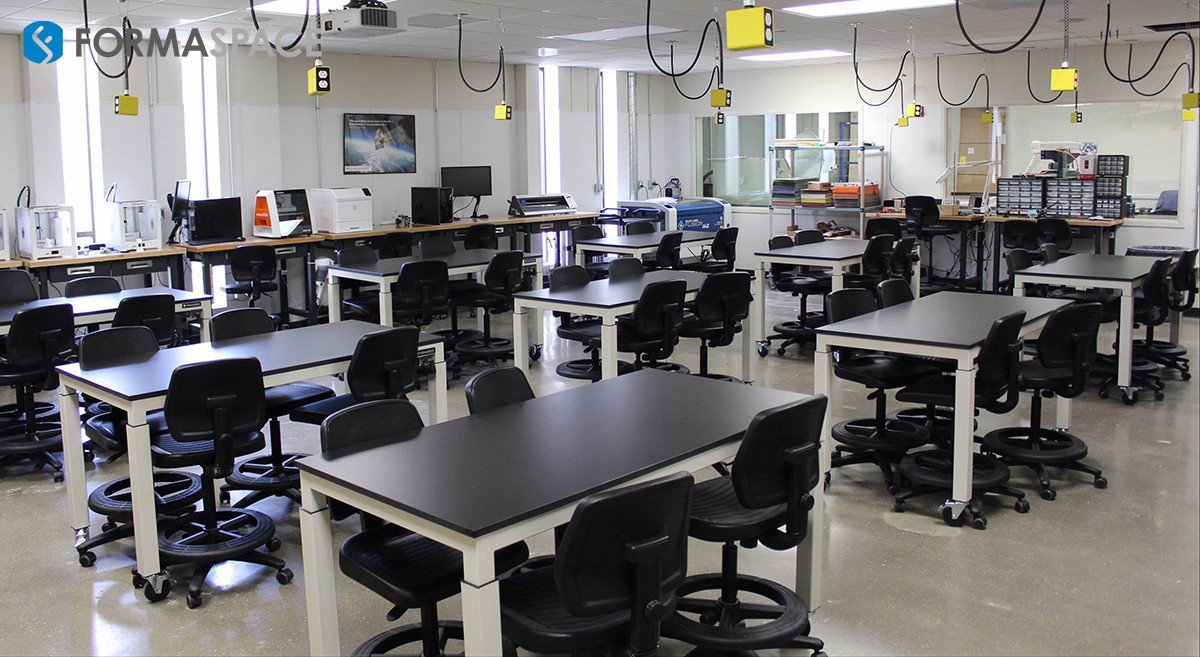
Key Highlights
- Practical vs. Theoretical Focus: Workshops excel in practical, hands-on learning while classrooms emphasize theory and discussion.
- Environment and Safety: Workshops require rigorous safety protocols and spatial design for heavy equipment, unlike traditional classroom settings.
- Learning Methods and Organization: Both settings utilize unique teaching methodologies tailored to their specific goals, with workshops promoting experiential learning and classrooms fostering intellectual exploration.
Introduction
In educational and training settings, both workshops filled with high-end machinery and classrooms brimming with enthusiastic students serve the purpose of knowledge transmission and skill development. However, they offer distinct learning experiences and cater to different needs. In this detailed comparison, we explore the unique characteristics of each environment, focusing on learning styles, physical spaces, roles of participants, safety considerations, and the various teaching methods utilized in each setting.
Understanding the Environment
Workshops: A Hub for Practical Learning
Workshops are typically designed to facilitate hands-on, practical learning. They are often filled with heavy machinery, specialized tools, workstations, and equipment that require operation by skilled personnel. The main focus in a workshop is to develop technical proficiency through direct interaction with materials and machines.
Physical Space and Layout
A workshop is generally a large, open space that is organized in such a way that multiple workstations or machinery units can be operated simultaneously. These settings necessitate a careful layout to ensure smooth workflow, optimal safety, and easy access to the necessary tools and equipment. The environment is engineered for the physical demands of the work, which includes adequate ventilation, proper lighting (often between 500 to 1000 lux), and clearly marked zones to separate different types of activities.
Safety Considerations
Safety in workshops is paramount due to the presence of potentially dangerous machinery and tools. Personal Protective Equipment (PPE) such as goggles, gloves, helmets, and hearing protection is mandatory for anyone operating or working in proximity to heavy machinery. Strict safety protocols are in place, which may include regular maintenance checks, safety drills, and training sessions. In many cases, instructors in workshops are specialized professionals trained not only to instruct but also to manage emergencies.
Teaching Methods and Learning Objectives
In workshops, learning is largely experiential, meaning that learners acquire skills by directly engaging with the tasks at hand rather than solely through theoretical instruction. The focus is on learning by doing: whether it’s fine-tuning a CNC machine or mastering the use of CAD/CAM technologies, the objective is to transition theoretical knowledge into practical application. This shift from theory to practice enhances retention and deepens understanding of complex technical concepts.
Classrooms: The Intellectual Arena
In contrast to workshops, traditional classrooms are structured primarily for theoretical learning, discussion-based interaction, and intellectual exploration. Classrooms are typically smaller, more enclosed environments where students work in close proximity to one another. The focus here is on the transmission of knowledge through lectures, group discussions, and academic engagement.
Physical Space and Layout
A classroom is generally designed with rows of desks or tables, a prominent instructor’s desk or podium, and various digital or print resources. This configuration is meant to create a conducive environment for learning where each student has a defined space for note-taking and attention. A classroom setting is less focused on large-scale physical operations and more on creating an atmosphere that encourages discussion, debate, and academic inquiry.
Safety and Organization
Although safety is always a concern in any educational setting, classrooms typically have lower physical hazards compared to workshops. The priority in classrooms is ensuring an organized environment that supports the mental and emotional well-being of students. Organizational aspects such as seating arrangements, noise management, and the maintenance of an orderly space are emphasized to ensure that learning is not disrupted.
Teaching Methods and Learning Approaches
Classrooms are often oriented towards a balanced combination of teaching methodologies. Traditional lecture-based formats are enriched with discussions, interactive engagements, and sometimes digital or multimedia components. The goal is to foster critical thinking, debate, and collaborative learning among students. Assessments in classrooms might include quizzes, exams, essays, and group projects, which are designed to evaluate the understanding of the theoretical foundations behind the subject matter.
Side-by-Side Comparison
Comparative Table
| Aspect | Workshop with Machinery | Classroom with Students |
|---|---|---|
| Primary Focus | Practical hands-on learning and skill development | Theoretical knowledge and academic discussion |
| Physical Layout | Open, large space with machines and workstations | Defined seating arrangements with a teacher-centric design |
| Safety Requirements | Strict adherence to safety protocols; use of PPE and machinery safety norms | Ensuring an orderly environment with emphasis on mental and physical well-being |
| Learning Methodologies | Experiential learning through the direct use of tools and practical tasks | Interactive pedagogies including lectures, discussions, and assessments |
| Instructor Role | Specialized vocational instructors skilled in machinery operation and technical demonstrations | Educators focused on delivering theoretical content, facilitating discussions, and overseeing group activities |
| Student Engagement | Active, self-directed engagement in projects with immediate feedback on performance | Primarily guided, with structured classroom management and scheduled interactions |
| Equipment and Tools | Heavy machinery, lathes, CNC machines, CAD/CAM systems, and other specialized equipment | Textbooks, interactive whiteboards, computers, and multimedia tools |
Deep Dive: Learning Styles and Pedagogical Impact
Experiential Learning in Workshops
In a workshop setting, the learner is immersed in an environment where the act of doing is paramount. This hands-on approach can lead to a quicker and more intuitive grasp of practical skills. The process of learning in a workshop involves:
- Direct Application: Learners immediately apply theoretical concepts to tangible tasks, which enhances memory retention and understanding.
- Immediate Feedback: Instructors observe and provide on-the-spot corrections, allowing learners to adjust techniques in real time.
- Skill Refinement: Repeated practice and exposure to machinery help in refining techniques and building muscle memory.
- Problem-Solving: Encountering real-world challenges in a controlled environment cultivates critical thinking and adaptive problem-solving skills.
Such experiential learning is vital for disciplines that require precision and hands-on abilities. The permanent feedback loop and opportunity to practice in a safe environment build not only confidence but a robust set of transferable skills.
Cognitive Engagement in Classrooms
Classrooms encourage cognitive engagement through a mixture of instructional methodologies that stimulate intellectual curiosity. The features of classroom-based learning include:
- Theoretical Analysis: Students explore, debate, and analyze theories that provide a foundational understanding of subjects.
- Collaborative Learning: Group discussions and team projects promote social learning and the exchange of ideas.
- Structured Curriculum: A well-organized syllabus and scheduled lectures help reinforce a systematic approach to acquiring knowledge.
- Assessment Driven: Evaluations through tests, assignments, and projects ensure a constant measure of academic progress and comprehension.
These classroom dynamics are key in fields where theoretical knowledge underpins further practical application. The cognitive challenges posed stimulate abstract thinking capabilities and enable a structured accumulation of information.
Roles and Responsibilities
Instructors and Facilitators
The role of the instructor in either environment dictates the educational experience. In workshops, instructors are specialized professionals whose expertise extends beyond theoretical knowledge. Their duties include:
- Demonstrating Equipment Use: Instructors demonstrate how to operate machinery safely and efficiently.
- Ensuring Compliance: They are responsible for enforcing strict safety protocols and ensuring all procedures are followed meticulously.
- Guiding Experiential Learning: By closely monitoring practical exercises, they provide immediate feedback that is essential for skill refinement.
In contrast, classroom instructors focus on delivering curriculum and fostering an environment where students feel comfortable engaging in critical discussions. Their responsibilities include:
- Facilitating Discussions: They play a critical role in promoting group discussions, thereby encouraging multiple perspectives.
- Structured Content Delivery: Classroom teachers ensure that every topic is thoroughly explored through lectures, readings, and interactive exercises.
- Academic Evaluation: They also prepare students for assessments by providing clear guidelines and structured feedback on academic progress.
Operational Considerations
Inventory of Tools and Equipment
An important operational aspect of comparing these two environments lies in the management and operation of physical resources. In workshops, a significant portion of the budget and planning is allocated to maintaining machinery and ensuring that every piece of equipment is in good working order. This includes regular servicing, calibration checks, and the maintenance of safety equipment. Advanced machinery requires a dedicated support system that is both technically and administratively managed.
Meanwhile, classrooms invest in resources that promote digital learning and provide academic support. Modern classrooms are often equipped with interactive whiteboards, computers, and internet access, which facilitate multimedia resources and digital learning platforms. These investments help create a dynamic learning environment conducive to modern pedagogical demands.
Curricular Balance and Pedagio
Another operational dimension is the balance between theoretical and practical learning within a single curriculum. Workshops by their very nature emphasize process-oriented tasks and immediate application of skills. This directly influences the structure of their curriculum, which is often more fluid and tailored to the pace at which students master practical skills.
In classrooms, curriculums are structured, with set timelines and milestones that ensure wide-ranging theoretical concepts are thoroughly covered. The balance here is maintained by integrating project-based assignments that occasionally incorporate practical elements, thereby bridging the gap between theory and practice.
A Comparative Summary: Synthesis of Insights
Integrating Best Practices
To effectively compare a workshop with machinery and a classroom with students, it is useful to appreciate both the distinctions and the potential for integrating their best practices. While each environment is optimized for its particular purpose, there is an emerging trend in education to combine the strengths of both approaches. For example, many modern educational programs incorporate hands-on workshops within a broader classroom curriculum to provide a more holistic learning experience. This synthesis ensures that students have the opportunity to apply theoretical principles in real-world projects—an arrangement that prepares them for both academic success and practical competence.
This integrative approach is particularly evident in vocational and technical education programs, where theoretical knowledge from classroom lectures is immediately reinforced through assignments in well-equipped workshops. Such programs are designed to foster a well-rounded skill set, ensuring that students are not only able to understand abstract concepts but also apply them practically.
References
- 10 Essential DT Workshop Equipment & Machinery - Learning Space Solutions
- Use of Machinery and Equipment in School Workshops - Design Technology
- Online Course vs. Workshop - DigitalDefynd
- Workshop Safety Booklet - McGill Engineering
- Influence of Classroom Environment on Learning - Academia.edu
Recommended Queries for Further Exploration
Last updated March 21, 2025