
Comprehensive Workshop Safety Rules
1. Personal Protective Equipment (PPE)
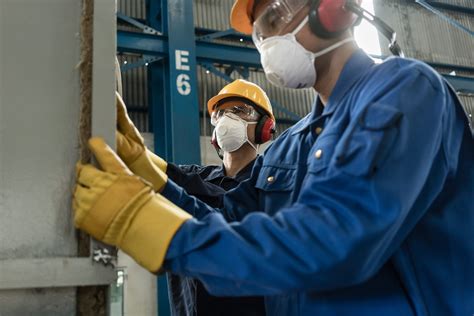
Ensuring the proper use of Personal Protective Equipment (PPE) is paramount in maintaining a safe workshop environment. PPE acts as the first line of defense against potential hazards that can cause injuries or long-term health issues.
a. Eye Protection
Wearing safety glasses or goggles is essential to protect your eyes from flying debris, sparks, and harmful chemicals. Always ensure that the eye protection fits properly and provides full coverage.
b. Hearing Protection
Exposure to loud machinery can lead to hearing loss over time. Use earplugs or earmuffs when operating or working near loud equipment such as saws, grinders, and compressors.
c. Hand Protection
Gloves protect your hands from cuts, abrasions, chemical burns, and electrical hazards. Select gloves appropriate for the task, whether it involves handling sharp objects, chemicals, or operating machinery.
d. Foot Protection
Closed-toe shoes, preferably with steel toes, are crucial to protect your feet from heavy falling objects, sharp tools, and chemical spills. Rubber-soled shoes provide good traction to prevent slips and falls.
e. Protective Clothing
Wearing appropriate clothing, such as long pants and fitted shirts, helps prevent entanglement in machinery and reduces the risk of burns from sparks or hot materials. Avoid loose garments that can get caught in moving parts.
2. Appropriate Attire
Proper attire is critical in reducing the risk of accidents and ensuring personal safety in the workshop.
- Avoid loose or flammable clothing that can easily catch fire or become entangled in machinery.
- Secure long hair and remove jewelry to prevent them from getting caught in moving parts.
- Ensure all clothing fits well and does not obstruct movement or visibility.
3. Cleanliness and Organization
A clean and organized workspace minimizes the risk of accidents by reducing clutter and ensuring that tools and materials are easily accessible.
a. Maintaining Cleanliness
- Regularly clean the workshop to remove dust, debris, and spills that can cause slips, trips, and falls.
- Dispose of waste materials promptly and in accordance with safety regulations.
b. Organizing Tools and Materials
- Store tools in their designated places after use to prevent damage and loss.
- Ensure that all materials are clearly labeled and stored in a manner that prevents accidental mixing or contamination.
- Keep walkways and work areas free of obstacles to allow for safe movement throughout the workshop.
4. Tool and Machine Safety
Proper use, maintenance, and storage of tools and machines are essential to prevent accidents and ensure longevity of equipment.
a. Using Tools Correctly
- Use tools only for their intended purposes to avoid malfunction and accidents.
- Follow the manufacturer's instructions and guidelines when operating machinery.
- Do not bypass safety features or guards on tools and machines.
b. Inspecting Tools and Machines
- Before each use, inspect tools and machines for any signs of damage or wear.
- Ensure that all safety guards and devices are in place and functioning correctly.
- Report and remove any defective equipment from service immediately.
c. Maintaining Tools and Machines
- Regularly clean and maintain tools to ensure they remain in good working condition.
- Sharpen blades and replace worn parts as needed to maintain efficiency and safety.
- Store tools and machines in dry, secure locations to prevent rust and damage.
5. Electrical Safety
Electrical hazards are a significant risk in workshop environments. Proper handling and maintenance of electrical equipment are crucial to prevent electrical accidents.
- Inspect all electrical cords and plugs for signs of wear, fraying, or damage before use.
- Keep electrical cords away from heat sources, water, and moving parts to prevent damage and short circuits.
- Use heavy-duty extension cords and ensure they are properly rated for the equipment being used.
- Never overload electrical outlets and use proper grounding techniques to enhance safety.
- Unplug machines and tools when not in use or when performing maintenance to eliminate the risk of electric shock.
6. Fire Safety
Preventing and responding to fires is essential to maintain a safe workshop. Proper fire safety measures can significantly reduce the risk of fire-related accidents.
- Keep the workshop free from combustible materials such as sawdust, paper, and flammable liquids.
- Store flammable materials in designated, well-ventilated storage areas away from ignition sources.
- Ensure that fire extinguishers are easily accessible, regularly maintained, and that all staff know how to use them.
- Install smoke detectors and fire alarms to provide early warnings in case of fire.
- Develop and practice an emergency evacuation plan so that everyone knows how to respond swiftly and safely in the event of a fire.
7. Emergency Procedures
Being prepared for emergencies can save lives and minimize injuries in the workshop. Clear and practiced procedures ensure a swift and effective response to unexpected events.
- Familiarize yourself with the locations of emergency exits, fire extinguishers, first aid kits, and emergency stops.
- Understand the workshop’s evacuation plan and participate in regular drills to reinforce proper response actions.
- In case of serious injury or accident, immediately call emergency services and notify the workshop supervisor.
- Report all accidents, no matter how minor, to help identify and rectify potential hazards.
8. Behavioral Safety and Conduct
Safe behavior and proper conduct contribute significantly to maintaining a safe workshop environment. Everyone shares the responsibility for safety.
- Avoid horseplay, running, and other distracting behaviors that can lead to accidents.
- Stay focused on your tasks and refrain from talking to others while they are operating machinery.
- Never leave tools or work parts unattended on tables or machine beds to prevent accidental injuries from slipping or falling objects.
- Encourage and support your colleagues in following safety protocols and addressing unsafe conditions.
9. Lockout/Tagout Procedures
Lockout/Tagout (LOTO) procedures are critical when performing maintenance or repairs on machinery. These procedures prevent the accidental start-up of machines, thus avoiding potential injuries.
- Always follow the established LOTO protocols before servicing equipment.
- Ensure that all energy sources are properly isolated and de-energized.
- Use appropriate locks and tags to secure energy isolating devices.
- Do not remove LOTO devices until it is safe to do so and you have confirmation that the equipment is secure.
10. Ventilation and Air Quality
Proper ventilation is essential to maintain air quality in the workshop, especially when working with chemicals or processes that produce dust and fumes.
- Ensure adequate ventilation systems are in place to remove harmful fumes, dust, and vapors.
- Use exhaust systems or fume hoods when handling hazardous materials or performing tasks like welding and painting.
- Regularly inspect and maintain ventilation equipment to ensure it operates effectively.
- Monitor air quality and implement additional controls if harmful levels of contaminants are detected.
11. Training and Awareness
Ongoing training and fostering awareness about safety protocols help maintain a culture of safety within the workshop.
- Participate in regular safety training sessions provided by the workplace to stay updated on best practices and safety regulations.
- Stay informed about new safety protocols, tools, and technologies that can enhance workshop safety.
- Encourage open communication about safety concerns and suggestions for improvement among all workshop members.
- Promote a culture where safety is prioritized over speed or convenience, ensuring that all tasks are performed with care and attention to detail.
12. Handling Hazardous Materials
Proper handling, storage, and disposal of hazardous materials are crucial to prevent accidents and environmental contamination.
- Always read and follow the Safety Data Sheets (SDS) for any chemicals or hazardous materials used in the workshop.
- Use appropriate PPE when handling hazardous substances to protect against exposure.
- Store hazardous materials in designated, well-ventilated areas away from incompatible substances.
- Label all containers clearly with the contents and associated hazards to prevent misuse and facilitate proper handling.
- Dispose of hazardous waste according to local regulations and guidelines to minimize environmental impact.
13. Specific Safety Measures for Various Tasks
Different tasks and processes within the workshop may require specific safety measures to address their unique hazards.
a. Metalworking
- Wear appropriate gloves and eye protection to guard against sharp edges and metal shards.
- Ensure proper ventilation when welding or cutting metal to avoid inhaling harmful fumes.
- Use clamps and secure workpieces firmly to prevent movement during cutting or grinding operations.
b. Woodworking
- Wear dust masks or respirators when sanding or cutting wood to protect against inhaling fine particles.
- Inspect wood for nails, screws, or other embedded objects before cutting to avoid tool damage and injury.
- Keep woodworking areas free from excess sawdust, which can be a fire hazard and respiratory irritant.
c. Welding and Cutting
- Use flame-resistant clothing to protect against sparks and heat.
- Ensure that welding equipment is properly maintained and that all connections are secure.
- Keep flammable materials away from the welding area to prevent accidental fires.
d. Grinding and Sanding
- Use appropriate safety guards and ensure they are in place before operating grinders and sanders.
- Wear dust respirators to protect against inhaling hazardous particles generated during grinding and sanding.
- Maintain a steady posture and secure grip to prevent accidents while operating these tools.
14. Proper Lifting Techniques
Incorrect lifting can lead to back injuries and other musculoskeletal problems. Adopting proper lifting techniques is essential for personal safety and productivity.
- Bend at the knees and hips, not at the waist, to use the strength of your legs when lifting heavy objects.
- Keep the object close to your body to reduce strain on your back.
- Avoid twisting your body while lifting; instead, pivot with your feet to turn.
- Use mechanical aids such as dollies or carts for transporting heavy or awkward loads.
- Request assistance when lifting objects that are too heavy or cumbersome to handle alone.
15. Tool Maintenance and Inspection
Regular maintenance and thorough inspections of tools ensure they remain safe and effective for use.
- Clean tools after each use to prevent the buildup of debris, rust, and other contaminants.
- Sharpen blades and replace worn parts promptly to maintain tool efficiency and safety.
- Inspect electrical tools for damaged cords or components before each use.
- Store tools in dry, secure locations to protect them from damage and unauthorized use.
- Dispose of defective or broken tools according to safety regulations to prevent accidental injuries.
16. Labeling and Signage
Clear labeling and appropriate signage contribute to workplace safety by providing essential information and warnings.
- Label all chemical containers with their contents and associated hazards to ensure proper handling.
- Use warning signs near high-risk areas, such as zones with moving machinery or hazardous materials.
- Ensure that emergency exits, fire extinguishers, and first aid kits are clearly marked and easily identifiable.
- Post safety instructions and guidelines in visible locations to remind staff of proper procedures.
17. Reporting and Documentation
Accurate reporting and documentation of accidents, near misses, and safety inspections help in identifying patterns and preventing future incidents.
- Immediately report any accidents, injuries, or unsafe conditions to a supervisor or designated safety officer.
- Maintain detailed records of all safety incidents to analyze trends and implement corrective measures.
- Document regular safety inspections and maintenance activities to ensure ongoing compliance with safety standards.
- Encourage an open-door policy where employees feel comfortable reporting safety concerns without fear of retribution.
18. Safe Handling of Tools and Equipment
Proper handling techniques for tools and equipment are essential to prevent accidents and ensure efficient operations.
- Always carry tools securely, using tool belts or pockets designed to prevent dropping or swinging tools.
- Inspect tools for defects such as cracks, rust, or loose parts before use.
- Use tools only for their intended purposes to avoid misuse and potential damage.
- Return tools to their designated storage areas after use to maintain organization and prevent loss or damage.
19. Safe Use of Power Tools
Power tools are invaluable in a workshop but pose significant risks if not used correctly. Adhering to safety protocols when operating power tools is essential.
- Read and understand the user manual for each power tool before use.
- Ensure that guards and safety features are in place and functional before operating tools.
- Use the correct plugs, sockets, and extension cords suited for the tool's power requirements.
- Keep work areas well-lit to maintain visibility and precision during tool operation.
- Avoid wearing loose clothing or jewelry that can get caught in power tools.
20. Continuous Improvement and Safety Audits
Maintaining a safe workshop is an ongoing process that involves regular evaluation and improvement of safety practices.
- Conduct periodic safety audits to identify potential hazards and assess the effectiveness of current safety measures.
- Solicit feedback from workshop members on safety practices and encourage suggestions for improvement.
- Implement necessary changes based on audit findings and feedback to enhance overall safety.
- Stay updated with the latest safety regulations and industry standards to ensure compliance and adoption of best practices.
- Promote a proactive safety culture where prevention is prioritized over reaction.
21. Ergonomics and Worker Comfort
Ensuring that the workshop environment is ergonomically designed can prevent injuries and improve productivity.
- Arrange workstations to minimize awkward postures and repetitive motions that can lead to musculoskeletal disorders.
- Provide adjustable chairs and workbenches to accommodate different body sizes and working preferences.
- Ensure adequate lighting to reduce eye strain and improve visibility of work tasks.
- Encourage regular breaks to prevent fatigue and maintain focus and alertness throughout the working day.
22. Safe Storage of Materials
Proper storage of materials, whether they are raw materials, tools, or finished products, is essential to prevent accidents and maintain organization.
- Store heavy materials at waist level or below to reduce the risk of injury when lifting.
- Use shelving units, racks, and cabinets to keep materials organized and off the floor.
- Ensure that storage areas are free from obstructions to allow for easy access and movement.
- Segregate hazardous materials from non-hazardous ones to prevent chemical reactions or contamination.
23. Managing Electrical Equipment
Proper management of electrical equipment is critical to prevent electrical fires, shocks, and other hazards.
- Ensure that all electrical installations are performed by qualified personnel according to local codes and standards.
- Use Ground Fault Circuit Interrupters (GFCIs) in areas where electrical equipment may come into contact with moisture.
- Regularly inspect electrical panels, outlets, and wiring for signs of wear, overheating, or damage.
- Keep electrical panels and outlets dry and protected from physical damage.
- Use appropriate personal protective equipment when working on or near electrical equipment.
24. Safe Handling of Compressed Gas Cylinders
Compressed gas cylinders, often used in workshops for welding or other processes, pose specific safety risks if not handled properly.
-
Store gas cylinders upright in well-ventilated areas away from sources of heat and ignition.
-
Always secure cylinders to prevent them from falling or being knocked over.
-
Use appropriate regulators and hoses rated for the specific type of gas being used.
-
Never attempt to modify or repair gas cylinders; consult a professional for any issues.
-
Ensure that cylinder valves are closed when not in use to prevent accidental gas release.
25. Implementation of Safety Procedures
Developing and enforcing comprehensive safety procedures ensures that all workshop members adhere to best practices.
- Create a detailed safety manual outlining all safety rules, procedures, and responsibilities.
- Ensure that all new workshop members receive thorough safety training before beginning work.
- Regularly review and update safety procedures to reflect changes in the workshop environment or new safety information.
- Monitor compliance with safety procedures through regular inspections and observations.
- Enforce consequences for non-compliance to maintain a high standard of safety discipline.
Conclusion
Adhering to comprehensive workshop safety rules is essential for preventing accidents, ensuring personal well-being, and maintaining an efficient and productive working environment. By consistently implementing the guidelines outlined above, workshop members can significantly reduce the risk of injuries and create a culture of safety that benefits everyone involved. Remember, safety is a shared responsibility, and vigilance is key to sustaining a safe workshop.
Last updated December 29, 2024