
Exploring the World's Most Renowned Museums
A Guide to Cultural Treasures and Architectural Marvels
Museums serve as vital repositories of human history, artistic achievement, and scientific discovery. They offer a window into different eras, cultures, and perspectives, providing enriching and inspiring experiences for visitors worldwide. From vast national institutions housing millions of artifacts to specialized galleries focusing on specific movements or artists, the world's best museums are destinations in themselves, drawing millions annually and serving as cultural cornerstones.
Key Highlights of the World's Best Museums
- The Louvre in Paris stands as the most visited museum globally, renowned for its extensive art collection and iconic masterpieces like the Mona Lisa and Venus de Milo.
- Leading institutions like the Vatican Museums, the British Museum, and the Metropolitan Museum of Art consistently rank among the top in terms of visitor numbers and the significance of their collections, spanning diverse fields from art to history and archaeology.
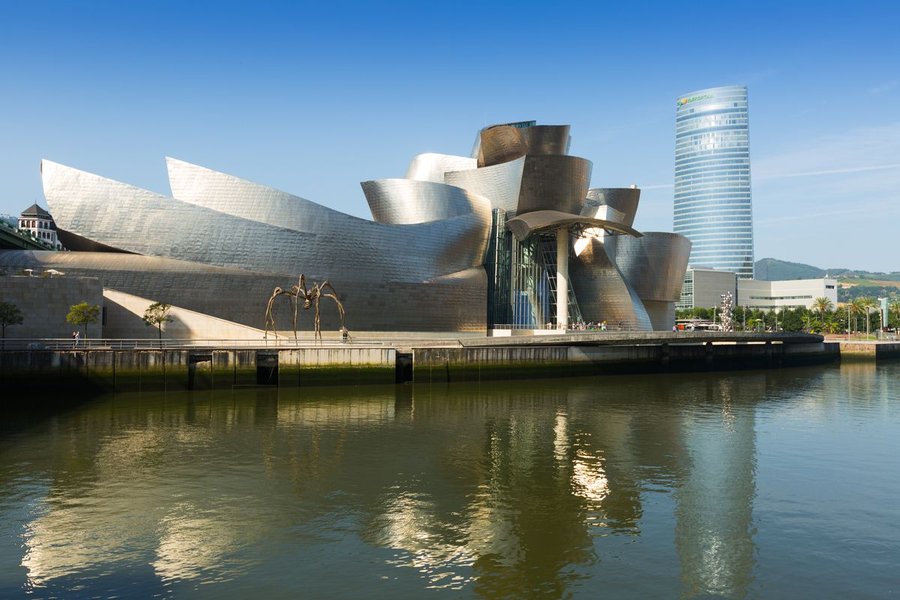
- Beyond their collections, many of the world's best museums are celebrated for their stunning architecture, with buildings that are often considered works of art themselves, enhancing the overall visitor experience.
Global Leaders in Culture and Art
When considering the "best" museums, several factors come into play, including the breadth and significance of their collections, visitor numbers, architectural merit, and overall impact on cultural understanding. Institutions that consistently appear at the top of global rankings and visitor lists offer unparalleled access to some of humanity's most valuable treasures.
The Undisputed Giants: Most Visited Museums
Visitor numbers often serve as a strong indicator of a museum's popularity and broad appeal. Certain museums consistently attract millions each year, a testament to the draw of their collections and the experiences they offer. The Louvre in Paris is a prime example, frequently topping lists of the most visited museums worldwide. Its vast collection, housed in the historic Louvre Palace with its modern glass pyramid entrance, makes it a must-see destination for art and history enthusiasts.
Other institutions with consistently high visitor numbers include the Vatican Museums in Vatican City, home to significant religious and artistic artifacts and the Sistine Chapel; the National Museum of China in Beijing, showcasing China's rich history; and the British Museum in London, with its extensive collection spanning world cultures.
Exceptional Art Collections
For those specifically interested in art, certain museums are renowned for the quality and depth of their artistic holdings. These institutions house masterpieces that represent pivotal moments in art history. The Louvre, again, features prominently with its iconic paintings and sculptures. The Uffizi Gallery in Florence is celebrated for its unparalleled collection of Renaissance art, including works by Italian masters. The Prado Museum in Madrid holds a remarkable collection of Spanish art, with significant works by artists like Goya, Velázquez, and El Greco.

The Metropolitan Museum of Art in New York City boasts a vast and diverse art collection spanning global cultures and time periods, making it one of the largest and most comprehensive art museums in the Western Hemisphere. The Van Gogh Museum in Amsterdam is dedicated to the works of Vincent van Gogh, housing the largest collection of his paintings and drawings.
Beyond Art: History, Science, and More
While art museums often receive significant attention, many of the world's best museums focus on other crucial areas of human knowledge and experience. The Smithsonian Institution in Washington, D.C., is the world's largest research and museum complex, encompassing 19 museums and galleries covering diverse subjects from natural history and air and space to American history and art. The Natural History Museum in London is celebrated for its extensive collection of specimens and exhibits related to the natural world.
Architectural Marvels as Cultural Icons
The buildings that house these incredible collections are often works of art in themselves. Renowned architects have designed many of the world's leading museums, creating structures that enhance the visitor experience and contribute to the cultural landscape of their cities. These buildings range from historic palaces and repurposed industrial spaces to striking contemporary designs.
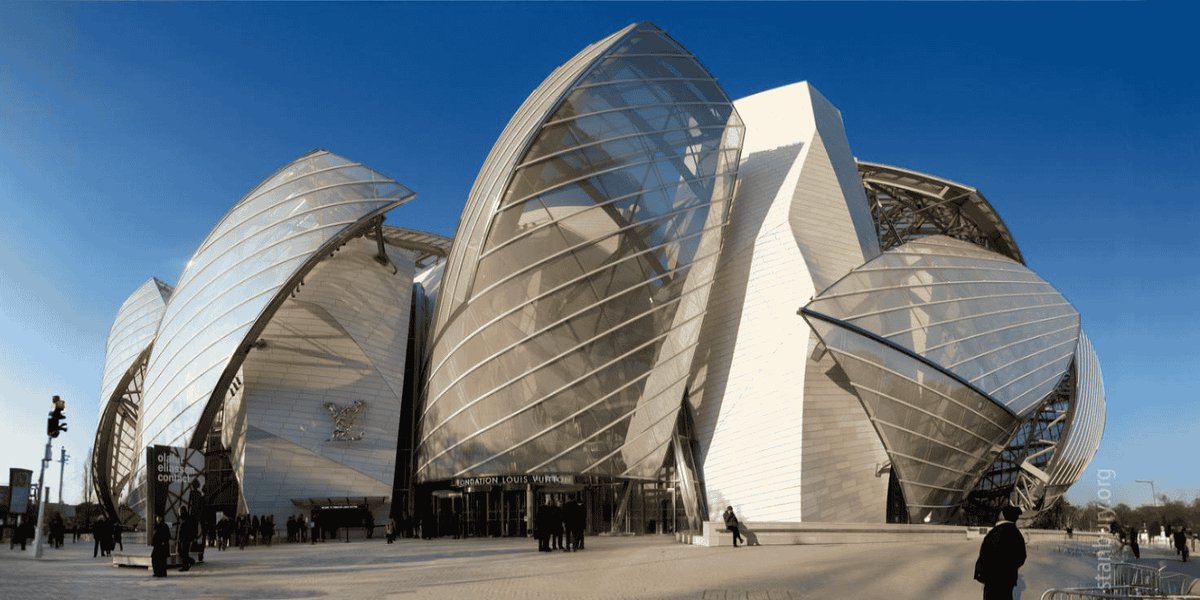
Examples of architecturally significant museums include the Guggenheim Museum in New York, designed by Frank Lloyd Wright with its iconic spiral ramp; the Centre Pompidou in Paris, known for its "inside-out" design by Richard Rogers and Renzo Piano; and the Fondation Louis Vuitton in Paris, a contemporary structure designed by Frank Gehry. These buildings not only provide space for exhibits but also contribute to the identity and appeal of the museums they house.
Key Museums and Their Offerings
To provide a more structured overview of some of the world's best museums, the following table highlights several prominent institutions, their locations, and notable aspects of their collections:
| Museum Name | Location | Focus/Notable Collections |
|---|---|---|
| Louvre Museum | Paris, France | Comprehensive art collection, including the Mona Lisa, Venus de Milo, ancient artifacts. |
| Vatican Museums | Vatican City, Rome | Religious art, historical artifacts, Sistine Chapel. |
| British Museum | London, UK | Vast collection of world art and artifacts, including the Rosetta Stone and Egyptian mummies. |
| Metropolitan Museum of Art (The Met) | New York City, USA | Extensive collection spanning global art and history from antiquity to the present. |
| National Museum of China | Beijing, China | Extensive collection of Chinese history and culture. |
| Uffizi Gallery | Florence, Italy | Renaissance art masterpieces. |
| Prado Museum | Madrid, Spain | Spanish art masterpieces, significant European art collection. |
| Smithsonian Institution | Washington, D.C., USA | Complex of museums covering diverse subjects including natural history, science, and American history. |
| Van Gogh Museum | Amsterdam, Netherlands | Largest collection of works by Vincent van Gogh. |
| State Hermitage Museum | St. Petersburg, Russia | Large collection of art and artifacts spanning various periods and cultures. |
New Horizons: Upcoming Museum Openings and Reopenings in 2025
The museum landscape is constantly evolving, with new institutions emerging and existing ones undergoing significant renovations and expansions. 2025 promises several exciting developments for museum enthusiasts. New museums opening their doors will showcase diverse themes, from artificial intelligence and West African art to more niche subjects like barbecue. These new venues often push the boundaries of traditional museum experiences, incorporating interactive exhibits and innovative displays.
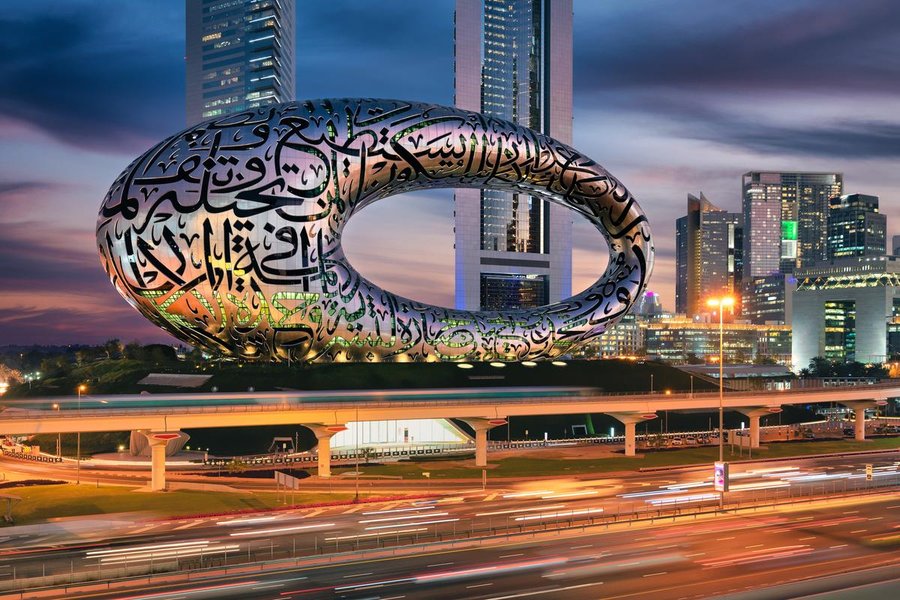
Notable upcoming openings and reopenings in 2025 include the Museum of Modern Art Warsaw, the Guggenheim Abu Dhabi, and the Almaty Museum of Arts, which will be Central Asia's first private institution focused on modern and contemporary art. These new additions contribute to the global accessibility of culture and art, offering fresh perspectives and showcasing new collections to the public.
Frequently Asked Questions
What is considered the best museum in the world?
While "best" can be subjective and depend on individual interests, the Louvre Museum in Paris is frequently cited as one of the top museums globally due to its vast collection, iconic masterpieces, and high visitor numbers. Other museums like the Vatican Museums, British Museum, and Metropolitan Museum of Art are also consistently ranked among the best.
Which museums have the most significant art collections?
Museums known for their significant art collections include the Louvre Museum (Paris), Uffizi Gallery (Florence), Prado Museum (Madrid), Metropolitan Museum of Art (New York), and the State Hermitage Museum (St. Petersburg).
Are there museums focused on areas other than art?
Yes, many top museums focus on diverse subjects. The Smithsonian Institution in Washington, D.C., is a prime example with museums dedicated to natural history, science, American history, and more. The British Museum also has extensive collections of world cultures and archaeology.
Do museum buildings themselves have architectural significance?
Absolutely. Many of the world's leading museums are housed in architecturally significant buildings, ranging from historic structures to modern masterpieces. The design of the building can greatly enhance the visitor experience and is often considered an integral part of the museum's identity.
Are there new museums opening soon?
Yes, the museum world is dynamic. Several new museums and renovated institutions are scheduled to open in 2025, covering a wide range of themes and locations globally.
References
Last updated May 4, 2025