
The World's Largest Pipe Organ: An In-Depth Exploration
Discover the grandeur and intricacies of the most monumental musical instrument on Earth.
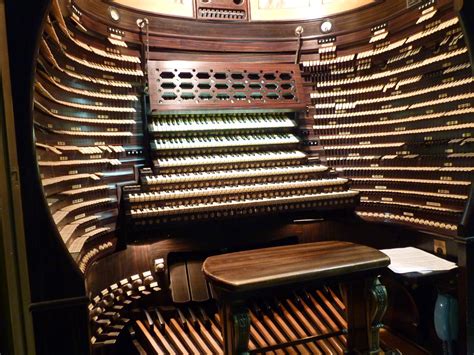
Key Takeaways
- Record-Breaking Size: The Boardwalk Hall Auditorium Organ boasts over 33,000 pipes, making it the largest pipe organ globally.
- Historical Significance: Constructed between 1929 and 1932 by the Midmer-Losh Organ Company, it stands as a testament to early 20th-century craftsmanship.
- Ongoing Restoration: Continuous efforts are underway to restore the organ to its full operational glory, ensuring its legacy for future generations.
Introduction to the World's Largest Pipe Organ
The Boardwalk Hall Auditorium Organ, also known as the Midmer-Losh Pipe Organ, holds the esteemed title of the world's largest pipe organ. Located in the historic Boardwalk Hall in Atlantic City, New Jersey, this monumental instrument is not only a marvel of musical engineering but also a symbol of cultural heritage and architectural grandeur.
Historical Background
Construction and Inception
The Boardwalk Hall Auditorium Organ was commissioned in the late 1920s, a period marked by significant economic and cultural shifts in the United States. Constructed by the renowned Midmer-Losh Organ Company, the organ was meticulously built between 1929 and 1932. This era, juxtaposed against the backdrop of the Great Depression, underscores the scale and ambition behind such an extravagant musical endeavor.
Architectural Integration
Boardwalk Hall, previously known as the Atlantic City Convention Hall, provided a fitting home for this colossal instrument. The auditorium itself spans an impressive 487×288×137 feet, encompassing a volume of 5,500,000 cubic feet. Such expansive dimensions necessitated the organ's design to operate at elevated wind pressures, ensuring that its rich and resonant sounds permeated the vast space.
Technical Specifications
Pipe Composition and Configuration
At the heart of the Boardwalk Hall Auditorium Organ are its 33,112 pipes, categorized into 449 ranks. These pipes are distributed across eight separate chambers, each contributing to the organ's diverse tonal palette. The inclusion of nine 32-foot stops showcases the instrument's capability to produce deep, resonant bass notes, a feature that amplifies its sonic presence within the auditorium.
Mechanical and Acoustic Design
The organ's design incorporates advanced mechanical systems to manage air pressure and airflow. The nine 32-foot stops, for instance, control the pressurized air entering specific pipe chambers, allowing for dynamic tonal variations. This meticulous engineering ensures that the organ can deliver both subtle melodies and powerful chords, catering to a wide range of musical compositions.
Weight and Scale
Weighing in at approximately 150 tons, the Boardwalk Hall Auditorium Organ is not just a musical instrument but a feat of engineering. The sheer mass of the organ is a testament to the materials and craftsmanship involved in its construction, making it a permanent fixture of Boardwalk Hall's architectural landscape.
Musical Versatility
Range of Sounds
The organ's vast array of pipes allows it to produce an unparalleled range of sounds. From the deepest bass notes to the highest treble, the Boardwalk Hall Auditorium Organ can perform a diverse spectrum of musical pieces. Its size and design enable it to emulate various instrumental sounds, making it a versatile tool for both classical compositions and contemporary arrangements.
Sonic Capabilities
Renowned for its incredible volume and sound quality, the organ has been dubbed the "Sonic Mount Rushmore." Its ability to fill the expansive auditorium with sound underscores its status as the loudest musical instrument recognized by Guinness World Records. This sonic prowess not only enhances live performances but also ensures that audiences experience a full-bodied auditory experience.
Guinness World Records and Achievements
Record Holder
The Boardwalk Hall Auditorium Organ holds four Guinness World Records, primarily for being the largest pipe organ by pipe count and the loudest musical instrument. Its recognition by this globally acclaimed institution underscores its significance and excellence in the realm of musical instruments.
Cultural Impact
Beyond its technical achievements, the organ has left an indelible mark on cultural heritage. It has been a centerpiece for numerous concerts, events, and recordings, contributing to the rich musical tapestry of Atlantic City and garnering global attention from enthusiasts and scholars alike.
Current Status and Restoration Efforts
Operational Capacity
Despite its grandeur, not all components of the Boardwalk Hall Auditorium Organ remain operational. Over the decades, wear and tear, alongside the challenges posed by maintaining such a massive instrument, have led to parts of the organ being offline. However, ongoing restoration efforts aim to revive its full functionality.
Restoration Initiatives
A dedicated team of organists, technicians, and historians are engaged in the meticulous process of restoring the organ. These efforts involve repairing damaged pipes, refurbishing mechanical systems, and ensuring that the organ's historical integrity is preserved. The restoration is not merely a technical endeavor but also a preservation of a cultural and musical legacy.
Challenges and Milestones
Restoring an instrument of such magnitude presents numerous challenges, from sourcing appropriate materials to replicating original designs. Despite these hurdles, significant milestones have been achieved, including the restoration of several key chambers and the revival of specific ranks. These accomplishments are a testament to the resilience and dedication of those involved in the project.
Comparative Analysis with Other Large Pipe Organs
Global Contenders
While the Boardwalk Hall Auditorium Organ holds the record for the largest pipe organ by the number of pipes, other notable large pipe organs exist worldwide. For instance, the Wanamaker Organ in Philadelphia and the Great Rose Hall Organ in Brisbane are celebrated for their size and historical significance. However, none surpass the Boardwalk Hall Auditorium Organ in sheer pipe count and overall scale.
Unique Features
Each large pipe organ possesses unique features that cater to different musical and architectural contexts. The Wanamaker Organ, for example, is renowned for its elaborate design and integration within a department store setting, while the Great Rose Hall Organ in Brisbane boasts advanced digital interfaces alongside its traditional pipes. These distinctions highlight the diverse approaches to pipe organ construction and usage across the globe.
Cultural and Musical Significance
Legacy and Influence
The Boardwalk Hall Auditorium Organ has significantly influenced both the local and global musical landscapes. Its presence has attracted renowned organists, composers, and music enthusiasts, fostering a vibrant community centered around pipe organ music. This legacy contributes to the ongoing appreciation and preservation of this monumental instrument.
Educational Impact
The organ serves as an educational tool, providing invaluable insights into early 20th-century musical engineering and craftsmanship. Educational programs, tours, and workshops centered around the organ offer learners a tangible connection to musical history and instrument design.
Technological Innovations
Mechanical Advancements
The construction and operation of the Boardwalk Hall Auditorium Organ incorporate numerous technological innovations of its time. The advanced mechanical systems required to manage the high wind pressures and the intricate pipe arrangements are indicative of the engineering prowess involved. These innovations have set benchmarks for future pipe organ designs.
Integration with Modern Technology
Recent restoration efforts have embraced modern technology to enhance the organ's functionality without compromising its historical integrity. This includes the implementation of digital control systems that aid in maintenance and performance while preserving the instrument's authentic sound and operation.
Visitor Experience
Tours and Concerts
Visitors to Boardwalk Hall have the unique opportunity to witness the grandeur of the world's largest pipe organ. Guided tours offer an in-depth look at the organ's construction, history, and operation, while regular concerts allow audiences to experience its majestic sound firsthand. These events play a crucial role in maintaining public interest and support for the organ's preservation.
Access and Amenities
Boardwalk Hall is equipped with amenities to accommodate the large number of visitors drawn by the organ's fame. From comfortable seating arrangements during performances to informative displays and exhibits, the venue ensures that the visitor experience is both enjoyable and educational.
Future Prospects
Sustainability of Restoration Efforts
Ensuring the long-term sustainability of the restoration projects is paramount. This involves securing ongoing funding, fostering community support, and implementing strategies that balance preservation with modern advancements. The commitment of stakeholders plays a crucial role in the organ's future viability.
Expanding Accessibility
Future initiatives aim to expand accessibility to the organ, both physically for visitors and digitally for global audiences. Virtual tours, live-streamed concerts, and interactive educational programs are avenues being explored to broaden the organ's reach and appreciation beyond Atlantic City.
Conclusion
The Boardwalk Hall Auditorium Organ stands as a monumental achievement in the world of musical instruments. Its unparalleled size, historical significance, and ongoing restoration efforts underscore its importance not only as the world's largest pipe organ but also as a cherished cultural landmark. As restoration progresses and access expands, the organ continues to inspire awe and admiration, ensuring its legacy endures for generations to come.
References
Last updated January 17, 2025