
Unveiling the World's Most Dangerous Animals
Beyond the Obvious: Ranking the Animal Kingdom's Deadliest Threats to Humans
Key Insights
- Mosquitoes are overwhelmingly considered the deadliest animals due to their role as vectors for diseases like malaria, causing hundreds of thousands of human deaths annually.
- While large predators like lions, crocodiles, and hippos are perceived as dangerous due to their strength and aggression, their direct impact on human fatalities is significantly lower than that of disease-carrying insects.
- Humans themselves rank surprisingly high on lists of deadliest animals, primarily due to homicides and conflicts.
The Unseen Killer: Mosquitoes Reign Supreme
When considering the world's most dangerous animals, the image of a powerful predator like a shark or a lion often comes to mind. However, the reality is far less dramatic and significantly more insidious. The humble mosquito, a tiny insect found in nearly every corner of the globe, consistently tops the lists of deadliest animals to humans. Their danger doesn't lie in their bite itself, but in their capacity to act as vectors for devastating diseases.
Mosquitoes, belonging to the family Culicidae, comprise over 3,500 species. A small subset of these species, including Anopheles, Aedes, and Culex, are responsible for transmitting pathogens that cause illnesses such as malaria, dengue fever, Zika virus, West Nile virus, and yellow fever. Malaria alone, spread by female Anopheles mosquitoes, accounts for hundreds of thousands of deaths each year, primarily in sub-Saharan Africa. This makes the mosquito's impact on human mortality vastly greater than that of any large predator.
Disease Transmission: The Silent Threat
The mechanism by which mosquitoes transmit diseases is highly effective. When a mosquito feeds on an infected host, it ingests the pathogen along with the blood. The pathogen then replicates within the mosquito and is subsequently transmitted to another host when the mosquito takes its next blood meal. This efficient transmission cycle allows diseases to spread rapidly through populations, particularly in areas with poor sanitation and limited access to healthcare.
Malaria's Impact
Malaria, a parasitic infection, remains one of the most significant global health challenges. It causes fever, chills, and flu-like illness and can progress to severe complications and death if left untreated. The sheer number of malaria cases and associated fatalities solidifies the mosquito's position as the deadliest animal on Earth.
Beyond the Bite: Other Dangerous Animals
While mosquitoes are responsible for the highest number of human deaths, other animals pose significant threats through direct attacks, venom, or the transmission of other diseases. It's important to consider these animals as well to gain a comprehensive understanding of the dangers present in the animal kingdom.
Snakes: The masters of Venom
Snakes are responsible for a substantial number of human fatalities annually, primarily through venomous bites. The potency of snake venom varies greatly depending on the species, with some venoms causing rapid paralysis, tissue damage, or internal bleeding. Antivenom is a crucial treatment, but access to it can be limited in many regions where venomous snakes are prevalent.
Notable Venomous Snakes
Highly venomous snakes like the inland taipan, the black mamba, and various species of cobras are particularly dangerous due to the strength of their toxins and their potential for causing rapid death. Even though they may not cause as many deaths as mosquitoes, a snakebite is a direct and immediate threat.
Humans: The Apex and the Threat
Surprisingly, humans themselves rank high on lists of deadliest animals. This is not due to predatory behavior in the traditional sense, but rather the staggering number of deaths caused by homicide and conflict. The capacity for violence within our own species makes us a significant threat to one another.
Large Mammals: Strength and Aggression
While not causing as many deaths as mosquitoes or snakes, large mammals like hippos, elephants, and crocodiles are undeniably dangerous due to their size, strength, and unpredictable nature. Encounters with these animals can result in severe injury or death through trampling, goring, or biting.
Hippopotamuses: More Dangerous Than They Appear
Despite their herbivorous diet, hippos are known for their aggressive and territorial behavior. They are responsible for numerous human deaths in Africa, often attacking boats or people who get too close to their territory.
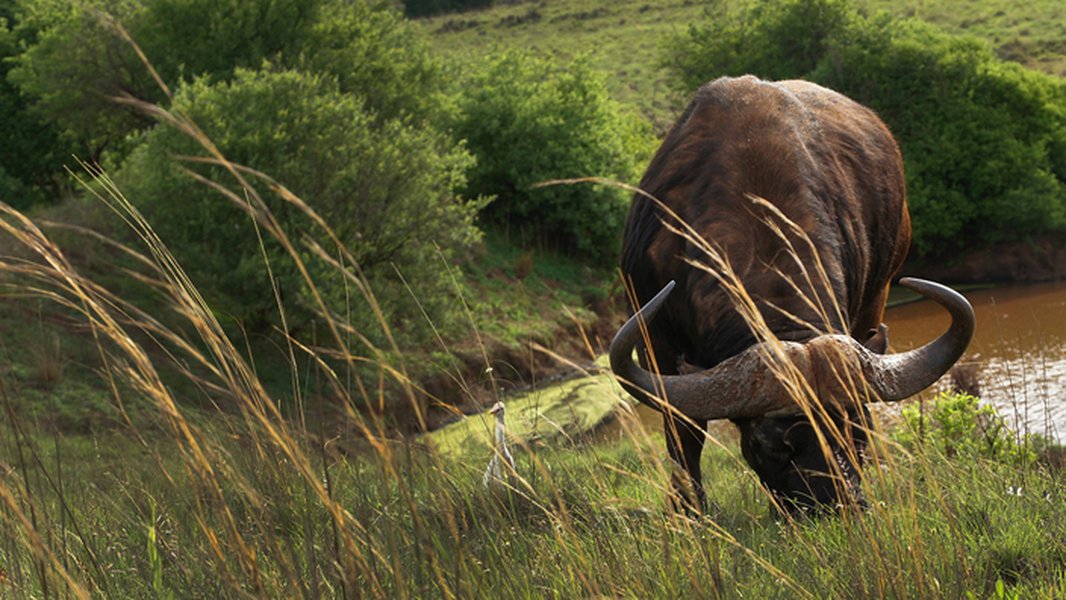
Cape Buffalo, known for their unpredictable and aggressive nature.
Crocodiles: Ancient Predators
Both saltwater and Nile crocodiles are apex predators with incredibly powerful bites. They are opportunistic hunters and have been responsible for numerous fatal attacks on humans.
Elephants: Gentle Giants with a Dangerous Side
While often perceived as gentle giants, elephants can be incredibly dangerous, especially when threatened or protecting their young. They can cause death through trampling or goring with their tusks.
Other Notable Threats
Several other animals pose significant, albeit less frequent, threats to humans:
-
Box Jellyfish: Considered one of the most venomous marine creatures, its sting can cause excruciating pain, paralysis, and death within minutes.
-
Golden Poison Frog: This small, brightly colored frog carries enough toxin in its skin to kill ten adult humans. Its vibrant coloration serves as a warning to potential predators.
-
Cape Buffalo: Known for their unpredictable temper and immense strength, Cape buffalo are considered one of the most dangerous animals in Africa.
-
Ascaris Roundworms: These parasitic worms infect the intestines of millions of people worldwide and can cause severe health problems and death, particularly in children.
-
Freshwater Snails: These seemingly harmless creatures can carry parasitic flatworms that cause schistosomiasis, a disease affecting millions and leading to thousands of deaths annually.
-
Assassin Bugs: These insects can transmit Chagas disease, a parasitic illness that can cause severe heart and digestive problems.
-
Tsetse Flies: These flies transmit trypanosomiasis, also known as sleeping sickness, a parasitic disease that is often fatal if left untreated.
-
Dogs: While often our beloved companions, dogs are responsible for tens of thousands of deaths annually worldwide, primarily due to rabies transmitted through bites.
Ranking the Deadliest: A Comparative Look
Comparing the danger posed by different animals can be complex, as it involves various factors like the number of fatalities, the likelihood of encountering the animal, and the nature of the threat (e.g., disease transmission vs. direct attack). However, focusing on the annual number of human deaths provides a clear, albeit stark, metric.
Annual Human Fatalities by Animal
The following table provides a comparison of estimated annual human deaths caused by some of the world's most dangerous animals. It highlights the significant impact of disease vectors compared to large predators.
| Animal | Estimated Annual Human Deaths |
|---|---|
| Mosquitoes | ~725,000 - 780,000 (primarily via disease) |
| Humans | ~400,000 (homicide and conflict) |
| Snakes | ~50,000 - 138,000 (venomous bites) |
| Dogs | ~59,000 (primarily via rabies) |
| Freshwater Snails | ~20,000 (via schistosomiasis) |
| Assassin Bugs | ~10,000 (via Chagas disease) |
| Tsetse Flies | ~10,000 (via sleeping sickness) |
| Crocodiles | ~1,000 |
| Hippopotamuses | ~500 |
| Elephants | ~500 |
| Lions | ~200 - 250 |
| Scorpions | ~2,600 |
| Tapeworms | ~700 |
| Sharks | ~6 - 70 |
Note: These numbers are estimates and can vary depending on the source and year of data collection.
Understanding the Nature of Danger
Defining "dangerous" can be subjective. Is an animal dangerous because it is likely to kill you if you encounter it, or because it is responsible for the most human deaths globally? The data clearly shows that animals that transmit diseases pose a far greater threat to human populations than those that directly attack. However, the fear and perception of danger are often associated with large, powerful predators.
Perception vs. Reality
Popular culture often portrays animals like sharks and lions as the most dangerous, leading to an inflated perception of the risk they pose to humans. While encounters with these animals can be fatal, they are relatively rare compared to the constant threat posed by disease-carrying insects in many parts of the world. This highlights the importance of relying on data and scientific understanding to assess true danger.
A video discussing the top 10 most dangerous animals in the world, providing another perspective on the topic.
Frequently Asked Questions
What is the single most dangerous animal in the world?
Based on the number of human deaths caused annually, the mosquito is overwhelmingly considered the most dangerous animal in the world due to its role in transmitting deadly diseases like malaria.
Are large predators like lions and tigers the most dangerous animals?
While large predators are dangerous and can cause fatalities through direct attacks, they are responsible for far fewer human deaths annually compared to disease-carrying animals like mosquitoes and even other humans.
What makes an animal dangerous?
An animal can be considered dangerous due to various factors, including its ability to transmit diseases, the potency of its venom or toxins, its aggression and strength, and the likelihood of human encounters.
Are there dangerous animals in the United States?
Yes, the United States is home to several dangerous animals, including venomous snakes, spiders, bears, alligators, and even deer (primarily due to car accidents). Insects like bees and wasps also cause fatalities through allergic reactions.
How can I stay safe from dangerous animals?
Safety measures depend on the specific animal and location. General precautions include being aware of your surroundings, avoiding provoking animals, taking precautions against mosquito bites (using repellent, mosquito nets), and seeking prompt medical attention if bitten or stung by a potentially dangerous animal.
References
Last updated May 5, 2025