
Unmasking Earth's Deadliest Inhabitants: It's Not What You Think!
Discover the surprising creatures responsible for the most human fatalities worldwide.
When we think of dangerous animals, images of sharp teeth, powerful claws, or deadly venom often spring to mind. While large predators like sharks, lions, and crocodiles certainly pose a threat, the reality of which animals are the most dangerous to humans is quite different. Based on the number of human deaths caused annually, the world's deadliest creatures are often much smaller and kill indirectly, primarily through the transmission of diseases. Let's delve into the rankings as of April 26, 2025.
Highlights: Earth's Most Lethal Animals
- The Unseen Killer: The mosquito, despite its tiny size, is overwhelmingly the deadliest animal, responsible for hundreds of thousands of deaths each year through diseases like malaria and dengue fever.
- Human Factor: Surprisingly, humans rank second in causing fatalities among their own species due to violence and conflict.
- Disease vs. Attack: Small disease-carrying organisms (mosquitoes, snails, flies, bugs) cause far more deaths globally than large, predatory animals combined.
The Reign of the Tiny Terrors: Disease Vectors
The overwhelming majority of human deaths caused by animals are not the result of direct attacks but are due to diseases transmitted by often inconspicuous creatures. These vectors carry pathogens like viruses, bacteria, and parasites that lead to devastating illnesses.

Disease vectors like the Tsetse fly are responsible for significant human mortality.
Mosquitoes: The Undisputed Deadliest
Ranking unequivocally at the top, mosquitoes are responsible for an estimated 725,000 to nearly 1 million human deaths annually. They act as vectors for a host of deadly diseases, including:
- Malaria: A parasitic disease transmitted by Anopheles mosquitoes, causing hundreds of thousands of deaths, primarily in sub-Saharan Africa.
- Dengue Fever: A viral infection spread by Aedes mosquitoes, prevalent in tropical and subtropical regions.
- Zika Virus: Also spread by Aedes mosquitoes, known for causing birth defects.
- Yellow Fever, West Nile Virus, Chikungunya, Lymphatic Filariasis: Other serious diseases transmitted by various mosquito species.
Their ability to breed in small amounts of standing water and their widespread distribution make them incredibly difficult to control and profoundly impactful on global health.
Other Significant Disease Transmitters
Freshwater Snails
These aquatic mollusks host parasitic flatworms that cause schistosomiasis (bilharzia). Humans become infected through contact with contaminated freshwater. The disease causes chronic illness and organ damage, leading to an estimated 10,000 to over 20,000 deaths per year.
Assassin Bugs (Kissing Bugs)
These insects transmit the parasite *Trypanosoma cruzi*, which causes Chagas disease, prevalent in Latin America. Chagas disease can lead to serious cardiac and digestive problems years after infection, resulting in approximately 10,000 to 12,000 deaths annually.
Tsetse Flies
Found in sub-Saharan Africa, tsetse flies transmit trypanosomes that cause African trypanosomiasis, or sleeping sickness. This neurological disease affects both humans and livestock, causing around 2,300 to 10,000 deaths per year (estimates vary).
Parasitic Worms
- Ascaris Roundworms: Causing ascariasis through ingestion of contaminated food or water, leading to malnutrition and intestinal blockage, resulting in about 2,500 to 4,500 deaths annually.
- Tapeworms: Spread through contaminated food (especially undercooked meat) or water, causing cysticercosis when larvae infect the brain and other tissues, leading to roughly 700 to 2,000 deaths per year.
The Human Element and Venomous Threats
Humans: A Danger to Ourselves
In a sobering statistic, humans are often ranked as the second deadliest "animal" to other humans. Global estimates place annual deaths due to homicide and conflict at around 400,000 to 437,000. This highlights interpersonal violence as a major cause of mortality worldwide.
Snakes: Masters of Venom
Venomous snakes are responsible for a significant number of deaths, estimated between 100,000 and 138,000 annually. Snakebite envenoming is a major public health issue, particularly in rural areas of Africa, Asia, and Latin America. Lack of access to prompt medical care and effective antivenom contributes significantly to the high fatality rate. Cobras, vipers, mambas, and kraits are among the most dangerous species.

Venomous snakes like rattlesnakes cause thousands of deaths worldwide each year.
Dogs: Man's Best Friend, Sometimes a Vector
While beloved companions, dogs contribute to an estimated 35,000 to 59,000 human deaths per year, almost entirely due to the transmission of rabies through bites. This is primarily a problem in regions with large populations of stray dogs and inadequate vaccination programs for both animals and humans post-exposure.
Scorpions: Potent Stingers
Certain scorpion species possess highly toxic venom that can be fatal, especially to children and the elderly. They are responsible for approximately 3,300 to 3,500 deaths annually globally. The deathstalker scorpion, found in North Africa and the Middle East, is one of the most dangerous.
The Powerhouse Predators: Danger Through Aggression
While causing fewer deaths overall compared to disease vectors, large animals known for their strength, size, and aggressive or territorial behavior remain significant threats in specific regions.
Crocodiles: Ancient Ambush Predators
Regarded as one of the most consistently dangerous large predators, crocodiles (particularly Nile and Saltwater crocodiles) are estimated to kill around 1,000 people per year. Their powerful bite force (up to 5,000 psi), ambush hunting style, territorial nature, and the infamous "death roll" make encounters frequently lethal.
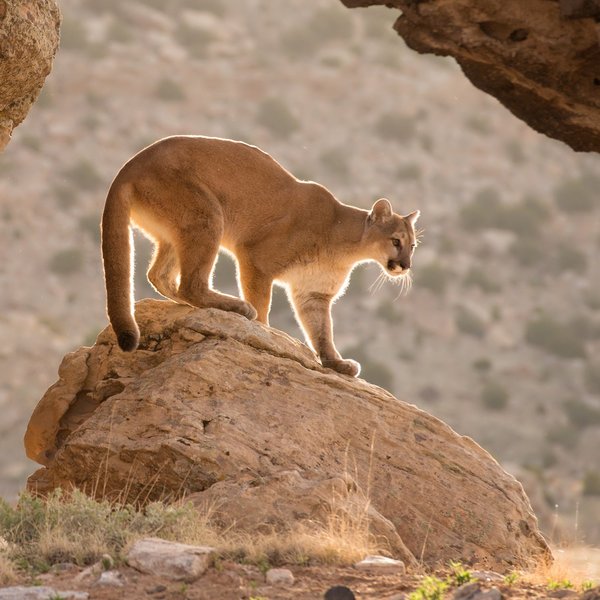
Crocodilians are formidable predators responsible for numerous human fatalities.
Hippopotamuses: Surprisingly Aggressive Herbivores
Despite being herbivores, hippos are notoriously aggressive and territorial, especially in water. They possess immense strength, large tusks, and can charge at surprising speeds (up to 20 mph on land). They are responsible for approximately 500 deaths annually, often attacking boats or people near riverbanks in Africa.
Elephants: Gentle Giants, Dangerous When Provoked
The world's largest land animals, elephants, are typically peaceful but can become extremely dangerous if they feel threatened, are startled, or during periods of musth (in males). Their immense size and strength mean encounters can easily turn fatal. Estimates suggest elephants cause around 100 to 600 deaths per year, often in areas where human settlements encroach on their habitats.
Lions: Apex Predators
As apex predators, lions are capable hunters. While human predation is not their primary behavior, attacks do occur, especially in areas with significant human-wildlife conflict. Lions are estimated to kill between 22 and 200 people annually.
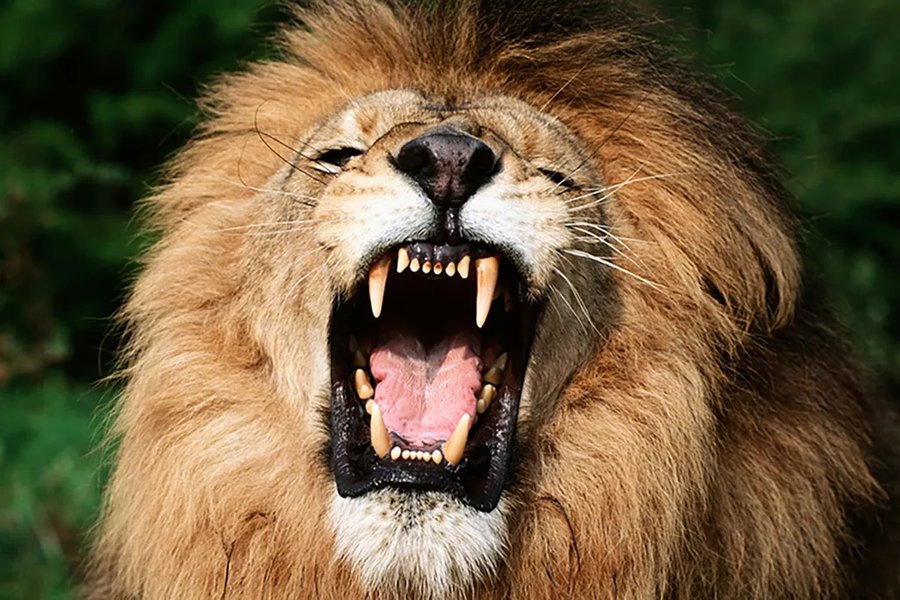
Lions, while majestic, can be dangerous predators in certain circumstances.
Sharks: Feared but Less Deadly Than Perceived
Despite their fearsome reputation fueled by media portrayals, sharks are responsible for relatively few human fatalities globally, typically ranging from 6 to 70 deaths per year. Most attacks are cases of mistaken identity. While certain species like Great Whites, Bull Sharks, and Tiger Sharks are potentially dangerous, the overall risk is low compared to many other animals on this list.
Visualizing the Danger: Comparative Analysis
Deadliest Animals: A Summary Table
This table provides a comparative overview of the estimated annual human deaths caused by some of the world's most dangerous animals, highlighting the primary cause of fatality.
| Rank | Animal | Estimated Annual Deaths | Primary Cause of Death |
|---|---|---|---|
| 1 | Mosquito | 725,000 - 1,000,000 | Disease Transmission (Malaria, Dengue, etc.) |
| 2 | Humans | ~400,000 - 437,000 | Homicide/Conflict |
| 3 | Snakes | ~100,000 - 138,000 | Venomous Bites |
| 4 | Dogs | ~35,000 - 59,000 | Rabies Transmission |
| 5 | Freshwater Snails | ~10,000 - 20,000+ | Parasitic Disease (Schistosomiasis) |
| 6 | Assassin Bugs | ~10,000 - 12,000 | Parasitic Disease (Chagas Disease) |
| 7 | Tsetse Flies | ~2,300 - 10,000 | Parasitic Disease (Sleeping Sickness) |
| 8 | Scorpions | ~3,300 - 3,500 | Venomous Stings |
| 9 | Ascaris Roundworms | ~2,500 - 4,500 | Parasitic Disease (Ascariasis) |
| 10 | Crocodiles | ~1,000 | Direct Attacks |
| 11 | Hippopotamuses | ~500 | Direct Attacks |
| 12 | Elephants | ~100 - 600 | Direct Attacks |
Comparative Danger Factors Radar Chart
This radar chart offers a visual comparison of selected animals across different danger metrics. The scales are relative (0-10, except for Annual Deaths) based on the synthesized information, providing a qualitative look at the *type* of danger each animal poses.
- Annual Deaths: Scaled logarithmically to accommodate the vast differences (Mosquitoes highest).
- Disease Transmission: How significant a role the animal plays as a disease vector (Mosquito highest).
- Direct Aggression: Likelihood of unprovoked or territorial attacks (Hippo, Crocodile high).
- Venom Potency: Lethality of venom/toxins (Snake high).
- Global Distribution: How widespread the animal and its associated risks are (Mosquito highest).
Categorizing Animal Threats Mindmap
This mindmap illustrates the primary ways animals pose a danger to humans, categorized into major groups with key examples.
(Indirect Killers)"] id1a["Mosquitoes
(Malaria, Dengue, Zika)"] id1b["Freshwater Snails
(Schistosomiasis)"] id1c["Assassin Bugs
(Chagas Disease)"] id1d["Tsetse Flies
(Sleeping Sickness)"] id1e["Parasitic Worms
(Ascariasis, Cysticercosis)"] id2["Venomous Creatures
(Toxins & Envenomation)"] id2a["Snakes
(Cobras, Vipers, Mambas)"] id2b["Scorpions
(Deathstalker)"] id2c["Spiders (Less Fatal Overall)
(Funnel-Web, Wandering Spider)"] id2d["Jellyfish (Box Jellyfish)"] id2e["Cone Snails"] id3["Aggressive Animals
(Direct Attacks)"] id3a["Crocodiles
(Nile, Saltwater)"] id3b["Hippopotamuses
(Territorial Aggression)"] id3c["Elephants
(When Threatened/Provoked)"] id3d["Large Predators
(Lions, Tigers, Bears - Fewer Deaths)"] id3e["Sharks
(Rare but Potent Attacks)"] id4["Humans
(Interpersonal Violence)"] id4a["Homicide & Conflict"]
Featured Video: Deadliest Animals Overview
For a visual summary of some of the planet's most lethal creatures, the following video provides a concise look at top contenders often discussed in lists of dangerous animals. It helps contextualize the different types of threats posed by the animal kingdom.
This video touches upon some well-known dangerous species, reinforcing the idea that 'danger' can mean different things – from venom potency to sheer aggression or, as discussed extensively here, the capacity to spread fatal diseases.
Frequently Asked Questions (FAQ)
Why are mosquitoes considered the deadliest animal?
Mosquitoes are considered the deadliest not because their bite itself is fatal, but because they are incredibly effective vectors for transmitting numerous deadly diseases like malaria, dengue fever, Zika virus, West Nile virus, yellow fever, and chikungunya. These diseases kill hundreds of thousands of people every year, far exceeding the death toll from any other animal, including large predators or venomous snakes. Their widespread distribution and ability to breed easily amplify their impact on global human health.
Are sharks really as dangerous as movies suggest?
No, sharks are not nearly as dangerous to humans as often portrayed in popular culture. While shark attacks can be devastating when they occur, they are statistically rare. Annually, sharks are responsible for only about 6 to 10 human fatalities worldwide, though some estimates go up to 70. In contrast, animals like mosquitoes, snakes, and even dogs (via rabies) cause vastly more deaths each year. Many shark attacks are believed to be cases of mistaken identity.
What makes hippos so dangerous?
Hippos are considered one of the most dangerous large land animals in Africa due to their extreme aggression and territoriality, particularly in water. Despite being herbivores, they have powerful jaws, large tusks, and surprising speed. They are known to attack boats, capsize them, and attack humans who venture too close to their territory along riverbanks. Their unpredictable nature and sheer power contribute to approximately 500 human deaths per year.
How do small creatures like snails and flies kill people?
Small creatures like freshwater snails, assassin bugs, and tsetse flies kill humans indirectly by transmitting parasitic diseases. Freshwater snails carry parasites causing schistosomiasis; assassin bugs transmit Chagas disease; and tsetse flies spread sleeping sickness. These diseases often cause chronic, debilitating illnesses that can damage vital organs over time, leading to tens of thousands of deaths annually, particularly in regions with limited access to sanitation and healthcare.
References
- What Are the World's 15 Deadliest Animals - ScienceAlert
- Top 10 most dangerous animals in the world, ranked - BBC Science Focus
- 32 of the most dangerous animals on Earth - Live Science
- The Top 10 Deadliest Animals In The World - A-Z Animals
- Ranked: Top 10 Deadliest Animals for Humans - Visual Capitalist
- List of animals deadliest to humans - Wikipedia
- Fighting the World's Deadliest Animal - CDC
Recommended

Last updated April 26, 2025